
 Предпросмотр
 Поделиться
 Поделиться
 Детали произведения
 Руководство

 Скачать
 Похожие предметы
 Рентгенография
 Слайд-шоу
 Вопросы и ответы
 Статистика просмотров
Self Portrait


 Читать далее
Произведение искусства, представленное на этой странице, защищено законом об авторском праве, что исключает возможность законного создания или продажи его точной репродукции. Данная защита обеспечивается международными соглашениями, такими как Бернская конвенция и национальным законодательством, включая положения, изложенные в Закон США об авторском праве — Раздел 17.
Этот метод полностью соответствует нормам авторского права, так как он не предполагает копирования или дублирования защищенного произведения. Напротив, это творческая реинтерпретация — создание новой картины, которая вдохновлена оригиналом, но не является его точной копией.
Жикле и арт-принты
Печать (жикле) или холст музейного качества с быстрыми сроками изготовления и широким выбором вариантов отделки. ( Купить картину ручной работы Перейти к цифровым изображениям)




































Выберите один из наших стандартных размеров, соответствующих оригинальным пропорциям произведения искусства.

Введите необходимую ширину и высоту, чтобы репродукция подошла к вашей раме или стене. При печати изображение можно только уменьшить, но нельзя увеличить больше оригинала, поэтому при выборе другого формата часть изображения может быть обрезана. Перед печатью мы отправим вам цифровой макет на утверждение. Изображение на этой странице не отображает реальную обрезку — ее можно увидеть только на макете.
Доставка по всему миру () за 2 недели вместо стандартных 4–5 недель. (4 Ноябрь)

Бесплатная экспресс-доставка по всему миру

Высококачественный льняной холст

Полное страхование при доставке

Гарантия возмещения таможенных пошлин

Гарантия точного цветового соответствия

100-дневная гарантия возврата (только при обнаружении дефектов)

Гарантия возврата 100% средств

Скидка при оптовом заказе
 Вариант со стеклом доступен только для размеров менее 110 см

Self Portrait
Жикле и арт-принты
Размер репродукции
-


Итоговая стоимость
$ 81
Вопросы и ответы
Находится ли изображение «Self Portrait», Gordon De La Mothe в общественном достоянии?
Что касается авторских прав, произведение «Self Portrait» находится в находится под защитой авторского права.
Какой преобладающий цвет в произведении «Self Portrait», Gordon De La Mothe?
Espresso (#5a4d49) — преобладающий цвет в работе «Self Portrait», Gordon De La Mothe.
Какие цвета преобладают в работе «Self Portrait», Gordon De La Mothe?
Колористика произведения «Self Portrait», Gordon De La Mothe: палитра в стиле Earthy, где преобладает Espresso (#5a4d49).
Биография художника
A Life Rooted in Grenada, Reimagined Through Art
Gordon de la Mothe’s journey as an artist is inextricably linked to his birthplace, the idyllic island of Carriacou, Grenada. Born in 1933, he absorbed the vibrant culture and raw beauty of his surroundings during his formative years, experiences that would later become a powerful undercurrent in his artistic expression. His early education at the Grenada Boys Secondary School laid a foundation, but it was his move to Luton, England in 1958 that truly ignited a period of profound transformation. This relocation wasn’t merely a geographical shift; it was an immersion into a different world—a world marked by evolving social landscapes and burgeoning civil rights movements. Witnessing the complexities of racial dynamics and societal shifts firsthand profoundly influenced his artistic vision, pushing him to explore themes of identity, sexuality, and the often-fraught relationship between race and representation.Navigating Identity and Challenging Perceptions
De la Mothe’s work is characterized by a fearless exploration of what he terms “racialised beauty.” He doesn't shy away from confronting societal norms or challenging conventional perceptions, instead choosing to celebrate the diverse spectrum of Black identity with honesty and nuance. This commitment manifested early in his career, evolving through various mediums—from sketching and portraiture to more expansive acrylic works. His art became a vehicle for reclaiming narratives, offering counter-representations to dominant stereotypes. The publication of his seminal work, Reconstructing the Black Image in 1993, solidified his position as a critical thinker and advocate for nuanced representation within the art world. It wasn’t simply about depicting Black figures; it was about dismantling preconceived notions and presenting multifaceted portrayals that acknowledged both vulnerability and strength. His sketches of Rastafari figures from 1981, for example, are not merely observational studies but intimate glimpses into a culture often misunderstood or misrepresented.A Return to Roots and Continued Recognition
After over three decades living in England, de la Mothe made the poignant decision to return to Grenada in the 1990s. This wasn’t an abandonment of his artistic pursuits but rather a homecoming—a chance to reconnect with the source of his inspiration and contribute directly to the cultural landscape of his birthplace. His self-portrait from 2009, titled ‘A Matter of Reflection’, offers a compelling insight into this period of introspection. The painting is rich in detail, capturing not just his physical likeness but also a sense of quiet contemplation—a seasoned artist looking back on a life lived between two worlds. This return to Grenada wasn’t simply about personal fulfillment; it was about sharing his knowledge and experience as an art teacher, nurturing the next generation of Caribbean artists.Legacy and Achievements
De la Mothe's contributions extend beyond the canvas. His dedication to art education and activism earned him the prestigious Order of the British Empire (OBE) award in 2015 for his services to art on Grenada. This recognition wasn’t just a celebration of his artistic talent but also an acknowledgement of his unwavering commitment to cultural preservation and social justice. His works, including poignant portraits like “Drawing of Len Garrison” from 1991, are now held in museum collections—testaments to their enduring power and historical significance. His art continues to resonate with audiences today, sparking dialogue about race, identity, and the importance of reclaiming one’s narrative. He stands as a pivotal figure within Caribbean diaspora art, bridging cultural gaps and challenging conventional artistic boundaries.Themes and Techniques
De la Mothe's technical skill is evident in his mastery of various mediums, particularly pastel and acrylic. His portraits are often characterized by realistic detail combined with expressive brushwork, creating a sense of intimacy and emotional depth. He frequently employs grayscale palettes to emphasize form and texture, allowing the subject’s personality to shine through. Beyond technique, however, lies a deeper thematic consistency. Race relations, sexuality, and the exploration of Black British Art are recurring motifs in his work. He doesn't shy away from complex subjects, often using self-portraiture as a means of personal reflection and social commentary. His landscapes and townscapes, particularly those created during his time in Maidstone, offer a unique perspective on the everyday lives of people within a specific cultural context. Ultimately, Gordon de la Mothe’s art is a testament to the power of representation—a powerful voice challenging perceptions and celebrating the beauty of human diversity.
Gordon De La Mothe
1933 - , Grenada
Об авторе
- Artistic Movement Or Style: Portraiture, Sketching
- Date Of Birth: 1933
- Full Name: Gordon de la Mothe
- Nationality: Grenadian
- Notable Artworks:
- Drawing of Len Garrison
- Self Portrait
- Rastafari Sketch No.1
- Place Of Birth: Carriacou, Grenada
Похожие статьи

О нас
Откройте для себя нашу историю! Мы привносим искусство мирового класса в вашу жизнь благодаря экспертному отбору, индивидуальным заказам и бесплатным обзорам. Одобрено частными лицами и компаниями с 2000 года.
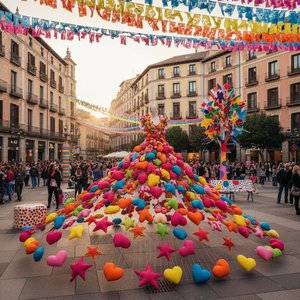
Águeda Ruiz de la Prada: A Study of Eclecticism & Emotional Resonance in Contemporary Spanish Painting
Discover the vibrant world of Ágatha Ruiz de la Prada, a leading figure in contemporary Spanish art. Explore her eclectic style, emotional depth & legacy – a must-read for discerning collectors.

Maurice Quentin de La Tour: Light, Shadow & the Rococo Portrait
Explore the captivating world of Maurice Quentin de La Tour, a master of Rococo portraiture. Discover his innovative pastel techniques, intimate depictions of French aristocracy, and lasting artistic legacy. Learn more at OriginalUniqueArt.

Топ-25 шедевров Гойи: от придворного портрета до мрачных пророчеств | OriginalUniqueArt
Погрузитесь в мир гения Франсиско Гойи! 🎨 От придворных портретов до мрачных "Капричос" – исследуйте топ-25 шедевров испанского романтизма. Купите репродукции картин Гойи музейного качества на OriginalUniqueArt.com и украсьте свой интерьер искусством.

The Soft Power of Pastel: A Connoisseur's Guide to History, Technique, and the Art of Texture
Explore the ethereal beauty of pastel art. From Renaissance origins to Impressionist mastery, discover the history, technique, and velvety textures that define this luminous medium in our expert guide for art connoisseurs.