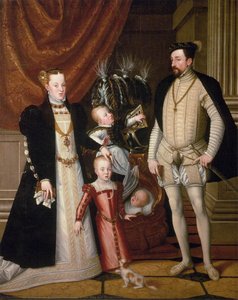
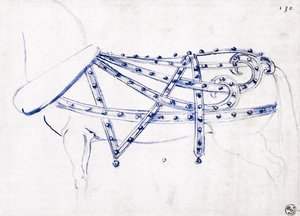
Примерить в интерьере
 Отправить
 Поделиться
 Подробнее
 Руководство

 Скачать
 Похожие объекты
 Рентгенография
 Слайд-шоу
 Статистика
Nature studies


 Развернуть текст
Масляная репродукция ручной работы
Картина маслом на холсте в выбранном вами размере и раме, написанная на заказ нашими художниками. ( Переключиться на печать Перейти к цифровым изображениям)




P118B $10

P118H $10

P118W $10

P438Z $10

P508JH $12

P508YH $12

P805H $10

P805Z $10

P919BZ $10

P919G $10

P919XJ $10

P959ZH $10

P968JZ $12

W106C $8

W218G $10

W218JH $8

W218Y $10

W307PJ $10

W316G $10

W316PJ $8

W316Y $10

W398PJ $8

W4111J $10

W500HY $15

W500JH $15

W692G $12

W849H $8

W940BG $15

W953PJ $8




Выберите один из наших стандартных размеров, соответствующих оригинальным пропорциям произведения искусства.

Введите необходимую ширину и высоту, чтобы репродукция подошла к вашей раме или стене. Поскольку работа выполняется вручную, при изменении пропорций художник может немного увеличить область вокруг картины или, наоборот, обрезать края — выбор за вами. Перед началом работы мы пришлем вам цифровой макет на утверждение. Изображение на этой странице не является точным результатом — увидеть реальный вид можно только на макете.
После оформления заказа команда OriginalUniqueArt.com свяжется с клиентом по электронной почте для уточнения деталей и предоставит предварительный макет
Доставка по всему миру () за 3–4 недели вместо стандартных 5 недель. (26 Октябрь). Без компромиссов в качестве.

Бесплатная экспресс-доставка по всему миру

Высококачественный льняной холст

Полное страхование при транспортировке

Гарантия возврата таможенных пошлин

Гарантия точного цветового соответствия

100-дневный период возврата (только при обнаружении дефектов)

Гарантия возврата 100% средств

Скидка при заказе нескольких работ
 Вариант со стеклом доступен только для размеров менее 110 см

Nature studies
Материал репродукции
Размер репродукции
-


Итоговая стоимость
$ 300
Giuseppe Arcimboldo: A Renaissance Visionary Reimagined
Giuseppe Arcimboldo (1527 – 1593), an Italian Mannerist painter, stands apart from his contemporaries not merely for stylistic innovation but for a profound engagement with the intellectual currents of his time—specifically, Neo-Platonism and the burgeoning fascination with natural science. Born in Milan during a period marked by papal ambition and artistic experimentation, Arcimboldo’s career unfolded against a backdrop of transformative change, propelling him to prominence as court painter for three Holy Roman Emperors: Maximilian I, Philip II, and Rudolf II—a testament to his ability to capture the zeitgeist and translate complex ideas into visually arresting imagery. While initially recognized for traditional portraits adhering to established conventions, Arcimboldo swiftly distinguished himself through a revolutionary approach – crafting composite heads entirely from meticulously arranged objects: fruits, vegetables, flowers, fish, musical instruments, and even books—a technique that continues to fascinate scholars and artists alike.- The Composite Head Technique: Arcimboldo’s method wasn't simply about clever visual illusion; it represented a deliberate challenge to conventional artistic representation. Rather than depicting the human face in its idealized form, he disassembled it into constituent parts—symbols of nature—creating an image that simultaneously honored classical ideals and reflected the scientific curiosity of the Renaissance.
- Symbolism Rooted in Neo-Platonism: Arcimboldo’s works resonate deeply with Neo-Platonic philosophy, which sought to reconcile pagan mythology with Christian theology by interpreting symbols as reflections of divine truths. Each element within a portrait—the fruits representing fertility and abundance, the flowers symbolizing beauty and virtue—carried specific allegorical meanings intended to convey profound spiritual concepts.
- Court Patronage & Rudolf II’s Vision: Arcimboldo's success stemmed largely from his patronage by Rudolf II, Holy Roman Emperor, who championed a humanist worldview characterized by intellectual exploration and artistic splendor. Rudolf II’s fascination with alchemy, astrology, and natural history mirrored Arcimboldo’s own stylistic ambition—to transcend mere imitation of nature and to express its underlying harmony and order.
Vertumnus: A Masterpiece of Illusion and Allegory
Among Arcimboldo's most celebrated achievements is Vertumnus (1591), an oil painting commissioned by Rudolf II that exemplifies the artist’s mastery of illusionistic technique and symbolic representation. The portrait depicts Rudolf II as a human face constructed from meticulously arranged fruits, vegetables, flowers, and musical instruments—a deliberate homage to the Roman god Vertumnus, whose name translates to “turning” or “changing,” reflecting the cyclical rhythms of nature and mirroring Rudolf II’s belief in the interconnectedness of all things. The composition is remarkably balanced, with each element carefully positioned to contribute to the overall impression of serenity and intellectual contemplation.- Illusionistic Detail: Arcimboldo achieved his breathtaking effect through painstaking layering of paint—a technique known as glazing—creating a shimmering surface that captures the subtle nuances of light and color. The artist’s meticulous attention to detail ensured that each fruit, vegetable, and instrument appeared convincingly integrated into the portrait's form.
- The God Vertumnus & Rudolf II’s Ideal: Arcimboldo’s choice of imagery—specifically Vertumnus—was not arbitrary but deliberately symbolic. The god Vertumnus represented transformation and renewal, mirroring Rudolf II’s aspiration to embody the virtues of wisdom, justice, and compassion—qualities he believed essential for governing his realm effectively.
- A Reflection of Renaissance Thought: Vertumnus stands as a powerful emblem of the Renaissance humanist spirit—a conviction that human reason could illuminate the mysteries of the cosmos and that art could serve as a conduit for conveying profound philosophical ideas.
Beyond Illusion: Arcimboldo’s Artistic Legacy
Giuseppe Arcimboldo's influence extends far beyond his own lifetime, shaping subsequent artistic trends and inspiring generations of artists to explore innovative visual strategies. His pioneering use of composite portraits established a precedent for manipulating perspective and creating imaginative representations that defied conventional conventions—a legacy that continues to resonate in contemporary art practice. Furthermore, Arcimboldo’s unwavering commitment to capturing the essence of his subject matter through symbolic imagery solidified his position as one of the foremost artists of the Mannerist movement—a period characterized by stylistic experimentation and a preoccupation with psychological depth.- Influence on Later Artists: Arcimboldo's technique served as an inspiration for artists like Rembrandt and Diego Velázquez, who similarly employed illusionistic techniques to convey emotion and psychological complexity in their portraits.
- The Mannerist Aesthetic: Arcimboldo’s work embodies the core tenets of Mannerism—a stylistic movement that prioritized expressive distortion over naturalistic representation—marking a decisive break from the idealized beauty of High Renaissance art.
- Enduring Relevance: Today, Arcimboldo's portraits continue to captivate audiences with their arresting visual impact and their profound intellectual depth—testaments to his enduring artistic genius and his ability to transcend temporal boundaries.
Discovering Arcimboldo’s Art Today
Reproductions of Arcimboldo’s masterpieces can be found in prestigious museums worldwide, including the Kunsthistorisches Museum in Vienna and the Louvre in Paris—a testament to their enduring artistic merit. Explore stunning prints and canvases that capture the vibrancy of color and the meticulous detail characteristic of his original paintings—bringing the visionary spirit of Giuseppe Arcimboldo into your home or gallery space.Вопросы и ответы
Что изображено на картине «Nature studies», Жозеф Арчимбольдо и какое настроение она передает?
На полотне «Nature studies», Жозеф Арчимбольдо запечатлены composite head, fruits, animals, renaissance, symbolism, decorative art, habsburg court, передающие Calm настроение. Сочетание сюжета и атмосферы полностью раскрывает суть произведения.
Какому художнику приписывают работу «Nature studies»?
Авторство работы «Nature studies» приписывается Жозеф Арчимбольдо.
В какой части дома будет хорошо смотреться репродукция «Nature studies»?
Для работы «Nature studies», Жозеф Арчимбольдо рекомендуется Living Room. Это предложение основано на сюжете, цветовой гамме и настроении произведения.
Биография художника
Giuseppe Arcimboldo: Мастер Иллюзий и Символов
Имя Giuseppe Arcimboldo – это синоним не только гения, но и загадочности. Этот итальянский художник, живший в XVI веке, оставил после себя наследие, которое продолжает восхищать и удивлять зрителей по всему миру. Его работы, особенно знаменитые портреты, созданные из фруктов, овощей, цветов и других предметов, – это не просто визуальные иллюзии, но и сложные аллегории, пронизанные глубоким символизмом и отражающие дух эпохи Возрождения.
Родившийся в Милане в 1527 году, Giuseppe Arcimboldo начал свой путь в искусстве как мастер по созданию витражей для соборов. Уже тогда проявился его талант к детальной проработке и умение создавать сложные композиции. Его отец, Биagio Arcimboldo, был художником, что, несомненно, повлияло на формирование его художечного видения. В 1549 году он получил заказ на создание витражей для Миланского собора, включая знаменитые изображения Святой Екатерины Александрийской – работы, которые стали отправной точкой в его карьере.
Королевский Художник и Покровитель
Переломным моментом в жизни Arcimboldo стал 1562 год, когда он был назначен придворным портретистом императора Фердинанда I Габсбурга в Вене. Это назначение открыло перед ним двери в мир роскоши и великолепия, где он мог проявить свою фантазию и творческий потенциал. В последующие годы Arcimboldo служил художником для императоров Максимилиана II и Рудольфа II, создавая костюмы для балов и фестивалей, оформляя дворцы и даже разрабатывая проекты для императорского сада. Его работа была высоко ценимой при дворе, что позволило ему не только развивать свой талант, но и получить доступ к самым редким и дорогим материалам.
Уникальный Стиль: Композитные Портреты
Главным отличием творчества Arcimboldo стали его знаменитые "композитные портреты" – изображения людей, созданные из тщательно подобранных предметов. Фрукты, овощи, цветы, книги, музыкальные инструменты – все это превращалось в лица, отражающие характер и статус изображенного человека. В отличие от традиционных портретов, где акцент делался на реалистичное изображение внешности, Arcimboldo создавал образы, которые требовали от зрителя интерпретации и размышления. Он не просто рисовал лицо; он рассказывал историю, передавал определенное послание.
Важно отметить, что этот стиль не возник из ниоткуда. Arcimboldo опирался на традиции Renaissance, в частности, на интерес к головоломкам, загадкам и символизму. Он также был знаком с работами других художников, таких как Леонардо да Винчи, который экспериментировал с искажением перспективы и созданием иллюзий.
Символизм и Аллегория: Загадки в Каждом Детале
Каждый предмет, используемый Arcimboldo для создания своих портретов, имел свое значение. Например, в портрете "Библиотекарь" книги символизируют знания и интеллект, а цветы – красоту и гармонию. В портрете императора Рудольфа II, изображенного как бог весенних садов (Vertumnus), можно увидеть множество растений, которые ассоциируются с плодородием и процветанием. Arcimboldo не просто создавал красивые картинки; он использовал их для передачи определенного смысла, часто скрытого под поверхностью.
Интересно отметить, что многие из его работ содержат двойной смысл – они могут быть интерпретированы по-разному в зависимости от угла обзора и знаний зрителя. Это придает им дополнительную глубину и загадочность.
Влияние и Наследие
Несмотря на то, что имя Arcimboldo не было столь известно во время его жизни, как сейчас, его работы оказали значительное влияние на развитие искусства. В начале XX века его творчество было переоценено, а его портреты стали символом сюрреализма. Художники, такие как Сальвадор Дали, были вдохновлены его умением создавать иллюзии и играть с восприятием зрителя. Сегодня Giuseppe Arcimboldo считается одним из самых оригинальных и талантливых художников эпохи Возрождения – мастером иллюзий и символов, чьи работы продолжают восхищать и удивлять людей по всему миру.
Основные Работы
- "Библиотекарь" (1566) - Изображает императора Рудольфа II, чье лицо создано из книг, символизирующих знания и мудрость.
- "Вертумн" (Vertumnus) – портрет императора Рудольфа II в образе бога весенних садов, наполненный цветами и растениями.
- "Флористический пейзаж" (1591) - Изображает человека, сотканного из цветов и листьев, демонстрируя гармонию между человеком и природой.
- "Лето" – часть серии "Четыре времени года", изображающая летний портрет.

Жозеф Арчимбольдо
1527 - 1593 , Италия
Краткая справка
- Artistic Movement Or Style: Маньеризм, сюрреализм
- Artists Or Movements Influenced By This Artist:
- Сальвадор Дали
- Сюрреализм
- Artists Who Influenced This Artist: ['Леонардо да Винчи']
- Date Of Birth: 5 апреля 1527 г.
- Date Of Death: 11 июля 1593 г.
- Full Name: Giuseppe Arcimboldo
- Nationality: Итальянец
- Notable Artworks:
- «Цветочный пейзаж»
- «Библиотекарь»
- «Осень»
- Place Of Birth: Милан, Италия
Похожие статьи

Victorian Botanical Painting: Science, Art & Aesthetic Sensibility
Explore the exquisite world of Victorian botanical art! Discover the science & artistry behind stunning floral illustrations by Gould, Muckley & more. Learn about collecting, value & investment at OriginalUniqueArt.
The Delicate Beauty of Botanical Realism: Capturing Nature's True Essence through the Lens of Art History
Explore the exquisite world of botanical realism. From scientific precision to Impressionist light, discover how master artists capture nature's true essence through timeless, hand-painted oil reproductions and historical insights for the discerning art lover.
Victorian Botanical Art: A Professional Guide to Sourcing Timeless Floral Reproductions for Luxury Hotel Interiors
Elevate hospitality interiors with premium Victorian botanical art reproductions. A professional guide for hotel designers on sourcing hand-painted oils and large-scale murals, featuring expert procurement advice, bulk ordering, and reliable global logistics for luxury spaces.
The Flourishing Canvas: A Historical Journey Through Botanical Illustration
Explore the captivating history of botanical illustration! Discover renowned artists like Robert Havell & Mary Walcott, learn about techniques, and find museum-quality art at OriginalUniqueArt.com.
The Timeless Elegance of Victorian Botanical Painting: A Journey Through Nature's Intricate Detail and Scientific Artistry
Discover the exquisite world of Victorian botanical painting, where scientific precision meets profound aesthetic grace. Explore a journey through nature's intricate details, from legendary illustrators to the untamed beauty of Marianne North’s vibrant floral masterpieces.