

 Предпросмотр
 Поделиться
 Поделиться
 Детали произведения

 Скачать
 Похожие работы
 Рентгенография
 Слайд-шоу
Three Cupids

 Читать далее
Жикле / Арт-принт
Печать (жикле) или холст музейного качества с быстрыми сроками изготовления и широким выбором вариантов отделки. ( Купить картину ручной работы Купить изображение)




































Выберите один из наших стандартных размеров, соответствующих оригинальным пропорциям произведения искусства.

Вы можете указать свои собственные размеры, чтобы репродукция идеально подошла под конкретную раму или пространство. Если выбранный вами размер не будет соответствовать пропорциям оригинала, мы либо обрежем произведение, либо дополним изображение зеркальным отражением краев или однотонной заливкой. Перед началом производства вам будет отправлен цифровой макет для утверждения.
Пожалуйста, обратите внимание, что предварительный просмотр на экране не отображает фактическую обрезку или расширение изображения. Только макет точно покажет финальную композицию.
Несмотря на возможность заказа индивидуальных размеров, мы рекомендуем выбирать размер из предопределенного списка, чтобы сохранить оригинальные пропорции.
Доставка по всему миру () за 2 недели вместо стандартных 4/5 недель. (15 Август)

Бесплатная экспресс-доставка по всему миру

Высококачественный льняной холст

Полное страхование доставки

Гарантия возмещения таможенных пошлин

Гарантия точного соответствия цветов

Политика возврата в течение 60 дней (только при наличии дефектов)

Гарантия возврата 100% средств

Предложение оптовых скидок
 Вариант со стеклом доступен только для размеров менее 110 см

Three Cupids
Жикле / Арт-принт
Размер репродукции
-


Итоговая стоимость
$ 80
Биография художника
Giovanni Battista Cipriani - Giuseppe Cipriani: A Florentine Brush in Georgian England
Giovanni Battista Cipriani, sometimes recorded as Giuseppe Cipriani, arrived in England in 1755, a moment that would indelibly shape the course of British decorative arts. Born in Florence in 1727 to a family originating from Pistoia, his early artistic formation was steeped in the traditions of the Italian Baroque. He first studied under Ignatius Hugford, a Florentine artist with strong English ties, and later refined his skills with Anton Domenico Gabbiani. These foundational years instilled within him a mastery of technique and an appreciation for dramatic composition that would characterize much of his work. Even before setting foot on British soil, Cipriani had begun to establish a reputation in Italy, completing commissions such as *St Tesauro* and *St Peter Igneo* for the Abbey of San Michele in Pelago, Pistoia, alongside contributions to ecclesiastical decorations in Florence. These early projects demonstrated a burgeoning talent that hinted at the significant role he would soon play on an international stage. His journey towards England was facilitated by connections forged in Rome between 1750 and 1753, notably with architect Sir William Chambers and sculptor Joseph Wilton – relationships that proved instrumental in opening doors to patronage and opportunity across the Channel.Life: From Baroque Roots to Georgian Patronage
Cipriani’s artistic journey began amidst the grandeur of Florence's Baroque landscape. He initially honed his craft under Ignatius Hugford, a Florentine artist deeply rooted in English artistic circles, absorbing the stylistic conventions that would define his formative years. Subsequently, he pursued further refinement with Anton Domenico Gabbiani, mastering techniques and compositional principles that would become hallmarks of his oeuvre. These early influences instilled within him an unwavering dedication to precision and theatricality – qualities that would permeate his subsequent endeavors. Before venturing into England’s artistic sphere, Cipriani had already garnered acclaim for ecclesiastical commissions, notably *St Tesauro* and *St Peter Igneo*, adorning the Abbey of San Michele in Pelago, Pistoia. Furthermore, he contributed to elaborate decorations within Florence's churches, showcasing his versatility and establishing a reputation as a skilled craftsman. His arrival in Rome between 1750 and 1753 marked a pivotal juncture, fostering connections with influential figures like Sir William Chambers and Joseph Wilton – alliances that swiftly unlocked avenues for artistic advancement and recognition across the Atlantic.Patronage and Flourishing Decorative Schemes: Shaping Georgian Aesthetics
Upon establishing himself in England, Cipriani immediately found fertile ground for his talents within the vibrant artistic milieu of Georgian society. He secured invaluable support from noblemen such as Lord Tilney and the Duke of Richmond, securing commissions that allowed him to showcase his exceptional skill and creativity. These patrons recognized Cipriani’s ability to elevate architectural spaces with breathtaking visual splendor – a talent particularly evident in his monumental ceiling at the Albany for Lord Holland, designed by William Chambers. Moreover, he played an integral role in transforming Buckingham House into a symbol of regal elegance, contributing to its opulent interiors alongside other celebrated artists of the era. A commission of particular distinction involved crafting an entire room dedicated to poetic subjects – a testament to Cipriani’s capacity to translate literary inspiration into captivating artistic representations. His involvement with Somerset House, spearheaded by Chambers and Wilton, further solidified his position as a leading decorative artist; he meticulously conceived designs for the interior spaces destined for the Royal Academy, establishing a cornerstone of British art history. The meticulous execution of allegorical panels—representing Allegory, Fable, Nature, and History—demonstrated Cipriani’s profound understanding of artistic symbolism and his commitment to elevating architectural grandeur.Notable Works: A Synthesis of Baroque Drama and Neoclassical Refinement
Cipriani's artistic output spanned a remarkable breadth of mediums and projects – reflecting the multifaceted nature of his creative vision. He achieved renown for his ceiling paintings at Kedleston Hall, Derbyshire—a masterpiece crafted by Robert Adam—where he skillfully blended Baroque grandeur with Neoclassical elegance. His contributions to Buckingham House’s interior showcased his mastery of decorative painting and cemented his legacy as a pivotal figure in Georgian artistic taste. Beyond these grand commissions, Cipriani excelled in engraving, collaborating closely with Francesco Bartolozzi – whose exceptional talent complemented Cipriani's own—to produce stunning reproductions of masterpieces by Cellini and Gabbiani. His engravings captured the essence of classical ideals while simultaneously embracing the stylistic innovations of Neoclassicism. Furthermore, he undertook restoration work at Windsor Castle, preserving Rubens’ magnificent ceiling with unwavering dedication—a testament to his profound appreciation for artistic heritage. Finally, Cipriani's involvement in designing the Gold State Coach and Lord Mayor’s Gold Coach underscored his role as a champion of British ceremonial art – symbols embodying regal authority and artistic excellence.Legacy: An Enduring Influence on Georgian Art
Giovanni Battista Cipriani’s impact extended far beyond his individual creations; he nurtured the talents of numerous aspiring artists—establishing himself as a mentor and fostering a collaborative spirit that enriched the artistic landscape of England. His stylistic innovations—characterized by a harmonious blend of Baroque drama and Neoclassical refinement—influenced furniture design, interior decoration, and engraving techniques – shaping the aesthetic sensibilities of Georgian society. Cipriani’s legacy resides not merely in his completed artworks but also in the enduring influence he exerted on subsequent generations of artists—solidifying his place as one of the foremost figures in British art history. He passed away peacefully in Hammersmith, West London, in 1785, and was laid to rest at Dovehouse Green, Chelsea – a solemn occasion honoring his remarkable life’s work. His contribution to establishing the Royal Academy and designing its diploma stands as a testament to his unwavering commitment to fostering artistic excellence—a legacy that continues to inspire admiration and scholarly inquiry today.
Джованни Баттиста Циприани
1727 - 1785 , Италия
Основные сведения
- Artistic Movement Or Style: Неоклассицизм
- Artists Or Movements Influenced By This Artist: ['Российская Академия']
- Artists Who Influenced This Artist:
- Игнаций Хугфорд
- Антон Доменико Габбаньи
- Date Of Birth: 1727 Florence
- Date Of Death: 1785 London
- Full Name: Giovanni Battista Cipriani
- Nationality: Итальянский
- Notable Artworks:
- Три Купидоны
- Портрет Баретти
- Place Of Birth: Italy
Похожие статьи

Величие XVIII века: Топ-10 шедевров искусства для вашего интерьера
Погрузитесь в эпоху рококо и барокко! Топ-10 шедевров XVIII века от Буше, Фрагонара и Рейнольдса. Узнайте историю создания культовых картин и вдохновитесь для декора вашего дома. Репродукции высокого качества на OriginalUniqueArt.com
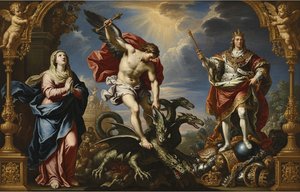
The Dramatic Flourish: Exploring Themes of Power, Faith & Emotion in Baroque Artworks
Explore the dramatic world of Baroque art! Discover masters like Zurbarán & the powerful influence of religious zeal on painting techniques. Expert insights for collectors and enthusiasts.
The Subdued Radiance of Pastel Palettes: Exploring Emotional Resonance in Art History
Explore the emotional power of pastel palettes in art history! Discover Impressionism, Post-Impressionism & color psychology insights. Find museum-quality reproductions at OriginalUniqueArt.

The Revival of Antiquity: Exploring the Ideals & Innovations of Neoclassical Art
Explore the revival of classical art with our deep dive into Neoclassicism! Discover key artists like Jacques-Louis David, Enlightenment influences & lasting impact on art history. Learn more now.

Топ-10 шедевров голландского барокко: искусство для вашего интерьера от OriginalUniqueArt.com
Погрузитесь в мир голландского барокко! От Рембрандта до Вермеера – 10 шедевров, изменивших искусство. Узнайте истории создания и технику великих мастеров. Репродукции картин высочайшего качества для вашего интерьера на OriginalUniqueArt.com.

