 Предпросмотр
 Поделиться
 Поделиться
 Детали произведения

 Скачать
 Похожие работы
 Рентгенография
 Слайд-шоу
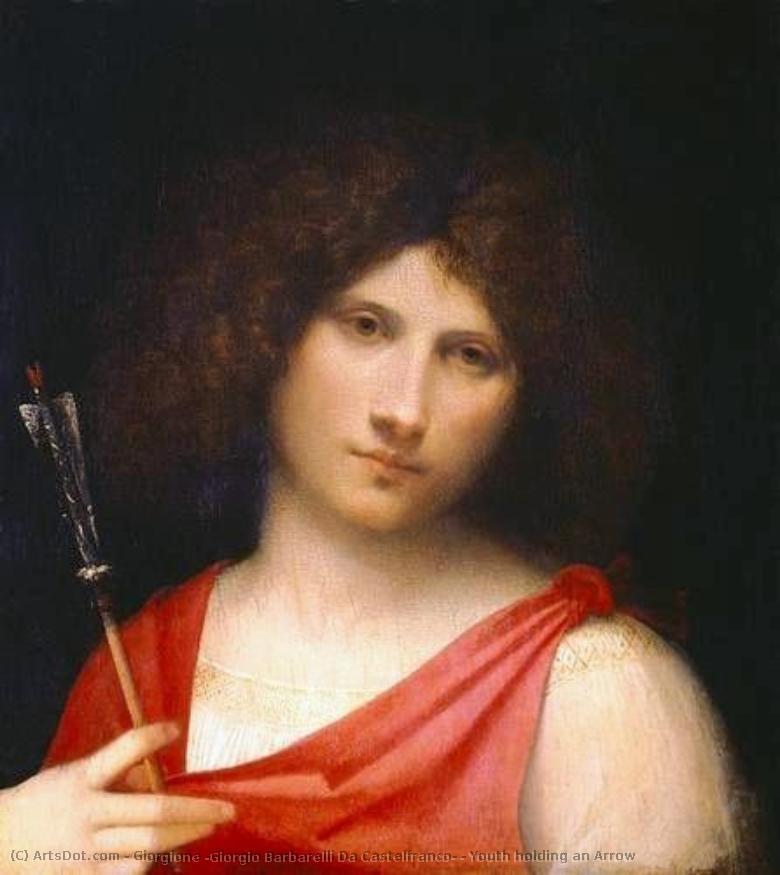
Youth holding an Arrow
 Acrylic On Canvas
- WallArt
- High Renaissance
 1505
1505 48.0 x 42.0 cm
 Музей истории искусств (Вена)
 Читать далее
Жикле / Арт-принт
Печать (жикле) или холст музейного качества с быстрыми сроками изготовления и широким выбором вариантов отделки. ( Купить картину ручной работы Купить изображение)




P118B $10

P118H $10

P118W $10

P438Z $10

P508JH $12

P508YH $12

P805H $10

P805Z $10

P919BZ $10

P919G $10

P919XJ $10

P959ZH $10

P968JZ $12

W106C $8

W218G $10

W218JH $8

W218Y $10

W307PJ $10

W316G $10

W316PJ $8

W316Y $10

W398PJ $8

W4111J $10

W500HY $15

W500JH $15

W692G $12

W849H $8

W940BG $15

W953PJ $8




Выберите один из наших стандартных размеров, соответствующих оригинальным пропорциям произведения искусства.

Вы можете указать свои собственные размеры, чтобы репродукция идеально подошла под конкретную раму или пространство. Если выбранный вами размер не будет соответствовать пропорциям оригинала, мы либо обрежем произведение, либо дополним изображение зеркальным отражением краев или однотонной заливкой. Перед началом производства вам будет отправлен цифровой макет для утверждения.
Пожалуйста, обратите внимание, что предварительный просмотр на экране не отображает фактическую обрезку или расширение изображения. Только макет точно покажет финальную композицию.
Несмотря на возможность заказа индивидуальных размеров, мы рекомендуем выбирать размер из предопределенного списка, чтобы сохранить оригинальные пропорции.
Доставка по всему миру () за 2 недели вместо стандартных 4/5 недель. (19 Август)

Бесплатная экспресс-доставка по всему миру

Высококачественный льняной холст

Полное страхование доставки

Гарантия возмещения таможенных пошлин

Гарантия точного соответствия цветов

Политика возврата в течение 60 дней (только при наличии дефектов)

Гарантия возврата 100% средств

Предложение оптовых скидок
 Вариант со стеклом доступен только для размеров менее 110 см

Youth holding an Arrow
Жикле / Арт-принт
Размер репродукции
-


Итоговая стоимость
$ 80
Описание предмета коллекционирования
A Portrait of Contemplation: Giorgione’s ‘Youth Holding an Arrow’
Giorgio Barbarelli da Castelfranco, known universally as Giorgione, remains a figure shrouded in artistic enigma—a master whose brief but brilliant career defied easy categorization and cemented his place among the titans of Renaissance painting. Born around 1477 or 1478 in Castel Franco Veneto, near Venice, his life tragically curtailed by illness at just thirty-two or thirty-three, yielded an oeuvre remarkably sparse yet profoundly influential. Unlike many artists of his era whose biographies are painstakingly documented, Giorgione’s story unfolds from fragments—the astute observations of Giorgio Vasari, coupled with scholarly speculation—suggesting a man deeply rooted in the vibrant intellectual and artistic currents of Venetian society. He honed his craft under Giovanni Bellini, Venice's foremost painter, absorbing the established traditions before embarking on an independent trajectory marked by innovation and a singular sensitivity to beauty. This formative apprenticeship instilled within him a profound understanding of perspective and color theory—elements that would become hallmarks of his distinctive style.- Subject Matter: The painting depicts a young man—likely idealized—holding an arrow in his right hand, gazing intently at the viewer with a solemn expression. Two additional figures stand behind him, adding depth to the composition and hinting at a narrative beyond mere portraiture.
- Style: Giorgione’s work embodies the High Renaissance aesthetic, prioritizing harmony, balance, and psychological realism. It eschews dramatic gestures or overtly emotive poses, favoring instead a quiet contemplation that invites viewers into the inner life of the subject.
Technique and Artistic Innovation – The Power of Sfumato
Giorgione’s mastery lay not merely in capturing likeness but in achieving an ethereal quality—a technique he termed “sfumato,” derived from the Italian word for smoke. This revolutionary approach involved layering translucent glazes over pigment, creating subtle gradations of tone and color that blurred outlines and softened contours. Unlike earlier artists who sought to render forms with sharp precision, Giorgione prioritized atmospheric perspective, conveying a sense of depth and luminosity that surpassed anything seen before. The meticulous brushwork—almost invisible to the naked eye—allowed him to capture not just what was visible but also what *felt* like it—a feat achieved through painstaking observation and artistic intuition. This technique is particularly evident in the rendering of the drapery, which appears to shimmer with an inner radiance, contributing significantly to the painting’s overall mood.- Material: The artwork was executed on wood panel using oil paint – a medium favored by Venetian artists during this period for its ability to produce rich colors and durable surfaces.
- Color Palette: Giorgione employed a restrained palette dominated by muted reds, browns, and greens—colors that evoke the Tuscan landscape and imbue the scene with an air of serenity and melancholy.
Historical Context and Symbolic Resonance
Painted around 1505 during the zenith of Venetian artistic achievement, ‘Youth Holding an Arrow’ reflects the humanist ideals prevalent at the time—a fascination with human psychology and a belief in the power of beauty to elevate the soul. The arrow itself is laden with symbolic significance; it represents courage, precision, and aspiration – qualities attributed to young men embarking on their journey toward maturity. Simultaneously, the darkened background serves as a foil to the luminous figure, emphasizing his presence and inviting contemplation about inner reflection and moral fortitude. Giorgione’s work aligns seamlessly with the broader artistic movement of its time, demonstrating an unwavering commitment to capturing not just visual reality but also emotional truth—a legacy that continues to inspire artists and collectors alike.Emotional Impact – A Moment Frozen in Time
Ultimately, ‘Youth Holding an Arrow’ transcends mere representation; it communicates a profound sense of stillness and introspection. The young man's gaze directs the viewer inward, prompting reflection on themes of vulnerability, resolve, and the pursuit of wisdom. Giorgione’s masterful use of sfumato creates an atmosphere of quiet contemplation—a testament to his ability to convey complex emotions through subtle visual cues. It is a painting that lingers in the memory long after viewing, reminding us of the enduring power of art to illuminate the human condition and capture fleeting moments of beauty and grace.Биография художника
Giorgione (1477/8-1510): Venetian Enigma
Giorgio Barbarelli da Castelfranco, known to the world as Giorgione, remains one of the most elusive and captivating figures in Renaissance art. Born in the small town of Castel Franco Veneto near Venice around 1477 or 1478 – the exact year is debated – his tragically short life, ending around 1510 at the age of thirty-two or thirty-three, belies an artistic impact that continues to resonate centuries later. Unlike many of his contemporaries whose lives are well documented, Giorgione’s story is shrouded in mystery, pieced together from scant historical records and the often romanticized accounts of Giorgio Vasari. What we do know suggests a man deeply immersed in the vibrant culture of Venice, a city that fostered both artistic innovation and a sensual appreciation for beauty. He likely apprenticed under Giovanni Bellini, a leading Venetian painter, absorbing the established traditions before forging his own unique path. Early commissions included portraits of prominent figures like Doge Agostino Barbarigo, demonstrating an immediate talent for capturing likeness and status. However, it was in his departure from conventional subject matter and his revolutionary approach to painting that Giorgione truly distinguished himself.Early Life and Artistic Training
Giorgio Barbarelli’s origins are relatively obscure. He was born into a family of modest means in Castel Franco Veneto, a region known for its textile industry and burgeoning artistic patronage. While precise details about his childhood remain elusive, Vasari recounts that Giorgione received an excellent education, primarily thanks to the generosity of his father who recognized his innate talent. Crucially, he began his artistic training under Giovanni Bellini, arguably Venice’s most influential painter at the time. Bellini's workshop served as a crucible for Venetian artistic sensibilities, emphasizing meticulous observation and mastering traditional techniques—particularly *sfumato*, a subtle blending of tones that creates atmospheric depth and softens outlines. This formative experience instilled in Giorgione a profound understanding of Venetian painting conventions while simultaneously nurturing his desire to transcend them.A Painter's Breakthrough: Style and Innovation
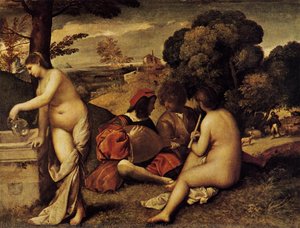
Giorgione’s artistic style marked a significant break from the Florentine emphasis on linear perspective and precise draftsmanship, which dominated the early Renaissance. He championed color, atmosphere, and an evocative moodiness that became hallmarks of the Venetian school. His technique involved softening outlines, employing subtle gradations of tone – *sfumato* – to create atmospheric effects, and prioritizing overall harmony over meticulous detail. This wasn’t merely a technical choice; it reflected a fundamentally different artistic sensibility. Giorgione sought not to replicate reality but to capture its essence, its fleeting emotions, and its poetic resonance. His paintings often feature enigmatic subjects and ambiguous narratives, inviting viewers into a world of contemplation rather than offering clear-cut stories. The Tempest, perhaps his most famous work, exemplifies this perfectly. The scene – a soldier and a nursing mother amidst a stormy landscape – has baffled art historians for centuries, its meaning remaining tantalizingly out of reach. Similarly, Pastoral Concert (Fête champêtre) presents an idyllic gathering of musicians in a pastoral setting, celebrated not for any specific narrative but for its harmonious composition and lyrical quality. These works weren’t intended to be puzzles to solve; they were meant to evoke feelings, moods, and a sense of wonder.Notable Works and Artistic Legacy
Giorgione's oeuvre is remarkably small compared to his contemporaries, yet each painting possesses an unparalleled beauty and psychological depth. Among his most celebrated masterpieces are:- The Tempest (c. 1506-1508):This monumental canvas captures the drama of a storm-swept landscape with breathtaking subtlety. The masterful use of *sfumato* creates an ethereal atmosphere, conveying both visual splendor and profound emotional resonance.
- Pastoral Concert (Fête champêtre) (c. 1509):Considered one of the earliest examples of Venetian pastoral painting, this idyllic scene celebrates harmony and beauty through luminous color palettes and carefully balanced compositions.
- Sleeping Venus (c. 1510):A sensual depiction of Aphrodite resting on a barge, *Sleeping Venus* showcases Giorgione’s unparalleled skill in capturing the delicate nuances of flesh tone and conveying an aura of serene contemplation.
- Judith (1504):This dramatic portrayal of Judith slaying Holofernes demonstrates Giorgione's ability to infuse biblical narratives with psychological complexity and emotional intensity.

Джорджоне
1477 - 1510 , Италия
Основные сведения
- Artistic Movement Or Style: Высокое Возрождение, венецианская школа
- Artists Or Movements Influenced By This Artist: ['Тициан']
- Artists Who Influenced This Artist:
- Джованни Беллини
- Мантенья
- Date Of Birth: 1477/78 или 1473/74
- Date Of Death: 1510
- Full Name: Giorgio Barbarelli da Castelfranco
- Nationality: Итальянский
- Notable Artworks:
- Закат
- Венера в пастушеской роще
- Темпэст
- Place Of Birth: Кастель Франко Венеция
Похожие статьи

Giorgione: Enigma and Innovation in Early Venetian Renaissance Painting
Explore the enigmatic world of Giorgione, a pivotal figure in the Venetian Renaissance. Discover his innovative techniques, iconic paintings like 'The Tempest', and lasting influence on art history. Learn more at OriginalUniqueArt.
Venetian Renaissance: The Golden Age of Color, Light, and Luminous Artistry
Embark on a journey through the Venetian Renaissance. Discover how masters like Giorgione and Titian revolutionized art through luminous color and light. Explore the profound legacy of the Venetian School and its enduring influence on the world of fine art.

Venetian Renaissance: The Mastery of Color, Light, and the Art of Colorito
Explore the luminous mastery of the Venetian Renaissance. Discover how masters like Titian and Giorgione revolutionized art through colorito, light, and atmosphere. An expert guide to the golden age of Italian painting for collectors and enthusiasts.

The Golden Light of Innovation: Exploring the Venetian Renaissance Art Movement (1430–1580)
Explore the Golden Age of Venetian art (1430–1580). Discover Giorgione, Titian & Tintoretto's techniques, the 'colorito' revolution, and lasting influence. Expert insights for collectors & enthusiasts.
Топ-25 шедевров Тинторетто: Венецианская драма и свет в вашем интерьере
Погрузитесь в мир драматизма и света с 25 шедеврами Тинторетто! Узнайте историю создания легендарных картин эпохи Возрождения. Репродукции высокого качества для вашего интерьера на OriginalUniqueArt.com.