- Главная

- Печать на холсте
- gilbert stuart newton
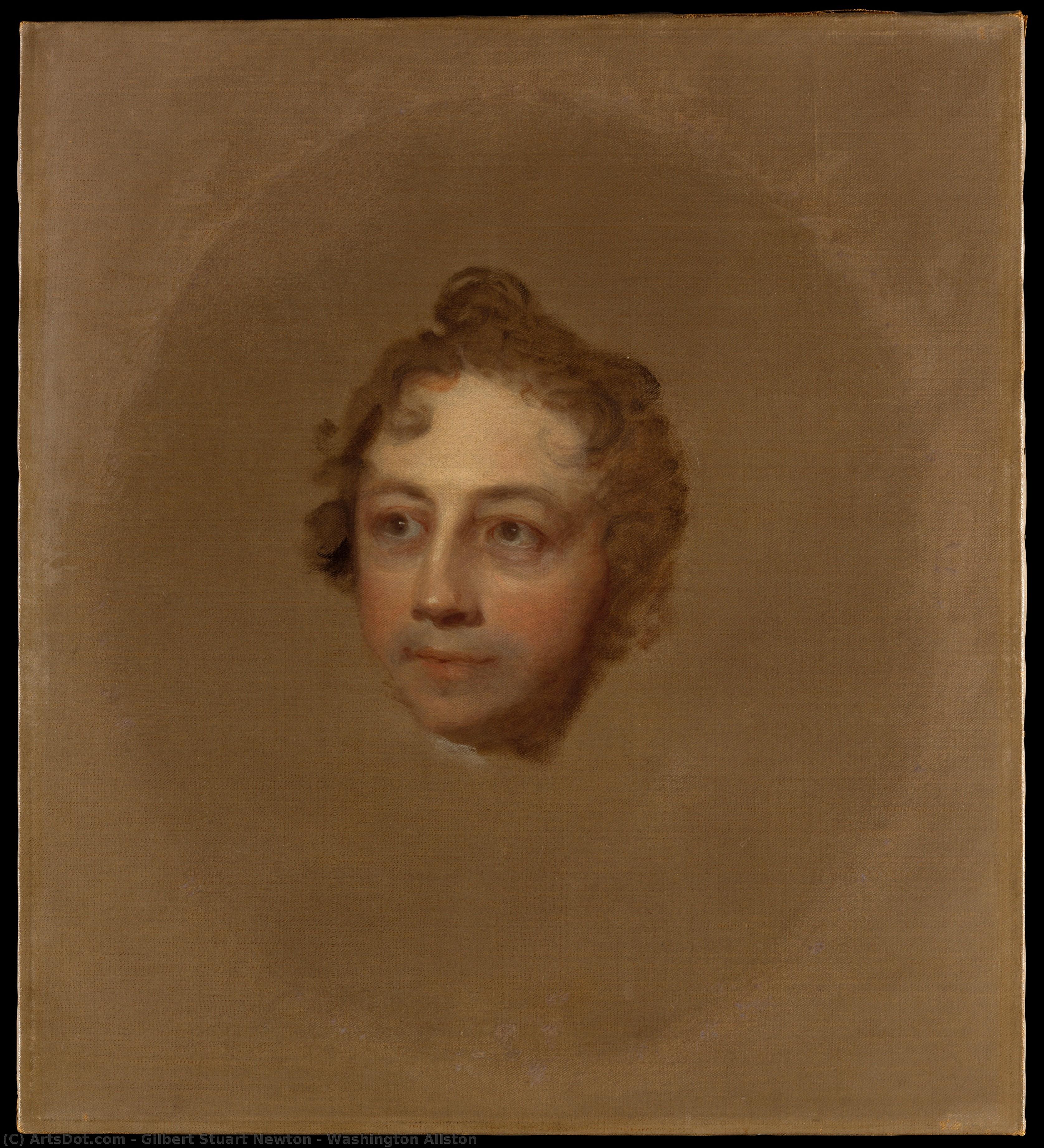
- Washington Allston
 Заказать репродукцию Купить цифровое изображение
 Поделиться
 Поделиться
 Детали произведения
 Добавить в избранное

 Скачать
 Похожие работы
 Рентгенография
 Слайд-шоу
Washington Allston
 Acrylic On Canvas
- WallArt
- Neoclassical
 1819
1819 61.0 x 55.0 cm
 Музей Метрополитен
 Читать далее
Жикле / Арт-принт
Печать (жикле) или холст музейного качества с быстрыми сроками изготовления и широким выбором вариантов отделки.




P118B $10

P118H $10

P118W $10

P438Z $10

P508JH $12

P508YH $12

P805H $10

P805Z $10

P919BZ $10

P919G $10

P919XJ $10

P959ZH $10

P968JZ $12

W106C $8

W218G $10

W218JH $8

W218Y $10

W307PJ $10

W316G $10

W316PJ $8

W316Y $10

W398PJ $8

W4111J $10

W500HY $15

W500JH $15

W692G $12

W849H $8

W940BG $15

W953PJ $8




Выберите один из наших стандартных размеров, соответствующих оригинальным пропорциям произведения искусства.

Вы можете указать свои собственные размеры, чтобы репродукция идеально подошла под конкретную раму или пространство. Если выбранный вами размер не будет соответствовать пропорциям оригинала, мы либо обрежем произведение, либо дополним изображение зеркальным отражением краев или однотонной заливкой. Перед началом производства вам будет отправлен цифровой макет для утверждения.
Пожалуйста, обратите внимание, что предварительный просмотр на экране не отображает фактическую обрезку или расширение изображения. Только макет точно покажет финальную композицию.
Несмотря на возможность заказа индивидуальных размеров, мы рекомендуем выбирать размер из предопределенного списка, чтобы сохранить оригинальные пропорции.
Доставка по всему миру () за 2 недели вместо стандартных 4/5 недель. (22 Июль)

Бесплатная экспресс-доставка по всему миру

Высококачественный льняной холст

Полное страхование доставки

Гарантия возмещения таможенных пошлин

Гарантия точного соответствия цветов

Политика возврата в течение 60 дней (только при наличии дефектов)

Гарантия возврата 100% средств

Предложение оптовых скидок
 Вариант со стеклом доступен только для размеров менее 110 см

Washington Allston
Жикле / Арт-принт
Размер репродукции
-


Итоговая стоимость
-
Описание предмета коллекционирования
A Study in Shadow and Sentiment: Unveiling Silas Blackwood
Silas Blackwood, painted circa 1832 by Gilbert Stuart Newton, isn’t merely a portrait; it's an immersion into the melancholic heart of early Romanticism. The canvas, measuring a modest 61 x 55 centimeters, holds within its depths a figure both strikingly familiar and profoundly unsettling – Silas Blackwood himself, a prominent Boston merchant known for his quiet philanthropy and rumored eccentricities.
Newton’s technique is immediately arresting. He eschews the crisp, idealized realism favored by earlier portraitists, opting instead for a deliberately muted palette dominated by deep browns, slate greys, and hints of bruised violet. This isn't an attempt to flatter; rather, it reflects the prevailing mood of introspection and disillusionment that characterized the era. The brushstrokes are loose and expressive, particularly in the rendering of Blackwood’s clothing – heavy velvet and dark wool – which seem to absorb light rather than reflect it. Notice how Newton utilizes scumbling techniques, layering thin washes of paint to create a sense of texture and depth, mimicking the folds of fabric and the subtle shadows that dance across Blackwood's face.
The Language of the Gaze: Symbolism in Detail
Blackwood’s gaze is the painting’s most compelling element. He isn’t looking *at* the viewer; he’s looking *through* them, as if contemplating a distant memory or an unfulfilled longing. His eyes, shadowed and slightly hooded, hold a profound sadness—a quiet grief that seems to permeate the entire composition. The inclusion of a single, wilting rose in his left hand is particularly potent. Roses have long been associated with love, beauty, and mortality; its drooping petals suggest both lost affection and the inevitable decay of all things beautiful. The dark, almost oppressive background—a suggestion of a rain-swept Boston street at twilight—further reinforces this sense of melancholy.
Newton’s choice to depict Blackwood seated before a partially obscured window is also significant. The light filtering through the glass casts an ethereal glow upon his face, yet it simultaneously highlights the darkness within him. This juxtaposition speaks to the duality inherent in human nature—the capacity for both great kindness and profound sorrow. The subtle inclusion of a closed book resting on the table beside him hints at Blackwood’s intellectual pursuits, suggesting a mind preoccupied with contemplation and perhaps even regret.
A Window into the Romantic Soul
Painted during a period of intense social and political upheaval—the aftermath of the War of 1812 and the rise of industrialization—Newton's portrait reflects the broader anxieties and uncertainties of the era. The Romantic movement, with its emphasis on emotion, imagination, and the sublime beauty of nature, was gaining momentum, and Newton’s work embodies these ideals perfectly. He wasn’t simply documenting a man; he was attempting to capture the *essence* of Blackwood's inner life—his vulnerabilities, his dreams, and his unspoken sorrows.
Furthermore, Newton’s decision to portray Blackwood in a relatively informal pose – seated rather than rigidly upright – suggests a desire to break away from the traditional conventions of portraiture. This reflects the Romantic movement’s rejection of formality and its embrace of spontaneity and emotional expression. The painting serves as a poignant reminder that even within the confines of a formal portrait, an artist can convey a wealth of information about his subject's character and inner world.
Collecting a Legacy: Reproduction and Beyond
Reproductions of “Silas Blackwood” offer a remarkable opportunity to experience Newton’s masterful technique and evocative imagery. The subtle nuances of color, the expressive brushstrokes, and the profound emotional depth of the portrait are all faithfully captured in high-resolution prints. Whether displayed in a private study or incorporated into a larger collection, this painting continues to resonate with viewers today—a testament to Newton’s artistic skill and his ability to capture the complexities of the human spirit.
Биография художника
Gilbert Stuart Newton: Life & Legacy
Early Life and Family Background
- Birth and Origins: Gilbert Stuart Newton was born on September 2, 1795, in Halifax, Nova Scotia. He was the youngest of twelve children.
- Family Connections: His father, Henry Newton, was a customs official, and his mother, Ann, held a significant artistic lineage – she was the daughter of Gilbert Stuart, the renowned American portrait painter.
- Early Years & Return to America: The family initially resided in Boston but returned to Charlestown near Boston in 1803 following his father’s death.
Artistic Training and Influences
- Initial Path & Uncle's Guidance: Though initially intended for a commercial career, Newton was apprenticed to his uncle, Gilbert Stuart, marking the beginning of his artistic journey.
- European Studies: He traveled to Europe with an elder brother and studied painting in Florence. Later visits to Paris (1817) introduced him to artists like Charles Robert Leslie, Washington Allston, and David Wilkie.
- Royal Academy & Formal Training: Newton continued his education at the Royal Academy in London after a period spent in the Netherlands.
Artistic Style and Major Themes
- Romantic Sensibilities: Newton’s work is generally categorized within the Romantic movement, characterized by emotional intensity and dramatic narratives.
- Literary & Poetic Inspirations: He became particularly known for paintings inspired by literature and poetry. Subjects drawn from works like *Don Quixote* and Shakespeare were prominent in his oeuvre.
- Portraiture & Genre Scenes: While he painted portraits, including those of notable figures such as Washington Irving, Newton also excelled in genre scenes depicting moments from literary narratives.
Key Achievements and Recognition
- Royal Academy Affiliation: Newton was elected an Honorary Academician of the National Academy of Design (1827), an Associate of the Royal Academy (1829), and a full Academician in 1832.
- Exhibitions & Patronage: He regularly exhibited at the Royal Academy from 1818 onwards, gaining recognition and attracting patrons like the Marquis of Lansdowne.
- Public Collections: His works found their way into prominent public collections, including the National Gallery and the South Kensington Museum (now V&A).
Later Life and Legacy
- Mental Health & Final Years: Shortly after his election to the Royal Academy, Newton began to suffer from mental illness. He was admitted to an asylum at Chelsea where he continued to paint until his death on August 5, 1835.
- Burial Site: He is buried in St Mary’s Church Wimbledon, London.
- Historical Significance: Though overshadowed by his uncle Gilbert Stuart, Newton carved a niche for himself as a skilled and imaginative artist of the Romantic period. His literary-inspired paintings offer insights into the cultural tastes and artistic trends of 19th-century Britain.

gilbert stuart newton
1795 - 1835
Основные сведения
- Birth_Date: 1795
- Birth_Place: Halifax, Nova Scotia
- Death_Date: 1835
- Influenced_By: Gilbert Stuart (uncle)
- Movement: Romanticism
- Name: Gilbert Stuart Newton
- Nationality: British
- Notable_Works:
- Don Quixote in his Study
- Captain Macheath upbraided by Polly and Lucy
- Yorick and the Grisette
- The Window or the Dutch Girl
- Portia and Bassanio
Похожие статьи
Alice Pike Barney: A Life Painted in Impressionism & Washington Society
Explore the life & art of Alice Pike Barney, a pioneering American Impressionist painter who defied convention and fostered Washington D.C.'s vibrant arts scene. Discover her unique style, portraits, and lasting legacy.
От селфи к студийному портрету: Современная трансформация личной фотографии в масляной живописи
Превратите любимые фотографии в уникальные произведения искусства! Закажите портрет маслом от профессиональных художников с гарантией качества и индивидуальным подходом. Создайте вечную ценность!
Топ-10 шедевров масляной живописи, изменивших искусство навсегда | OriginalUniqueArt.com
Погрузитесь в мир великих шедевров масляной живописи! От Леонардо да Винчи до Ван Гога – узнайте истории создания самых известных картин, техники художников и их влияние на искусство. Репродукции музейного качества на OriginalUniqueArt.com. Explore the full collection online!
Масло против Печати: Художественная Ценность и Долговечность Ручной Живописи в Эпоху Цифровых Репродукций
OriginalUniqueArt – ручная живопись на заказ и эксклюзивные репродукции картин маслом. Создайте шедевр для вашего дома! Гарантированное качество, индивидуальный подход и бесплатная консультация.

From Snapshot to Legacy: The Art of Commissioning a Hand-Painted Reproduction from Photography – Preserving Memories Through Oil Painting Techniques
Transform cherished photos into timeless oil paintings with skilled artists. Trusted for bespoke portraits & heirloom art. Discover the process, styles & lasting value – a legacy preserved.

