

 Примерить в интерьере
 Отправить
 Поделиться
 Подробнее
 Руководство

 Скачать
 Похожие объекты
 Рентгенография
 Слайд-шоу
 Q&A
Q&A Статистика
Mountain Landscape with a Windmill
 Oil On Canvas
- WallArt
- Post-Impressionism
 26.0 x 35.0 cm
 Национальный фонд Великобритании
 Развернуть текст
Произведение искусства, представленное на этой странице, защищено законом об авторском праве, что исключает возможность законного создания или продажи его точной репродукции. Данная защита обеспечивается международными соглашениями, такими как Бернская конвенция и национальным законодательством, включая положения, изложенные в Закон США об авторском праве — Раздел 17.
В качестве достойной и законной альтернативы мы предлагаем авторские картины ручной работы, вдохновленные оригиналом. Наши опытные профессиональные художники тщательно изучают стиль, настроение и художественную суть оригинала, чтобы создать новое, уникальное произведение, которое вызывает те же чувства, оставаясь при этом самостоятельным оригинальным творением.
Этот метод полностью соответствует нормам авторского права, так как он не предполагает копирования или дублирования защищенного произведения. Напротив, это творческая реинтерпретация — создание новой картины, которая вдохновлена оригиналом, но не является его точной копией.
Масляная репродукция ручной работы
Картина маслом на холсте в выбранном вами размере и раме, написанная на заказ нашими художниками. ( Переключиться на печать Перейти к цифровым изображениям)




P118B $10

P118H $10

P118W $10

P438Z $10

P508JH $12

P508YH $12

P805H $10

P805Z $10

P919BZ $10

P919G $10

P919XJ $10

P959ZH $10

P968JZ $12

W106C $8

W218G $10

W218JH $8

W218Y $10

W307PJ $10

W316G $10

W316PJ $8

W316Y $10

W398PJ $8

W4111J $10

W500HY $15

W500JH $15

W692G $12

W849H $8

W940BG $15

W953PJ $8




Выберите один из наших стандартных размеров, соответствующих оригинальным пропорциям произведения искусства.

Введите необходимую ширину и высоту, чтобы репродукция подошла к вашей раме или стене. Поскольку работа выполняется вручную, при изменении пропорций художник может немного увеличить область вокруг картины или, наоборот, обрезать края — выбор за вами. Перед началом работы мы пришлем вам цифровой макет на утверждение. Изображение на этой странице не является точным результатом — увидеть реальный вид можно только на макете.
После оформления заказа команда OriginalUniqueArt.com свяжется с клиентом по электронной почте для уточнения деталей и предоставит предварительный макет
Доставка по всему миру () за 3–4 недели вместо стандартных 5 недель. (28 Октябрь). Без компромиссов в качестве.

Бесплатная экспресс-доставка по всему миру

Высококачественный льняной холст

Полное страхование при транспортировке

Гарантия возврата таможенных пошлин

Гарантия точного цветового соответствия

100-дневный период возврата (только при обнаружении дефектов)

Гарантия возврата 100% средств

Скидка при заказе нескольких работ
 Вариант со стеклом доступен только для размеров менее 110 см

Mountain Landscape with a Windmill
Материал репродукции
Размер репродукции
-


Итоговая стоимость
$ 300
A Vision of the English Countryside: Gilbert Spencer’s ‘Mountain Landscape with a Windmill’
Gilbert Spencer's “Mountain Landscape with a Windmill” isn’t merely a depiction of a rural scene; it’s an immersion into the heart of late 19th-century England. Painted around 19XX, this artwork captures a quintessential moment in time – a quiet afternoon bathed in diffused light, dominated by the steadfast presence of a traditional windmill against a backdrop of rolling hills and verdant fields. Spencer, deeply rooted in his native Cookham, eschewed grand narratives or dramatic events, instead focusing on the subtle beauty of everyday life and the enduring connection between humanity and nature. The painting speaks to a sense of tranquility and timelessness, inviting the viewer into a world where the rhythms of rural existence are both comforting and profoundly evocative.
Fauvist Echoes and Post-Impressionist Sensibilities
Spencer’s artistic approach is immediately recognizable as a synthesis of Fauvist and Post-Impressionist influences. The bold, unblended brushstrokes—a hallmark of the Fauvist movement—create a vibrant energy within the landscape, injecting color with an almost impulsive quality. Yet, these energetic marks are tempered by the more considered techniques of Post-Impressionism, evident in the careful observation of light and form. The colors aren’t realistic representations of nature; instead, they're emotionally charged – deep greens, ochres, and blues conveying a sense of atmosphere and mood rather than precise detail. The simplified forms of the windmill and hills contribute to this stylized effect, prioritizing expressive power over strict adherence to photographic accuracy.
The Symbolism of Industry and Nature
The prominent windmill itself is more than just a picturesque element; it’s a potent symbol. In rural England, windmills represented both industry – the grinding of grain, the harnessing of natural energy – and a connection to the land. Spencer masterfully balances these dualities, presenting the windmill not as a machine imposing itself upon nature, but as an integral part of its landscape. The surrounding hills, bathed in soft light, suggest a harmonious relationship between human endeavor and the natural world. The composition invites contemplation on themes of tradition, progress, and the enduring spirit of rural life.
A Legacy of English Realism
Gilbert Spencer’s “Mountain Landscape with a Windmill” stands as a testament to his commitment to realism while embracing innovative artistic techniques. His work reflects a deep understanding of the English countryside—a landscape he loved and meticulously observed throughout his life. As a brother to the renowned Stanley Spencer, Gilbert forged his own distinct path, prioritizing clarity, directness, and an honest portrayal of everyday life. This painting exemplifies his ability to capture not just the visual appearance of a scene but also its emotional resonance, solidifying his place as a key figure in British art history. Reproductions offer a beautiful way to bring this evocative landscape into your home or office, allowing you to experience the tranquility and timeless beauty of rural England.
Вопросы и ответы
Можно ли приобрести «Mountain Landscape with a Windmill» в виде художественной репродукции?
Принт работы «Mountain Landscape with a Windmill», Гилберт Спенсер можно заказать прямо на её странице Художественная печать: художественная печать на хлопковом холсте или архивной холст-бумаге.
Какое чувство вызывают цвета «Mountain Landscape with a Windmill», Гилберт Спенсер?
Палитра Neutrals в работе «Mountain Landscape with a Windmill», Гилберт Спенсер гармонирует с её Tranquil эмоциональным настроем. Цвет — это один из способов, с помощью которых произведение передает чувства.
Под какими еще именами известен Гилберт Спенсер?
Гилберт Спенсер также известен как Gilbert Spencer.
Биография художника
Жизнь, укорененная в английской земле: мир Гилберта Спенсера
Гилберт Спенсер, родившийся 4 августа 1892 года в идиллической деревушке Куокхем, Великобритания, был художником, чья душа была глубоко созвучна ритмам и нюансам английской жизни. Он прожил до 1979 года, оставив после себя наследие, которое тихо, но мощно улавливает саму суть пейзажей и людей его страны. Будучи восьмым из одиннадцати детей в большой семье, где отец — органист и учитель — привил ему любовь к музыке, Спенсер рос в скромных условиях, но в атмосфере богатого интеллектуального стимулирования. Это воспитание сформировало ту чуткость, которая впоследствии определила его художественное видение. Пожалуй, самой значимой семейной связью была связь с его младшим братом, сэром Стэнли Спенсером, прославленным живописцем, чей самобытный стиль часто становился поводом для сравнений; однако Гилберт проложил собственный путь, с непоколеблемой преданностью реализму и уникальной личной интерпретацией окружающего мира. Несмотря на то, что финансовые трудности ограничивали его формальное образование, живые беседы в семейном кругу стали бесценной заменой, взрастив любознательный ум, жаждущий исследования художественных форм.Годы становления и художественное пробуждение
Формальное обучение Спенсера началось в 1911 году в Школе искусств и ремесел Камбервелла, после чего последовало изучение резьбы по дереву в Королевском колледже искусств. Однако именно годы, проведенные в Лондонской школе изящных искусств Слейд (1913–1915), стали поистине поворотными. Там он попал под глубокое влияние Генри Тонкса, мастера рисунка, чье внимание к наблюдению и техническому мастерству наложило неизгладимый отпечаток на подход Спенсера к живописи. Он преуспел в Слейде, получив приз за академический рисунок в 1914 году и признание за свой амбициозный проект росписи — «Семь возрастов человека». Этот ранний успех предвещал талант к масштабным композициям, который позже проявится в его значимых монументальных работах. Помимо учебной программы, знакомство с «Блумсберийским кружком» через леди Оттолин Моррелл — видную покровительницу искусств и хозяйку поместья Гарсингтон — расширило его художественные горизонты и ввело его в живой интеллектуальный круг того времени. Этот ранний опыт заложил фундамент карьеры, характеризующейся как техническим совершенством, так так и глубокой вовлеченностью в культурные течения эпохи.Эволюция стиля и вечные темы
Творческое развитие Спенсера было отмечено поиском различных стилей, однако он неизменно возвращался к своей основной приверженности реализму. Его ранние пейзажи, такие как «Луг Сашес, Куокхем» (1914), обнаруживают влияние импрессионизма в деликатной работе со светом и цветом. Более поздние работы, подобные «Горному пейзажу с ветряной мельницей», демонстрируют принятие элементов фовизма и постимпенссионизма, характеризующихся более смелыми мазками и упрощенными формами. Тем не менее, Спенсер никогда полностью не оставлял своего стремления к точному изображению английской сельской местности и ее обитателей. Предмет его творчества неизменно вращался вокруг пейзажей, портретов, жанровых сцен и настенной росписи — и все это отражало глубокую связь с сельской Англией. Он обладал исключительной способностью запечатлеть тихое достоинство повседневности, наделяя даже самые обыденные сцены чувством красоты и значимости. Эта преданность изображению английской жизни с ясностью и прямотой стала визитной карточкой его художественной идентичности.Достижения и наследие
На протяжении всей своей карьеры Гилберт Спенсер добился значительного признания за свой вклад в британское искусство. Создание росписей в Холлиуэлл-Мэнор (1934–1936), повествующих о легенде основания Баллиол-колледжа, продемонстрировало его мастерство в крупномасштабной повествовательной живописи. Во время Второй мировой войны он служил официальным военным художником (1940–1943), документируя сцены военных учений и жизни тыла. Этот период предоставил уникальную возможность наблюдать и фиксировать влияние конфликта на английский ландшафт и людей. Талант Спенсера был дополнительно отмечен избранием в ассоциированные члены Королевской академии в 1950 году, а затем и полным членством в 1959 году. Он также вел выдающуюся преподавательскую деятельность, занимая профессорские должности в Королевском колледже искусств (1932–1948), Школе искусств Глазго (1948–1950) и Школе искусств и ремесел Камбервелла (1950–1957). Его опубликованные труды, включая автобиографию «Мемуары художника» (1974) и биографию своего брата Стэнли Спенсера (1961), предлагают ценное понимание его художественной философии и творческой динамики внутри семьи. К заметным работам относятся «Войска в сельской местности», которая прекрасно передает мирное сосуществование солдат и деревенской жизни; «Летний вечер на Дурдам-Даунс», драматическое изображение общественного собрания; и «Мальчик с кроликом» (1931), нежное воплощение детской невинности. Гилберта Спенсера помнят как значимого британского живописца, который запечатлел суть английской жизни с ясностью, прямотой и острым глазом к деталям. Его работы дают ценное представление о социальном и сельском ландшафте Англии XX века, а его наследие продолжает вдохновлять художников и любителей искусства. Он также сохраняет свою значимость как брат Стэнли Спенсера, помогая понять карьеры обоих художников в контексте их семейной истории.
Гилберт Спенсер
1892 - 1979 , Великобритания
Краткая справка
- Artistic Movement Or Style: Реализм
- Artists Or Movements Influenced By This Artist: ['Фовизм']
- Artists Who Influenced This Artist: ['Генри Тонкс']
- Date Of Birth: 4 августа 1892 г.
- Date Of Death: 14 января 1979 г.
- Full Name: Gilbert Spencer
- Nationality: британский
- Notable Artworks: ['Сэши Мью, Панорама Дорсетской равнины']
- Place Of Birth: Кокхэм, Великобритания
Похожие статьи
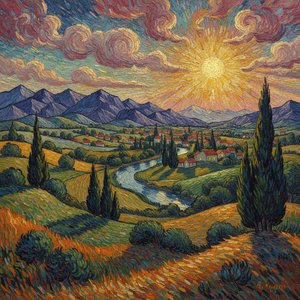
Beyond Impressionism: The Emotional Depth and Vibrant Evolution of Post-Impressionist Landscapes
Explore the profound evolution of Post-Impressionist landscapes. From Van Gogh's emotional brushwork to Cézanne's structural mastery, discover how these visionaries redefined art history through color and form in this expert guide for fine art enthusiasts.
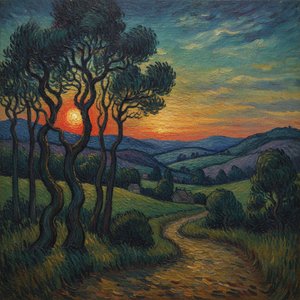
Beyond the Light: Capturing Raw Emotion and Subjective Vision in Post-Impressionist Landscapes
Explore the profound emotional depth of Post-Impressionist landscapes. Discover how masters like Van Gogh moved beyond light to capture raw human feeling through vibrant color and expressive texture in this expert art history retrospective.

Evocations of Place: A Historical Journey Through Landscape Art
Explore the rich history of landscape art with OriginalUniqueArt. Discover renowned artists, movements like Impressionism & Romanticism, and expert guidance for collecting timeless pieces. Find your perfect serene escape today!

25 Шедевров Поля Сезанна: Открывая Новую Эру в Искусстве | OriginalUniqueArt
Откройте для себя 25 величайших шедевров Поля Сезанна! Узнайте истории создания картин импрессионизма и постимпрессионизма, технику художника и вдохновение для вашего интерьера. Репродукции картин Сезанна высокого качества на OriginalUniqueArt.com.
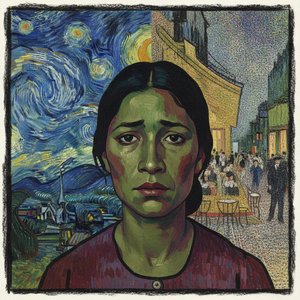
Beyond the Brush: How Post-Impressionism Recharged Modern Art with Bold Color and Raw Emotion
Dive into the high-energy revolution of Post-Impressionism. Discover how masters like Cézanne and Van Gogh traded fleeting light for bold colors and raw emotion, forever recharging modern art with the vibrant, structural intensity that defines today's most iconic visual aesthetics.
