Меню

() ·

A painting made for you, by hand

The Prodigal Son

Масляная репродукция ручной работы

Картина маслом на холсте в выбранном вами размере и раме, написанная на заказ нашими художниками. ( Переключиться на печать Перейти к цифровым изображениям)

Описание предмета

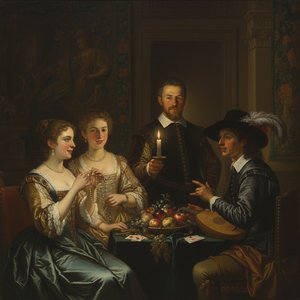
Experience the dramatic light and emotion of Gerard van Honthorst's "The Prodigal Son." A Baroque masterpiece depicting a biblical parable, showcasing rich detail & intense storytelling.

Биография художника

Герارد ван Хонторст – выдающийся голландский художник эпохи барокко, известный своими драматичными картинами с использованием светотени (кьяроскуро) и яркими портретами. Его работы отражают влияние Караваджо и стали важной частью искусства Нидерландов.

from ·

Chapter 1

How large should it be?

Slide to change the size; the picture on the left shows the frame at its real width. The proportions of the original are kept.

Стандартный размер
индивидуальный заказ
CM
INCH

Выберите один из наших стандартных размеров, соответствующих оригинальным пропорциям произведения искусства.

ширина
высота

Введите необходимую ширину и высоту, чтобы репродукция подошла к вашей раме или стене. Поскольку работа выполняется вручную, при изменении пропорций художник может немного увеличить область вокруг картины или, наоборот, обрезать края — выбор за вами. Перед началом работы мы пришлем вам цифровой макет на утверждение. Изображение на этой странице не является точным результатом — увидеть реальный вид можно только на макете.

Chapter 2

How should it arrive?

Choose the edges of the stretched canvas

Choose your frame

Corner sample of the WhiteWrap canvas edge finish, stretched on массив дерева bars
White $1
Corner sample of the BlurSideWrap canvas edge finish, stretched on массив дерева bars
Blurside $1
Corner sample of the ExtendedWrap canvas edge finish, stretched on массив дерева bars
Extended $1
Corner sample of the P118B picture frame: формованный полистирол, 5 cm wide and 3 cm thick
P118B $10
Corner sample of the P118H picture frame: формованный полистирол, 5 cm wide and 3 cm thick
P118H $10
Corner sample of the P118W picture frame: формованный полистирол, 5 cm wide and 3 cm thick
P118W $10
Corner sample of the P438Z picture frame: формованный полистирол, 5.5 cm wide and 3.5 cm thick
P438Z $10
Corner sample of the P508JH picture frame: формованный полистирол, 7 cm wide and 3.5 cm thick
P508JH $12
Corner sample of the P508YH picture frame: формованный полистирол, 7 cm wide and 3.5 cm thick
P508YH $12
Corner sample of the P805H picture frame: формованный полистирол, 5 cm wide and 3.5 cm thick
P805H $10
Corner sample of the P805Z picture frame: формованный полистирол, 5 cm wide and 3.5 cm thick
P805Z $10
Corner sample of the P919BZ picture frame: формованный полистирол, 7 cm wide and 3.5 cm thick
P919BZ $10
Corner sample of the P919G picture frame: формованный полистирол, 7 cm wide and 3.5 cm thick
P919G $10
Corner sample of the P919XJ picture frame: формованный полистирол, 7 cm wide and 3.5 cm thick
P919XJ $10
Corner sample of the P959ZH picture frame: формованный полистирол, 5 cm wide and 3 cm thick
P959ZH $10
Corner sample of the P968JZ picture frame: формованный полистирол, 6 cm wide and 4 cm thick
P968JZ $12
Corner sample of the W106C picture frame: массив дерева, 5 cm wide and 3 cm thick
W106C $8
Corner sample of the W218G picture frame: массив дерева, 5 cm wide and 3 cm thick
W218G $10
Corner sample of the W218JH picture frame: массив дерева, 5 cm wide and 3 cm thick
W218JH $8
Corner sample of the W218Y picture frame: массив дерева, 5 cm wide and 3 cm thick
W218Y $10
Corner sample of the W307PJ picture frame: массив дерева, 6 cm wide and 3 cm thick
W307PJ $10
Corner sample of the W316G picture frame: массив дерева, 6 cm wide and 3 cm thick
W316G $10
Corner sample of the W316PJ picture frame: массив дерева, 6 cm wide and 3 cm thick
W316PJ $8
Corner sample of the W316Y picture frame: массив дерева, 6 cm wide and 3 cm thick
W316Y $10
Corner sample of the W398PJ picture frame: массив дерева, 5 cm wide and 3 cm thick
W398PJ $8
Corner sample of the W4111J picture frame: массив дерева, 6.5 cm wide and 3.5 cm thick
W4111J $10
Corner sample of the W500HY picture frame: массив дерева, 7 cm wide and 5 cm thick
W500HY $15
Corner sample of the W500JH picture frame: массив дерева, 7 cm wide and 5 cm thick
W500JH $15
Corner sample of the W692G picture frame: массив дерева, 8 cm wide and 4 cm thick
W692G $12
Corner sample of the W849H picture frame: массив дерева, 5 cm wide and 3 cm thick
W849H $8
Corner sample of the W940BG picture frame: массив дерева, 7.5 cm wide and 4.5 cm thick
W940BG $15
Corner sample of the W953PJ picture frame: массив дерева, 6 cm wide and 3.5 cm thick
W953PJ $8
Corner sample of the H24-GOLD picture frame: резное дерево с левкасом, 10 cm wide and 6 cm thick
H24-GOLD $30
Corner sample of the H24-SILVER picture frame: резное дерево с левкасом, 10 cm wide and 6 cm thick
H24-SILVER $30
Corner sample of the H36-GOLD picture frame: резное дерево с левкасом, 15 cm wide and 6.5 cm thick
H36-GOLD $45
Corner sample of the H36-SILVER picture frame: резное дерево с левкасом, 15 cm wide and 6.5 cm thick
H36-SILVER $45
Предпросмотр в раме
В раме

Moulding: . Overall size with the frame: .

Chapter 3

Who paints it, and should anything change?

Examples of what can be changed: Replace face with customer photo; Add pet (e.g., replace cat with dog); Include hidden message in background; Change background landscape or elements.
After order, OriginalUniqueArt.com team will email client for instructions and provide a mockup preview

Доставка по всему миру () за 3–4 недели вместо стандартных 5 недель. (29 Октябрь). Без компромиссов в качестве.

Chapter 4

The finishing touches

A nameplate, as in a museum?

Детали гравировки на бронзовой плакетке

This elegant plaque features the artist's name and the title of the artwork, finely engraved for a timeless presentation.

It is made from bronze with a refined, elegant finish. The text is precisely laser-engraved for a sharp and permanent result. Measuring 9x2 cm, the plaque is compact yet easy to read. It's built to be durable and scratch-resistant, offering a professional, museum-quality look. Mounting is simple thanks to the included adhesive backing.

Информация об акриловой табличке

The plaque includes essential engraved details such as the artist's name, the title of the artwork, the date it was created, the type of media used-like oil on canvas or watercolor-a brief description of the piece, and a QR code that links to the complete artwork information.

It is crafted from clear acrylic, offering a sleek, modern appearance. The text is UV-engraved in black to ensure strong visual contrast. With a size of 10x15 cm, it ensures optimal readability. It comes equipped with two metal hooks for secure wall mounting. The plaque is designed to be weather-resistant, making it suitable for various environments, and it includes interactive features that work seamlessly with smartphone scanning.

Информация о чёрной акриловой табличке

This elegant plaque includes engraved information such as the artist's name, the title of the artwork, the date it was created, the type of media used (like oil on canvas or watercolor), a short description of the artwork, and a QR code for quick access to more information.

The plaque itself is made from refined black acrylic with a premium finish. The text is laser-engraved in white for high contrast and readability. Its size is 10x15 cm, designed to be easy to read. It comes with two metal hooks for professional mounting. The design is sleek and fits any interior style. It is also weather-resistant and durable, with built-in digital integration for mobile compatibility.

A protective varnish?

When do you need it?

Chapter 5

Your painting, as you ordered it

The Prodigal Son

Материал репродукции

Размер репродукции

-

Ведущий мастер элитного уровня

Более высокая детализация, изысканность и дополнительное время на создание работы

-

Рама для репродукции

-

-

Для произведений искусства или репродукций, размер которых превышает 105 см (приблизительно 41 дюйм) по любой из сторон, рама будет доставлена в разобранном виде (в виде комплекта). Этот метод обеспечивает безопасную доставку и предотвращает повреждения при транспортировке.

Требуется профессиональная сборка — это не продукт для самостоятельной сборки (DIY).
Комплект должен быть собран, а холст натянут опытным мастером по багетным рамам с использованием клеевого ПВА (не входит в комплект), струбцин для натяжки холста и зажимов, чтобы удерживать подрамник ровным до полного высыхания клея. Неправильная сборка или неравномерное натяжение холста могут привести к необратимому повреждению произведения искусства и не являются гарантийным случаем.

  • В комплект входят все бруски из массива дерева, точно вырезанные по размеру.

  • Собирается с помощью предоставляемых винтов, а также столярного клея для угловых соединений, который не входит в комплект и должен быть приобретен вашим мастером.

  • Требуются профессиональные инструменты, не входящие в комплект: щипцы для натяжки холста (натяжитель) и зажимы, чтобы удерживать рейки ровно во время высыхания клея.

Важно:
Для соединения углов требуется клей для дерева, перекладины необходимо зафиксировать струбцинами до полного высыхания клея, а для натяжки холста на собранную раму требуются щипцы для натяжки холста. Ни один из этих инструментов не входит в комплект. Пожалуйста, убедитесь в наличии опытного мастера по багетным работам перед заказом рамы такого размера.

Экспликация

-

-

Защитный лак

Глянцевый лак (насыщает цвета, защищает от воздействия света и влаги)

-

Настроить мою картину

Примеры возможных изменений: замена лица на фото клиента; добавление домашнего питомца (например, замена кошки на собаку); добавление скрытого сообщения на фоне; изменение пейзажа или элементов фона.

-

Срочно

Доставка по всему миру () за 3–4 недели вместо стандартных 5 недель. (29 Октябрь). Без компромиссов в качестве.

-

Экспресс-доставка

Доставка по всему миру () в течение 5 недель. (5 Ноябрь).

Включено

Итоговая стоимость

$ 300

Итоговая стоимость $ 300

Вариант со стеклом доступен только для размеров менее 110 см

Included with every order

  • Бесплатная экспресс-доставка по всему миру
  • Высококачественный льняной холст
  • Полное страхование при транспортировке
  • Гарантия возврата таможенных пошлин
  • Гарантия точного цветового соответствия
  • 100-дневный период возврата (только при обнаружении дефектов)
  • Гарантия возврата 100% средств
  • Скидка при заказе нескольких работ

A Dramatic Narrative of Redemption

Gerard van Honthorst’s “The Prodigal Son,” painted in 1622, isn't merely a depiction of biblical scripture; it’s a visceral exploration of familial love, repentance, and the transformative power of forgiveness. Captured with his signature mastery of light and shadow – earning him the evocative moniker "Gherardo delle Notti" (Gerard of the Nights) – Honthorst transports us to a scene brimming with emotional intensity. The painting immediately commands attention through its dramatic composition: a young man, clearly the prodigal son, stands in stark contrast to the somber, almost claustrophobic interior, his posture conveying both shame and burgeoning hope. The figures surrounding him—a comforting woman, a watchful old matchmaker, and the distant, yet undeniably loving, father – each contribute to a complex tapestry of relationships and unspoken emotions.

The Prodigal Son by Gerard van Honthorst

Baroque Drama and the Art of Chiaroscuro

Executed in the heart of the Baroque period, “The Prodigal Son” exemplifies the movement’s penchant for theatricality and emotional depth. Honthorst was deeply influenced by Caravaggio's revolutionary use of *tenebrism*, a technique that employs stark contrasts between light and dark to heighten drama and focus attention on key elements within the scene. Notice how the central figure is bathed in a warm, almost ethereal glow, while the background remains shrouded in shadow – this deliberate manipulation of light not only creates a sense of volume and depth but also symbolizes the son’s journey from darkness into enlightenment. The meticulous rendering of textures—the rough fabric of the man's clothing, the polished surface of the table, the folds of the woman’s garments—further enhances the painting’s realism and immersive quality.

  • Technique: Oil on canvas – a medium favored for its rich colors and ability to capture subtle nuances of light.
  • Style: Baroque – characterized by dramatic lighting, dynamic compositions, and emotional intensity.
  • Composition: A carefully orchestrated arrangement of figures designed to evoke empathy and contemplation.

A Symbolism Rich in Meaning

Beyond its narrative power, “The Prodigal Son” is laden with symbolic meaning. The dark room itself represents the son’s past life of indulgence and despair, while the table laden with fruit and dishes symbolizes abundance—a stark contrast to his current poverty. The old matchmaker, a figure often associated with temptation and moral decay, observes the scene with a knowing gaze, perhaps representing the societal judgment faced by the returning prodigal. The woman offering comfort embodies compassion and forgiveness, highlighting the father’s unwavering love despite his son's transgressions. The gesture of the father embracing his son is profoundly moving—a visual representation of unconditional acceptance and the restoration of familial bonds.

A Legacy of Artistic Influence

“The Prodigal Son” stands as a testament to Gerard van Honthorst’s artistic genius and his profound understanding of human emotion. His masterful use of light, shadow, and composition continues to resonate with viewers today, reminding us of the enduring themes of repentance, forgiveness, and the transformative power of love. Reproductions of this iconic work are available through OriginalUniqueArt.com, offering art enthusiasts a unique opportunity to own a piece of history and experience the emotional depth of this Baroque masterpiece firsthand. For further insights into Honthorst’s life and work, we encourage you to explore resources like Wikipedia and the Gerard Van Honthorst website.

Вопросы и ответы

Где я могу скачать «The Prodigal Son», Герхард ван Хонторст?

Изображение работы «The Prodigal Son», Герхард ван Хонторст можно скачать на странице Скачать: скачивание цифрового изображения в высоком разрешении.

Является ли произведение «The Prodigal Son», Герхард ван Хонторст общественным достоянием?

Что касается авторских прав, произведение «The Prodigal Son» находится в является общественным достоянием — срок действия авторского права истек.

Какие сюжет и атмосферу сочетает в себе «The Prodigal Son», Герхард ван Хонторст?

На полотне «The Prodigal Son» запечатлены prodigal son, religious, family, drama, light shadow, caravaggio, temptation, forgiveness, а передаваемая им атмосфера — Dramatic.

More about this painting

Примерить в интерьере Примерить в AR Переключиться на печать Перейти к цифровым изображениям Отправить
Подробнее Руководство Добавить в избранное Скачать Похожие объекты Рентгенография Слайд-шоу Q&A Статистика

In numbers

  • 1622the year it was painted
  • 29frames to choose from
  • standard sizes, in its own proportions
  • 5weeks to paint and deliver it
Герхард ван Хонторст

Герхард ван Хонторст

1590 - 1656, Нидерланды

Quick facts about Герхард ван Хонторст

  • Artistic Movement Or Style: Барокко, Караваджизм
  • Artists Or Movements Influenced By This Artist: ['Утрехтский Караваджизм']
  • Artists Who Influenced This Artist: ['Микеланджело да Караваджо']
  • Date Of Birth: 1592 г.
  • Date Of Death: 1656 г.
  • Full Name: Герхард ван Хонторст
  • Nationality: Нидерландский
  • Notable Artworks:
    • Христос перед высоким жрецом
    • Взятие Христа
  • Place Of Birth: Утрехт, Нидерланды

Биография художника

A Master of Light and Shadow: The Life and Art of Gerard van Honthorst

Gerard van Honthorst, a name synonymous with dramatic intensity and masterful light manipulation, emerged from Utrecht in 1592 as a pivotal figure poised to enrich the Dutch Golden Age. Initially guided by his father, a skilled decorative painter, young Gerard’s innate talent blossomed under the tutelage of Abraham Bloemaert, establishing a solid foundation in draftsmanship and composition – a crucial stepping stone towards his future brilliance. However, it was a transformative journey to Rome that irrevocably altered the course of his artistic development, forever shaping his signature style and earning him the evocative nickname “Gherardo delle Notti,” or Gerard of the Nights. The encounter with Caravaggio’s revolutionary approach to light and shadow – the bold use of tenebrism – became the cornerstone of Honthorst's oeuvre, imbuing his canvases with a palpable sense of drama, psychological depth, and an undeniable theatricality. He didn’t merely imitate Caravaggio; he skillfully translated the Italian master’s innovations into a distinctly Dutch sensibility, focusing on intimate scenes bathed in the warm glow of candlelight, lamps, and flickering hearth fires – creating an atmosphere simultaneously realistic and profoundly captivating. This mastery over light wasn't simply technical prowess; it was a deliberate means of revealing character, of drawing the viewer directly into the emotional core of each depicted scene, inviting them to witness secrets and unspoken narratives.

Roman Acclaim and the Foundations of His Style

Honthorst’s time in Rome between 1616 and approximately 1620 was a period of remarkable success and significant patronage. He quickly established himself within the city's vibrant artistic circles, gaining favor amongst its elite, including Vincenzo Giustiniani, for whom he created the monumental “Christ Before the High Priest,” now residing in London’s National Gallery. This painting stands as a prime example of Honthorst’s technical mastery and his ability to convey profound psychological complexity within his figures – a testament to his deep understanding of human emotion. Beyond simply replicating Caravaggio's techniques, Honthorst subtly adapted them to suit the Dutch aesthetic, prioritizing clarity and a more restrained emotional palette compared to the Italian master’s often overwhelming intensity. He also benefited from exposure to other influential artists of the era, including Bartolomeo Manfredi and the Carracci family, absorbing their diverse approaches to composition, color theory, and subject matter. The Palazzo Giustiniani, where he resided, served as a hub for artistic exchange, fostering an environment conducive to experimentation and innovation. This Roman period wasn’t just about technical refinement; it was a crucible in which Honthorst forged his unique artistic identity – a synthesis of Italian drama and Dutch realism.

Return to the Netherlands and Royal Commissions

Upon returning to Utrecht around 1620, Honthorst swiftly established himself as a leading portrait painter within the burgeoning Dutch Republic. His ability to capture not just physical likeness but also the character, social standing, and inner life of his subjects made him exceptionally sought after by wealthy merchants, noble families, and even members of the royal court. He became president of the St. Luke’s Guild in Utrecht in 1623 – a prestigious appointment that underscored his growing influence within the artistic community. This period witnessed a prolific output of commissions, allowing Honthorst to further refine his style and develop a distinctive visual language characterized by dramatic lighting, dynamic compositions, and an acute awareness of human psychology. He produced numerous portraits of prominent figures, including members of the Stadtholder’s family and wealthy merchants, each imbued with a sense of realism and psychological depth. His work during this time demonstrates a remarkable versatility, ranging from formal court portraits to more intimate genre scenes depicting everyday life.

The Utrecht Caravaggisti and Artistic Collaboration

Honthorst was a key figure in the *Utrecht Caravaggisti* movement – a group of Dutch painters who were deeply influenced by the dramatic realism and tenebrism pioneered by Caravaggio. Alongside artists like Hendrick ter Brugghen and Dirck van Baburen, Honthorst helped to establish a distinctly Dutch interpretation of Italian Baroque style, adapting its intensity and emotional power to suit the sensibilities of the Dutch Republic. This movement represented a significant shift in Dutch painting, moving away from the more restrained Mannerist styles prevalent in earlier decades. The *Utrecht Caravaggisti* were not simply imitators; they developed their own unique approaches to light, color, and composition, creating works that were both deeply rooted in Italian tradition and distinctly Dutch in character. Furthermore, Honthorst’s willingness to collaborate with other artists – notably Peter Paul Rubens during a visit to Utrecht – speaks volumes about his open-mindedness and artistic generosity. These collaborations weren't merely pragmatic arrangements; they represented intellectual exchanges that enriched the artistic landscape and broadened the horizons of both artists involved.

Legacy and Enduring Influence

Gerard van Honthorst’s influence resonated far beyond his lifetime. He remains a pivotal figure in Dutch art history, celebrated for his dramatic use of light and shadow, his insightful portraits, and his ability to capture the complexities of human emotion. His paintings continue to captivate audiences today, offering a glimpse into the vibrant artistic world of the Dutch Golden Age. The *Diana and Apollo* painting, now housed at Hampton Court Palace, stands as a testament to his skill and artistry, while his numerous drawings provide valuable insights into his creative process. Honthorst’s legacy extends beyond individual works; he helped to shape the development of Dutch Baroque painting, inspiring generations of artists who followed in his footsteps. His ability to seamlessly blend Italian influences with Dutch sensibilities ensured his lasting impact on the artistic landscape, reminding us that true artistry lies not just in technical skill but also in the capacity to evoke emotion and illuminate the human condition.

Краткая справка

  • Title: The Prodigal Son
  • Location: Alte Pinakothek, Munich
  • Dimensions: 130 x 196 cm
  • Subject or theme: Biblical parable
  • Year: 1622
  • Influences: Caravaggio

Викторина по искусству

В каждом вопросе только один правильный ответ.

Вопрос 1:
What artistic style is most prominently displayed in "The Prodigal Son"?
Вопрос 2:
According to the description, what is a key technique used in the painting's composition?
Вопрос 3:
In what year was "The Prodigal Son" painted?
Вопрос 4:
Who is the artist who created "The Prodigal Son"?
Вопрос 5:
What does the dark room in the painting symbolize?
Откройте для себя произведения искусства, распределенные по темам, стилям и характеристикам.