Analytical Cubism · 1929
The Round Table (Жорж Брак, 1929)
Жорж Брак (1882–1963) создал(а) The Round Table. Создано в 1929. Относится к направлению Analytical Cubism. Выполнено в технике Acrylic. Размер: 144 × 114 cm
- 1929
- Acrylic
- 144 × 114 cm

 Предпросмотр

 Картина маслом ручной работы
 Поделиться
 Поделиться
 Информационный лист


 Скачать
 Похожие предметы
 Рентгенография
 Слайд-шоу
 Вопросы и ответы

 Статистика просмотров
The Round Table вкратце
- Название
- The Round Table
- Автор
- Жорж Брак (1882–1963)
- Дата рождения художника
- Аржантёй, Франция
- Дата
- 1929
- Техника
- Acrylic
- Размеры
- 144 × 114 cm
- Движение
- Analytical Cubism
- Сюжет
- bookshelf composition, table setting, fruit symbolism, geometric forms, artist's gesture, spatial illusion
Что изображено на The Round Table?
Georges Braque’s “The Round Table”: A Dialogue Between Tradition and Innovation
- Subject Matter and Composition:
- Cubist Style and Technique:
- Historical Context – The Birth of Cubism:
- Symbolic Resonance – Apples, Books, and Spatial Illusion:
- Emotional Impact – Quiet Contemplation and Artistic Exploration
Cubist Style and Technique
Braque, alongside Pablo Picasso, spearheaded the development of Analytical Cubism, characterized by its radical fragmentation of form and simultaneous depiction of multiple viewpoints. Unlike Impressionists who sought to capture fleeting moments of light and color, Cubists aimed to represent objects as they appear to the eye when viewed from various angles simultaneously. In “The Round Table,” this is achieved through meticulous geometric reduction—the table surface and books are broken down into interlocking planes that overlap and intersect, creating a disconcerting yet captivating illusion of depth. The artist’s use of muted earthy tones – browns, ochres, and creams – reinforces the sense of stillness and contemplation inherent in the scene. Careful layering of paint contributes to textural richness without resorting to overtly expressive brushstrokes; Braque prioritizes precision and intellectual rigor over emotive gesture.Historical Context – The Birth of Cubism
The genesis of Cubism can be traced back to Picasso’s groundbreaking “Les Demoiselles d'Avignon” (1907), which shattered established artistic norms by depicting figures rendered in fractured planes and incorporating influences from African sculpture. Braque responded swiftly, furthering the exploration of spatial ambiguity and geometric abstraction. The painting emerged during a period of intense intellectual ferment—the burgeoning influence of Einstein’s theory of relativity challenged Newtonian conceptions of space and time, mirroring the Cubists' desire to dismantle traditional perspectival representations. This artistic rebellion was fueled by a broader cultural shift toward questioning accepted truths and embracing new modes of perception.Symbolic Resonance – Apples, Books, and Spatial Illusion
The inclusion of an apple—a motif frequently revisited in Surrealist art—introduces a subtle element of visual paradox. Traditionally associated with knowledge, temptation, and immortality, the apple’s placement on the table subtly disrupts the geometric order established by Braque's technique. Simultaneously, the books symbolize intellectual pursuit and contemplation – mirroring the figure’s posture and gaze. More importantly, the overall spatial arrangement contributes to a feeling of disorientation—the viewer is invited to consider multiple perspectives simultaneously, reflecting the Cubist preoccupation with challenging conventional visual experience. The careful positioning of objects reinforces the idea that reality itself is multifaceted and elusive.Emotional Impact – Quiet Contemplation and Artistic Exploration
Ultimately, “The Round Table” transcends mere formal innovation; it communicates a profound sense of quiet contemplation. Despite its complex geometric structure, the painting exudes an atmosphere of stillness—suggesting a moment of introspection rather than dramatic action. Braque’s masterful control over color and texture invites viewers to engage in a dialogue with the artwork itself, prompting reflection on themes of knowledge, perception, and artistic endeavor. It stands as a testament to Braque's ability to distill complex ideas into a deceptively simple visual form—a lasting legacy of Cubist artistry that continues to inspire admiration and contemplation today.Изображения в высоком разрешении: The Round Table
Объект защищен авторским правом: данные файлы предназначены для личного ознакомления и не являются лицензией на переиздание.
Жорж Брак, The Round Table (1929).
Ответы на вопросы о The Round Table
В каком году было создано произведение «The Round Table», Жорж Брак?
«The Round Table» датируется 1929 годом. Эта дата позволяет определить место произведения в творчестве Жорж Брак и в контексте его эпохи.
В какой технике выполнено произведение «The Round Table», Жорж Брак?
«The Round Table» выполнено в технике Acrylic.
Каковы размеры оригинала «The Round Table», Жорж Брак?
Размеры оригинала «The Round Table», Жорж Брак составляют 144 x 114 cm. Вы можете заказать репродукции в других размерах с сохранением тех же пропорций.
Что изображено на картине «The Round Table»?
Темы, представленные в «The Round Table», Жорж Брак, включают bookshelf composition, table setting, fruit symbolism, geometric forms, artist's gesture, spatial illusion, color palette. Вместе они раскрывают основной сюжет произведения.
Является ли произведение «The Round Table», Жорж Брак общественным достоянием?
Произведение «The Round Table», Жорж Брак находится в находится под защитой авторского права. Этот статус определяет правила воспроизведения изображения данного произведения.
Какому художнику приписывают работу «The Round Table»?
«The Round Table» был создан Жорж Брак. Информация на этой странице описывает оригинальную работу Жорж Брак.
К какому стилю относится «The Round Table»?
Художественное направление, к которому относится «The Round Table», Жорж Брак, — это Analytical Cubism. Такая классификация позволяет соотнести данную работу с другими произведениями и мастерами того же периода.
К какому периоду творчества Жорж Брак относится произведение «The Round Table»?
В творческом наследии Жорж Брак работа «The Round Table» относится к периоду Analytical Cubism. Этот этап позволяет сопоставить её с другими произведениями художника.
В каком возрасте Жорж Брак создал(а) «The Round Table»?
Жорж Брак создал(а) «The Round Table» в возрасте 47 лет. Художник родился в 1882, а датировка работы относится к 1929 году.
Об авторе, Жорж Брак
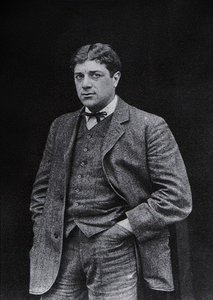
1882–1963, Франция
Жорж Брак
Ранние годы, семья и обучение Жорж Брак родился в 1882 году во французском Аржантёе. Его детство прошло в Гавре, в атмосфере, пропитанной практическими аспектами декоративного искусства и игры цвета. Выросший в семье маляров и декораторов, он с юных лет был погружен в осязаемую реальность своего ремесла. Это воспитание заложило фундамент технического мастерства, который в дальнейшем наложил глубокий отпечаток на его подход к живописному полотну.
Другие работы Жорж Брак
 Мандолина1910
 Муж с гитарой1914
 Дома у Эстака
 Прилив в Нормандии1909
Эссе к произведению The Round Table
 Mastering Cubism: The Top 25 Georges Braque ArtworksJourney through the revolutionary world of Georges Braque. Explore 25 iconic Cubist masterpieces, from geometric abstractions to timeless s…
 Deconstructing Reality: Cubism's Revolutionary Impact on 20th-Century ArtExplore the revolutionary world of Cubism with OriginalUniqueArt. Discover Picasso & Braque's groundbreaking techniques, its philosophical …
 Understanding the Difference Between Analytical and Synthetic CubismMaster the differences between Analytical and Synthetic Cubism with our expert guide. Learn to identify these iconic art movements now.