Cubist Fauvism
tenora (Жорж Брак)
Жорж Брак (1882–1963) создал(а) tenora. Относится к направлению Cubist Fauvism. Выполнено в технике Mixed Media.
- Mixed Media

 Предпросмотр

 Картина маслом ручной работы
 Поделиться
 Поделиться
 Информационный лист


 Скачать
 Похожие предметы
 Рентгенография
 Слайд-шоу
 Вопросы и ответы

 Статистика просмотров
tenora вкратце
- Название
- tenora
- Автор
- Жорж Брак (1882–1963)
- Дата рождения художника
- Аржантёй, Франция
- Техника
- Mixed Media
- Движение
- Cubist Fauvism
- Период
- Modern
- Сюжет
- painting, paper, frame, texture, composition, abstraction
Что изображено на tenora?
A Symphony of Texture and Silence
In the quiet realm of Georges Braque’s "Tenora," we encounter a masterpiece that defies the immediate expectations of the eye. At first glance, the composition presents a deceptive simplicity, a monochrome meditation that seems to strip away the distractions of the physical world. Yet, beneath this austere surface lies a profound exploration of texture and presence. The work functions as a tactile landscape, where the absence of vibrant color allows the viewer to focus entirely on the rhythmic dance of light across heavy, sculptural brushstrokes. It is an invitation to slow down, to move past the superficial, and to engage with the very materiality of paint itself. For the discerning collector or interior designer, this piece offers a sophisticated anchor—a work of quiet intensity that commands attention through its subtle complexity rather than through loud, competing hues.
The technique employed in "Tenora" is nothing short of visceral. Braque utilizes a thick impasto, applying layers of pigment so substantial that they create palpable ridges and valleys upon the canvas. This method transforms the painting from a mere two-dimensional image into a three-dimensional object, where shadows are cast by the paint itself. This interplay of light and shadow is further heightened by the artist's mastery of grayscale, creating a range of tones that feel both weighty and ethereal. The surface becomes a topographical map of the artist's creative struggle, capturing the energy of every stroke and the deliberate placement of every layer. Such textural depth makes a high-quality reproduction particularly rewarding, as it allows the play of ambient light in a room to interact with the simulated relief of the brushwork.
The Echoes of Fauvism and the Birth of Modernity
To understand "Tenora," one must look back to the radical shifts occurring in the French avant-garde at the turn of the 20th century. While Braque would later become a titan of Cubism, this work resonates with the lingering spirit of Fauvism. During this era, artists sought to liberate color from its descriptive duties, using it instead as a direct conduit for emotion. In "Tenora," even within a restricted palette, we feel that same expressive rebellion. The painting does not seek to mirror a recognizable object with photographic accuracy; rather, it seeks to capture the essence of a moment. There is a historical weight to this piece, as it sits at the crossroads of tradition and revolution, embodying the transition from the atmospheric preoccupations of Impressionism to the structural, intellectual rigor of the modern age.
The title itself, referencing the tenora—a traditional Catalan woodwind instrument—adds a layer of haunting symbolism. Though the instrument may not be explicitly rendered in a naturalistic fashion, its presence is felt through the rhythmic, melodic quality of the composition. The painting becomes a visual music, where the thick strokes act as notes and the tonal shifts serve as crescendos and decrescendos. This connection to folk tradition and auditory sensation imbues the work with a soulful, human element that balances its intellectual complexity. For those looking to infuse a space with culture and depth, "Tenora" provides more than just decoration; it offers a window into a pivotal moment of human expression, making it an enduring choice for any curated collection.
Изображения в высоком разрешении: tenora

Protected by copyright: these files are for personal reference, not a licence to republish.
Жорж Брак, tenora.
Ответы на вопросы о tenora
В какой технике выполнено произведение «tenora», Жорж Брак?
Что изображено на картине «tenora», Жорж Брак?
Является ли произведение «tenora», Жорж Брак общественным достоянием?
Какому художнику приписывают работу «tenora»?
К какому художественному направлению относится «tenora», Жорж Брак?
К какому периоду творчества Жорж Брак относится работа «tenora»?
Почему произведение «tenora» имеет именно такой статус авторского права?
Статус авторского права на произведение «tenora» — находится под защитой авторского права — определяется датой смерти автора в 1963.
Как работа «tenora» соотносится с темами и стилем Жорж Брак?
Как сюжет произведения «tenora» соотносится с привычными темами Жорж Брак?
Об авторе, Жорж Брак
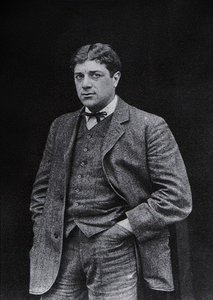
1882–1963, Франция
Жорж Брак
Ранние годы, семья и обучение Жорж Брак родился в 1882 году во французском Аржантёе. Его детство прошло в Гавре, в атмосфере, пропитанной практическими аспектами декоративного искусства и игры цвета. Выросший в семье маляров и декораторов, он с юных лет был погружен в осязаемую реальность своего ремесла. Это воспитание заложило фундамент технического мастерства, который в дальнейшем наложил глубокий отпечаток на его подход к живописному полотну.
Другие работы Жорж Брак
 Мандолина1910
 Муж с гитарой1914
 Дома у Эстака
 Прилив в Нормандии1909
Эссе к произведению tenora
 Quietude on Canvas: Examining Serenity in Classical LandscapesExplore how masters like Dürer and Corot capture profound stillness through landscape. Discover the art of visual tranquility today.
 Жорж Брак: 25 шедевров кубизма для ценителей искусства и интерьераОткройте для себя 25 шедевров Жоржа Брака – пионера кубизма! Узнайте историю создания культовых картин, технику и влияние французского худо…
 Georges Braque: The Architect of Form and the Soul of Cubist RevolutionExplore the profound legacy of Georges Braque, a master of Cubism. Discover how his technical craftsmanship and collaboration with Picasso …