

 Примерить в интерьере
 Отправить
 Поделиться
 Подробнее
 Руководство

 Скачать
 Похожие объекты
 Рентгенография
 Слайд-шоу
 Статистика
The Fall of Phaëton
 Oil On Canvas
- WallArt
- Romanticism
 1777
1777 97.0 x 122.0 cm
 Национальный фонд Великобритании
 Развернуть текст
Жикле / Арт-принты
Печать (жикле) или холст музейного качества с быстрыми сроками изготовления и широким выбором вариантов отделки. ( Заказать репродукцию ручной работы Перейти к цифровым изображениям)




P118B $10

P118H $10

P118W $10

P438Z $10

P508JH $12

P508YH $12

P805H $10

P805Z $10

P919BZ $10

P919G $10

P919XJ $10

P959ZH $10

P968JZ $12

W106C $8

W218G $10

W218JH $8

W218Y $10

W307PJ $10

W316G $10

W316PJ $8

W316Y $10

W398PJ $8

W4111J $10

W500HY $15

W500JH $15

W692G $12

W849H $8

W940BG $15

W953PJ $8




Выберите один из наших стандартных размеров, соответствующих оригинальным пропорциям произведения искусства.

Введите необходимую ширину и высоту, чтобы репродукция подошла к вашей раме или стене. При печати изображение можно только уменьшить, но нельзя увеличить больше оригинала, поэтому при выборе другого формата часть изображения может быть обрезана. Перед печатью мы отправим вам цифровой макет на утверждение. Изображение на этой странице не отображает реальную обрезку — ее можно увидеть только на макете.
Доставка по всему миру () за 2 недели вместо стандартных 4–5 недель. (26 Октябрь)

Бесплатная экспресс-доставка по всему миру

Высококачественный льняной холст

Полное страхование при транспортировке

Гарантия возврата таможенных пошлин

Гарантия точного цветового соответствия

100-дневный период возврата (только при обнаружении дефектов)

Гарантия возврата 100% средств

Скидка при заказе нескольких работ
 Вариант со стеклом доступен только для размеров менее 110 см

The Fall of Phaëton
Жикле / Арт-принты
Размер репродукции
-


Итоговая стоимость
$ 80
A Collision of Myth and Mastery: Unveiling George Stubbs’s ‘The Fall of Phaëton’
George Stubbs's “The Fall of Phaëton,” painted in 1777, isn’t merely a depiction of a Greek myth; it’s a visceral experience. This monumental canvas, now residing within the National Trust at Saltram, transcends its narrative origins to become a profound meditation on power, destruction, and the sublime beauty of chaos. Stubbs, a revolutionary figure in 18th-century art, deliberately eschewed the idealized forms favored by his contemporaries, instead opting for an anatomical realism that bordered on the unsettling, particularly when applied to subjects as grand and terrifying as the sun god’s son attempting to wrest control from his father.
The scene unfolds with breathtaking dynamism. Phaeton, a young man consumed by ambition and perhaps hubris, is shown at the apex of his disastrous journey – driving the chariot of the sun across the heavens. His face, contorted in panic and exertion, reflects the impending doom that threatens to engulf him and all beneath. The horses themselves are rendered with astonishing detail, their muscular forms straining against the reins, each a testament to Stubbs’s meticulous study of equine anatomy. The composition is dominated by diagonals – the sweeping arc of the chariot, the downward plunge of the thunderbolts, and the frantic movement of the steeds – creating a sense of relentless forward momentum that pulls the viewer directly into the heart of the drama.
Anatomy as Revelation: Stubbs’s Scientific Approach
Stubbs's commitment to anatomical accuracy was legendary. His fascination with the inner workings of animals, fueled by his time dissecting horses at York County Hospital, informed every brushstroke. “The Fall of Phaëton” is a prime example of this approach; Stubbs didn’t simply paint a horse; he painted its very essence – the sinews beneath the skin, the skeletal structure supporting the musculature, and the intricate network of veins pulsing with life. This dedication to realism was considered radical at the time, challenging the prevailing artistic conventions that prioritized idealized beauty over scientific observation.
The painting’s color palette further enhances its dramatic effect. Stark contrasts between light and shadow – a consequence of Stubbs's masterful use of chiaroscuro – heighten the sense of urgency and impending disaster. The fiery hues of the sun chariot are juxtaposed against the deepening blues and purples of the approaching night, symbolizing the irreversible shift from day to darkness. The subtle gradations of color within each figure’s form contribute to a remarkable sense of volume and depth, drawing the viewer into the scene with an almost unsettling immediacy.
Mythic Symbolism and Emotional Resonance
Beyond its technical brilliance, “The Fall of Phaëton” is rich in symbolic meaning. The myth itself speaks to themes of unchecked ambition, divine retribution, and the consequences of defying fate. Phaeton’s downfall serves as a cautionary tale against hubris and a reminder that even those blessed with extraordinary power are ultimately subject to mortality. The figures surrounding the event – the Heliades, transformed into poplar trees in mourning for their brother, and Cycnus, hiding his face in despair – amplify this sense of loss and tragedy.
However, the painting transcends mere allegory. It evokes a profound emotional response—a mixture of awe, terror, and pity. The sheer scale of the scene, combined with Stubbs’s dramatic composition and masterful use of color, creates an overwhelming sensory experience that leaves the viewer breathless. “The Fall of Phaëton” is not simply a depiction of a myth; it's a powerful meditation on human nature, the forces of destruction, and the enduring beauty of tragedy—a timeless masterpiece that continues to captivate audiences centuries after its creation.
A Legacy Enduring: Reproductions and Artistic Inspiration
Reproductions of “The Fall of Phaëton” offer a remarkable opportunity to experience Stubbs’s artistic vision firsthand. Whether displayed in a grand salon or a more intimate setting, this painting commands attention with its dramatic intensity and technical brilliance. Collectors appreciate the work's historical significance, scientific rigor, and enduring aesthetic appeal. Interior designers often incorporate reproductions into spaces seeking to evoke a sense of grandeur, drama, and intellectual curiosity – a testament to Stubbs’s lasting influence on art history.
Вопросы и ответы
Из какой страны происходит работа в стиле Romanticism «The Fall of Phaëton»?
«The Fall of Phaëton» был создан Джордж Стббс, уроженцем Великобритания, в рамках направления Romanticism. Происхождение художника связывает это произведение с Romanticism в том виде, в котором его развивали мастера из Великобритания.
Как можно использовать «The Fall of Phaëton», Джордж Стббс в домашнем декоре?
«The Fall of Phaëton» рекомендуется использовать для Statement; идеальным местом для размещения станет Living Room.
Какой размер «The Fall of Phaëton» рекомендуется для Living Room?
Для комнаты типа Living Room рекомендуемый размер печати работы «The Fall of Phaëton», Джордж Стббс составляет Large.
Биография художника
Early Life and Artistic Beginnings
Джордж Стббс, выдающийся английский художник, родился 25 августа 1724 года в Ливерпуле, Северная Англия. Его ранние годы прошли скромно и малозаметны для истории искусства, однако первые шаги в творчестве были положены уже в 15 лет. Тогда юный Джордж начал работать под руководством своего отца, мастера по обработке кожи, осваивая основы ремесла. Вскоре он получил краткое обучение у Хемлет Уинстанейла, местного живописца и гравёра, что позволило ему познакомиться с коллекцией произведений искусства в поместье Носсли-Холл. Этот период стал фундаментом для дальнейшего развития его художечного таланта, заложив основу для глубокого изучения анатомии и техники живописи.Развитие Таланта и Знаковые Произведения
Увлечение анатомией стало движущей силой в жизни Стббса, что побудило его переехать в Йорк в 1744 году. Там он продолжил обучение у доктора Чарльза Аткинсона, хирурга при окружном госпитале, углубляя свои знания о строении человеческого тела. Одним из самых ранних и значимых произведений Стббса стала серия иллюстраций для учебника мифологии Джона Бёртона, опубликованного в 1751 году. В 1756 году художник арендовал ферму в Линкольне и провел 18 месяцев, занимаясь детальной анатомической разметкой лошадей под руководством своей законной супруги, Мэри Спенсер. Этот кропотливый труд привел к созданию "Анатомии лошади", опубликованной в 1766 году и до сих пор хранящейся в Королевской академии живописи. Ранние заказы на портреты лошадей, а также создание крупных полотен по заказу знатных дворян, таких как герцог Ричмонд, привели к быстрому успеху художника и позволили ему приобрести поместье в Мэрлибоне, Лондон.Революция в Изображении Лошадей
Наиболее известным произведением Джорджа Стббса является картина "Лошадь, атакуемая львом", написанная около 1762 года. Этот полотно, заказываемое для маркиза Рокгеммора, стало настоящей революцией в изображении лошадей. В отличие от традиционных картин, где животные были схематично и безжизненно изображены, Стббс сумел передать их мощь, грацию и динамику с поразительной точностью и реалистичностью. Его работы отличались не только анатомической достоверностью, но и глубоким пониманием психологии животных, что делало их невероятно живыми и убедительными. Вскоре художник создал серию картин на тему "Лев и лошадь", которые стали яркими примерами романтического направления в искусстве того времени.Наследие и Значение
Наиболее знаменитой картиной Джорджа Стббса, безусловно, является "Висладжет" – изображение скаковой лошади, поднимающейся на задних ногах, заказанное для маркиза Рокгеммора. Эта картина, выполненная в 1762 году, выделяется своим новаторским подходом к композиции и использованию фона. В отличие от многих других картин того времени, "Висладжет" отличается простотой и лаконичностью, что позволяет зрителю сосредоточиться на изображении лошади. Картина находится в Национальной галерее в Лондоне и является одним из самых значимых произведений искусства XVIII века. Творчество Стббса оказало огромное влияние на развитие живописи животных и до сих пор вдохновляет художников по всему миру. Его работы демонстрируют не только мастерство художника, но и его глубокое понимание природы и ее обитателей.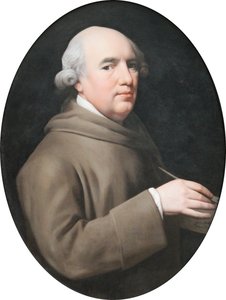
Джордж Стббс
1724 - 1806 , Великобритания
Краткая справка
- Artistic Movement Or Style: Романтизм, Изображение лошадей
- Artists Or Movements Influenced By This Artist: ['Джошуа Рейнольдс']
- Artists Who Influenced This Artist: ['Хамлет Винстайли']
- Date Of Birth: 25 августа 1724
- Date Of Death: 10 июля 1806
- Full Name: George Stubbs
- Nationality: Британский
- Notable Artworks:
- Whistlejacket
- Лев и лошадь
- Атлант
- Place Of Birth: Ливерпуль, Великобритания
Похожие статьи
Timeless Legends: A Curated Guide to the Eternal Allure of Mythological Masterpieces
Embark on a sophisticated journey through the eternal allure of mythological art. Discover how master painters breathe life into ancient legends, from Greek deities to Baroque masterpieces, and learn to curate these timeless narratives within your own exquisite art collection.
George Stubbs: Anatomical Precision & Romantic Vision in 18th-Century British Art
Explore the captivating world of George Stubbs, the 18th-century master renowned for his anatomical precision & Romantic animal paintings. Discover his legacy and investment potential.
Echoes of Olympus: Mythological Narratives in Western Art Through the Ages
Explore the captivating history of mythological narratives in Western art! From ancient Greece to modern masterpieces, discover iconic artworks & symbolism. Expert analysis and high-quality reproductions at OriginalUniqueArt.
The Noble Steed: A Historical and Artistic Exploration of Horses in Fine Art
Explore the rich history of horses in fine art! From ancient depictions to Renaissance masterpieces & beyond, discover iconic artworks and artists. Learn about symbolism, techniques, and find museum-quality reproductions at OriginalUniqueArt.
The Noble Steed on Canvas: A Historical & Artistic Exploration of Horse Painting Across Cultures
Explore the rich history of horse painting! Discover masterpieces from Stubbs to Munnings & learn about symbolism, techniques & artists. Find museum-quality reproductions at OriginalUniqueArt.


