
 Предпросмотр
 Поделиться
 Поделиться
 Детали произведения

 Скачать
 Похожие работы
 Рентгенография
 Слайд-шоу
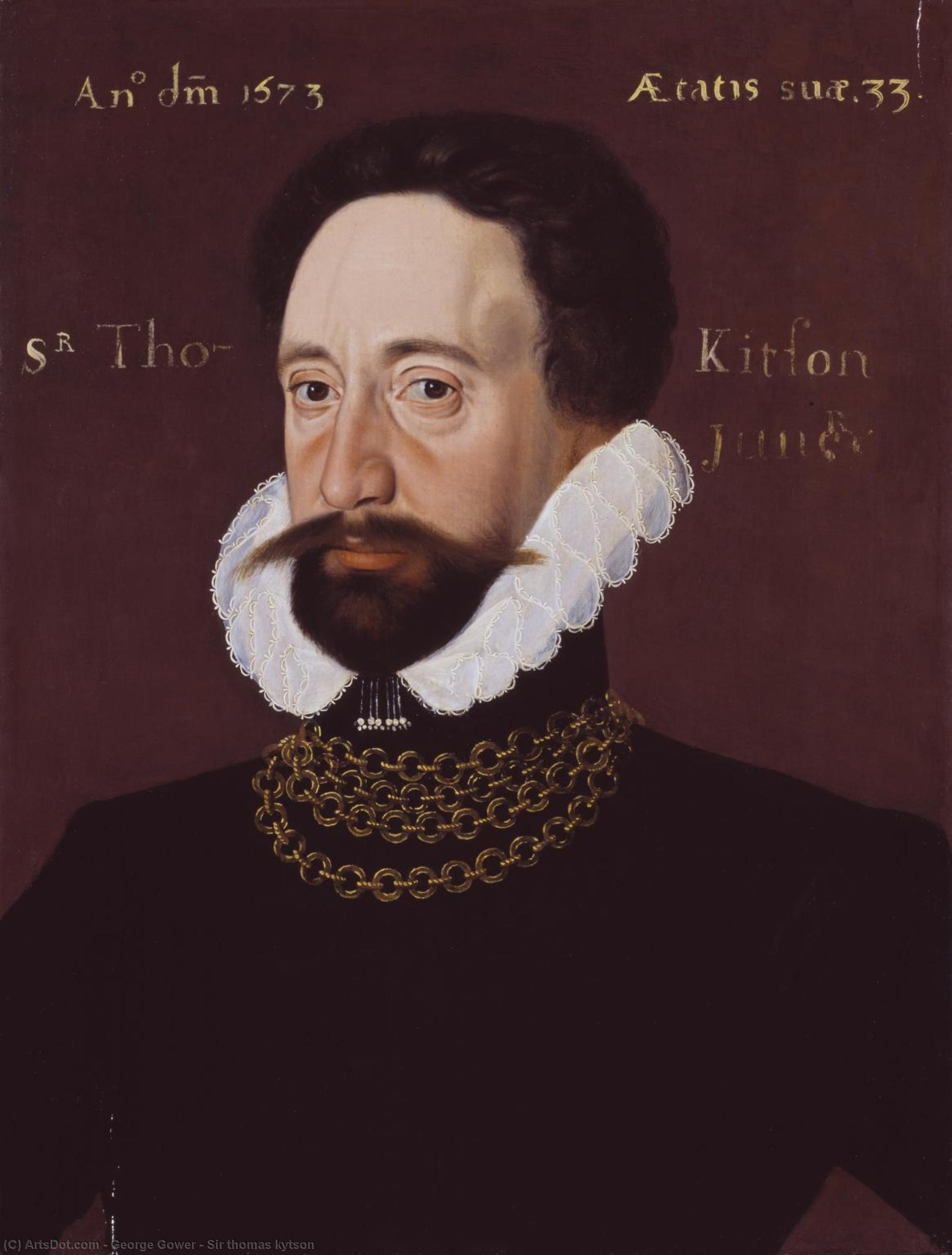
Sir thomas kytson

 Читать далее
Масляная репродукция ручной работы
Картина маслом на холсте в выбранном вами размере и раме, написанная на заказ нашими художниками. ( Купить принт Купить изображение)




































Выберите один из наших стандартных размеров, соответствующих оригинальным пропорциям произведения искусства.

Вы можете указать собственные размеры, чтобы картина идеально вписалась в выбранную раму или пространство. Если выбранный вами размер не соответствует пропорциям оригинала, мы либо обрежем полотно, либо расширим его за счет дополнительных элементов, написанных вручную. Цифровой макет будет отправлен вам на утверждение перед началом производства.
Обратите внимание, что предварительный просмотр на экране не отражает фактическую обрезку или расширение. Только макет точно покажет окончательную композицию.
Хотя доступны индивидуальные размеры, мы рекомендуем выбирать вариант из предопределенного списка, чтобы сохранить исходные пропорции.
После оформления заказа команда OriginalUniqueArt.com свяжется с клиентом по электронной почте для уточнения деталей и предоставит предварительный макет
Доставка по всему миру () за 3–4 недели вместо стандартных 5 недель. (15 Август). Без компромиссов в качестве.

Бесплатная экспресс-доставка по всему миру

Высококачественный льняной холст

Полное страхование доставки

Гарантия возмещения таможенных пошлин

Гарантия точного соответствия цветов

Политика возврата в течение 60 дней (только при наличии дефектов)

Гарантия возврата 100% средств

Предложение оптовых скидок
 Вариант со стеклом доступен только для размеров менее 110 см

Sir thomas kytson
Техника репродукции
Размер репродукции
-


Итоговая стоимость
$ 300
Описание произведения
A Glimpse into Elizabethan Society: Sir Thomas Kytson by George Gower
This striking portrait captures Sir Thomas Kytson, a prominent figure in Tudor England, rendered with remarkable detail and psychological insight by the skilled hand of George Gower. Painted around 1573, this work offers a fascinating window into the world of Elizabethan aristocracy, showcasing not only the subject's status but also reflecting the artistic conventions and societal values of the time.
The Artist and Historical Context
George Gower (c. 1540-1596) was a significant portrait painter who rose to prominence as Serjeant Painter to Queen Elizabeth I in 1581. His career flourished during a period of artistic innovation, where portraiture became increasingly important for documenting the power and lineage of the elite. Gower’s skill lay in his ability to capture not just physical likeness but also a sense of character and social standing. This particular portrait was created relatively early in Gower's career, coinciding with a burgeoning demand for portraits among the rising merchant class and landed gentry like Sir Thomas Kytson. The era itself—Elizabethan England—was marked by exploration, religious tension, and a flourishing cultural scene, all of which are subtly reflected in the formality and dignified presentation of this artwork.
Subject & Composition: A Man of Substance
Sir Thomas Kytson is depicted as a man of considerable wealth and influence. He wears an elaborate suit with a richly patterned tie, indicative of his status. The chain around his neck further emphasizes his position within the social hierarchy. The composition is formal yet engaging; Kytson gazes directly at the viewer, creating a sense of directness and confidence. While he occupies the central focus, two figures are subtly present in the background, hinting at the broader context of his life and family. The artist’s meticulous attention to detail—the texture of the fabrics, the rendering of facial features—demonstrates Gower's mastery of oil painting techniques.
Symbolism & Technique
- Clothing: The luxurious fabric and intricate design of Kytson’s attire signify his wealth and social standing.
- Direct Gaze: The subject's direct gaze conveys authority, confidence, and a sense of self-assuredness.
- Chain: Likely representing an order or office held by Sir Thomas, it further underscores his importance.
- Oil Painting Technique: Gower’s use of oil paints allowed for rich color saturation and subtle gradations in tone, contributing to the realism and depth of the portrait. The layering of paint creates a luminous quality that brings Kytson's features to life.
Emotional Impact & Legacy
Beyond its historical significance, this portrait evokes a sense of quiet dignity and understated power. It offers a compelling glimpse into the personality of Sir Thomas Kytson—a man who clearly valued his position and sought to project an image of strength and stability. As one of Gower’s earliest documented works, "Sir Thomas Kytson" stands as a testament to his burgeoning talent and provides valuable insight into the evolution of English portraiture during the Elizabethan era. Owning a reproduction allows you to bring this piece of history and artistry into your home, sparking conversation and adding a touch of timeless elegance.
Биография художника
George Gower: A Tudor Portraitist and Royal Confidante
George Gower, a name perhaps less familiar than those of his royal patrons, stands as a pivotal figure in 16th-century English portraiture. Born around 1540 in the heart of Yorkshire, his life unfolded against the backdrop of Henry VIII’s tumultuous reign and the burgeoning confidence of Elizabeth I. Initially shrouded in obscurity – details of his early years remain scarce – Gower steadily ascended through the ranks of the court, ultimately becoming Serjeant Painter to Queen Elizabeth I in 1581, a position that cemented his place as one of the most sought-after artists of his time. His legacy isn’t defined by grand, sweeping canvases but rather by an extraordinary collection of intimate portraits, each imbued with a remarkable sensitivity and a subtle understanding of human character. Gower's artistic journey began with companion portraits, notably those of Sir Thomas Kytson and his wife Lady Kytson (circa 1573), now residing in the Tate Gallery in London. These early works already demonstrated his skill in capturing likenesses with a delicate realism, utilizing light and shadow to create depth and personality. However, it was his self-portrait from 1579 that offered a fascinating glimpse into his artistic philosophy. This painting, housed within the National Portrait Gallery, reveals not just Gower’s appearance but also his tools of trade – brushes, palettes, and drawing implements – arranged around a symbolic device: a balance. The artist's dividers are depicted as outweighing the family coat of arms, a bold statement suggesting that artistic skill held greater value than inherited wealth or lineage. This assertion was particularly striking in England at the time, where painters were often viewed as mere artisans rather than intellectuals and creators.The ‘Sieve’ Portrait: Symbolism and Royal Identity
Perhaps Gower's most iconic work is the “Plimpton Sieve” portrait of Queen Elizabeth I (1579), currently held at the Folger Shakespeare Library. This painting transcends a simple likeness; it’s a carefully constructed allegory laden with symbolic meaning. The queen, depicted holding a sieve – a reference to the Roman vestal virgin Tuccia who carried water in a sieve to prove her chastity – embodies Elizabeth's carefully cultivated image as a virtuous and virginal ruler. Crucially, a globe rests upon her right shoulder, symbolizing England’s burgeoning global empire under her leadership. The inclusion of the sieve isn’t merely decorative; it speaks directly to Elizabeth’s strategic use of symbolism to project an aura of strength, purity, and dominion. This portrait exemplifies Gower's ability to infuse his work with layers of meaning, reflecting the complex political realities of the Tudor court.Royal Commissions and Courtly Decoration
As Serjeant Painter, Gower was entrusted with a diverse range of responsibilities beyond simply painting portraits. He was appointed to oversee painted decoration at royal residences like Hampton Court Palace, contributing to the lavish interiors that defined Elizabethan grandeur. His commissions included the elaborate fountain (now tragically lost) and the astronomical clock, both integral components of Hampton Court’s opulent design. Furthermore, Gower served as a crucial gatekeeper for portraiture, inspecting paintings created by other artists before they were officially sanctioned for royal display – a role that undoubtedly shaped his own artistic standards and techniques. His influence extended to the decoration of coaches and furniture, further solidifying his position as a key figure in the court’s visual culture.The Armada Portrait and Unresolved Mysteries
Gower's reputation is inextricably linked to the Armada portrait of Queen Elizabeth I (circa 1588), now housed at Woburn Abbey. For decades, this painting was attributed solely to Gower, alongside a cut-down version in the National Portrait Gallery. However, recent scholarship has cast doubt on this attribution, suggesting that all three extant versions – those at Woburn Abbey and the National Gallery, as well as one held by the Earl of Sandwich – were created by different, unidentified English artists. This ongoing debate highlights the challenges inherent in definitively identifying the artist behind these significant works, underscoring Gower’s complex legacy within the history of Tudor portraiture. Despite this uncertainty, his contribution to the visual representation of Elizabeth I remains undeniable.Legacy and Influence
George Gower died in London around 1596, leaving behind a relatively small but remarkably significant body of work. His portraits offer invaluable insights into the personalities and aspirations of the Tudor elite, showcasing his technical skill, his understanding of human psychology, and his ability to imbue his paintings with layers of symbolic meaning. While he may not be as widely celebrated as some of his contemporaries, George Gower’s contribution to English portraiture is undeniable, solidifying his place as a key figure in the artistic landscape of the 16th century. His work continues to fascinate art historians and enthusiasts alike, prompting ongoing research and debate about his life, his methods, and the enduring power of his portraits.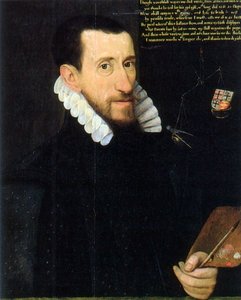
George Gower
1540 - 1596 , United Kingdom
Основные сведения
- Artistic Movement Or Style: Portraiture
- Date Of Birth: 1540, UK
- Date Of Death: 1596
- Full Name: George Gower
- Nationality: English
- Notable Artworks:
- Sieve Elizabeth I
- Armada Portrait
- Place Of Birth: United Kingdom
Похожие статьи

Жорж Брак: 25 шедевров кубизма для ценителей искусства и интерьера
Откройте для себя 25 шедевров Жоржа Брака – пионера кубизма! Узнайте историю создания культовых картин, технику и влияние французского художника на искусство XX века. Репродукции высокого качества для вашего интерьера на OriginalUniqueArt.com.
Сир Джошуа Рейнольдс: 25 шедевров портретной живописи для ценителей искусства и декора
Погрузитесь в мир Сира Джошуа Рейнольдса! 25 величайших портретов английского искусства XVIII века. Узнайте историю создания шедевров, технику живописи и вдохновитесь для декора интерьера. Репродукции картин высокого качества на OriginalUniqueArt.com.

Жорж Сёра: 25 шедевров великого мастера пуантилизма | OriginalUniqueArt
Откройте для себя 25 шедевров Жоржа Сёра – пионера пуантилизма! Узнайте историю создания культовых картин, технику письма и влияние импрессионизма. Репродукции высокого качества на OriginalUniqueArt.com. Искусство для вашего интерьера.

Альфред Муннингс: 25 шедевров британского импрессионизма для вашего интерьера | OriginalUniqueArt
Погрузитесь в мир Альфреда Муннингса! 25 шедевров британского импрессионизма, запечатлевших красоту лошадей и сельской Англии. Репродукции картин высокого качества для вашего интерьера на OriginalUniqueArt.com.

Sir George Clausen: Capturing Edwardian Life & British Impressionism's Nuances
Explore the luminous world of Sir George Clausen, a leading British Impressionist painter. Discover his captivating scenes of Edwardian life, rural England & poignant war art. Learn about his legacy and find high-quality reproductions at OriginalUniqueArt.

