 Примерить в интерьере
 Отправить
 Поделиться
 Подробнее
 Руководство

 Скачать
 Похожие объекты
 Рентгенография
 Слайд-шоу
 Q&A
Q&A Статистика
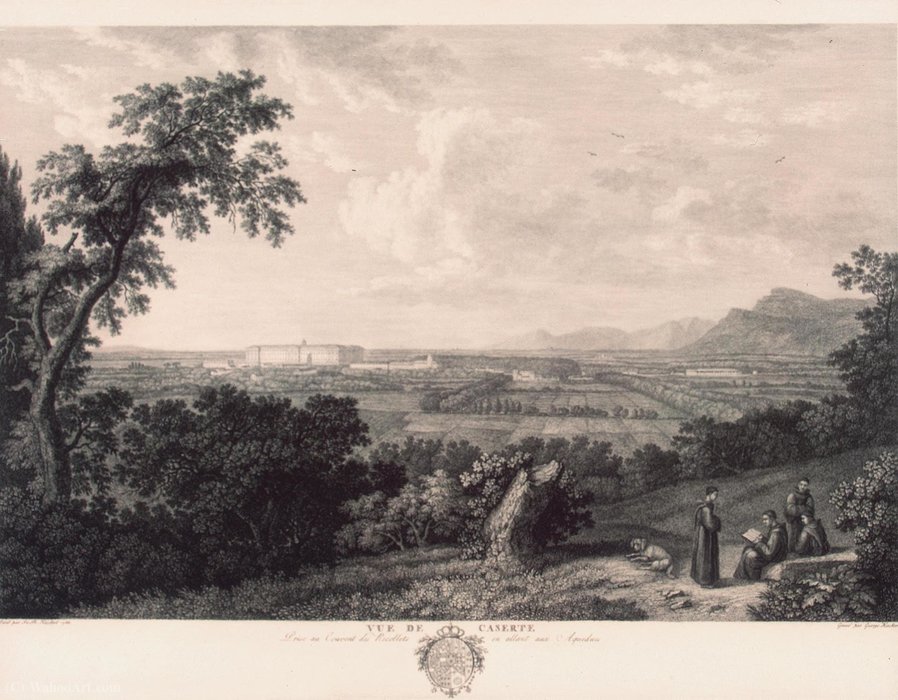
View of Caserta

 Развернуть текст
Получите файл, готовый к печати, качество которого значительно превосходит веб-превью. Каждое цифровое изображение в нашем каталоге создано на основе мастер-файла высокого разрешения — обычно шириной от 5 000 до 15 000 пикселей, — что позволяет вам уверенно печатать работы большого формата, использовать кадрирование или воспроизводить мельчайшие детали.
Ни один файл не покидает нашу студию без обработки. Эксперт по цифровой ретуши сверяет цвета с оригинальной картиной и при необходимости корректирует их, после чего повышает четкость и детализацию с помощью профессиональных инструментов — неизменно сохраняя верность мазкам кисти и стилю автора. В результате получается изображение, которое выглядит как подлинная живопись, а не как отсканированный снимок с наложенными фильтрами.
Вы одобряете результат до завершения заказа: наш эксперт отправит изображение по электронной почте в течение 72 часов для вашего ознакомления. Не удовлетворены результатом? Попросите внести правки или исправления, либо запросите возврат средств, если качество не соответствует ожиданиям.
Именно на это качество полагаются издательства, дизайн-студии, галереи и типографии.
Цифровое изображение
Скачайте файл высокого разрешения для личного использования, печати и творческих проектов. ( Переключиться на печать Заказать репродукцию ручной работы)
Включено в каждый заказ цифровых изображений
Гарантия профессиональной цифровой доставки
Выбирая OriginalUniqueArt.com, вы получаете не просто изображение — вы приобретаете профессионально обработанное цифровое произведение искусства, созданное с безупречной точностью и под защитой гарантии качества. Вот всё, что автоматически входит в ваш заказ:

Быстрая доставка по e-mail
Ваш цифровой файл в высоком разрешении будет отправлен по электронной почте в течение 72 часов после оформления заказа и сразу станет доступен для использования.

Цифровой файл с ИИ-обработкой
Ваше произведение искусства проходит профессиональную оптимизацию с использованием передовых инструментов ИИ и ручной обработки, что гарантирует максимальную детализацию, четкость и точность цветопередачи.

Бессрочная бесплатная повторная отправка
Случайно удалили или потеряли файл? Не беспокойтесь — мы отправим его вам повторно в любое время и совершенно бесплатно.

Без импортных пошлин — навсегда
Наслаждайтесь вашим произведением искусства мгновенно без таможенных пошлин, сборов или затрат на доставку — цифровые загрузки всегда не облагаются налогом.

Гарантия точности цветопередачи
Мы гарантируем максимально точное соответствие цифрового изображения оригиналу благодаря использованию профессиональных инструментов и систем управления цветом.

Гарантия удовлетворенности 100 дней
Если вы не будете удовлетворены своим цифровым изображением, мы внесем правки или вернем 100% стоимости в течение 100 дней — без лишних вопросов.

100% Гарантия возврата средств
Не удовлетворены покупкой? Мы вернем вам полную стоимость в течение 100 дней после получения цифрового файла — без лишних вопросов.

Скидки на оптовые заказы
Купите 3 изображения — скидка 10%; купите 5 — скидка 15%; от 10 изображений — скидка 20%. Отличное решение для творческих проектов, галерей и агентств.
Биография художника
Georg Abraham Hackert: A Romantic Observer of Hungary and Berlin
Georg Abraham Hackert (1755-1805) stands as a pivotal figure in the transition between the late Baroque and the burgeoning Romanticism of German art. Born in Prenzlau, Prussia – now part of Germany – his life was inextricably linked to the shifting political landscape of 18th-century Europe, particularly through his extensive travels and artistic engagements in Hungary and Berlin. Hackert’s work isn't defined by grand, heroic narratives; instead, he offered a remarkably intimate and observant portrayal of everyday life, rural landscapes, and the remnants of history – a style that resonated deeply with the Romantic sensibility’s focus on emotion, nature, and the past.Early Life and Artistic Training
Hackert's early artistic training remains somewhat shrouded in mystery, though it’s known he began his career as an assistant to Johann Christian Fieger, a painter working in Berlin. This initial apprenticeship provided him with foundational skills in portraiture and decorative painting. However, Hackert quickly developed a fascination with engraving, a medium that allowed him to meticulously capture detail and explore the interplay of light and shadow – qualities crucial to his later landscape work. He honed his engraving skills under the tutelage of Johann Christian Fieger’s assistant, Carl Wilhelm von Nauck, further solidifying his technical expertise. Crucially, Hackert's early exposure to Prussian court life and the burgeoning interest in archaeological discoveries—particularly Roman ruins—would profoundly shape his artistic vision.Hungary: A Landscape of Transformation
In 1778, Hackert embarked on a pivotal journey to Hungary, commissioned by Frederick the Great of Prussia to document the country’s landscape and its transformation following the Habsburg-Turkish War. This extended sojourn proved transformative, both artistically and personally. He spent nearly two decades immersed in Hungarian life, capturing scenes of rural communities, peasant labor, and the dramatic beauty of the Hungarian plains. Unlike many artists who idealized nature, Hackert presented a more nuanced view – one that acknowledged the hardships faced by the peasantry while simultaneously celebrating the region’s rugged charm. His etchings and engravings from this period, such as “View of Vietri” and “View of the Environs of Carpentras,” are characterized by their meticulous detail, atmospheric perspective, and a subtle sense of melancholy. He wasn't simply recording scenery; he was attempting to capture the spirit of a people and a land undergoing significant change.Berlin: Portraits and Historical Scenes
Returning to Berlin in 1798, Hackert established himself as a respected portrait painter and continued his work on historical subjects. He produced numerous portraits of prominent figures, demonstrating a keen ability to capture character and personality. His engagement with the Prussian court provided him with access to luxurious settings and opulent costumes, which he rendered with remarkable accuracy. Simultaneously, he revisited themes from his Hungarian period, creating engravings that explored the ruins of Roman sites – a fascination rooted in his earlier experiences. Works like “Ruins of the Augustan Bridge at Narni” exemplify this blend of historical awareness and Romantic sensibility, presenting ancient structures not as relics of a distant past but as evocative reminders of human ambition and decay.Legacy and Influence
Georg Abraham Hackert’s legacy lies in his ability to bridge the gap between Neoclassicism and Romanticism. He was a master of observation, meticulously documenting the details of everyday life and the beauty of the natural world. His work anticipated many of the key themes of the Romantic movement – the importance of emotion, the fascination with nature, and the exploration of the past—though he did so through a distinctly German lens. His detailed engravings served as models for later generations of landscape artists, while his portraits offered insightful glimpses into the personalities of 18th-century Europe. Hackert’s influence can be seen in the works of Caspar David Friedrich and other prominent Romantic painters who followed in his footsteps, solidifying his place as a significant figure in the development of German art. His work continues to resonate today through its evocative depictions of human experience and the enduring power of landscape.
Georg Abraham Hackert
1755 - 1805 , Germany
Краткая справка
- Artistic Movement Or Style: Romanticism
- Artists Or Movements Influenced By This Artist: ['Romantic Landscapes']
- Artists Who Influenced This Artist: ['Philipp the Younger']
- Date Of Birth: 1755
- Date Of Death: 1805
- Full Name: Georg Abraham Hackert
- Nationality: German
- Notable Artworks:
- View of Vietri
- View of Carpentras
- Ruins of Narni Bridge
- Place Of Birth: Prenzlau, Germany