
 Предпросмотр
 Поделиться
 Поделиться
 Детали произведения
 Руководство

 Скачать
 Похожие предметы
 Рентгенография
 Слайд-шоу
 Вопросы и ответы
 Статистика просмотров
The Breakfast (detail)


 Читать далее
Жикле и арт-принты
Печать (жикле) или холст музейного качества с быстрыми сроками изготовления и широким выбором вариантов отделки. ( Купить картину ручной работы Перейти к цифровым изображениям)




P118B $10

P118H $10

P118W $10

P438Z $10

P508JH $12

P508YH $12

P805H $10

P805Z $10

P919BZ $10

P919G $10

P919XJ $10

P959ZH $10

P968JZ $12

W106C $8

W218G $10

W218JH $8

W218Y $10

W307PJ $10

W316G $10

W316PJ $8

W316Y $10

W398PJ $8

W4111J $10

W500HY $15

W500JH $15

W692G $12

W849H $8

W940BG $15

W953PJ $8




Выберите один из наших стандартных размеров, соответствующих оригинальным пропорциям произведения искусства.

Введите необходимую ширину и высоту, чтобы репродукция подошла к вашей раме или стене. При печати изображение можно только уменьшить, но нельзя увеличить больше оригинала, поэтому при выборе другого формата часть изображения может быть обрезана. Перед печатью мы отправим вам цифровой макет на утверждение. Изображение на этой странице не отображает реальную обрезку — ее можно увидеть только на макете.
Доставка по всему миру () за 2 недели вместо стандартных 4–5 недель. (7 Ноябрь)

Бесплатная экспресс-доставка по всему миру

Высококачественный льняной холст

Полное страхование при доставке

Гарантия возмещения таможенных пошлин

Гарантия точного цветового соответствия

100-дневная гарантия возврата (только при обнаружении дефектов)

Гарантия возврата 100% средств

Скидка при оптовом заказе
 Вариант со стеклом доступен только для размеров менее 110 см

The Breakfast (detail)
Жикле и арт-принты
Размер репродукции
-


Итоговая стоимость
$ 81
The Breakfast (detail) by Gabriel Metsu: A Dutch Golden Age Intimacy
Gabriel Metsu’s “The Breakfast (detail),” painted around 1660, is more than just a depiction of a meal; it's a meticulously crafted tableau of domesticity, contemplation, and subtle symbolism—a quintessential example of the quiet elegance that defined the Dutch Golden Age. This intimate portrait, rendered in rich oil paints on panel, invites us into a private moment within a carefully constructed world. The painting’s enduring appeal lies not just in its technical mastery but also in the layers of meaning woven into every detail, offering a glimpse into the lives and sensibilities of 17th-century Dutch society.
Metsu, a remarkably eclectic artist known for his avoidance of stylistic consistency, produced this work during a period when the Dutch Republic was experiencing an unprecedented flourishing of art. Influenced by masters like Rembrandt and Vermeer, yet forging his own distinctive path, Metsu captured the essence of everyday life with remarkable precision and psychological depth. The painting’s composition—a man seated at a table examining a map, accompanied by a woman reading a letter—immediately establishes a sense of quiet engagement and intellectual curiosity. It's a scene that speaks to the burgeoning spirit of exploration and knowledge that characterized the era.
A Study in Light and Shadow: Technique and Style
The painting’s remarkable realism is achieved through Metsu’s masterful use of *chiaroscuro*, a dramatic technique employing strong contrasts between light and shadow. This creates a palpable sense of depth, sculpting the figures and objects with an almost sculptural quality. Notice how the light falls across the man's face, highlighting his thoughtful expression, while simultaneously casting deep shadows that suggest both intimacy and reserve. The brushwork is incredibly detailed—each fold in the jacket, each texture of the map, is rendered with painstaking precision.
Metsu’s style leans heavily towards Baroque portraiture, characterized by its opulent detail and dramatic lighting. However, he departs from the typical grandeur often associated with the genre, opting instead for a more restrained and intimate approach. The muted color palette—dominated by browns, creams, and blacks—contributes to the painting's somber yet sophisticated atmosphere. The meticulous rendering of fabrics – the velvet jacket, the silk skirt – speaks volumes about the wealth and status of the subjects, while simultaneously emphasizing their quiet contemplation.
Symbolism and Narrative Depth
Beyond its technical brilliance, “The Breakfast (detail)” is rich in symbolic meaning. The man’s focus on the map suggests a spirit of exploration and ambition, reflecting the Dutch Republic's growing maritime power and expanding colonial reach. The woman reading the letter hints at a hidden narrative—a potential romance or correspondence—adding an element of intrigue to the scene. The objects on the table – the shell, the glass vessel, the small statue – each carry their own symbolic weight, contributing to the painting’s layered complexity.
The hand resting on the table, a prominent feature of the composition, is particularly noteworthy. It could represent authority, wealth, or simply the passage of time. The inclusion of seemingly mundane objects—a simple breakfast setting—elevates them to symbols of human experience and connection. The painting invites us to contemplate not just what is being shown but also *why* it is being shown.
A Legacy of Intimacy: Reproduction Possibilities
OriginalUniqueArt offers high-quality, hand-painted reproductions of “The Breakfast (detail)” by Gabriel Metsu, capturing the essence of this iconic Dutch masterpiece. Whether you’re an art collector, interior designer seeking a touch of historical elegance, or simply someone captivated by the beauty and complexity of this painting, our reproductions provide a stunning way to bring Metsu's vision into your home or office.
- Authentic Reproduction: Each reproduction is meticulously hand-painted by skilled artists using traditional oil painting techniques.
- Custom Sizes Available: We offer a range of sizes to suit your specific needs and space.
- Certificate of Authenticity: Every reproduction comes with a certificate verifying its authenticity.
- High-Quality Materials: We use only the finest canvas and archival-quality paints for lasting beauty.
Explore our selection of “The Breakfast (detail)” reproductions today and experience the timeless allure of this remarkable Dutch Golden Age painting.
Вопросы и ответы
Для какого использования и в каком интерьере рекомендуется размещать «The Breakfast (detail)», Габриэль Метс?
Рекомендуется использовать «The Breakfast (detail)», Габриэль Метс для Statement, в идеале — в помещении типа Living Room. Сочетание способа использования и пространства поможет определить, где именно будет уместна репродукция.
Как работа «The Breakfast (detail)» соотносится с темами и стилем Габриэль Метс?
В творческом наследии Габриэль Метс работа «The Breakfast (detail)» относится к стилю Baroque и созвучна темам metsu's genre portraits, domestic scenes & symbolism, intimate, detailed visions, rembrandt's chiaroscuro, dutch golden age style, baroque detail & drama, exploration & ambition.
Под какими еще именами известен Габриэль Метс?
Габриэль Метс также известен под именами Метсу.
Биография художника
Gabriel Metsu (1629–1667): A Life Illuminated by Light and Symbol
Gabriel Metsu, a Dutch painter born in Leiden around November 27 or mid-December 1629, stands as one of the most intriguing figures of the Dutch Golden Age. His artistic legacy is characterized not by grand narratives but by intimate scenes bathed in luminous light—domestic interiors populated by women engaged in quiet activities and meticulously rendered still lifes brimming with symbolic detail. This biography seeks to illuminate Metsu’s life and explore the distinctive qualities that define his oeuvre, revealing a painter who defied convention while capturing the essence of his era.Early Life and Influences: The Tapestry Weaver's Son
Gabriel Metsu’s father, Jacques Metsu (c. 1588 – March 1629), was a tapestry weaver hailing from Hainault—a lineage that instilled in Gabriel an appreciation for intricate craftsmanship and visual storytelling. Their relocation to Leiden exposed him to the burgeoning artistic milieu of the city, fostering connections with artists practicing diverse mediums. Notably, Jacques Metsu’s own painting inclinations foreshadowed Gabriel's future path, demonstrating a familial tradition dedicated to capturing beauty through pigment and brushstroke. The family’s modest circumstances underscored the importance of education—Gabriel received instruction from his stepfather, a skipper, ensuring he possessed the foundational skills necessary for pursuing artistic endeavors.Artistic Career: An Eclectic Master
Metsu's artistic trajectory defies easy categorization; he eschewed adherence to any singular stylistic movement or technique, earning him the moniker “a highly eclectic artist.” This freedom of expression manifested across a spectrum of genres—history paintings depicting biblical narratives alongside portraits commemorating noble families and genre scenes portraying everyday life with remarkable realism. Remarkably, only 14 of Metsu’s estimated 133 works bear dates, leaving scholars to reconstruct his artistic development through stylistic analysis and comparative studies. His formative years were profoundly shaped by Rembrandt van Rijn's groundbreaking approach to chiaroscuro—the dramatic interplay of light and shadow—which instilled in Metsu a sensitivity for capturing atmospheric depth and conveying emotional nuance. This influence extended beyond mere technique; Rembrandt’s humanist vision resonated with Metsu’s own belief in portraying human experience with compassion and psychological insight.Amsterdam and the Rise of Domestic Genre Painting
Around 1655, Metsu embarked on a transformative journey to Amsterdam—a city pulsating with artistic innovation and commercial ambition. He established residency in an alleyway on Prinsengracht, nestled amidst a vibrant community of artists and craftsmen. This relocation coincided with a significant stylistic shift, mirroring the broader trend toward domestic genre painting that was gaining prominence during this period. Metsu’s training program included collaborations with Michiel van Musscher and Joost van Geel—artists who championed the pursuit of refined artistic sensibilities. His engagement with the Amsterdam art market reflected his astute understanding of prevailing tastes and demonstrated a willingness to adapt to evolving aesthetic standards.Notable Works: Capturing Moments of Quiet Reflection
Metsu’s paintings frequently depicted young women engaged in domestic tasks—scenes imbued with tenderness and understated beauty—drawing inspiration from popular emblems that conveyed moral lessons through visual symbolism. *The Sick Child*, completed circa 1664–66, exemplifies Metsu's masterful manipulation of light to evoke empathy and convey profound emotion—a technique reminiscent of Vermeer’s celebrated compositions. His portrait of the Hinlopen family stands as a testament to his ability to capture familial bonds with exquisite detail and psychological accuracy. Furthermore, *Poultry Seller*, completed around 1657–61, showcases Metsu's meticulous observation of natural light and color—a hallmark of Leiden School painting. These works underscore Metsu’s commitment to portraying human experience with sensitivity and nuance—capturing fleeting moments of domestic tranquility and conveying subtle expressions of emotion.Legacy: An Artist Ahead of His Time
Gabriel Metsu’s artistic legacy extends beyond his individual masterpieces; he profoundly influenced subsequent generations of painters, fostering a tradition of domestic genre painting that continues to inspire artists today. His unwavering dedication to capturing the beauty of everyday life—combined with his masterful command of light and color—solidifies his position as one of the most enduring figures of the Dutch Golden Age. Metsu’s work serves as a poignant reminder that artistic greatness resides not in grand spectacle but in profound observation and empathetic representation—a legacy illuminated by the radiant glow of remembrance.- Museums housing Metsu's paintings include the Rijksmuseum in Amsterdam.

Габриэль Метс
1629 - 1667 , Нидерланды
Об авторе
- Artistic Movement Or Style: Dutch Golden Age painting
- Artists Or Movements Influenced By This Artist:
- Michiel van Musscher
- Joost van Geel
- Artists Who Influenced This Artist:
- Rembrandt van Rijn
- Johannes Vermeer
- Date Of Birth: 1629
- Date Of Death: 1667
- Full Name: Gabriel Metsu
- Nationality: Dutch
- Notable Artworks:
- The Sick Child
- Poultry Seller
- Portrait of the Hinlopen Family
- Place Of Birth: Leiden, Netherlands
Похожие статьи

10 Шедевров Барокко: Искусство, изменившее мир | OriginalUniqueArt.com
Погрузитесь в мир барокко! 10 шедевров Караваджо, Рембрандта и других великих художников. Узнайте историю создания культовых картин и найдите идеальную репродукцию для вашего интерьера на OriginalUniqueArt.com

25 Шедевров Данте Габриэля Россетти: Искусство, Символизм и Декор для Вашего Дома
Погрузитесь в мир Данте Габриэля Россетти! 25 шедевров прерафаэлитов, полных символизма и страсти. Узнайте истории создания культовых картин и найдите идеальный декор для вашего дома на OriginalUniqueArt.com – музейное качество, вдохновение и искусство онлайн.

Величие барокко: как свет, движение и драма оживляют искусство XVII века
Узнайте секреты света и драмы в шедеврах барокко от экспертов. Погрузитесь в величие великих мастеров прямо сейчас.

Baroque Classicism: The Grandeur of Order and Drama in 17th-Century Art History
Explore the profound elegance of Baroque Classicism. Discover how 17th-century masters synthesized dramatic emotion with classical order through the lens of the Counter-Reformation and the works of legends like Carlo Maratta and Andrea Sacchi.
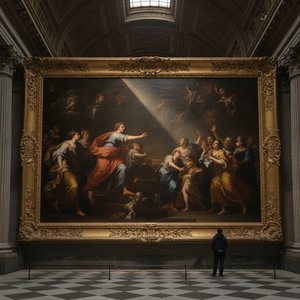
Drama and Light: A Definitive Guide to the Power and Emotion of Baroque Art
Explore the dramatic power of Baroque art through an expert guide to light, shadow, and emotion. Discover how the Counter-Reformation shaped 17th-century masterpieces and learn about the profound techniques used by the Old Masters to inspire awe.


