
 Предпросмотр
 Поделиться
 Поделиться
 Детали произведения
 Руководство

 Скачать
 Похожие предметы
 Рентгенография
 Слайд-шоу
 Вопросы и ответы
 Статистика просмотров
Salome

- 92.0 x 114.0 cm


 Читать далее
Жикле и арт-принты
Печать (жикле) или холст музейного качества с быстрыми сроками изготовления и широким выбором вариантов отделки. ( Купить картину ручной работы Перейти к цифровым изображениям)




P118B $10

P118H $10

P118W $10

P438Z $10

P508JH $12

P508YH $12

P805H $10

P805Z $10

P919BZ $10

P919G $10

P919XJ $10

P959ZH $10

P968JZ $12

W106C $8

W218G $10

W218JH $8

W218Y $10

W307PJ $10

W316G $10

W316PJ $8

W316Y $10

W398PJ $8

W4111J $10

W500HY $15

W500JH $15

W692G $12

W849H $8

W940BG $15

W953PJ $8




Выберите один из наших стандартных размеров, соответствующих оригинальным пропорциям произведения искусства.

Введите необходимую ширину и высоту, чтобы репродукция подошла к вашей раме или стене. При печати изображение можно только уменьшить, но нельзя увеличить больше оригинала, поэтому при выборе другого формата часть изображения может быть обрезана. Перед печатью мы отправим вам цифровой макет на утверждение. Изображение на этой странице не отображает реальную обрезку — ее можно увидеть только на макете.
Доставка по всему миру () за 2 недели вместо стандартных 4–5 недель. (10 Ноябрь)

Бесплатная экспресс-доставка по всему миру

Высококачественный льняной холст

Полное страхование при доставке

Гарантия возмещения таможенных пошлин

Гарантия точного цветового соответствия

100-дневная гарантия возврата (только при обнаружении дефектов)

Гарантия возврата 100% средств

Скидка при оптовом заказе
 Вариант со стеклом доступен только для размеров менее 110 см

Salome
Жикле и арт-принты
Размер репродукции
-


Итоговая стоимость
$ 81
The Enigmatic Dance: Unveiling Franz Ritter von Stuck’s “Salome”
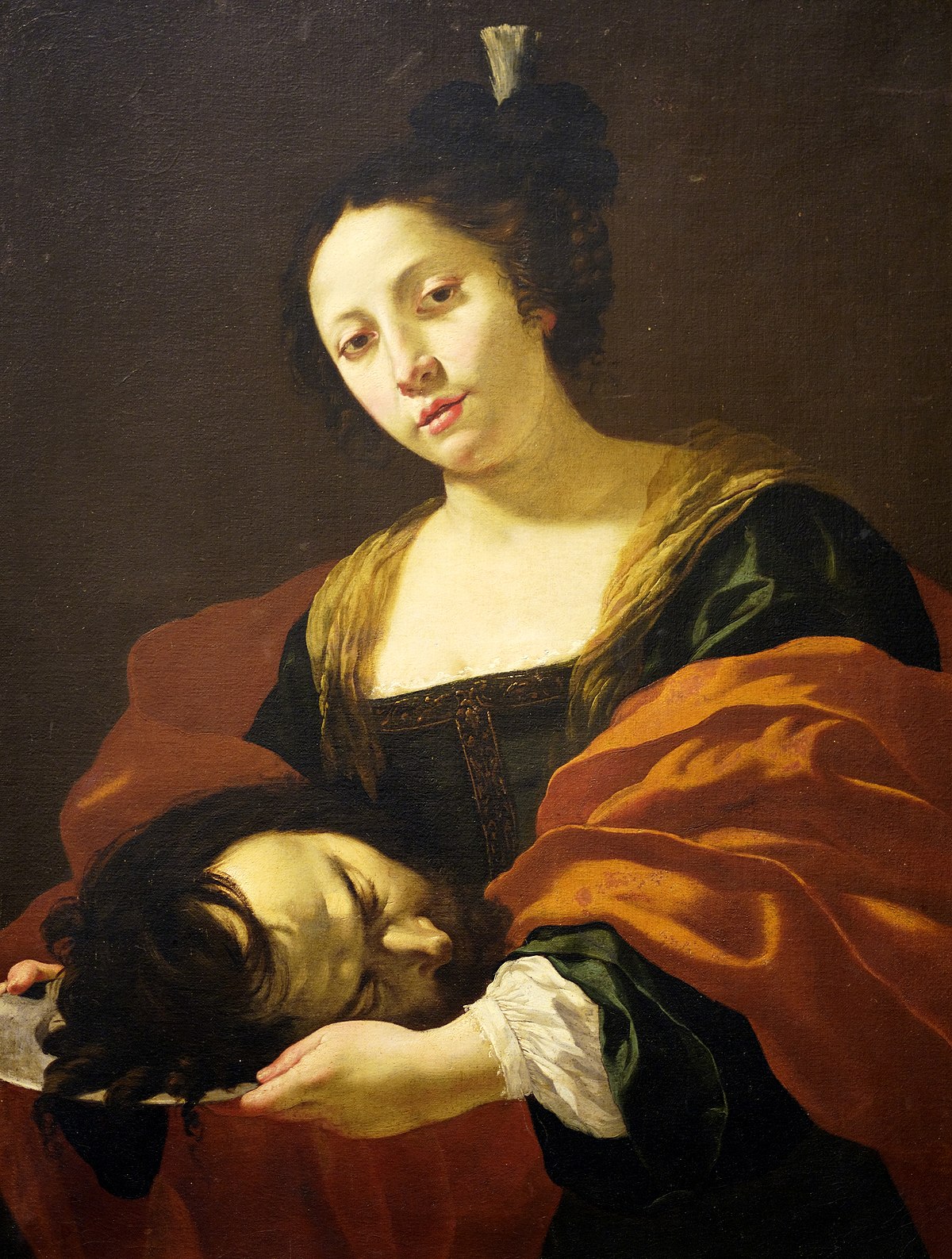
Franz Ritter von Stuck's 1906 painting, "Salome," is not merely a depiction of a biblical episode; it’s a profoundly unsettling and intensely symbolic exploration of desire, power, and the dark undercurrents of human nature. Emerging from the fertile ground of German Symbolism, Stuck masterfully blends classical precision with the dreamlike logic of the subconscious, creating an image that continues to captivate and disturb over a century later. The painting’s immediate impact lies in its dramatic composition – a carefully orchestrated tableau of figures poised on the precipice of violence and obsession. The scene unfolds within a shadowy, almost claustrophobic space, dominated by a towering, ornate architecture suggesting both opulence and impending doom. This isn't a straightforward narrative; it’s an atmosphere saturated with tension, inviting viewers to contemplate the motivations and fates of those involved.
A Symphony of Contrasts: Style, Technique, and Materiality
Stuck’s artistic style is immediately recognizable as a potent blend of Symbolism and Art Nouveau influences. The painting showcases his signature use of rich, jewel-toned colors – deep reds, emerald greens, and shimmering golds – applied with meticulous detail to create an opulent yet unsettling effect. His brushwork is deliberately expressive, employing visible strokes that contribute to the overall sense of drama and movement. Notice particularly the way he renders the textures: the velvet drapery, the polished surfaces of the architecture, and even the glistening skin of Salome herself – all are rendered with a tactile quality that draws the viewer into the scene. The painting was executed in oil on canvas, a medium that allowed Stuck to achieve both luminous color saturation and remarkable textural detail. The use of chiaroscuro—the dramatic contrast between light and shadow—further intensifies the emotional impact, highlighting key figures and obscuring others in an atmosphere of mystery and foreboding.
The Narrative Unfolds: Biblical Context and Symbolism
At its core, “Salome” depicts a pivotal moment from the New Testament – the fulfillment of Herodias’s vengeful plot against John the Baptist. However, Stuck doesn't offer a simple retelling of the story; instead, he delves into the psychological complexities of the characters and imbues the scene with layers of symbolic meaning. Salome herself is not portrayed as a seductive temptress but rather as a figure caught in a web of manipulation and driven by a primal desire for power. The presence of the dark servant, clutching John’s severed head on a platter, introduces an element of grotesque horror – a stark reminder of the brutal consequences of unchecked ambition. The architecture—a blend of Romanesque and Byzantine styles—suggests both grandeur and decay, mirroring the moral corruption at the heart of the narrative. The star-studded night sky serves as a backdrop to this drama, hinting at a realm beyond earthly concerns and perhaps suggesting a connection between life and death.
A “Prince of Art”: Stuck’s Legacy and Artistic Significance
Franz Ritter von Stuck was more than just an artist; he was a cultural phenomenon. Nicknamed the "Prince of Art" during his lifetime, he bridged the gap between academic tradition and the burgeoning currents of modernism. His work explored themes of sin, beauty, and the subconscious with a boldness and emotional intensity that resonated deeply with audiences at the turn of the 20th century. Villa Stuck, his own architectural masterpiece in Munich, stands as a testament to his artistic vision—a lavishly decorated space filled with sculptures, paintings, and intricate details reflecting his fascination with mythology, symbolism, and the darker aspects of human experience. “Salome” is arguably one of his most enduring works, demonstrating his mastery of dramatic composition, evocative color palettes, and profound psychological insight. It remains a powerful and unsettling image that continues to provoke discussion and inspire interpretation.
Вопросы и ответы
Как в «Salome», Франц Риттер фон Штук переплетаются художественное направление и эпоха?
«Salome» относится к направлению German Symbolism, а его создатель работал в эпоху — XIX век.
Является ли «Salome» одной из самых популярных работ Франц Риттер фон Штук?
Уровень популярности произведения «Salome», Франц Риттер фон Штук составляет Recognized.
Как выстроена цветовая композиция в «Salome», Франц Риттер фон Штук?
Цветовой анализ «Salome», Франц Риттер фон Штук выявляет Gentle контраст и Softly Mixed Palette гармонию.
Биография художника
Franz Ritter von Stuck: The Last Prince of Munich’s Art
Franz Ritter von Stuck, a name that echoes through the halls of German Symbolism and Art Nouveau, was more than just an artist; he was a cultural phenomenon, a “Prince of Art” as he was affectionately known during his lifetime. Born in 1863 in the tranquil Bavarian village of Tettenweis, nestled amidst rolling hills near Passau, Stuck’s journey from a young caricature artist to a celebrated painter, sculptor, and architect is a testament to both innate talent and an unwavering commitment to artistic innovation. Initially destined for a life following his father as a forester, a path dictated by the rural traditions of his upbringing, young Franz quickly revealed an undeniable passion for drawing – a spark that would irrevocably alter the course of his destiny. This early aptitude led him to Munich, a city brimming with artistic energy and opportunity, where he first enrolled at the School of Applied Arts in 1878 and later pursued formal training at the prestigious Academy of Fine Arts from 1882-1884, absorbing the influence of Arnold Böcklin’s hauntingly beautiful mythological scenes – a formative experience that would profoundly shape his artistic vision. Stuck wasn't merely an imitator; he skillfully synthesized these influences into something uniquely his own, forging a distinctive style characterized by classical precision blended with Symbolist mystery and a profound exploration of human emotion.The Rise to Prominence: A Master of Myth and Emotion
Stuck’s ascent to artistic prominence was remarkably swift and dramatic. His breakthrough arrived in 1889 with *The Guardian of Paradise*, an arresting painting exhibited at the Munich Glass Palace, instantly captivating critics and securing him a gold medal – a recognition that catapulted him into the heart of Munich's vibrant art scene. This wasn’t simply a technically proficient work; it was a declaration of artistic intent – a bold assertion of a new voice blending classical rigor with mythological subject matter and an undercurrent of Symbolist intrigue. He quickly became a central figure in challenging the conservative norms of the time, co-founding the Munich Secession in 1892 alongside like-minded artists determined to break free from the constraints of academic tradition and champion modern artistic expression. This act of rebellion coincided with his exploration into sculpture, debuting with *Athlete* (1892), a dynamic bronze figure that demonstrated his remarkable versatility as an artist. However, it was *The Sin* (1893) – a visceral depiction of temptation and moral struggle – that truly cemented his reputation as a master of Symbolist painting, captivating audiences with its dramatic intensity, psychological depth, and unsettling beauty. This period marked the full flowering of Stuck’s unique style—a potent combination of sensuality, classical form, and symbolic resonance, reflecting both his fascination with ancient myths and his exploration of the darker aspects of human nature.Themes and Influences: A World of Desire and Myth
The artistic universe of Franz von Stuck is profoundly shaped by recurring motifs that reveal his deep engagement with timeless themes. Mythology served as a constant source of inspiration, drawing from Greek, Roman, and biblical narratives which he reimagined with a distinctly personal flair – transforming familiar stories into hauntingly beautiful allegories. These weren’t mere retellings; they were explorations of the human condition filtered through the lens of ancient myths, imbued with his own emotional intensity and symbolic language. Equally prominent was his fascination with sensuality and the *femme fatale*—a recurring figure in his paintings, powerfully embodied in numerous depictions of Salome – a character representing desire, danger, and moral ambiguity. These works weren’t simply about physical beauty; they delved into the psychological complexities of female power and its potential for both allure and destruction. Underlying all this was a deep reverence for classical art—evident in his meticulous technique, anatomical accuracy, and compositional rigor, influenced by artists like Arnold Böcklin and Gustave Moreau. However, Stuck wasn’t merely an imitator; he skillfully synthesized these influences into something uniquely his own, forging a distinctive style that resonated with the spirit of the age.A Knight of Art: Honors and Legacy
In 1895, Franz von Stuck took on another crucial role – that of teacher at the Munich Academy, where he became a highly respected instructor, not only imparting technical skills but also encouraging his students to explore their individual artistic visions. Among those who benefited from his guidance were luminaries such as Paul Klee, Hans Purrmann, and Josef Albers—demonstrating the breadth of his influence. His dedication to art was further recognized in 1905 when he was ennobled, becoming “Ritter von Stuck” – a testament to his growing prestige and contribution to German culture. He continued to receive accolades throughout Europe, solidifying his position as one of the leading artists of his time. His Villa Stuck in Munich, designed by himself, stands as a lasting monument to his life and work—a stunning example of Art Nouveau architecture that showcases his artistic vision and technical mastery. The villa’s interior design, furniture, and overall aesthetic reflect his deep understanding of art and its potential to transform the everyday world. Franz von Stuck died on August 30, 1928, in Munich; his funeral address memorialized him as “the last prince of art of Munich’s great days.” His legacy endures not only through his paintings and sculptures but also through the countless artists he inspired—ensuring that the spirit of Franz von Stuck continues to resonate within the art world today.Major Works and Enduring Significance
- The Guardian of Paradise (1889): A seminal work showcasing his early mastery of color, composition, and mythological themes.
- Dissonance (1893): An unsettling portrayal embodying emotional turmoil through a woman playing the violin – a powerful example of his Symbolist style.
- Salome (various versions): Perhaps his most iconic work, depicting the biblical story with striking sensuality and psychological depth, exploring themes of desire, temptation, and destruction.
- Athlete (1892): A dynamic bronze sculpture demonstrating his skill in three-dimensional form and capturing a sense of movement and power.

Франц Риттер фон Штук
1863 - 1928 , Германия
Об авторе
- Artistic Movement Or Style: Символизм, модерн
- Artists Or Movements Influenced By This Artist: ['Клее, Кандинский']
- Artists Who Influenced This Artist:
- Арнольд Бёклин
- Прерафаэлиты
- Date Of Birth: 23 февраля 1863
- Date Of Death: 30 августа 1928
- Full Name: Franz Ritter von Stuck
- Nationality: Немецкий
- Notable Artworks:
- «Хранительница рая»
- «Саломея»
- Грех»»
- Place Of Birth: Теттенвей, Германия
Похожие статьи

Джон Констебль: 25 шедевров английского пейзажа для вашего интерьера
Погрузитесь в мир английского пейзажа с Джоном Констеблом! 25 шедевров романтизма, история создания картин и вдохновение для вашего интерьера. Репродукции высокого качества на OriginalUniqueArt.com – искусство для ценителей.

Джон Сингер Сарджент: 25 шедевров портретной живописи для вашего интерьера | OriginalUniqueArt
Погрузитесь в мир Джона Сингера Сарджента! 25 шедевров импрессионизма и реализма, раскрывающих элегантность эпохи Gilded Age. Купите репродукции картин Сарджента музейного качества для вашего интерьера на OriginalUniqueArt.com.

The Gleaming Geometry of Desire: Exploring Art Deco's Enduring Influence on Visual Culture
Explore the captivating world of Art Deco! Discover its history, key characteristics, enduring influence on design & collecting with expert insights from OriginalUniqueArt.com.
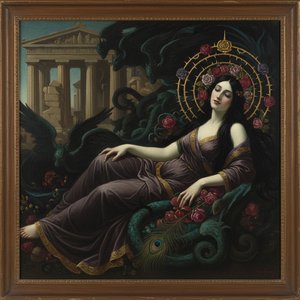
Franz von Stuck: Symbolism, Decadence & the Pursuit of Ideal Beauty
Explore the captivating world of Franz von Stuck, a leading Symbolist painter. Discover his mythological masterpieces, decadent themes, & investment potential. Expert analysis for discerning collectors.

The Gilded Age Reimagined: Exploring the Aesthetic Principles & Enduring Legacy of Art Deco
Explore the captivating world of Art Deco! Discover its origins, defining features, cultural impact & enduring legacy. Expert insights for collectors and design enthusiasts. Shop handmade reproductions at OriginalUniqueArt.