German Expressionism · 1914
Fighting Forms (Франц Марк, 1914)
Франц Марк (1880–1916) создал(а) Fighting Forms. Создано в 1914. Относится к направлению German Expressionism. Выполнено в технике Oil On Canvas. Хранится в Bayerische Staatsgemaldesammlungen в Мюнхен, Германия. Размер: 91 × 131 cm
- 1914
- Oil On Canvas
- 91 × 131 cm
- Bayerische Staatsgemaldesammlungen, Мюнхен

 Предпросмотр

 Картина маслом ручной работы
 Поделиться
 Поделиться
 Справка об объекте


 Скачать
 Похожие предметы
 Рентгенография
 Слайд-шоу
 Вопросы и ответы

 Статистика просмотров
Fighting Forms вкратце
- Название
- Fighting Forms
- Автор
- Франц Марк (1880–1916)
- Дата рождения художника
- Мюнхен, Германия
- Дата
- 1914
- Техника
- Oil On Canvas
- Размеры
- 91 × 131 cm
- Где посмотреть
- Bayerische Staatsgemaldesammlungen, Мюнхен, Германия
- Движение
- German Expressionism
- Сюжет
- expressionism, conflict, red, black, animals, anxiety
Что изображено на Fighting Forms?
A Symphony of Conflict: Unpacking the Power of Franz Marc’s *Fighting Forms*
Franz Marc's 1914 painting, *Fighting Forms*, isn’t merely a visual representation; it’s an intensely felt experience. Created during a period of escalating anxieties surrounding the impending First World War, this work embodies the core tenets of Expressionism – a movement dedicated to conveying subjective emotions and inner turmoil rather than objective reality. Marc, a founding member of Der Blaue Reiter, sought to capture not just what he saw, but how he *felt*, channeling his spiritual concerns into a language of vibrant color and dynamic form. The painting immediately confronts the viewer with a swirling vortex of red and black, hues that instinctively evoke danger, struggle, and perhaps even death. Yet, within this apparent chaos lies a profound sense of yearning – a desperate plea for understanding amidst the looming darkness.
- The Palette of Emotion: Marc’s masterful use of color is paramount. The dominant reds represent aggression, violence, and the destructive forces threatening to consume humanity. These fiery tones are juxtaposed with the darker blacks and browns, symbolizing the unknown, the unconscious, and the inevitable consequences of conflict.
- Animal as Symbol: As a lifelong devotee of the animal kingdom, Marc frequently employed them as symbolic figures in his work. While not explicitly depicted here, the forms themselves suggest a primal struggle – a dance between predator and prey, life and death. This connection to the natural world provides a grounding element within the painting’s emotional intensity.
Deconstructing Abstract Forms: A Language of Tension
The composition of *Fighting Forms* is deliberately abstract, eschewing realistic representation in favor of conveying raw emotion. The swirling shapes aren't meant to depict specific objects or figures; instead, they embody the very essence of conflict – a chaotic interplay of opposing forces. Marc’s brushwork is loose and gestural, emphasizing movement and energy over precise detail. Notice how the lines seem to vibrate with an almost palpable tension, mirroring the anxieties of the era. The painting feels less like a static image and more like a captured moment of intense emotional upheaval – a visual representation of a battle waged not just on the battlefield, but within the human psyche.
Technique & Materials: Executed in oil on canvas, Marc’s technique is characterized by bold strokes and an expressive application of paint. The layering of colors creates depth and dynamism, while the loose brushwork contributes to the painting's overall sense of movement and urgency.Historical Context: A Precursor to War
To fully appreciate *Fighting Forms*, it’s crucial to understand its creation within the context of 1914. Europe was teetering on the brink of war, and Marc, like many artists of his time, felt a deep sense of foreboding. His work reflects this anxiety – not through explicit depictions of warfare, but through an exploration of the underlying emotions that fueled it: fear, uncertainty, and the potential for destruction. *Fighting Forms* can be seen as a visual meditation on the fragility of peace and the ever-present threat of violence. It’s a poignant reminder of how art can serve as a powerful reflection of its time.
A Legacy of Emotional Resonance
Franz Marc's *Fighting Forms* remains a profoundly moving work of art, continuing to resonate with viewers over a century later. Its abstract forms and emotionally charged colors capture the anxieties of a turbulent era while simultaneously offering a glimpse into the artist’s deeply held spiritual beliefs. Reproductions of this powerful painting offer an opportunity to bring its intensity into any space, prompting contemplation on themes of conflict, spirituality, and the enduring human condition. Consider how the vibrant hues might transform a room – injecting it with a sense of urgency and introspection.
В каком музее находится Fighting Forms?
Bayerische Staatsgemaldesammlungen
Мюнхен, Германия
История Bayerische Staatsgemaldesammlungen Истоки Bayerische Staatsgemaldesammlungen уходят корнями в 1799 год, когда была основана Centralgemäldegaleriedirektion. Расположенный в Мюнхене, Германия, этот институт начинал свой путь как тщательно отобранное пространство, предназначенное исключительно для королевских коллекций. Такое первоначальное предназначение отражает эпоху, когда искусство принадлежало лишь частной сфере аристократии, прежде чем трансформироваться в общедоступный культурный ресурс, каким мы знаем его сегодня.


Изображения в высоком разрешении: Fighting Forms

Общественное достояние: художник умер в 1916.
Другие размеры, фрагменты и цитирование →Франц Марк, Fighting Forms (1914).
Франц Марк (1880–1916), Fighting Forms, 1914, oil on canvas, Bayerische Staatsgemaldesammlungen, Мюнхен, Германия. Общественное достояние Изображение: OriginalUniqueArt.com.
Ответы на вопросы о Fighting Forms
Где можно увидеть оригинал «Fighting Forms», Франц Марк?
Вы можете увидеть оригинал произведения «Fighting Forms» в Bayerische Staatsgemaldesammlungen, Мюнхен, Германия.
В каком году было создано произведение «Fighting Forms»?
Создание «Fighting Forms», Франц Марк датируется 1914 годом.
В какой технике выполнено произведение «Fighting Forms»?
Техника исполнения работы «Fighting Forms», Франц Марк — Oil On Canvas. Репродукции стремятся максимально точно передать особенности этой техники.
Каковы размеры оригинала «Fighting Forms», Франц Марк?
Размер оригинала произведения «Fighting Forms» составляет 91 x 131 cm. Оригинальные размеры могут служить полезным ориентиром при выборе размера репродукции.
Что изображено на картине «Fighting Forms», Франц Марк?
Темы, представленные в «Fighting Forms», Франц Марк, включают expressionism, conflict, red, black, animals, anxiety, war, forms. Вместе они раскрывают основной сюжет произведения.
Находится ли изображение «Fighting Forms», Франц Марк в общественном достоянии?
Что касается авторских прав, произведение «Fighting Forms» находится в общественное достояние — срок действия авторского права истёк.
Какому художнику приписывают работу «Fighting Forms»?
Авторство работы «Fighting Forms» приписывается Франц Марк.
К какому художественному направлению относится «Fighting Forms», Франц Марк?
«Fighting Forms» — это произведение в стиле German Expressionism. Данное направление указывает на художественную традицию, к которой относится эта работа.
К какому периоду творчества Франц Марк относится произведение «Fighting Forms»?
«Fighting Forms» относится к Late Period художника Франц Марк.
Об авторе, Франц Марк

1880–1916, Германия
Франц Марк
Ранние годы, семья и обучение Франц Марк родился в Мюнхене, Германия, в семье, где визуальный язык пейзажа уже был глубоко укоренен. Его отец, Вильгельм Марк, был профессиональным художником-пейзажистом, что обеспечило сыну прямое, хотя и не сразу определенное, знакомство с механикой искусства. Эта семейная связь означала, что инструменты мастерства были в его распоряжении с самого начала, однако путь Марка не был прямой линией от наследства к холсту. Прежде чем полностью посвятить себя живописи, он провел время, погружаясь в теологию — период духовных поисков, который впоследствии определил невероятную интенсивность его визуального языка.
Другие работы Франц Марк
 Синяя лошадь I1911
 без названия (4325)
 Большие синие лошади1911
 Тироль1914
Эссе к произведению Fighting Forms
 The Visceral Language of Emotion: Exploring Representations of Intense Feeling in Art HistoryExplore the profound history of emotional representation in art. Discover how masters like Goya evoked feeling & the impact of affect theor…
 25 Masterpieces by Franz Marc: The Soul of German ExpressionismFranz Marc co-founded the Blue Rider movement in Munich. See 25 works including The Large Blue Horses and Tyrol from the era of Expressioni…
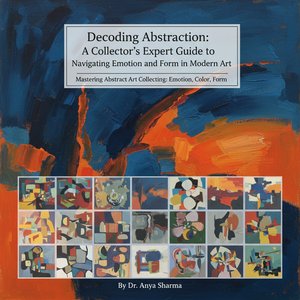 За пределами репрезентации: расшифровка эмоций и смысла в современном абстрактном искусствеИсследуйте глубинный мир абстрактного искусства! Разбираем техники, влияние экспрессионизма и психологию цвета. Экспертный анализ для ценит…