

 Примерить в интерьере
 Отправить
 Поделиться
 Подробнее
 Руководство

 Скачать
 Похожие объекты
 Рентгенография
 Слайд-шоу
 Q&A
Q&A Статистика
Duet
 Oil
Oil- WallArt
- Dutch Golden Age
 1658
1658- Early Modern
 31.0 x 24.0 cm
 Staatliches Museum
 Развернуть текст
Жикле / Арт-принты
Печать (жикле) или холст музейного качества с быстрыми сроками изготовления и широким выбором вариантов отделки. ( Заказать репродукцию ручной работы Перейти к цифровым изображениям)




P118B $10

P118H $10

P118W $10

P438Z $10

P508JH $12

P508YH $12

P805H $10

P805Z $10

P919BZ $10

P919G $10

P919XJ $10

P959ZH $10

P968JZ $12

W106C $8

W218G $10

W218JH $8

W218Y $10

W307PJ $10

W316G $10

W316PJ $8

W316Y $10

W398PJ $8

W4111J $10

W500HY $15

W500JH $15

W692G $12

W849H $8

W940BG $15

W953PJ $8




Выберите один из наших стандартных размеров, соответствующих оригинальным пропорциям произведения искусства.

Введите необходимую ширину и высоту, чтобы репродукция подошла к вашей раме или стене. При печати изображение можно только уменьшить, но нельзя увеличить больше оригинала, поэтому при выборе другого формата часть изображения может быть обрезана. Перед печатью мы отправим вам цифровой макет на утверждение. Изображение на этой странице не отображает реальную обрезку — ее можно увидеть только на макете.
Доставка по всему миру () за 2 недели вместо стандартных 4–5 недель. (30 Октябрь)

Бесплатная экспресс-доставка по всему миру

Высококачественный льняной холст

Полное страхование при транспортировке

Гарантия возврата таможенных пошлин

Гарантия точного цветового соответствия

100-дневный период возврата (только при обнаружении дефектов)

Гарантия возврата 100% средств

Скидка при заказе нескольких работ
 Вариант со стеклом доступен только для размеров менее 110 см

Duet
Жикле / Арт-принты
Размер репродукции
-


Итоговая стоимость
$ 80
A Symphony of Light and Detail
In the quiet intimacy of a seventeenth-century Dutch interior, Frans van Mieris the Elder captures a moment of profound musical connection in his masterpiece, Duet. This exquisite work serves as a quintessential example of the fijnschilder style, a technique where the artist’s brushwork becomes nearly invisible, leaving behind only the breathtaking reality of texture and light. As we gaze upon the scene, we are transported to an era of refined elegance, where the soft glow of candlelight or filtered daylight dances across the polished wood of a harpsimchord and the rich, crimson folds of a lady's gown. The painting is not merely a depiction of a musical performance; it is a sensory experience that invites the viewer to hear the delicate pluck of strings and feel the hushed reverence of the room.
The composition centers on a woman lost in the rhythmic flow of her music, her posture poised and graceful. Beside her, a companion watches with an intensity that suggests a shared emotional resonance, creating a silent dialogue between the performers. The inclusion of a small dog, resting loyally at their feet, adds a layer of domestic warmth and symbolizes fidelity, grounding the sophisticated atmosphere in a sense of home and heart. Every element, from the delicate lace of a collar to the subtle sheen on the musical score, is rendered with a precision that speaks to Van Mieris’s mastery of the Leiden school, making this piece a jewel of the Dutch Golden Age.
Historical Elegance for the Modern Collector
To possess a reproduction of Duet is to bring a piece of history into the contemporary living space. Created in 1658, during the height of the Dutch Golden Age, this work reflects the prosperity and cultural sophistication of the Netherlands. During this period, artists like Van Mieris were celebrated for their ability to elevate genre scenes—everyday moments of life—into high art through unparalleled technical virtuosity. For the discerning interior designer, this painting offers a timeless focal point that complements both classical and modern decor. Its rich palette of deep reds, warm ambers, and soft shadows provides a sophisticated anchor for a room, evoking a sense of luxury and intellectual depth.
Beyond its aesthetic appeal, the painting serves as an emotional sanctuary. In an age of digital noise, the stillness captured in Duet offers a meditative quality that can transform the atmosphere of any gallery or private residence. It is a celebration of the fine arts, the beauty of domesticity, and the enduring power of human connection. Whether displayed in a sunlit study or a formal dining room, this work continues to inspire awe, reminding us of the meticulous beauty that can be found in life's most quiet, harmonious moments.
Вопросы и ответы
Какое место занимает «Duet», Frans van Mieris в истории искусства?
«Duet», Frans van Mieris относится к направлению Dutch Golden Age, характерному для эпохи Early Modern. Вместе они определяют место этого произведения в истории искусства.
Какие цвета преобладают в работе «Duet», Frans van Mieris?
В произведении «Duet» преобладает Earthy палитра, в которой доминирует Phthalo Green (#301e1f).
Что изображено на картине «Duet», Frans van Mieris и какое настроение она передает?
«Duet», Frans van Mieris сочетает в себе portrait, harpsichord, music, dutch golden age, 17th century, elegant scene, fijnschilder с Elegant атмосферой.
Биография художника
Жизнь, погруженная в детали: мир Фрэнса ван Мьериса Старшего
Фрэнс ван Мьерис Старший — имя, ставшее синонимом скрупулезной детализации и утонченного мастерства, занимает почетное место в истории Золотого века Голландии. Рожденный в Лейдене в 1635 году, он выбрал путь, далекий от семейного ремесла ювелира, которым занимался его отец, Ян Бастианс ван Мьерис, и устремился в пленительный мир живописи. Эта ранняя склонность к рисованию подготовила почву для карьеры, которая определит стиль «фейншильдер» (fijnschilder) и позволит нам заглянуть в сокровенные уголки голландского общества XVII века. Первые шаги под руководством Абрахама Тооренвлита, а затем важнейшие уроки от прославленного Геррита Доу, заложили прочный фундаломент, на котором он воздвиг свой неповторимый художественный голос. Эти годы становления привили ему не только техническое совершенство, но и глубокое понимание повествовательных нюансов и силу тончайшего наблюдения.Восхождение мастера «тонкой живописи»
Ван Мьерис быстро снискал славу мастера стиля *fijnschilder* — голландского термина, обозначающего «тонкую живопись». Эта техника характеризовалась почти одержимым вниманием к мелочам, гладкими, отполированными мазками и предпочтением небольшим холстам. Речь шла не просто о копировании реальности, а о ее возвышении через невероятную точность. Поверхности на его полотнах словно мерцают жизнью: глянцевый блеск атласа, деликатная текстура бархата, отблеск металла — всё передано с поразительной достоверностью. Он не просто писал комнату; он воссоздавал саму атмосферу внутри нее, приглашая зрителя в сцены домашнего уюта и достатка. Его сюжеты часто вращались вокруг жизни богатых слоев общества: элегантные собрания, роскошные интерьеры, портреты, улавливающие не только внешнее сходство, но и характер. Повторяющиеся мотивы, такие как обеды с устрицами, визиты врачей к пациентам или женщины, занятые повседневными делами, служили окнами в привычки и социальные ритуалы высших классов. Хотя поначалу он находился под сильным влиянием стиля Геррита Доу, Ван Мьерис постепенно выработал собственный уникальный подход. Он отошел от избыточности деталей в сторону большего акцента на взаимодействии персонажей и развитии сюжета внутри композиции. Его поздние работы иногда демонстрируют более темные тона по сравнению с яркой палитрой ранних полотен, что отражает рост его зрелости и художественного поиска.Значимые произведения и непреходящее наследие
Несколько ключевых работ служат неоспоримым свидетельством мастерства и эволюции стиля Ван Мьериса. Визит врача (1657), считающийся одной из его самых ранних и важных работ с указанной датой, демонстрирует его растущую независимость от влияния Доу. Эта картина — настоящий мастер-класс по передаче тихого напряжения медицинского осмотра, исполненный с невероятным уровнем реализма. Его Автопортрет с цитрой столь же захватывающе демонстрирует способность изображать роскошные наряды, одновременно передавая чувство личности и саморефлексии. Портрет жены художника, Кунеры ван дер Кок, являет собой пример его мастерства в портретном жанре, подчеркивая как технический навык, так и понимание *chiaroscuro* — драматической игры света и тени. Помимо жанровых сцен и портретов, Ван Мьерис также обращался к аллегорическим картинам, изображающим пороки, такие как пьянство, курение и азартные игры, демонстрируя широту своих творческих возможностей. Влияние Фрэнса ван Мьериса вышло далеко за пределы его собственной жизни. Его наследие нашло отклик в его семье: его сын Виллем ван Мьерис (1662–1747) и внук Фрэнс ван Мьерис Младший (1689–1763) оба стали выдающимися мастерами жанровой живописи, продолжая семейную традицию. Популярность его стиля породила множество последователей, наиболее заметным из которых был А. Д. Снапхан, работавший в Лейпциге под покровительством двора Анхальт-Дессау.Вечный вклад в голландское искусство
Фрэнс ван Мьерис сыграл ключевую роль в формировании движения *fijnschilder* в живописи Золотого века Голландии. Его преданность мельчайшим деталям, реалистичное изображение повседневной жизни и высшего общества, а также технический блеск внесли значительный вклад в эпоху, и без того известную своими инновациями. Он пользовался покровительством видных деятелей, включая эрцгерцога Леопольда и Козимо III Медичи, что является свидетельством международного признания его таланта. Даже сегодня его работы продолжают покорять публику своим изысканным мастерством и проницательным изображением культуры XVII века. Кража автопортрета из Художественной галереи Нового Южного Уэльса в Сиднее служит горьким напоминанием о непреходящей ценности и притягательности его искусства — наследия, которое продолжает вдохновлять и интриговать коллекционеров и любителей прекрасного. Его картины — это не просто исторические артефакты; это окна в ушедшую эпоху, тщательно созданные и наполненные вневременной красотой.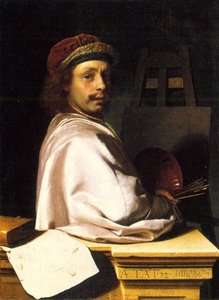
Frans van Mieris
1635 - 1681 , Нидерланды
Краткая справка
- Artistic Movement Or Style: Финсшильдер
- Artists Or Movements Influenced By This Artist: ['Финсшильдер']
- Artists Who Influenced This Artist: ['Геррит Доу']
- Date Of Birth: Лейден, Нидерланды (1635)
- Date Of Death: 1681
- Full Name: Франс Янсз ван Мьерейс Старший
- Nationality: Нидерландский
- Notable Artworks:
- Встреча врача
- Портрет художника с цитерной
- Place Of Birth: Лейден
Похожие статьи

Золотой век Голландии: 10 шедевров, изменивших искусство | OriginalUniqueArt.com
Погрузитесь в эпоху Золотого века Нидерландов! 10 шедевров Рембрандта, Вермеера и других мастеров. Узнайте истории создания культовых картин и вдохновитесь для интерьера. Репродукции музейного качества на OriginalUniqueArt.com.

Crimson Threads of Narrative: Exploring Symbolism & Representation in Artworks Featuring the Red Dress
Explore the rich symbolism of the red dress in art history! From ancient power displays to iconic portraits like Cézanne’s 'Madame Cezanne', discover the cultural and artistic significance behind this captivating color. Expert analysis & insights.

Golden Light & Dutch Skies: The Timeless Magic of Dutch Golden Age Landscapes
Discover the breathtaking beauty of Dutch Golden Age landscapes. Explore the mastery of light, chiaroscuro, and 17th-century realism through an expert art history lens, celebrating the enduring legacy of the Dutch Masters for discerning collectors and art lovers.

Mastering Light & Shadow: A Journey Through the Dutch Golden Age's Luminous Legacy
Embark on a cultural journey through the Dutch Golden Age. Explore the masterful interplay of light and shadow in 17th-century masterpieces, from Rembrandt to Vermeer, and discover how this era of profound realism continues to inspire fine art collectors today.

Golden Age Reflections: Dutch Baroque Painting & Cultural Innovation
Explore the Dutch Golden Age of painting! Discover key artists like Vermeer & ter Borch, their innovative techniques, and the rich cultural context behind these Baroque masterpieces. Learn about collecting & appreciating this iconic art period.
