() ·

Картина, созданная вручную специально для вас

Girl Reading

Масляная репродукция ручной работы

Картина маслом на холсте в выбранном вами размере и раме, написанная на заказ нашими художниками. ( Перейти к печатным копиям Перейти к цифровым изображениям)

Описание предмета коллекционирования

Discover Frank Duveneck's 'Girl Reading,' a captivating realism painting from 1876. This evocative work, featuring a young woman lost in her book, showcases the artist’s masterful use of color and detail – a poignant reflection of life and emotion.

Биография художника

Франк Дувенек (1848-1919) – американский реалист, вдохновленный Франсом Хальсом и школой Мюнхена. Его картины полны драматизма, психологической глубины и мастерства. Откройте для себя его наследие!

от ·

Глава 1

Какой размер выбрать?

Передвигайте ползунок, чтобы изменить размер; на изображении слева показана реальная ширина рамы. Пропорции оригинала сохраняются.

Стандартный размер
на заказ
CM
INCH

Выберите один из наших стандартных размеров, соответствующих оригинальным пропорциям произведения искусства.

ширина
высота

Введите необходимую ширину и высоту, чтобы репродукция подошла к вашей раме или стене. Поскольку работа выполняется вручную, при изменении пропорций художник может немного увеличить область вокруг картины или, наоборот, обрезать края — выбор за вами. Перед началом работы мы пришлем вам цифровой макет на утверждение. Изображение на этой странице не является точным результатом — увидеть реальный вид можно только на макете.

Глава 2

В каком виде вы хотите получить заказ?

Выберите тип обработки краев холста

Выберите свою раму

Corner sample of the WhiteWrap canvas edge finish, stretched on массив дерева bars
Белый торцевой край $1
Corner sample of the BlurSideWrap canvas edge finish, stretched on массив дерева bars
Размытый край $1
Corner sample of the ExtendedWrap canvas edge finish, stretched on массив дерева bars
С продолжением изображения $1
Corner sample of the P118B picture frame: формованный полистирол, 5 cm wide and 3 cm thick
P118B $10
Corner sample of the P118H picture frame: формованный полистирол, 5 cm wide and 3 cm thick
P118H $10
Corner sample of the P118W picture frame: формованный полистирол, 5 cm wide and 3 cm thick
P118W $10
Corner sample of the P438Z picture frame: формованный полистирол, 5.5 cm wide and 3.5 cm thick
P438Z $10
Corner sample of the P508JH picture frame: формованный полистирол, 7 cm wide and 3.5 cm thick
P508JH $12
Corner sample of the P508YH picture frame: формованный полистирол, 7 cm wide and 3.5 cm thick
P508YH $12
Corner sample of the P805H picture frame: формованный полистирол, 5 cm wide and 3.5 cm thick
P805H $10
Corner sample of the P805Z picture frame: формованный полистирол, 5 cm wide and 3.5 cm thick
P805Z $10
Corner sample of the P919BZ picture frame: формованный полистирол, 7 cm wide and 3.5 cm thick
P919BZ $10
Corner sample of the P919G picture frame: формованный полистирол, 7 cm wide and 3.5 cm thick
P919G $10
Corner sample of the P919XJ picture frame: формованный полистирол, 7 cm wide and 3.5 cm thick
P919XJ $10
Corner sample of the P959ZH picture frame: формованный полистирол, 5 cm wide and 3 cm thick
P959ZH $10
Corner sample of the P968JZ picture frame: формованный полистирол, 6 cm wide and 4 cm thick
P968JZ $12
Corner sample of the W106C picture frame: массив дерева, 5 cm wide and 3 cm thick
W106C $8
Corner sample of the W218G picture frame: массив дерева, 5 cm wide and 3 cm thick
W218G $10
Corner sample of the W218JH picture frame: массив дерева, 5 cm wide and 3 cm thick
W218JH $8
Corner sample of the W218Y picture frame: массив дерева, 5 cm wide and 3 cm thick
W218Y $10
Corner sample of the W307PJ picture frame: массив дерева, 6 cm wide and 3 cm thick
W307PJ $10
Corner sample of the W316G picture frame: массив дерева, 6 cm wide and 3 cm thick
W316G $10
Corner sample of the W316PJ picture frame: массив дерева, 6 cm wide and 3 cm thick
W316PJ $8
Corner sample of the W316Y picture frame: массив дерева, 6 cm wide and 3 cm thick
W316Y $10
Corner sample of the W398PJ picture frame: массив дерева, 5 cm wide and 3 cm thick
W398PJ $8
Corner sample of the W4111J picture frame: массив дерева, 6.5 cm wide and 3.5 cm thick
W4111J $10
Corner sample of the W500HY picture frame: массив дерева, 7 cm wide and 5 cm thick
W500HY $15
Corner sample of the W500JH picture frame: массив дерева, 7 cm wide and 5 cm thick
W500JH $15
Corner sample of the W692G picture frame: массив дерева, 8 cm wide and 4 cm thick
W692G $12
Corner sample of the W849H picture frame: массив дерева, 5 cm wide and 3 cm thick
W849H $8
Corner sample of the W940BG picture frame: массив дерева, 7.5 cm wide and 4.5 cm thick
W940BG $15
Corner sample of the W953PJ picture frame: массив дерева, 6 cm wide and 3.5 cm thick
W953PJ $8
Corner sample of the H24-GOLD picture frame: резное дерево с левкасом, 10 cm wide and 6 cm thick
H24-GOLD $30
Corner sample of the H24-SILVER picture frame: резное дерево с левкасом, 10 cm wide and 6 cm thick
H24-SILVER $30
Corner sample of the H36-GOLD picture frame: резное дерево с левкасом, 15 cm wide and 6.5 cm thick
H36-GOLD $45
Corner sample of the H36-SILVER picture frame: резное дерево с левкасом, 15 cm wide and 6.5 cm thick
H36-SILVER $45

Багет: . Общий размер в раме: .

Глава 3

Кто является автором и стоит ли что-то изменить?

Примеры того, что можно изменить: заменить лицо фотографией клиента; добавить питомца (например, заменить кошку на собаку); добавить скрытое послание на задний план; изменить пейзаж или элементы фона.
После оформления заказа команда OriginalUniqueArt.com свяжется с клиентом по электронной почте для получения инструкций и предоставит предварительный макет

Доставка по всему миру () за 3–4 недели вместо стандартных 5 недель. (10 Ноябрь). Без компромиссов в качестве.

Глава 4

Последние штрихи

Табличка, как в музее?

Детали гравировки на бронзовой плакетке

This elegant plaque features the artist's name and the title of the artwork, finely engraved for a timeless presentation.

It is made from bronze with a refined, elegant finish. The text is precisely laser-engraved for a sharp and permanent result. Measuring 9x2 cm, the plaque is compact yet easy to read. It's built to be durable and scratch-resistant, offering a professional, museum-quality look. Mounting is simple thanks to the included adhesive backing.

Детали прозрачной акриловой таблички

The plaque includes essential engraved details such as the artist's name, the title of the artwork, the date it was created, the type of media used-like oil on canvas or watercolor-a brief description of the piece, and a QR code that links to the complete artwork information.

It is crafted from clear acrylic, offering a sleek, modern appearance. The text is UV-engraved in black to ensure strong visual contrast. With a size of 10x15 cm, it ensures optimal readability. It comes equipped with two metal hooks for secure wall mounting. The plaque is designed to be weather-resistant, making it suitable for various environments, and it includes interactive features that work seamlessly with smartphone scanning.

Информация о чёрной акриловой табличке

This elegant plaque includes engraved information such as the artist's name, the title of the artwork, the date it was created, the type of media used (like oil on canvas or watercolor), a short description of the artwork, and a QR code for quick access to more information.

The plaque itself is made from refined black acrylic with a premium finish. The text is laser-engraved in white for high contrast and readability. Its size is 10x15 cm, designed to be easy to read. It comes with two metal hooks for professional mounting. The design is sleek and fits any interior style. It is also weather-resistant and durable, with built-in digital integration for mobile compatibility.

Защитный лак?

Когда вам нужна доставка?

Глава 5

Ваша картина в соответствии с вашим заказом

Girl Reading

Техника репродукции

Размер репродукции

-

Выдающийся мастер высокого класса

Более высокая детализация, изысканность и дополнительное время на создание работы

-

Оформление репродукции

-

-

Для произведений искусства или репродукций, размер которых превышает 105 см (приблизительно 41 дюйм) по любой из сторон, рама будет доставлена в разобранном виде (в виде комплекта). Этот метод обеспечивает безопасную доставку и предотвращает повреждения при транспортировке.

Требуется профессиональная сборка — это не продукт для самостоятельной сборки (DIY).
Комплект должен быть собран, а холст натянут опытным мастером по багетным рамам с использованием клеевого ПВА (не входит в комплект), струбцин для натяжки холста и зажимов, чтобы удерживать подрамник ровным до полного высыхания клея. Неправильная сборка или неравномерное натяжение холста могут привести к необратимому повреждению произведения искусства и не являются гарантийным случаем.

  • В комплект входят все бруски из массива дерева, точно вырезанные по размеру.

  • Собирается с помощью предоставляемых винтов, а также столярного клея для угловых соединений, который не входит в комплект и должен быть приобретен вашим мастером.

  • Требуются профессиональные инструменты, не входящие в комплект: щипцы для натяжки холста (натяжитель) и зажимы, чтобы удерживать рейки ровно во время высыхания клея.

Важно:
Для соединения углов требуется клей для дерева, перекладины необходимо зафиксировать струбцинами до полного высыхания клея, а для натяжки холста на собранную раму требуются щипцы для натяжки холста. Ни один из этих инструментов не входит в комплект. Пожалуйста, убедитесь в наличии опытного мастера по багетным работам перед заказом рамы такого размера.

Этикетка

-

-

Защитный лак

Глянцевый лак (насыщает цвета, защищает от воздействия света и влаги)

-

Персонализация картины

Примеры возможных изменений: замена лица на фото клиента; добавление домашнего питомца (например, замена кошки на собаку); добавление скрытого сообщения на фоне; изменение пейзажа или элементов фона.

-

Экспресс-доставка

Доставка по всему миру () за 3–4 недели вместо стандартных 5 недель. (10 Ноябрь). Без компромиссов в качестве.

-

Экспресс-доставка

Доставка по всему миру () в течение 5 недель. (17 Ноябрь).

Включено в стоимость

Итоговая стоимость

$ 300

Итоговая стоимость $ 300

Вариант со стеклом доступен только для размеров менее 110 см

Включено в каждый заказ

  • Бесплатная экспресс-доставка по всему миру
  • Высококачественный льняной холст
  • Полное страхование при доставке
  • Гарантия возмещения таможенных пошлин
  • Гарантия точного цветового соответствия
  • 100-дневная гарантия возврата (только при обнаружении дефектов)
  • Гарантия возврата 100% средств
  • Скидка при оптовом заказе

A Moment of Quiet Reflection: Frank Duveneck’s “Girl Reading”

Frank Duveneck's "Girl Reading," painted in 1876, isn’t merely a portrait; it’s a carefully constructed tableau of domesticity and intellectual pursuit. The painting immediately draws the viewer into a scene of serene contemplation – a young woman lost within the pages of her book, bathed in a soft, diffused light that speaks to both intimacy and a certain melancholy. Duveneck, a remarkably prolific artist whose life was tragically cut short at the age of 71, masterfully captures this quiet moment, imbuing it with an emotional resonance that transcends its simple subject matter.

The composition is deceptively straightforward. The girl, dressed in a vibrant crimson gown – a bold and striking color choice for the era – sits poised on what appears to be a small stool or bench. Her posture suggests both comfort and concentration; her hand rests lightly upon the book, while her gaze is utterly absorbed by its contents. The dark shawl draped across her shoulders and the matching hat contribute to a sense of understated elegance and perhaps a touch of reserve. The background, rendered in muted browns and greens, serves as a subtle counterpoint to the girl’s vivid attire, directing the eye back to her central figure.

Impressionistic Realism: A Delicate Balance

Duveneck's style is often described as “impressionistic realism,” a term that perfectly encapsulates his approach. He skillfully blends elements of both movements – the loose brushstrokes and emphasis on capturing fleeting moments characteristic of Impressionism, with the meticulous detail and accurate representation favored by Realists. Notice how he uses broken color to create an atmospheric effect, particularly in the dappled light filtering through an unseen window. The paint isn’t blended smoothly; instead, it's applied in short, visible strokes that give the scene a sense of immediacy and vitality. This technique allows him to convey not just what he *sees*, but also how he *feels* about what he sees – a subtle emotional layering that elevates the painting beyond a simple likeness.

The artist’s use of light is particularly noteworthy. It's not harsh or dramatic, but rather soft and diffused, creating a sense of warmth and intimacy. This gentle illumination highlights the girl’s face and hands, drawing attention to her engagement with the book. The shadows are equally deliberate, adding depth and dimension to the scene and subtly hinting at the quiet solitude of the moment.

A Window into 19th-Century Life

"Girl Reading" offers a poignant glimpse into the domestic life of mid-19th century America. The painting reflects a time when education, particularly for women, was increasingly valued, though still often limited. The girl’s act of reading represents a burgeoning intellectual curiosity and a desire for knowledge – a subtle assertion of agency within a society that frequently confined women to traditional roles. Furthermore, the setting itself—a simple interior space—suggests a life centered around family and home, values deeply rooted in the era.

Considering Duveneck’s own biography adds another layer of meaning. His early life was marked by profound loss – the death of his father at a young age and the subsequent remarriage of his mother. These experiences undoubtedly shaped his artistic vision, imbuing his work with a sense of melancholy and perhaps a yearning for stability and connection. “Girl Reading,” therefore, can be interpreted as an exploration of these themes—a quiet meditation on loss, memory, and the solace found in intellectual pursuits.

Symbolism and Emotional Resonance

Beyond its historical context, "Girl Reading" is rich with symbolic meaning. The book itself represents knowledge, wisdom, and escape – a portal to other worlds and ideas. The girl’s posture suggests introspection and a desire for self-discovery. The crimson dress, while vibrant, also carries connotations of passion and perhaps even vulnerability. Duveneck masterfully uses color and composition to create an atmosphere of quiet contemplation, inviting the viewer to share in the girl's moment of solitude.

Ultimately, “Girl Reading” is a remarkably evocative work that transcends its simple subject matter. It’s a testament to Duveneck’s artistic skill and his ability to capture not just the physical appearance of his subjects, but also their inner lives. It remains a powerful reminder of the enduring appeal of quiet moments, intellectual pursuits, and the beauty found in the everyday.

Вопросы и ответы

К какому этапу карьеры Франк Дувенек относится произведение «Girl Reading» (1876)?

«Girl Reading», созданное в 1876 году, относится к Mature Period творчества Франк Дувенек.

Насколько выражен контраст в работе «Girl Reading», Франк Дувенек?

В работе «Girl Reading», Франк Дувенек наблюдается Serene контраст между светлыми и темными участками.

Есть ли справочная информация об «Girl Reading», Франк Дувенек для студентов?

Страница Справочный материал для работы «Girl Reading», Франк Дувенек представляет собой печатный информационный лист из двух страниц: само произведение с таблицей идентификации, временную шкалу, позволяющую соотнести его с периодом жизни автора, другие работы художника, измеренную цветовую палитру и готовые к копированию цитаты в четырех стилях.

Подробнее об этой картине

Предпросмотр Предпросмотр в AR Перейти к печатным копиям Перейти к цифровым изображениям Поделиться
Детали произведения Руководство Добавить в избранное Скачать Похожие предметы Рентгенография Слайд-шоу Вопросы и ответы Статистика просмотров

В цифрах

  • 1876год написания
  • 29доступные варианты рам
  • стандартные размеры, в их собственных пропорциях
  • 5недель на написание и доставку
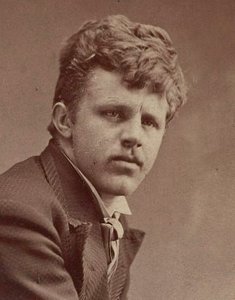
Франк Дувенек

Франк Дувенек

1848 - 1919, США

Краткая информация об авторе: Франк Дувенек

  • Artistic Movement Or Style: Реализм, импрессионизм
  • Artists Or Movements Influenced By This Artist: ['Американский импрессионизм']
  • Artists Who Influenced This Artist:
    • Франс Гал
    • Вильгельм фон Диез
  • Date Of Birth: 9 октября 1848 г.
  • Date Of Death: 3 января 1919 г.
  • Full Name: Frank Duveneck
  • Nationality: Американский
  • Notable Artworks:
    • «Леди с зонтиком»
    • «Бросающий копье»
  • Place Of Birth: Цovington, США

Биография художника

A Life Forged in Tragedy and Realism

Frank Duveneck, born Frank Decker in 1848 amidst the bustling river town of Covington, Kentucky, was an artist whose life story is as compelling and poignant as the powerfully rendered canvases he created. His early years were profoundly shaped by loss – the untimely death of his father to cholera when he was barely a year old left an indelible mark on his trajectory. This formative tragedy, coupled with his mother’s subsequent marriage to Joseph Duveneck – from whom he adopted his enduring name – instilled within him a remarkable resilience and perhaps, a heightened sensitivity that would later infuse his art with a deep emotional resonance. The blending of German heritage through his stepfather and the distinctly American landscape of his upbringing formed a unique cultural foundation for the artist, contributing to a complex and ultimately transformative artistic vision. Even as a young boy, an innate aptitude for drawing blossomed, leading him to study under local painter Johann Schmitt and subsequently apprenticed to a firm specializing in church decoration – a crucial period where he honed essential technical skills and absorbed the narrative power of visual imagery, learning how art could effectively evoke emotion and tell stories. This wasn’t merely about mastering technique; it was about understanding its potential for conveying profound human experiences.

The Munich Crucible: Embracing Dark Realism

In 1869, Duveneck embarked on a pivotal journey to Munich, Germany, seeking advanced artistic training at the prestigious Royal Academy. This move proved to be a watershed moment in his career. The prevailing aesthetic within Munich’s art circles was a stark realism – a deliberate rejection of the idealized conventions of academic painting in favor of direct observation and unflinching honesty. This philosophy deeply resonated with Duveneck, who embraced a darker palette and a more vigorous, expressive brushstroke, aligning himself with a movement that sought to capture the world as it truly appeared, without embellishment or romanticization. He became captivated by the work of 17th-century Dutch masters like Frans Hals, whose lively portraits and masterful handling of light profoundly influenced his style. The dynamism of Hals’s brushwork, particularly his ability to convey a sense of immediacy and psychological depth, became a cornerstone of Duveneck's own artistic approach. This influence is strikingly evident in paintings such as Lady with Fan (1873), where slashing brushwork and a somber tonality echo Hals’s spirit while simultaneously establishing Dueneveck’s own distinctive voice. The painting captures not just the likeness of the subject, but also her inner state – a subtle blend of composure and vulnerability. It was during these formative years in Munich that he began to develop the signature style for which he would become celebrated: a powerful realism imbued with psychological depth and emotional intensity, a deliberate departure from the polished surfaces favored by many of his contemporaries.

A Mentor’s Influence: The “Duveneck Boys” and Beyond

By 1878, Duveneck had firmly established himself as a significant figure in the art world, not only as a painter but also as an influential educator. He opened his own school in Munich, attracting a cohort of ambitious American artists who quickly became known as the “Duveneck Boys.” Among these students were John Twachtman, Otto Henry Bacher, Julius Rolshoven, and John White Alexander – each of whom would themselves go on to become prominent figures in American Impressionism and Realism. Duveneck’s teaching philosophy was remarkably progressive for its time, emphasizing direct observation, bold brushwork, and a rejection of rigid academic constraints. He encouraged his students to develop their own unique artistic voices while grounding them in the fundamental principles of sound draftsmanship and expressive color. His influence extended far beyond his classroom; he fostered a spirit of innovation and independence that helped shape the course of American art during this period. He also cultivated relationships with other European artists, including William Morris Hunt, whose teachings further broadened Duveneck’s artistic horizons.

Evolving Visions and Lasting Legacy

Duveneck's artistic journey continued to evolve after his return to America. While he remained committed to realism as a core principle, his palette gradually became lighter, influenced by the burgeoning Impressionist movement and his frequent travels throughout Italy and France. He increasingly explored landscape painting, capturing the sun-drenched scenes of Venice and the rugged beauty of coastal Massachusetts with remarkable sensitivity. Despite these stylistic shifts, his work always retained a distinctive character – a compelling blend of technical mastery, psychological depth, and an underlying sense of emotional intensity. The personal tragedy of losing his wife, Elizabeth Boott Duveneck, in 1888 cast a long shadow over his later years, perhaps contributing to the introspective quality of some of his subsequent works. His paintings from this period often convey a profound sense of melancholy and loss, reflecting the deep emotional wounds he carried within him. Frank Duveneck passed away in Covington, Kentucky, in 1919, leaving behind a rich artistic legacy that continues to inspire artists today. His paintings are now held in prestigious collections around the world – including the Metropolitan Museum of Art in New York City, the National Gallery of Art in Washington, D.C., and the Cincinnati Art Museum – serving as enduring testaments to his profound contribution to American art.

A Lasting Impact

Duveneck’s legacy extends far beyond the individual paintings that bear his signature. He was a pioneering realist who challenged conventional artistic norms and paved the way for future generations of American artists. His influence as an educator is equally significant, having mentored a remarkable group of students – the “Duveneck Boys” – who went on to achieve considerable success in their own right. His technical mastery, particularly his innovative use of brushwork and color, continues to be studied and admired by artists today. Perhaps most importantly, Duveneck’s ability to capture the inner lives of his subjects—to convey not just their outward appearance but also their thoughts, feelings, and experiences—adds a layer of complexity and emotional resonance to his work that resonates deeply with viewers. He stands as a testament to the transformative power of art, born from personal tragedy and fueled by an unwavering commitment to truth, beauty, and human experience.

Основные сведения

  • Artistic style: Impressionistic realism
  • Subject or theme: Reading, Portraiture
  • Medium: Oil on canvas
  • Notable elements: Loose brushstrokes
  • Year: 1876

Тест на знание искусства

В каждом вопросе только один правильный ответ.

Вопрос 1:
What is the primary artistic style evident in Frank Duveneck’s ‘Girl Reading’?
Вопрос 2:
The young woman in the painting is wearing a distinctive red dress. What does this color choice likely symbolize?
Вопрос 3:
In what century was ‘Girl Reading’ painted?
Вопрос 4:
Frank Duveneck's life was marked by tragedy. What significant event early in his life profoundly impacted his artistic development?
Вопрос 5:
The dark background in ‘Girl Reading’ serves what purpose?