
 Предпросмотр
 Поделиться
 Поделиться
 Детали произведения
 Руководство

 Скачать
 Похожие предметы
 Рентгенография
 Слайд-шоу
 Вопросы и ответы
 Статистика просмотров
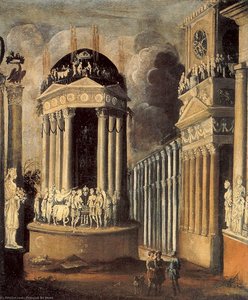
Architectural Capriccio

- 96.0 x 80.0 cm


 Читать далее
Получите файл, готовый к печати, качество которого значительно превосходит веб-превью. Каждое цифровое изображение в нашем каталоге создано на основе мастер-файла высокого разрешения — обычно шириной от 5 000 до 15 000 пикселей, — что позволяет вам уверенно печатать работы большого формата, использовать кадрирование или воспроизводить мельчайшие детали.
Ни один файл не покидает нашу студию без обработки. Эксперт по цифровой ретуши сверяет цвета с оригинальной картиной и при необходимости корректирует их, после чего повышает четкость и детализацию с помощью профессиональных инструментов — неизменно сохраняя верность мазкам кисти и стилю автора. В результате получается изображение, которое выглядит как подлинная живопись, а не как отсканированный снимок с наложенными фильтрами.
Вы одобряете результат до завершения заказа: наш эксперт отправит изображение по электронной почте в течение 72 часов для вашего ознакомления. Не удовлетворены результатом? Попросите внести правки или исправления, либо запросите возврат средств, если качество не соответствует ожиданиям.
Именно на это качество полагаются издательства, дизайн-студии, галереи и типографии.
Цифровое изображение
Скачайте файл высокого разрешения для личного использования, печати и творческих проектов. ( Перейти к печатным копиям Купить картину ручной работы)
Преимущества каждого заказа цифровых изображений
Гарантия профессиональной цифровой доставки изображений
Выбирая OriginalUniqueArt.com, вы получаете не просто изображение — вы приобретаете профессионально обработанное цифровое произведение искусства, созданное с безупречной точностью и под защитой гарантии качества. Вот всё, что автоматически входит в ваш заказ:

Мгновенная доставка по e-mail
Ваш цифровой файл в высоком разрешении будет отправлен по электронной почте в течение 72 часов после оформления заказа и сразу станет доступен для использования.

Цифровой файл с улучшением ИИ
Ваше произведение искусства проходит профессиональную оптимизацию с использованием передовых инструментов ИИ и ручной обработки, что гарантирует максимальную детализацию, четкость и точность цветопередачи.

Бесплатная пожизненная повторная отправка
Случайно удалили или потеряли файл? Не беспокойтесь — мы отправим его вам повторно в любое время и совершенно бесплатно.

Никаких импортных пошлин — никогда
Наслаждайтесь вашим произведением искусства мгновенно без таможенных пошлин, сборов или затрат на доставку — цифровые загрузки всегда не облагаются налогом.

Гарантия точности цветопередачи
Мы гарантируем максимально точное соответствие цветов цифрового изображения оригиналу благодаря использованию профессиональных инструментов и систем управления цветом.

Гарантия удовлетворенности 100 дней
Если вы не будете удовлетворены своим цифровым изображением, мы внесем правки или вернем 100% стоимости в течение 100 дней — без лишних вопросов.

100% Гарантия возврата средств
Не удовлетворены покупкой? Мы вернем вам полную стоимость в течение 100 дней после получения цифрового файла — без лишних вопросов.

Скидки на оптовые заказы
При покупке 3 изображений — скидка 10%; при покупке 5 — скидка 15%; от 10 изображений — скидка 20%. Отличное решение для творческих проектов, галерей и агентств.
Биография художника
The Enigmatic Visionary of Decay
François de Nomé remains one of the most captivating enigmas in the annals of Baroque art history, a painter whose very identity was once lost within the shadows of a collective pseudonym. Born in 1593 in the quiet region of Metz, Lorraine, his early life set the stage for a journey that would lead him from the workshops of Rome to the vibrant, dramatic atmosphere of Naples. Around 1602, de Nomé entered the Roman art scene, immersing himself in the studio of the Flemish landscape painter Balthasar Lauwers. It was during this formative period that he began to hone a technical mastery over light and perspective, yet his true artistic soul would only reveal itself through a fascination with the ephemeral and the broken.
For centuries, the works attributed to de Nomé were shrouded in mystery, mistakenly credited to a single mysterious figure known as Monsù Desiderio. It was not until recent scholarly investigations that art historians untangled this web of attribution, discovering that what was once thought to be the output of one man was actually the collaborative brilliance of at least three distinct artists, including de Nomé and Didier Barra. This revelation has transformed our understanding of his legacy, transforming him from a mere footnote in a collective identity into a singular, visionary voice capable of conjuring worlds that feel both ancient and hauntingly prophetic.
A Landscape of Ruin and Surrealism
The oeuvre of François de Nomé is defined by an unsettling, almost post-apocalyptic aesthetic that defies the idealized beauty typical of his contemporaries. Rather than seeking out lush, verdant vistas, de Nomé turned his gaze toward decrepit ruins, crumbling architectures, and desolate, barren landscapes. His canvases often feature massive, decaying structures silhouetted against heavy, overcast skies, creating a sense of profound isolation. Within these vast, skeletal remains, tiny, almost microscopic figures—often saints or biblical protagonists—wander through the debris, their smallness emphasizing the overwhelming scale of time and decay.
His technique is masterfully atmospheric, utilizing oil on canvas to create indistinct edges and a muted, earthy palette that evokes a sense of dust and antiquity. There is a palpable psychological drama in his work; he does not merely paint buildings, but rather the anxiety of collapse. By employing an illusionistic depth and a soft, hazy perspective, he invites the viewer into a dreamlike state where reality and nightmare blur. This approach predates modern surrealism by centuries, as he utilized the architectural capriccio—a whimsical architectural fantasy—to explore themes of memory, loss, and the inevitable triumph of nature over man-made grandeur.
Legacy and Artistic Significance
While de Nomé’s specific style did not become a dominant trend for Italian landscape painters in the following century, his contribution to the emotional depth of the Baroque period is undeniable. His most celebrated achievement lies in his ability to manipulate architectural reality to serve a higher, more symbolic purpose. A prime example is his depiction of the Venetian Piazza San Marco; while he meticulously recreates the essential structures of the piazza, he imbues them with an eerie stillness and invented details that transform a real location into a haunting, imaginary space.
The historical significance of de Nomé lies in his rejection of the conventional. In an era often preoccupied with the glorification of power and divine order, he chose to find beauty in the fractured and the forgotten. His work serves as a bridge between the classical fascination with antiquity and a much more modern, visceral reaction to the fragility of civilization. Today, de Nomé is celebrated not just as a painter of ruins, but as a master of the sublime, an artist who captured the haunting beauty of a world in transition.
François De Nomé
1593 - 1623 , France
Основные сведения
- Artistic Movement Or Style: Baroque
- Artists Or Movements Influenced By This Artist:
- Salvatore Rosa
- Piranesi
- Artists Who Influenced This Artist:
- Alessandro Magnasco
- Michelangelo Cerquozzi
- Belisario Corenzio
- Date Of Birth: 1593
- Date Of Death: 1623
- Full Name: François de Nomé
- Nationality: French
- Notable Artworks:
- Fantastic Ruins with Saint Augustine and the Child
- The Tomb of Solomon
- The Martyrdom of a female Saint
- Place Of Birth: Metz, France