
 Предпросмотр
 Поделиться
 Поделиться
 Детали произведения

 Скачать
 Похожие работы
 Рентгенография
 Слайд-шоу
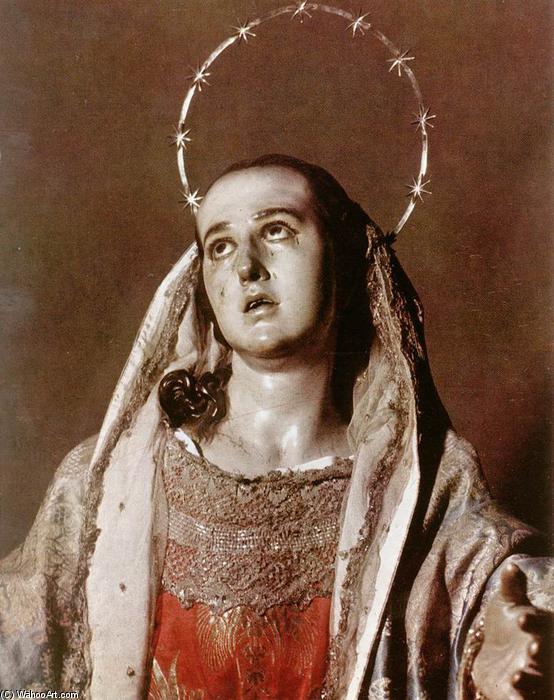
Dolorosa


 Читать далее
Масляная репродукция ручной работы
Картина маслом на холсте в выбранном вами размере и раме, написанная на заказ нашими художниками. ( Купить принт Купить изображение)




































Выберите один из наших стандартных размеров, соответствующих оригинальным пропорциям произведения искусства.

Вы можете указать собственные размеры, чтобы картина идеально вписалась в выбранную раму или пространство. Если выбранный вами размер не соответствует пропорциям оригинала, мы либо обрежем полотно, либо расширим его за счет дополнительных элементов, написанных вручную. Цифровой макет будет отправлен вам на утверждение перед началом производства.
Обратите внимание, что предварительный просмотр на экране не отражает фактическую обрезку или расширение. Только макет точно покажет окончательную композицию.
Хотя доступны индивидуальные размеры, мы рекомендуем выбирать вариант из предопределенного списка, чтобы сохранить исходные пропорции.
После оформления заказа команда OriginalUniqueArt.com свяжется с клиентом по электронной почте для уточнения деталей и предоставит предварительный макет
Доставка по всему миру () за 3–4 недели вместо стандартных 5 недель. (14 Август). Без компромиссов в качестве.

Бесплатная экспресс-доставка по всему миру

Высококачественный льняной холст

Полное страхование доставки

Гарантия возмещения таможенных пошлин

Гарантия точного соответствия цветов

Политика возврата в течение 60 дней (только при наличии дефектов)

Гарантия возврата 100% средств

Предложение оптовых скидок
 Вариант со стеклом доступен только для размеров менее 110 см

Dolorosa
Техника репродукции
Размер репродукции
-


Итоговая стоимость
$ 300
Биография художника
The Soul of Baroque Murcia
Francisco Salzillo y Alcaraz stands as the preeminent voice of the Spanish Baroque in the eighteenth century, a master whose hands breathed life into wood to create some of the most profound religious imagery in European history. Born in 1707 in Murcia, Spain, his artistic destiny was woven from the very fibers of his family's workshop. As the son of Nicolás Salzillo, a Neapolitan sculptor who brought the dramatic sensibilities of Italy to Spanish soil, Francisco was raised in an environment where art and devotion were inseparable. This lineage provided him with more than just technical training; it gifted him a stylistic vocabulary rooted in the emotive power of Bernini and the classical elegance of Italian sculpture, which he would later refine into a uniquely Murcian expression.
The trajectory of his career was marked by an early and remarkable maturity. By the age of twenty, he had already demonstrated a profound ability to capture spiritual depth through works such as the statue of Saint Ignatius Loyola for the Montepulciano Dominican Monastery. Following the passing of his father in 1727, the weight of the family legacy fell upon his shoulders. Alongside his siblings, Francisco transformed the Salzillo workshop into a powerhouse of artistic production, fostering a tradition of excellence that would define the religious landscape of the Region of Murcia for decades. His work was never merely about the physical act of carving; it was an attempt to bridge the gap between the earthly and the divine, making the mysteries of faith tangible through the medium of polychromed wood.
Mastery of Wood and Devotion
Salzillo’s technical brilliance lay in his mastery of polychrome sculpture, specifically the use of the estofado technique. This painstaking process involved carving intricate figures from wood, applying layers of gold leaf, and then painting over them to create textures that mimicked the rich fabrics of royal and divine vestments. His sculptures were not intended for the static silence of a gallery, but for the rhythmic, communal movement of Semana Santa (Holy Week) processions. These pasos—monumental sculptural groups—were designed to tell the story of Christ's Passion with such visceral realism that they could move entire crowds to tears.
His oeuvre is characterized by a seamless transition from the heavy, dramatic shadows of the high Baroque toward the lighter, more delicate grace of the Rococo. This evolution allowed him to imbale his figures with a sense of human tenderness and psychological complexity. Whether depicting the sorrowful Virgin in his Dolorosa or the solemnity of the Last Supper, Salzillo possessed an uncanny ability to render emotion through subtle gestures and facial expressions. His work reached its zenith in his expansive Nativity scenes, where he recreated biblical landscapes with an astonishing level of detail, turning miniature worlds into windows of profound spiritual contemplation.
A Legacy Carved in Faith
The historical significance of Francisco Salzillo extends far beyond the borders of Murcia. He was a foundational figure of the Murcian School, establishing an academy in 1765 to ensure that the secrets of his craft would be passed to future generations. Although many of his most precious works were tragically lost or damaged during the devastation of the Spanish Civil War, the fragments that remain continue to serve as pillars of Spanish cultural identity. Today, institutions such as the Iglesia de Jesús and the Salzillo Museum stand as sanctuaries for his enduring genius.
To contemplate a Salzillo masterpiece is to witness the intersection of art, history, and intense religious fervor. His life's work remains a testament to the power of sculpture to act as a vessel for collective memory and spiritual longing. Through his hands, the rigid medium of wood became fluid with emotion, ensuring that the Baroque spirit of Murcia would never truly fade from the annals of art history.

Francisco Salzillo
1707 - 1783 , Spain
Основные сведения
- Artistic Movement Or Style: Baroque
- Artists Or Movements Influenced By This Artist: ['Rococo']
- Artists Who Influenced This Artist:
- Juan Martínez Montañés
- Gregorio Fernández
- Date Of Birth: May 1707
- Date Of Death: March 2, 1783
- Full Name: Francisco Salzillo y Alcaraz
- Nationality: Spanish
- Notable Artworks:
- El Belén
- Dolorosa
- Place Of Birth: Murcia, Spain
Похожие статьи

Топ-25 шедевров Гойи: от придворного портрета до мрачных пророчеств | OriginalUniqueArt
Погрузитесь в мир гения Франсиско Гойи! 🎨 От придворных портретов до мрачных "Капричос" – исследуйте топ-25 шедевров испанского романтизма. Купите репродукции картин Гойи музейного качества на OriginalUniqueArt.com и украсьте свой интерьер искусством.
The Golden Age Reforged: Dramatic Realism & Religious Zeal in Spanish Baroque Art
Explore the dramatic world of Spanish Baroque art! Discover masters like Zurbarán & the powerful influence of religious zeal on painting techniques – a guide for collectors and enthusiasts.

Capturing Light and Soul: A Journey Through the Dramatic Mastery of Spanish Baroque Art
Explore the profound beauty of the Spanish Golden Age. From Velázquez's light to Zurbarán's devotion, discover the dramatic mastery and spiritual depth of Spanish Baroque masterpieces through our expert art history journey.

The Dramatic Flourish: Exploring the Baroque Movement's Enduring Legacy in Art History
Explore the dramatic world of Baroque art! Discover iconic artists like Caravaggio & Rubens, defining techniques, and its lasting impact on art history. Expert insights for collectors & enthusiasts at OriginalUniqueArt.

Francisco de Zurbarán: Mysticism, Realism & the Golden Age of Spanish Painting
Explore the captivating world of Francisco de Zurbarán, a master of Spanish Baroque painting. Discover his dramatic tenebrism, religious masterpieces like 'La Porciúncula,' and lasting influence on art history.

