

 Примерить в интерьере
 Отправить
 Поделиться
 Подробнее
 Руководство

 Скачать
 Похожие объекты
 Рентгенография
 Слайд-шоу
 Q&A
Q&A Статистика
triptych, may - june, 1973 b

 Развернуть текст
Произведение искусства, представленное на этой странице, защищено законом об авторском праве, что исключает возможность законного создания или продажи его точной репродукции. Данная защита обеспечивается международными соглашениями, такими как Бернская конвенция и национальным законодательством, включая положения, изложенные в Закон США об авторском праве — Раздел 17.
Этот метод полностью соответствует нормам авторского права, так как он не предполагает копирования или дублирования защищенного произведения. Напротив, это творческая реинтерпретация — создание новой картины, которая вдохновлена оригиналом, но не является его точной копией.
Жикле / Арт-принты
Печать (жикле) или холст музейного качества с быстрыми сроками изготовления и широким выбором вариантов отделки. ( Заказать репродукцию ручной работы Перейти к цифровым изображениям)




P118B $10

P118H $10

P118W $10

P438Z $10

P508JH $12

P508YH $12

P805H $10

P805Z $10

P919BZ $10

P919G $10

P919XJ $10

P959ZH $10

P968JZ $12

W106C $8

W218G $10

W218JH $8

W218Y $10

W307PJ $10

W316G $10

W316PJ $8

W316Y $10

W398PJ $8

W4111J $10

W500HY $15

W500JH $15

W692G $12

W849H $8

W940BG $15

W953PJ $8




Выберите один из наших стандартных размеров, соответствующих оригинальным пропорциям произведения искусства.

Введите необходимую ширину и высоту, чтобы репродукция подошла к вашей раме или стене. При печати изображение можно только уменьшить, но нельзя увеличить больше оригинала, поэтому при выборе другого формата часть изображения может быть обрезана. Перед печатью мы отправим вам цифровой макет на утверждение. Изображение на этой странице не отображает реальную обрезку — ее можно увидеть только на макете.
Доставка по всему миру () за 2 недели вместо стандартных 4–5 недель. (28 Октябрь)

Бесплатная экспресс-доставка по всему миру

Высококачественный льняной холст

Полное страхование при транспортировке

Гарантия возврата таможенных пошлин

Гарантия точного цветового соответствия

100-дневный период возврата (только при обнаружении дефектов)

Гарантия возврата 100% средств

Скидка при заказе нескольких работ
 Вариант со стеклом доступен только для размеров менее 110 см

triptych, may - june, 1973 b
Жикле / Арт-принты
Размер репродукции
-


Итоговая стоимость
$ 80
A Vision of Grief and Isolation: Examining Francis Bacon’s ‘Triptych, May-June 1973’
Francis Bacon's 'Triptych, May-June 1973,' housed in the Tate Modern collection, stands as a monumental testament to the artist’s unflinching exploration of human emotion—specifically grief and isolation. Completed in 1973, shortly after Jessie Lightfoot’s death, it represents arguably Bacon's most emotionally resonant work, capturing a profound sense of despair within its unsettling visual language. The triptych is comprised of three canvases joined horizontally, each depicting a figure contorted in agony—a man with his head bowed downwards, a woman with her torso turned away from the viewer, and a shadowy form seemingly emerging from a doorway. These figures are rendered in thick, viscous oil paint, employing Bacon’s signature technique of layering brushstrokes to create an almost sculptural surface texture. The palette is dominated by deep reds—particularly crimson—which pulsate with visceral energy and symbolize blood, pain, and vulnerability.- Style: Expressionist – Bacon eschewed representational accuracy in favor of conveying subjective experience, prioritizing emotional intensity over visual realism.
- Technique: Thick Impasto – Bacon’s masterful use of impasto—applying paint thickly onto the canvas—creates a palpable physicality that mirrors the psychological torment depicted within the artwork. The textured surface invites contemplation and emphasizes the artist's deliberate manipulation of materiality.
- Symbolism: The Red Walls – Bacon’s use of red walls symbolizes confinement and repression, mirroring the psychological imprisonment experienced by the figures within the canvases.
- Doorways: Recurring doorways represent transitions—both physical and metaphorical—suggesting a yearning for escape from pain and isolation but ultimately highlighting the inescapable reality of suffering.
Exploring the Visceral Landscape: Bacon’s Influence on Modern Art
Francis Bacon's groundbreaking approach to painting—characterized by his rejection of traditional conventions and his unwavering commitment to emotional expression—established him as a pivotal figure in the development of modern art. Prior to Bacon, artists largely adhered to academic standards of representation, prioritizing accuracy over feeling; Bacon decisively shattered these boundaries, ushering in an era where subjective experience reigned supreme. His influence extends far beyond his own canvases, shaping the artistic sensibilities of subsequent generations and inspiring countless artists to embrace experimentation and vulnerability.- Key Innovations: Bacon’s technique of layering impasto—creating textured surfaces through thick applications of paint—challenged established methods and paved the way for new approaches to materiality.
- Conceptual Shift: He fundamentally altered artistic thinking by prioritizing psychological exploration over visual realism, demonstrating that art could convey profound emotion without resorting to literal depiction.
The Legacy of Isolation: Bacon’s Enduring Relevance Today
Despite being created over fifty years ago, ‘Triptych, May-June 1973,’ and Bacon's broader artistic vision retain an astonishing degree of relevance in contemporary art discourse. The themes explored within the triptych—grief, isolation, vulnerability—remain profoundly resonant with audiences grappling with anxieties about identity, connection, and mortality in an increasingly fragmented world. Bacon’s uncompromising honesty—his refusal to sugarcoat difficult truths—continues to inspire artists who strive for authenticity and emotional depth.- Contemporary Resonance: The exploration of psychological trauma and the depiction of distorted figures speaks directly to anxieties prevalent in contemporary society regarding mental health and societal pressures.
- Artistic Inspiration: Bacon’s influence can be seen in the work of numerous artists who embrace experimentation, challenge conventions, and prioritize emotional expression—demonstrating the enduring power of his artistic legacy.
A Masterpiece Revisited: Examining Bacon’s Technique Through Time
Analyzing Bacon's technique reveals a remarkable consistency across his oeuvre—a dedication to layering impasto, manipulating color palettes, and employing symbolic imagery that transcends stylistic trends. The meticulous attention to detail—the painstaking creation of textured surfaces and the deliberate positioning of figures within complex compositions—underscores Bacon’s unwavering commitment to artistic excellence. Studying ‘Triptych, May-June 1973,’ alongside his other seminal works—such as ‘Three Studies After Lucian Freud’—provides invaluable insight into the artist's stylistic evolution and reveals recurring motifs that define his distinctive visual language.- Recurring Motifs: The use of distorted figures, fragmented landscapes, and symbolic doorways—elements found throughout Bacon’s paintings—demonstrates a deliberate artistic strategy aimed at conveying psychological anguish.
- Influence on Subsequent Artists: Bacon's technique has served as inspiration for countless artists who strive to achieve textural richness and emotional intensity—solidifying his position as a foundational figure in modern art history.
Where to Find Authentic Reproductions: Bringing Bacon’s Vision Home
Collectors and interior designers seeking to experience the visceral beauty of Francis Bacon's art can find high-quality reproductions at reputable art dealers and online platforms like OriginalUniqueArt.com. Selecting a museum-grade print—produced using archival inks on premium canvas—ensures that the artwork retains its vibrancy and integrity for generations to come. Consider framing options that complement the painting’s mood—dark wood frames enhance the dramatic atmosphere of ‘Triptych, May-June 1973,’ while lighter tones offer a subtle contrast to the intense reds and textures of the canvas. Explore OriginalUniqueArt.com's extensive collection for stunning prints and canvases – discover the transformative power of Bacon’s art in your home!Вопросы и ответы
Проявляет ли «triptych, may - june, 1973 b» выраженный светотеневой контраст?
В работе «triptych, may - june, 1973 b», Бэкон наблюдается Statement контраст между светлыми и темными участками.
Является ли произведение «triptych, may - june, 1973 b», Бэкон светлым или темным?
В целом, для произведения «triptych, may - june, 1973 b» зафиксирован уровень deep_shadow. Воспринимаемая яркость описывает, насколько светлым или темным кажется работа.
Где я могу купить цифровое изображение «triptych, may - june, 1973 b», Бэкон?
Чтобы получить цифровой файл работы «triptych, may - june, 1973 b», Бэкон, закажите скачивание цифрового изображения в высоком разрешении на странице Цифровое изображение.
Биография художника
Жизнь, погруженная в чувственное
Фрэнсис Бэкон, имя ставшее синонимом самой острой эмоциональности в искусстве XX века, родился в Дублине, Ирландия, в 1909 году. Однако его художественный дух нашел наиболее полное выражение в бурном ландшафте послевоенной Британии. Ранние годы Бэкона были далеки от стабильности; частые переезды из-за здоровья матери внушили чувство оторванности, которое глубоко сформировало его мировоззрение и, в конечном итоге, пронизало его полотна. Сложные отношения с суровым отцом и тесная связь с няней Джесси Лайтфут еще больше окрасили эмоциональный фон его юношеских лет. Изначально увлеченный скачками и жизнью азартных игроков, Бэкон скитался по разным занятиям, прежде чем окончательно посвятить себя живописи в конце двадцатых годов – позднее начало, которое, возможно, усилило срочность и интенсивность его последующих работ. Он не получил формального образования, вместо этого прокладывал свой собственный путь, впитывая влияние различных источников и разрабатывая уникальный, тревожный визуальный язык.Предвестники ранних влияний
Художественное пробуждение Бэкона не было мгновенным, а скорее постепенным накоплением впечатлений. Работы Пабло Пикассо, особенно искаженные фигуры его раннего кубистического периода, сыграли ключевую роль в освобождении его от традиционного представления. Вдохновение он находил и в преследующей фотографии Эгона Шиле, выразительные деформации человеческой формы которого перекликались с растущим увлечением Бэкона хрупкостью и уязвимостью существования. Однако решающим катализатором стало случайное знакомство с фильмом Сергея Эйзенштейна *Броненосец «Потемкин»*. Висцеральные образы фильма, особенно крупный план кричащего лица, стали неизменным мотивом в работах Бэкона, символизируя первобытный террор и глубины человеческих страданий. Он также глубоко восхищался старыми мастерами, в частности Диего Веласкесом, чей *Портрет папы Иннокентия X* он знаменито переосмысливал на протяжении всей своей карьеры, превращая авторитетную папскую фигуру в мучимого призрака. Эти влияния были не просто стилистическими заимствованиями; они поглощались и преобразовывались благодаря уникальной чувствительности Бэкона, что приводило к художественному видению, которое было одновременно глубоко личным и универсально резонирующим.Формирование фирменного стиля: Искажение и изоляция
Прорыв Бэкона наступил с *Три этюда для фигур у основания распятия* (1944), работа, которая шокировала и захватила публику в послевоенном Лондоне. Этот триптих установил его фирменный стиль – искаженные, фрагментированные фигуры, изолированные в клаустрофобных пространствах. Это были не изображения религиозного мученичества, а скорее чувственные исследования человеческих страданий, лишенные всякого утешительного повествования или духовного успокоения. Его картины часто изображают размытые или растворяющиеся формы, передающие ощущение психологической турбулентности и физической уязвимости. Он часто использовал геометрические структуры – клетки, ящики – чтобы ограничить своих субъектов, подчеркивая их изоляцию и бессилие. Палитра Бэкона обычно была приглушенной и мрачной, отражая темные темы, которые он исследовал, хотя и разбавленная всплесками интенсивного цвета, усиливающими эмоциональное воздействие. Использование этих клеток было не просто композиционным приемом; оно символизировало неотъемлемые ограничения и рамки, налагаемые на человеческое существование. Он стремился запечатлеть не только *то*, как выглядят вещи, но и *что* они чувствуют, перенося внутренние состояния тревоги, страха и отчаяния на холст с жестостной честностью.Темы смертности, мучений и человеческого существования
На протяжении своей плодотворной карьеры Бэкон неоднократно возвращался к определенным мотивам: распятие как символ страданий; портреты, углубляющиеся в психологическую интенсивность его субъектов, часто друзей и любовников, таких как Джордж Дайер; и автопортреты, служившие интроспективным исследованиям идентичности и смертности. Его серия *Этюд по мотивам «Портрета папы Иннокентия X» Веласкеса* (1953) – возможно, одно из его самых знаковых достижений, превращающее достойный портрет Веласкеса в кричащий призрак, воплощающий экзистенциальный ужас. Портреты Джорджа Дайера, его неуравновешенного любовника, особенно трогательны, запечатлевая как интенсивность их связи, так и нависшую тень трагедии. Работа Бэкона была не о изображении конкретных людей; речь шла об исследовании универсальных тем человеческой уязвимости, изоляции и неизбежности смерти. Он не избегал темных сторон существования, а скорее смело сталкивался с ними, заставляя зрителей столкнуться со своей собственной смертностью и тревогой.Наследие: Вызов конвенциям
Влияние Фрэнсиса Бэкона на искусство XX века неоспоримо. Он бросил вызов традиционным представлениям о репрезентации, отвергая идеализированную красоту в пользу сырого, безжалостного изображения человеческого состояния. Его работа глубоко повлияла на поколения художников, проложив путь новым формам выражения и бросив вызов общепринятым художественным границам.- Послевоенный экспрессионизм: Бэкон считается ключевой фигурой этого движения, вдохновляя художников своим смелым стилем и психологической глубиной.
- Аукционные рекорды и музейные выставки: Его картины продолжают достигать высоких цен на аукционах и выставляются в крупных музеях по всему миру, укрепляя его место в истории искусства.
- Столкновение с истинами: Наследие Бэкона заключается в его способности сталкиваться с неудобными истинами о человеческом существовании и переводить эти переживания в мощные и незабываемые образы.
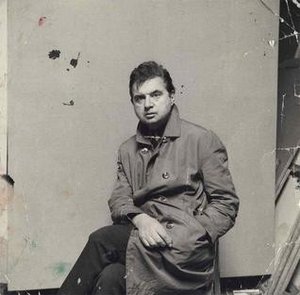
Бэкон
1909 - 1992 , Ирландия
Краткая справка
- Влиявшие Художники:
- Пикассо
- Эгон Шиле
- Дата Рождения: 28 октября 1909 г.
- Дата Смерти: 28 апреля 1992 г.
- Известные Работы:
- Три этюда...
- Серия пап...
- Портрет Джорджа
- Место Рождения: Дублин, Ирландия
- Национальность: Ирландец-британец
- Оказавшие Влияние: ['Послевоенный экспр.']
- Полное Имя: Фрэнсис Бэкон
- Художественное Направление: Экспрессионизм
Похожие статьи

Surrealist Expressionism: A Definitive Guide to the Intersection of Dream Logic and Raw Emotion
Explore the profound history of Surrealist Expressionism. Discover how artists blended dream logic with raw emotion to navigate post-war trauma through masterful, evocative imagery and psychological depth.
Фрэнсис Бэкон: 25 шедевров художника. Купить картины онлайн | OriginalUniqueArt
Погрузитесь в мир Фрэнсиса Бэкона! 25 шедевров экспрессионизма, полных эмоций и висцеральной силы. Купите репродукции картин Бэкона на холсте и украсьте свой интерьер искусством мирового уровня. Explore the full collection online | OriginalUniqueArt.

Surrealist Expressionism: A Visual Journey Through Dream Logic and Raw Emotion
Dive into the visceral world of Surrealist Expressionism. Explore how dream logic meets raw emotion through a visual journey of iconic techniques, post-war history, and bold aesthetics to transform your modern space with high-impact, unforgettable art.

Crimson Threads of Narrative: Exploring Symbolism & Representation in Artworks Featuring the Red Dress
Explore the rich symbolism of the red dress in art history! From ancient power displays to iconic portraits like Cézanne’s 'Madame Cezanne', discover the cultural and artistic significance behind this captivating color. Expert analysis & insights.
Beyond Reality: The Dreamlike Power of Surrealist Expressionism and the Subconscious Mind
Explore the profound depths of Surrealist Expressionism. Discover how masters like Dalí used dream logic and subconscious imagery to redefine reality through emotionally resonant, museum-quality art.


