
 Примерить в интерьере
 Отправить
 Поделиться
 Подробнее
 Руководство

 Скачать
 Похожие объекты
 Рентгенография
 Слайд-шоу
 Статистика
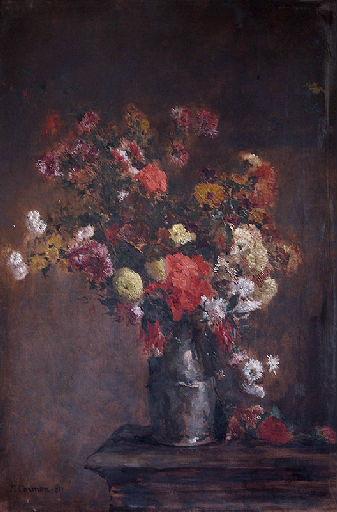
Fleurs

 Развернуть текст
Приобретите цифровое изображение высокого разрешения в улучшенном качестве, которое значительно превосходит онлайн-превью.
Каждый файл проходит тщательную подготовку нашими специалистами с использованием передовых инструментов и экспертной ручной ретуши. Мы гарантируем исключительную четкость, безупречную точность цветопередачи и детальную проработку каждого изображения.
Финальный файл доставляется по электронной почте в течение 72 часов и оптимизирован для немедленного использования в профессиональной среде, при верстке и печати. Это тот же уровень качества, которому доверяют ведущие дизайнерские студии, издательства и галереи.
Цифровое изображение
Скачайте файл высокого разрешения для личного использования, печати и творческих проектов. ( Переключиться на печать Заказать репродукцию ручной работы)
Включено в каждый заказ цифровых изображений
Гарантия профессиональной цифровой доставки
Выбирая OriginalUniqueArt.com, вы получаете не просто изображение — вы приобретаете профессионально обработанное цифровое произведение искусства, созданное с безупречной точностью и под защитой гарантии качества. Вот всё, что автоматически входит в ваш заказ:

Быстрая доставка по e-mail
Ваш цифровой файл в высоком разрешении будет отправлен по электронной почте в течение 72 часов после оформления заказа и сразу станет доступен для использования.

Цифровой файл с ИИ-обработкой
Ваше произведение искусства проходит профессиональную оптимизацию с использованием передовых инструментов ИИ и ручной обработки, что гарантирует максимальную детализацию, четкость и точность цветопередачи.

Бессрочная бесплатная повторная отправка
Случайно удалили или потеряли файл? Не беспокойтесь — мы отправим его вам повторно в любое время и совершенно бесплатно.

Без импортных пошлин — навсегда
Наслаждайтесь вашим произведением искусства мгновенно без таможенных пошлин, сборов или затрат на доставку — цифровые загрузки всегда не облагаются налогом.

Гарантия точности цветопередачи
Мы гарантируем максимально точное соответствие цифрового изображения оригиналу благодаря использованию профессиональных инструментов и систем управления цветом.

Гарантия удовлетворенности 100 дней
Если вы не будете удовлетворены своим цифровым изображением, мы внесем правки или вернем 100% стоимости в течение 100 дней — без лишних вопросов.

100% Гарантия возврата средств
Не удовлетворены покупкой? Мы вернем вам полную стоимость в течение 100 дней после получения цифрового файла — без лишних вопросов.

Скидки на оптовые заказы
Купите 3 изображения — скидка 10%; купите 5 — скидка 15%; от 10 изображений — скидка 20%. Отличное решение для творческих проектов, галерей и агентств.
Биография художника
Fernand Cormon: A Painter of Myth, History, and the Human Spirit
Fernand Cormon (1845-1924) wasn’t merely a painter; he was a chronicler of humanity's journey through time, a master of dramatic storytelling rendered in rich color and evocative detail. Born into an artistic milieu – his father, Eugène Cormon, was a celebrated playwright, and his mother, Charlotte Furais, a renowned actress – Fernand inherited a deep appreciation for performance and narrative. This theatrical sensibility profoundly shaped his approach to art, imbuing his historical scenes with a palpable sense of drama and immediacy. His early training at the studios of Alexandre Cabanel, Eugène Fromentin, and Jean-François Portaels provided him with a solid foundation in academic technique, but it was Cormon’s own distinctive vision that ultimately defined his legacy.
Cormon's artistic trajectory began with a fascination for the sensational. Early works like “Murder in the Seraglio” (1868) and “The Death of Ravana” (1875), depicting scenes of violence and bloodshed, garnered attention – some critical acclaim, but also controversy for their graphic realism. These pieces established his reputation as an artist unafraid to confront difficult subjects, a characteristic that would continue to inform his work throughout his career. However, Cormon’s artistic interests soon broadened beyond mere spectacle. He demonstrated a keen interest in mythology and the grand narratives of history, seeking to capture not just events but also the emotions and human dramas inherent within them.
The Salon Years and Artistic Development
Cormon's rise to prominence was inextricably linked to the prestigious Paris Salon, the dominant art exhibition of its time. He consistently exhibited at the Salon from 1863 onwards, gaining recognition for his powerful compositions and masterful brushwork. The Salon’s emphasis on historical painting provided Cormon with a vital platform to showcase his abilities and establish himself as one of France's leading historical artists. His early successes – medals in 1870 and 1873 – solidified his position within the artistic establishment.
A pivotal moment in Cormon’s career arrived with the commission for “Cain Fleeing Before Jehovah’s Curse” (1880), a monumental work that cemented his reputation for dramatic intensity. This painting, depicting the biblical story of Cain and Abel, demonstrated Cormon's ability to convey profound emotion through gesture, color, and composition. The sheer scale and emotional power of “Cain” established him as a major force in French art. He continued to explore themes of mythology and history, producing iconic works such as "A Forge" (1894) and "Anticipation," each imbued with his characteristic dramatic flair.
Beyond the Salon: Portraits and Institutional Commissions
While Cormon remained a committed participant in the Salon system, he also expanded his artistic practice beyond traditional historical painting. He became increasingly sought after as a portraitist, capturing the likenesses of prominent figures from Parisian society. His portraits were notable for their psychological depth and ability to reveal the inner lives of his subjects. He was particularly known for his evocative depictions of women.
A significant commission during this period came from the Musée de l'Homme (now part of the Natural History Museum), where he created a series of panels illustrating key stages of human development – birth, death, marriage, war, and peace. These grisaille murals, executed with remarkable skill and detail, offered a visual narrative of humanity’s journey through time and demonstrated Cormon’s versatility as an artist. His work on the museum's prehistoric collections, particularly his depictions of Stone Age life, showcased his commitment to exploring themes of human origins and evolution.
Legacy and Influence
Fernand Cormon’s career spanned several decades, witnessing significant shifts in the art world. Despite experiencing a period of relative obscurity after World War I, he remained a respected figure within the artistic community. His influence can be seen in the work of numerous artists who studied at his atelier, including Henri de Toulouse-Lautrec, Louis Anquetin, and Vincent van Gogh (who visited Cormon’s studio in 1888). Cormon's emphasis on dramatic storytelling, expressive brushwork, and a deep engagement with historical and mythological themes left an enduring mark on French painting.
His untimely death in 1924 – struck down by a taxi outside his studio – cut short a remarkable career. Today, Cormon’s paintings are housed in major museums across France and beyond, testament to the lasting power of his artistic vision. He remains a compelling figure in French art history, celebrated for his ability to capture the drama, emotion, and enduring spirit of humanity.

fernand-anne piestre dit cormon
1845 - 1924
Краткая справка
- Artistic Movement Or Style: Historical painting
- Artists Or Movements Influenced By This Artist:
- Van Gogh
- Lautrec
- Artists Who Influenced This Artist:
- Cabanel
- Fromentin
- Portaels
- Date Of Birth: 1845
- Date Of Death: 1924
- Full Name: Fernand-Anne Piestre dit Cormon
- Nationality: French
- Notable Artworks:
- Murder in Sereglio
- Death of Ravana
- Cain fleeing Jehovah
- Place Of Birth: Paris, France