

 Примерить в интерьере
 Отправить
 Поделиться
 Подробнее
 Руководство

 Скачать
 Похожие объекты
 Рентгенография
 Слайд-шоу
 Статистика
Maternity


 Развернуть текст
Жикле / Арт-принты
Печать (жикле) или холст музейного качества с быстрыми сроками изготовления и широким выбором вариантов отделки. ( Заказать репродукцию ручной работы Перейти к цифровым изображениям)




P118B $10

P118H $10

P118W $10

P438Z $10

P508JH $12

P508YH $12

P805H $10

P805Z $10

P919BZ $10

P919G $10

P919XJ $10

P959ZH $10

P968JZ $12

W106C $8

W218G $10

W218JH $8

W218Y $10

W307PJ $10

W316G $10

W316PJ $8

W316Y $10

W398PJ $8

W4111J $10

W500HY $15

W500JH $15

W692G $12

W849H $8

W940BG $15

W953PJ $8




Выберите один из наших стандартных размеров, соответствующих оригинальным пропорциям произведения искусства.

Введите необходимую ширину и высоту, чтобы репродукция подошла к вашей раме или стене. При печати изображение можно только уменьшить, но нельзя увеличить больше оригинала, поэтому при выборе другого формата часть изображения может быть обрезана. Перед печатью мы отправим вам цифровой макет на утверждение. Изображение на этой странице не отображает реальную обрезку — ее можно увидеть только на макете.
Доставка по всему миру () за 2 недели вместо стандартных 4–5 недель. (26 Октябрь)

Бесплатная экспресс-доставка по всему миру

Высококачественный льняной холст

Полное страхование при транспортировке

Гарантия возврата таможенных пошлин

Гарантия точного цветового соответствия

100-дневный период возврата (только при обнаружении дефектов)

Гарантия возврата 100% средств

Скидка при заказе нескольких работ
 Вариант со стеклом доступен только для размеров менее 110 см

Maternity
Жикле / Арт-принты
Размер репродукции
-


Итоговая стоимость
$ 80
A Portrait of Maternal Reverence: Eugène Carrière’s Maternity
Eugène Anatole Carrière stands apart from his contemporaries—Monet, Degas, Cézanne—not merely in stylistic preference but in a profound philosophical commitment to capturing the essence of human experience. Born in 1849 in Gournay-sur-Marne, France, he embarked on an artistic journey marked by unwavering dedication to exploring themes of spirituality and domestic tranquility. His formative years were shaped by exposure to Rubens’s luminous palette and the crucible of imprisonment in Dresden, experiences that instilled within him a sensitivity to light and color—though he would ultimately abandon them for a distinctive monochrome aesthetic. This singular approach cemented his reputation as “the painter of Breast-Feeding,” a genre he pursued with fervent conviction throughout his prolific career. ### The Monochrome Palette: A Symbol of Inner Light Carrière’s artistic signature is undeniably his masterful manipulation of color—or rather, the deliberate absence thereof. Rejecting the Impressionist obsession with capturing fleeting moments of visual sensation, he sought to distill emotion into its purest form: a subdued brown hue that permeated nearly all his canvases. This stylistic choice wasn't simply an aesthetic preference; it represented a deeply held belief in the primacy of inner contemplation and spiritual illumination. As Edmond de Goncourt eloquently observed during Carrière’s lifetime, “This Carrière really is the painter of Breast-Feeding.” He meticulously studied gestures and expressions, striving to convey not just what he saw but what he felt—a palpable resonance with the viewer's own emotional landscape. The monochromatic palette served as a conduit for conveying profound psychological depth, mirroring the stillness and serenity of domestic life. ### Maternity: A Study in Tender Gestures and Spiritual Resonance “Maternity,” completed in 1890, exemplifies Carrière’s artistic vision at its zenith. This evocative portrait depicts a woman cradling her infant child, bathed in soft light emanating from an unseen source—a deliberate allusion to divine grace and nurturing compassion. The composition is strikingly simple yet powerfully expressive: the woman's gaze directs upwards, suggesting contemplation of something beyond the immediate physical realm; her hands are outstretched, conveying warmth and protection. Two figures flank the central scene, adding depth and subtly hinting at the broader context of familial devotion. Véronique Milin Dumesnil, Carrière’s granddaughter, recounted that the models for Maternity were his wife and one of their seven children—Jean René or Leon—underscoring the artist's personal connection to the subject matter. ### Technique and Historical Context: Embracing Rubensian Influence Carrière’s technique is characterized by meticulous detail and painstaking layering of paint—a testament to his unwavering commitment to capturing nuanced textures and tonal variations. He achieved this remarkable effect through a process of gradual buildup, applying thin glazes over thicker underlayers to create an illusion of depth and luminosity despite the absence of color. This approach harkens back to Rubens’s masterful use of chiaroscuro—the dramatic interplay between light and shadow—a technique that Carrière adopted with unwavering fidelity. The painting emerged during a period marked by growing interest in Symbolism, a movement that sought to transcend mere representation and delve into realms of psychological and spiritual significance. Like many Symbolist artists, Carrière aimed to evoke emotion rather than depict reality objectively, inviting viewers to contemplate the profound mysteries of human existence. ### Legacy and Emotional Impact: A Timeless Expression of Maternal Love “Maternity” remains a captivating masterpiece—a testament to Carrière’s artistic genius and his unwavering belief in the transformative power of art. Its enduring appeal lies not only in its exquisite craftsmanship but also in its ability to resonate deeply with audiences across generations. The painting captures the essence of maternal tenderness, conveying a sense of serenity and spiritual contemplation that transcends time and culture. It serves as an inspiring reminder of the beauty and significance of familial bonds—a timeless expression of love, compassion, and faith.Вопросы и ответы
Из какой страны происходит работа в стиле Symbolist Art «Maternity»?
Работа в стиле Symbolist Art «Maternity» была создана художником, уроженцем Франция.
Какая цветовая палитра использована в «Maternity», Э Eugène Anatole Carrière?
В работе «Maternity», Э Eugène Anatole Carrière используется Earthy цветовая палитра. Эта палитра определяет общий цветовой характер произведения.
Какому этапу творчества Э Eugène Anatole Carrière соответствует работа «Maternity»?
«Maternity» представляет собой Mature Period художника Э Eugène Anatole Carrière.
Биография художника
Э Eugène Anatole Carrière (1849–1906)
Э Eugène Anatole Carrière был выдающимся французским символистом художником конца XIX века. Его работы отличаются характерной коричневой монохромной палитрой, которая привлекает внимание многих искусствоведов и ценителей искусства. Он родился 16 января 1849 года в Гурнаи-сюр-Марне, Сен-Сен-Дени. Изучал живопись в École des Beaux-Arts Парижа и позже у Кабанеля, заложив фундамент для своих будущих художественных начинаний.Художественный стиль и влияния
Его картины наиболее известны своей необычной коричневой монохромной палитрой, которая является предметом восхищения многих искусствоведов и ценителей искусства. Этот стиль был вдохновлен искусством Петра Павла Рубенса, что он видел во время своего заключения в Дрездене. Это влияние проявляется в теплых оттенках его ранних работ. Эту особенность можно увидеть в работах таких художников как Пикассо (Голубая эпоха).Молодая мать (1879)
Одним из самых известных произведений Карьера является картина «Молодая мать», которая сейчас находится в музее искусств Руана. Этот шедевр ознаменовал начало его тематики домашней жизни, которая стала одной из главных особенностей его художественного стиля. Эта работа демонстрирует глубокое понимание человеческой природы и эмоциональную глубину.Знаковые работы и выставки
Его творчество охватывает широкий спектр жанров и тем, включая портреты и религиозные композиции. Карьера был активным членом Société nationale des beaux-arts и сыграл важную роль в ее развитии как основателем. Среди его наиболее значимых работ можно отметить «Больное дитя» (Монтагрис), «Первый крещение» (Тулон) и портрет Луи Генри Девизэ, который был высоко оценен критиками и публикой. Эти работы были представлены на многочисленных выставках и получили признание как выдающиеся образцы символизма.Наследие и влияние на современное искусство
Э Eugène Anatole Carrière оказал существенное влияние на развитие современного искусства благодаря своей новаторской технике и эстетике. Его монохромный стиль вдохновил многих художников и продолжает вдохновлять новых поколений творцов. Он является одним из самых ярких представителей французского символизма и его работы остаются актуальными и сегодня.
Э Eugène Anatole Carrière
1849 - 1906 , Франция
Краткая справка
- Artistic Movement Or Style: Символизм, Монохромный
- Artists Or Movements Influenced By This Artist: ['Пикассо (Голубая эпоха)']
- Artists Who Influenced This Artist: ['Рубенс']
- Date Of Birth: Янв 16, 1849
- Date Of Death: Мар 27, 1906
- Full Name: Eugène Anatole Carrière
- Nationality: Франция
- Notable Artworks:
- Молодая мать
- Больная дочь
- Первый крещение
- Place Of Birth: Гурнай-сур-Марнэ, Франция
Похожие статьи

The Evocative Realm of Symbolism: Exploring Meaning & Mysticism in Late 19th-Century Art
Explore the captivating world of Symbolism art! Discover key artists, defining themes & its lasting influence on modern movements. A deep dive into late 19th-century masterpieces.

Monochrome Visions: Exploring the Aesthetic & Historical Significance of Black & White Photography
Explore the rich history & artistic power of black and white photography. From early techniques to iconic masters like Ansel Adams, discover why monochrome continues to captivate art lovers today. Expert insights for collectors.
The Subtleties of Shade: Exploring Monochrome's Enduring Power in Art History & Contemporary Practice
Explore the captivating world of monochrome painting! Discover its rich history, from Renaissance chiaroscuro to contemporary minimalism. Uncover the emotional power and artistic techniques behind this enduring art form.
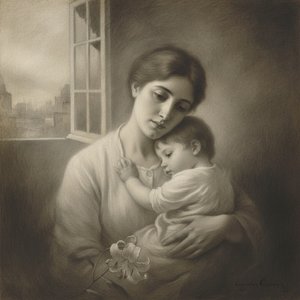
Eugène Carrière: The 'Peintre d'Âme' & Symbolist Portraiture’s Intimate Vision
Explore the haunting world of Eugène Carrière, a pivotal French Symbolist artist known for his deeply intimate portraits & 'peinture d'âme'. Discover his life, style, and lasting influence on modern masters like Picasso. Shop high-quality reproductions at OriginalUniqueArt.
Late Medieval Masterpieces: 10 Artworks That Defined an Era | OriginalUniqueArt
Journey through 10 defining Late Medieval masterpieces – from Giotto's frescoes to Jan van Eyck’s realism. Explore the stories, techniques & vibrant colors of Gothic art. Find museum-quality reproductions and elevate your home decor with OriginalUniqueArt.com! Discover all masterpieces on OriginalUniqueArt.com