

 Примерить в интерьере
 Отправить
 Поделиться
 Подробнее
 Руководство

 Скачать
 Похожие объекты
 Рентгенография
 Слайд-шоу
 Статистика
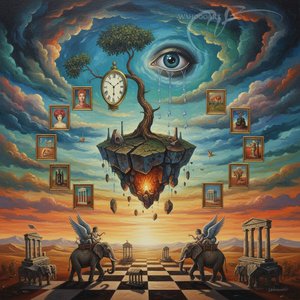
untitled (3545)

 Развернуть текст
Произведение искусства, представленное на этой странице, защищено законом об авторском праве, что исключает возможность законного создания или продажи его точной репродукции. Данная защита обеспечивается международными соглашениями, такими как Бернская конвенция и национальным законодательством, включая положения, изложенные в Закон США об авторском праве — Раздел 17.
Этот метод полностью соответствует нормам авторского права, так как он не предполагает копирования или дублирования защищенного произведения. Напротив, это творческая реинтерпретация — создание новой картины, которая вдохновлена оригиналом, но не является его точной копией.
Жикле / Арт-принты
Печать (жикле) или холст музейного качества с быстрыми сроками изготовления и широким выбором вариантов отделки. ( Заказать репродукцию ручной работы Перейти к цифровым изображениям)




































Выберите один из наших стандартных размеров, соответствующих оригинальным пропорциям произведения искусства.

Введите необходимую ширину и высоту, чтобы репродукция подошла к вашей раме или стене. При печати изображение можно только уменьшить, но нельзя увеличить больше оригинала, поэтому при выборе другого формата часть изображения может быть обрезана. Перед печатью мы отправим вам цифровой макет на утверждение. Изображение на этой странице не отображает реальную обрезку — ее можно увидеть только на макете.
Доставка по всему миру () за 2 недели вместо стандартных 4–5 недель. (21 Октябрь)

Бесплатная экспресс-доставка по всему миру

Высококачественный льняной холст

Полное страхование при транспортировке

Гарантия возврата таможенных пошлин

Гарантия точного цветового соответствия

100-дневный период возврата (только при обнаружении дефектов)

Гарантия возврата 100% средств

Скидка при заказе нескольких работ
 Вариант со стеклом доступен только для размеров менее 110 см

untitled (3545)
Жикле / Арт-принты
Размер репродукции
-


Итоговая стоимость
$ 80
Биография художника
Архитектор снов: Жизнь и видение Эрнста Фукса
Эрнст Фукс (1930–2015) был гораздо большим, чем просто живописцем; он был мультидисциплинарным визионером, который сплел воедино нити скульптуры, архитектуры, музыки и поэзии, чтобы создать уникальную, галлюцинаторную вселенную. Рожденный в Вене в период глубоких исторических потрясений, Фукс вышел из руин послевоенной эпохи не с отчаянием, а с неутолимой жаждой возвышенного. Его путь начался в осязаемом мире скульптуры — дисциплине, которая привила ему вечное почтение к форме и материи. Этот ранний фундамент позволил ему подходить к холсту не как к плоской поверхности, а как к пространству архитектурной глубины и физического присутствия, где фигуры могли дышать внутри тщательно выстроенных миров сновидений.
Сердце наследия Фукса заключается в его роли одного из столпов Венской школы фантастического реализма. Основанное в 1946 году вместе с такими светилами, как Фриденсрайх Хундертвассер и Арнульф Райнер, это движение стремилось выйти за пределы сухости чистой абстракции, приняв гипердетализированную, символическую реальность. Находясь под сильным влиянием психологических глубин юнгианских архетипов и преображающих тайн алхимии, Фукс использовал свое искусство, чтобы противостоять экзистенциальной тревоге через призму глубокой красоты. Его работы часто ощущаются как окно в коллективное бессознательное, где границы между физическим миром и духовной сферой постоянно размыты.
Миштехник и мастерство света
Что по-настоящему отличает шедевр Фукса, так это техническое волшебство его миштехника — революционного возрождения техники лессировки эпохи Ренессанса. Наслаивая полупрозрачные глазури на тщательно подготовленные поверхности, он достигал светящегося внутреннего сияния, которое, кажется, исходит из самой глубины краски. Этот метод позволял ему улавливать тонкую игру света и тени, придавая своим сюжетам почти сверхъестественную витальность. Будь то изображение плотских, тревожных фигур в его экспрессионистских работах или роскошных, призрачных мотивов в более фантастических композициях, техническая точность его руки гарантировала, что каждый мазок вносил вклад в ощущение ошеломляющего реализма.
Это мастерство техники служило идеальным сосудом для его сложного символического языка. В его картинах можно встретить:
- Классические аллюзии: Интеграция римских руин и эстетики Ренессанса для вызова чувства вневременности.
- Биологический метаморфоз: Фигуры, находящиеся в состоянии непрерывного изменения, отражающие темы роста, распада и возрождения.
- Духовный символизм: Глубокое взаимодействие с религиозной иконографией, переосмысленной через сюрреалистическую и зачастую мистическую перспективу.
Наследие, запечатленное в камне и духе
Творческий порыв Фукса никогда не ограничивался стенами студии. Его архитектурные начинания, наиболее заметным из которых стала реставрация Виллы Отто Вагнера в Хюттельдорфе, продемонстрировали его способность воплощать внутренние видения в физическом мире. Превратив это заброшенное здание в Музей Эрнста Фукса, он создал постоянное святилище для той самой магии, которую посвятил документированию всю свою жизнь. Этот акт реставрации отражал его художественную философию: брать разрозненные осколки реальности и собирать их воедино в нечто трансцендентное и цельное.
Оглядываясь на его плодовитую карьеру, историческая значимость Эрнста Фукса остается непоколебимой. Он стал мостом между классическими традициями старых мастеров и психологической сложностью современной эпохи. Благодаря своей непоколебимой преданности фантастическому реализму, он напомнил миру, что даже в самые темные времена человеческое воображение обладает силой созидать небеса из света, цвета и бесконечного чуда. Его работы продолжают завораживать и вдохновлять, являясь свидетельством жизни, прожитой на пересечении видимого и незримого.

Эрнст Фюхс
1930 - 2015 , Австрия
Краткая справка
- Artistic Movement Or Style: Фантастический реализм
- Artists Or Movements Influenced By This Artist: ['Мексиканский экспрессионизм']
- Artists Who Influenced This Artist:
- Эгон Шиле
- Густав Климт
- Date Of Birth: 1930
- Full Name: Ernst Fuchs
- Nationality: Австрийский
- Notable Artworks:
- Самсон
- Гипнотизм
- Place Of Birth: Венгрия
Похожие статьи

Romantic Realism's Finest: 10 Masterpieces for Your Home | OriginalUniqueArt
Explore 10 defining masterpieces of Romantic Realism! Discover Courbet, Millet & Daumier's powerful paintings—capturing emotion and social realities. Find museum-quality reproductions for your home at OriginalUniqueArt.com.

Ernst Fuchs: A Visionary of Fantastic Realism & His Enduring Legacy
Explore the captivating world of Ernst Fuchs & the Vienna School of Fantastic Realism. Discover his unique 'mischtechnik', iconic symbolism, and lasting influence on visionary art. Expert insights for collectors.

The Enduring Allure of the Nude: A Historical & Artistic Exploration of the Human Form
Explore the captivating history of nude art! Discover iconic paintings & artists from classical to modern eras. Uncover symbolism, techniques & find museum-quality reproductions at OriginalUniqueArt.

Макс Эрнст: 25 шедевров сюрреализма для ценителей искусства и декора интерьера
Погрузитесь в мир сюрреализма с Максом Эрнстом! 25 культовых картин, раскрывающих тайны подсознания и новаторские техники. Репродукции высокого качества для вашего интерьера на OriginalUniqueArt.com. Откройте всю коллекцию онлайн!
10 Шедевров Сюрреализма: Искусство Подсознания для Вашего Интерьера
Погрузитесь в мир сюрреализма! Откройте 10 шедевров Дали, Магритта и других гениев. Узнайте истории создания культовых картин и вдохновитесь для декора интерьера. Репродукции высокого качества на OriginalUniqueArt.com.