
 Предпросмотр
 Поделиться
 Поделиться
 Детали произведения
 Руководство

 Скачать
 Похожие предметы
 Рентгенография
 Слайд-шоу
 Вопросы и ответы
 Статистика просмотров
Washington Bridge, Harlem River


 Читать далее
Жикле и арт-принты
Печать (жикле) или холст музейного качества с быстрыми сроками изготовления и широким выбором вариантов отделки. ( Купить картину ручной работы Перейти к цифровым изображениям)




P118B $10

P118H $10

P118W $10

P438Z $10

P508JH $12

P508YH $12

P805H $10

P805Z $10

P919BZ $10

P919G $10

P919XJ $10

P959ZH $10

P968JZ $12

W106C $8

W218G $10

W218JH $8

W218Y $10

W307PJ $10

W316G $10

W316PJ $8

W316Y $10

W398PJ $8

W4111J $10

W500HY $15

W500JH $15

W692G $12

W849H $8

W940BG $15

W953PJ $8




Выберите один из наших стандартных размеров, соответствующих оригинальным пропорциям произведения искусства.

Введите необходимую ширину и высоту, чтобы репродукция подошла к вашей раме или стене. При печати изображение можно только уменьшить, но нельзя увеличить больше оригинала, поэтому при выборе другого формата часть изображения может быть обрезана. Перед печатью мы отправим вам цифровой макет на утверждение. Изображение на этой странице не отображает реальную обрезку — ее можно увидеть только на макете.
Доставка по всему миру () за 2 недели вместо стандартных 4–5 недель. (5 Ноябрь)

Бесплатная экспресс-доставка по всему миру

Высококачественный льняной холст

Полное страхование при доставке

Гарантия возмещения таможенных пошлин

Гарантия точного цветового соответствия

100-дневная гарантия возврата (только при обнаружении дефектов)

Гарантия возврата 100% средств

Скидка при оптовом заказе
 Вариант со стеклом доступен только для размеров менее 110 см

Washington Bridge, Harlem River
Жикле и арт-принты
Размер репродукции
-


Итоговая стоимость
$ 81
A Moment Suspended in Light
The river flows with a quiet, heavy grace under an overcast sky, its surface catching the soft, diffused light of a day caught between shadows. In this view of the Harlem River, the water moves through a landscape where the boundaries between earth and air seem to blur. The Washington Bridge rises in the distance, its golden hue acting as a steady anchor amidst the shifting greens and browns of the foreground. Trees and rocks cling to the riverbanks, rendered with thick, mosaic-like strokes that give the scene a palpable texture. There is a sense of stillness here, as if the wind has momentarily ceased its movement, leaving only the slow pulse of the water and the hazy expanse of the sky above.
The atmosphere feels heavy with moisture, suggesting a cool, damp afternoon where the light does not strike so much as it settles. Every brushstroke contributes to this sense of weight and depth, building layers of color that mimic the way light filters through a mist. The composition draws the eye upward from the dark, organic shapes of the shoreline toward the structural presence of the bridge, creating a silent dialogue between the natural world and the hand of man.
The Language of Impressionism
The technique relies on visible, broken strokes that reject precise lines in favor of pure sensation. This approach captures the ephemeral quality of the atmosphere, using color to suggest form rather than hard outlines. Muted greens and deep browns ground the foreground, while the sky and water reflect a palette of cool tones, punctuated by the warmth of the bridge. The way the paint sits upon the canvas creates a rugged, tactile surface that mirrors the uneven textures of the riverbank itself.
This method reflects the influence of the Impressionist movement, where the goal is to record a fleeting impression of light and weather. By prioritizing the subjective experience of the scene, the work captures the way the eye perceives a landscape in flux. The bridge, though a massive feat of engineering, becomes part of the natural rhythm of the river, its presence softened by the hazy, atmospheric perspective that pushes the distant hills into a soft, blue-tinted blur.
Connections Between Nature and Progress
There is a quiet tension held within this landscape, a subtle meeting point between the wildness of the river and the encroaching reach of urban life. The bridge acts as a physical link between two shores, but symbolically, it represents the intersection of civilization and the natural environment. As the early 20th century brings rapid change to the surrounding landscape, this painting captures a sense of peace that feels fragile, as if the tranquility of the Harlem River is being observed in a rare moment of respite from the expansion of the city.
The emotional weight of the piece lies in this very stillness. It invites a slow, contemplative gaze, encouraging anyone who looks to find a sense of calm within the textured layers of paint. The scene does not demand attention through loud colors or dramatic action; instead, it offers a quiet space for reflection, where the simple beauty of light hitting water and stone remains the central focus.
Вопросы и ответы
Какой цвет преобладает в композиции «Washington Bridge, Harlem River», Эрнест Лоусон?
Наиболее выразительным цветом в произведении «Washington Bridge, Harlem River» является Phthalo Green (#282c2c). Преобладающий цвет полезен при подборе произведения искусства к интерьеру.
К какой эпохе относится «Washington Bridge, Harlem River»?
Исторический период произведения «Washington Bridge, Harlem River», Эрнест Лоусон — Modern. Данная классификация определяет место работы в истории искусства.
Каковы права на воспроизведение произведения «Washington Bridge, Harlem River» в High Museum of Art?
Оригинал произведения «Washington Bridge, Harlem River» находится в High Museum of Art, и работа является общественное достояние — срок действия авторского права истёк.
Биография художника
Ранние годы и становление
Эрнест Лоусон, выдающаяся фигура в движении американского импрессионизма, родился 22 марта 1873 года в Галифаксе, Новая Шотлантика, Канада. В 1888 году он переехал в Соединенные Штаты, обосновавшись в Канзас-Сити, а позже, в 1891 году, отправился в Нью-Йорк, где записался на курсы в Лигу студентов-художников. Под наставничеством Джона Твахтмена Лоусон познакомился с импрессионизмом — направлением, которое оказало глубокое влияние на его творческие годы.Художественное развитие и влияния
Стиль Лоусона, характеризующийся гармоничным сочетанием импрессионизма и реализма, формировался под воздействием его встреч с великими мастерами. В 1893 году он обучался в Академии Жюльена в Париже, где познакомился с такими художниками, как Жан-Жозеф Бенжамен-Констан и Жан-Поль Лорен. Его опыт живописи на пленэре на юге Франции и в Море-сюр-Луан, где он встретил английского импрессиониста Альфреда Сислея, еще больше обогатил его художественное видение.Группа «Восьми» и значимые выставки
В 1908 году Лоусон примкнул к «Восьми» — группе художников, выступивших против узких вкусов и ограничительной выставочной политики Национальной академии дизайна. Это объединение привело к знаковой выставке в галерее Макбет в Нью-Йорке, которая привлекла широкое внимание прессы и вызвала бурные дискуссии о многообразии стилей и сюжетов в американском искусстве.- «Городские пригороды», одна из выдающихся работ Лоусона, ныне входит в состав Коллекции Филлипса в Вашингтоне, демонстрируя его уникальный синтез импрессионизма и реализма. (Смотреть на OriginalUniqueArt)
- Другое полотно, «Надвигающаяся буря», также хранящееся в Коллекции Филлипса, свидетельствует о мастерстве Лоусона в передаче самой сути американских пейзажей. (Смотреть на OriginalUniqueArt)
- Чтобы узнать больше об Эрнесте Лоусоне и его вкладе в американский импрессионизм, посетите его страницу на OriginalUniqueArt.
Наследие и влияние
Сдержанный, но при этом живой стиль Лоусона, который арт-критик Джеймс Гиббонс Ханукер описал как рожденный из «палитры измельченных драгоценных камней», оставил неизгладимый след в американском искусстве. Его участие в группе «Восьми» и самобытный художественный подход сделали его знаковой фигурой в истории импрессионизма. Основные факты:* родился: 22 марта 1873 г., Галифакс, Новая Шотландия, Канада
* умер: 18 декабря 1939 г.
* значимые работы: «Городские пригороды», «Надвигающаяся буря»
* влияния: Джон Твахтмен, Жан-Жозеф Бенжамен-Констан, Альфред Сислей
* объединение: «Восьми»
* стиль: сочетание импрессионизма и реализма

Эрнест Лоусон
1873 - 1939 , Канада
Об авторе
- Artistic Movement Or Style: Импрессионизм
- Artists Or Movements Influenced By This Artist: ['Импрессионизм']
- Artists Who Influenced This Artist:
- Жан Твартман
- Альфред Сислей
- Date Of Birth: 22 марта 1873 г.
- Date Of Death: 18 декабря 1939 г.
- Full Name: Эрнест Лавсон
- Nationality: Канадский
- Notable Artworks:
- Верхний залив Гарлем — Зима
- Мост Гапстоу и пруд, Нью-Йорк
- Place Of Birth: Галифакс, Канада
Похожие статьи

Frederick Childe Hassam: American Impressionism's Chronicler of Light & Modern Life
Explore the captivating world of Frederick Childe Hassam, a pioneer of American Impressionism. Discover his iconic paintings capturing light, urban life & coastal beauty. Learn about his legacy and influence on American art history.
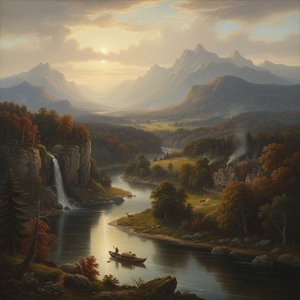
Capturing the American Spirit: A Journey Through Iconic Landscapes and the Legacy of the Hudson River School
Explore the profound beauty of American art history. From the Hudson River School to iconic landscapes, discover a curated journey through the masterpieces that defined a nation's spirit and the enduring legacy of American Romanticism.
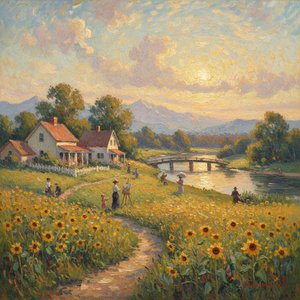
Capturing a Nation's Light: Exploring the American Impressionist Movement
Explore the captivating world of American Impressionism! Discover key artists, techniques & its lasting impact on art history. Find museum-quality reproductions and expert guidance at OriginalUniqueArt.
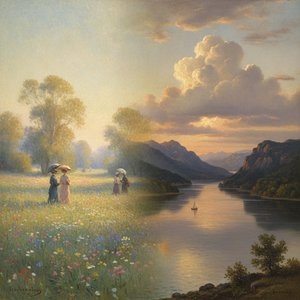
Capturing the Light: A Journey Through the Soul of American Impressionism and the Hudson River School
Explore the luminous beauty of American Impressionism and the Hudson River School. Discover a curated journey through light, landscape, and history, celebrating the enduring legacy of masters through exquisite, hand-painted oil reproductions for the discerning art lover.
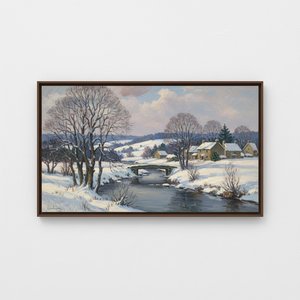
Ernest Lawson: A Pioneer of American Impressionism & His Vision of the Rural Landscape
Explore the life & art of Ernest Lawson, a pivotal figure in American Impressionism. Discover his evocative landscapes, influences, and lasting legacy with OriginalUniqueArt.