

 Примерить в интерьере
 Отправить
 Поделиться
 Подробнее
 Руководство

 Скачать
 Похожие объекты
 Рентгенография
 Слайд-шоу
 Статистика
Figures Craning their Necks

 Развернуть текст
Приобретите цифровое изображение высокого разрешения в улучшенном качестве, которое значительно превосходит онлайн-превью.
Каждый файл проходит тщательную подготовку нашими специалистами с использованием передовых инструментов и экспертной ручной ретуши. Мы гарантируем исключительную четкость, безупречную точность цветопередачи и детальную проработку каждого изображения.
Финальный файл доставляется по электронной почте в течение 72 часов и оптимизирован для немедленного использования в профессиональной среде, при верстке и печати. Это тот же уровень качества, которому доверяют ведущие дизайнерские студии, издательства и галереи.
Цифровое изображение
Скачайте файл высокого разрешения для личного использования, печати и творческих проектов. ( Переключиться на печать Заказать репродукцию ручной работы)
Включено в каждый заказ цифровых изображений
Гарантия профессиональной цифровой доставки
Выбирая OriginalUniqueArt.com, вы получаете не просто изображение — вы приобретаете профессионально обработанное цифровое произведение искусства, созданное с безупречной точностью и под защитой гарантии качества. Вот всё, что автоматически входит в ваш заказ:

Быстрая доставка по e-mail
Ваш цифровой файл в высоком разрешении будет отправлен по электронной почте в течение 72 часов после оформления заказа и сразу станет доступен для использования.

Цифровой файл с ИИ-обработкой
Ваше произведение искусства проходит профессиональную оптимизацию с использованием передовых инструментов ИИ и ручной обработки, что гарантирует максимальную детализацию, четкость и точность цветопередачи.

Бессрочная бесплатная повторная отправка
Случайно удалили или потеряли файл? Не беспокойтесь — мы отправим его вам повторно в любое время и совершенно бесплатно.

Без импортных пошлин — навсегда
Наслаждайтесь вашим произведением искусства мгновенно без таможенных пошлин, сборов или затрат на доставку — цифровые загрузки всегда не облагаются налогом.

Гарантия точности цветопередачи
Мы гарантируем максимально точное соответствие цифрового изображения оригиналу благодаря использованию профессиональных инструментов и систем управления цветом.

Гарантия удовлетворенности 100 дней
Если вы не будете удовлетворены своим цифровым изображением, мы внесем правки или вернем 100% стоимости в течение 100 дней — без лишних вопросов.

100% Гарантия возврата средств
Не удовлетворены покупкой? Мы вернем вам полную стоимость в течение 100 дней после получения цифрового файла — без лишних вопросов.

Скидки на оптовые заказы
Купите 3 изображения — скидка 10%; купите 5 — скидка 15%; от 10 изображений — скидка 20%. Отличное решение для творческих проектов, галерей и агентств.
A Glimpse into Raw Emotion: Emil Nolde's "Figures Craning their Necks"
This striking artwork by German Expressionist master Emil Nolde presents a powerful and immediate depiction of two figures consumed by an upward gaze. More than just a portrait, it’s a visceral exploration of human emotion, aspiration, and the search for something beyond our grasp. The piece captivates with its dynamic composition, bold color choices, and raw, gestural technique, offering viewers a window into Nolde's unique artistic vision.Expressionistic Style & Technique
Nolde was a pivotal figure in the Expressionist movement, known for rejecting academic realism in favor of conveying subjective feelings and experiences. "Figures Craning their Necks" exemplifies this approach perfectly. The style is characterized by its distortion of form, loose brushwork, and an emphasis on color as a primary means of expression. Nolde likely employed watercolor or gouache paints on paper, allowing for the layering and blending that create the work's atmospheric depth. Notice how outlines are blurred, prioritizing emotional impact over precise representation. The texture is rough and layered due to visible brushstrokes, further enhancing the sense of spontaneity and immediacy. The absence of traditional perspective contributes to a dreamlike quality, drawing focus entirely on the figures’ emotive posture.Symbolism & Interpretation
The central subject matter – two human forms with their necks craned upwards – is rich in symbolic potential. The upward gaze can be interpreted as representing aspiration, wonder, or even spiritual seeking. The contrasting colors used to depict the figures—vibrant reds and oranges against deep blacks and browns—add another layer of complexity. These opposing hues could symbolize conflicting perspectives, internal struggles, or the duality inherent within human nature. While Nolde rarely provided explicit explanations for his work, it’s clear that he aimed to evoke a profound emotional response in the viewer rather than deliver a literal narrative. The hazy background and lack of defined setting further amplify this sense of mystery and introspection.Historical Context & Nolde's Legacy
Created during a period of significant social and political upheaval in Germany, "Figures Craning their Necks" reflects the anxieties and uncertainties of the time. Nolde was a founding member of *Die Brücke* (The Bridge), an Expressionist group that sought to break away from traditional artistic conventions and express the raw realities of modern life. However, his later association with the Nazi regime remains a controversial aspect of his biography. Despite this complex history, Nolde’s contribution to Expressionism is undeniable. His bold use of color, expressive brushwork, and exploration of primal emotions continue to inspire artists and captivate audiences worldwide. Owning a reproduction of "Figures Craning their Necks" allows you to bring a piece of this powerful artistic legacy into your own space—a testament to the enduring power of human emotion expressed through art.Вопросы и ответы
Где я могу найти произведения искусства, похожие на «Figures Craning their Necks», Эмиль Нолде?
Работы, похожие на «Figures Craning their Necks», представлены на странице Похожие работы произведения.
Почему произведение «Figures Craning their Necks» имеет именно такой статус авторского права?
Произведение «Figures Craning their Necks» за авторством Эмиль Нолде находится в является общественным достоянием — срок действия авторского права истек. Срок действия авторского права исчисляется со дня смерти автора; Эмиль Нолде скончался(а) в 1956 году.
Цвета в работе "Figures Craning their Necks" кажутся насыщенными или приглушенными?
Цвета в работе «Figures Craning their Necks», Эмиль Нолде обладают Balanced интенсивностью.
Биография художника
Early Life and Artistic Beginnings
Emil Nolde, a name synonymous with vibrant expressionism, was born Hans Emil Hansen on August 7th, 1867, in the small village of Nolde, nestled within the Schleswig-Holstein region of Germany. His origins were deeply rooted in rural life – his family’s livelihood intertwined with the rhythms of farming and a strong connection to their local community. Despite this grounding, young Hans harbored an intense yearning for something beyond the familiar, a desire that would ultimately lead him down the path of art. Initially, his parents, mindful of traditional expectations, envisioned a more practical future for him – perhaps as a woodcarver or furniture maker. However, from a remarkably early age, Hans demonstrated an undeniable passion for artistic creation, meticulously sketching and crafting small wooden figures in his spare time. This nascent talent, coupled with an unwavering determination, eventually compelled him to pursue formal art training, defying the expectations of his family and embarking on a journey that would transform his life and leave an indelible mark on the world of art.Artistic Development and Influences
Nolde’s artistic development wasn't a straightforward ascent; it was a dynamic process shaped by constant exploration and a willingness to absorb influences from diverse sources. He began his formal training at the Kunstgewerbeschule in Karlsruhe, where he honed his technical skills but quickly found himself yearning for something more—a way to express the raw emotions simmering within him. Paris became a pivotal destination during this period, exposing him to the revolutionary ideas of Vincent van Gogh and Paul Gauguin. Van Gogh’s intense color palettes and emotionally charged brushstrokes ignited a spark in Nolde, while Gauguin's exploration of primitive cultures and symbolic imagery offered a pathway towards a more personal and expressive style. Crucially, Nolde wasn’t merely imitating these masters; he was actively distilling their techniques into his own unique vocabulary, incorporating elements of folk art—particularly the powerful symbolism of masks and carvings—into his work. These early influences laid the foundation for his distinctive approach, characterized by bold colors, distorted forms, and a profound engagement with primal emotions.Die Brücke and Expressionist Breakthrough
In 1905, Nolde’s artistic trajectory took a dramatic turn when he co-founded *Die Brücke* (The Bridge), a groundbreaking group of German Expressionist artists based in Dresden. This collective represented a radical departure from the established academic traditions of the time, seeking to capture the anxieties and passions of modern life through intensely subjective and emotionally charged art. *Die Brücke* was not simply an artistic circle; it was a philosophical movement, driven by a desire to break free from convention and express inner realities. Nolde’s contribution to *Die Brücke* was particularly significant—his masterful use of color and his willingness to distort forms pushed the boundaries of representation, creating works that were both unsettling and profoundly moving. However, despite his integral role within the group, Nolde maintained a degree of independence, often diverging in subject matter and stylistic approach. He wasn’t seeking conformity; he was forging his own path, guided by his unique vision.Key Themes and Artistic Style
Nolde's artistic output is defined by recurring motifs that reflect his deeply held beliefs and emotional landscape. Religious scenes—often imbued with a sense of drama and psychological intensity—feature prominently in his oeuvre, alongside evocative landscapes and seascapes that capture the raw beauty and power of nature. Perhaps most compellingly, Nolde was fascinated by masks – both as physical objects and potent symbols representing primal emotions, hidden identities, and the duality of human experience. His paintings are not merely depictions; they are explorations of the subconscious, rendered in a vibrant palette of colors—bold reds, yellows, and blues—and characterized by thick, impasto brushstrokes that convey texture and movement. This distinctive style, combined with his profound emotional depth, cemented Nolde’s place as one of the most important figures in German Expressionism.Notable Works and Historical Significance
Throughout his prolific career, Nolde created a vast body of work—over 1,500 paintings, watercolors, prints, and drawings. Some of his most celebrated pieces include *Masks* (1906-1907), a series exploring the symbolism of masks and their connection to human identity; *The Mocking of Christ* (1909), a powerfully emotive depiction of religious suffering; *Autumn Sea* (1908), capturing the dramatic beauty of the North German coast; and *Flower Garden (Girl and Washing)* (1907), a vibrant tableau of rural life. Despite facing censorship and persecution during the rise of Nazism—his work was deemed “degenerate” and confiscated—Nolde continued to paint, producing a remarkable body of secret watercolors in the years leading up to World War II. His legacy endures as a testament to the power of art to express profound emotions and challenge conventional norms, solidifying his position as a pivotal figure in 20th-century art history.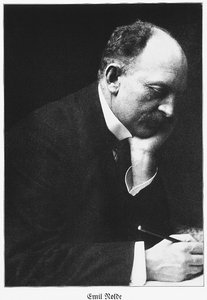
Эмиль Нолде
1867 - 1956 , Германия
Краткая справка
- Artistic Movement Or Style: Экспрессионизм, Брюкке
- Artists Or Movements Influenced By This Artist: ['Новая сецессия']
- Artists Who Influenced This Artist:
- Ван Гог
- Гаргол
- Date Of Birth: 7 августа 1867 г.
- Date Of Death: 15 апреля 1956 г.
- Full Name: Эмиль Нольде
- Nationality: Немецко-датский
- Notable Artworks:
- Насмешка над Христом
- Цветочный сад
- Осеннее море
- Place Of Birth: Н олде, Германия