
 Примерить в интерьере
 Отправить
 Поделиться
 Подробнее
 Руководство

 Скачать
 Похожие объекты
 Рентгенография
 Слайд-шоу
 Статистика
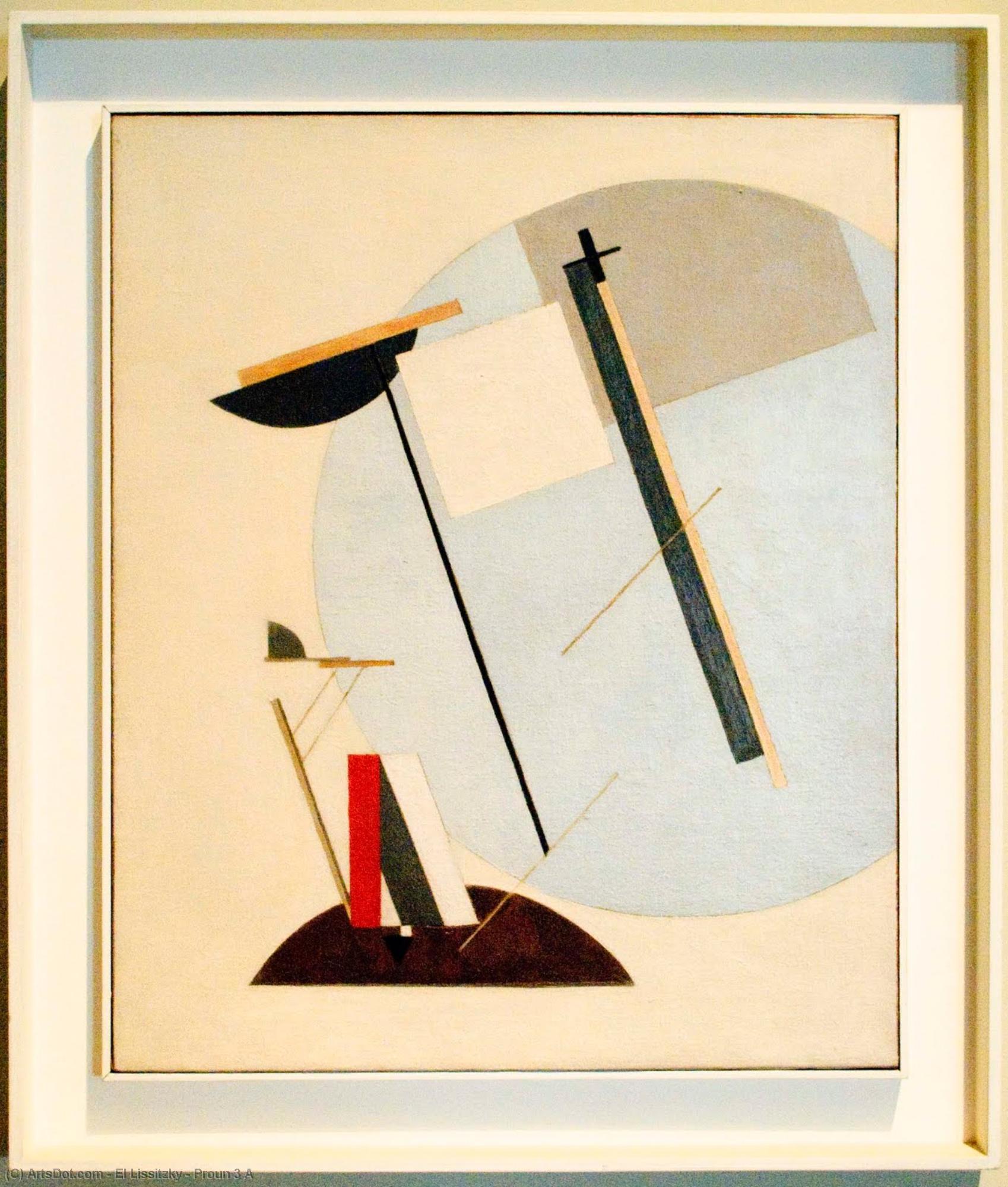
Proun 3 A

 Развернуть текст
Масляная репродукция ручной работы
Картина маслом на холсте в выбранном вами размере и раме, написанная на заказ нашими художниками. ( Переключиться на печать Перейти к цифровым изображениям)




P118B $10

P118H $10

P118W $10

P438Z $10

P508JH $12

P508YH $12

P805H $10

P805Z $10

P919BZ $10

P919G $10

P919XJ $10

P959ZH $10

P968JZ $12

W106C $8

W218G $10

W218JH $8

W218Y $10

W307PJ $10

W316G $10

W316PJ $8

W316Y $10

W398PJ $8

W4111J $10

W500HY $15

W500JH $15

W692G $12

W849H $8

W940BG $15

W953PJ $8




Выберите один из наших стандартных размеров, соответствующих оригинальным пропорциям произведения искусства.

Введите необходимую ширину и высоту, чтобы репродукция подошла к вашей раме или стене. Поскольку работа выполняется вручную, при изменении пропорций художник может немного увеличить область вокруг картины или, наоборот, обрезать края — выбор за вами. Перед началом работы мы пришлем вам цифровой макет на утверждение. Изображение на этой странице не является точным результатом — увидеть реальный вид можно только на макете.
После оформления заказа команда OriginalUniqueArt.com свяжется с клиентом по электронной почте для уточнения деталей и предоставит предварительный макет
Доставка по всему миру () за 3–4 недели вместо стандартных 5 недель. (27 Октябрь). Без компромиссов в качестве.

Бесплатная экспресс-доставка по всему миру

Высококачественный льняной холст

Полное страхование при транспортировке

Гарантия возврата таможенных пошлин

Гарантия точного цветового соответствия

100-дневный период возврата (только при обнаружении дефектов)

Гарантия возврата 100% средств

Скидка при заказе нескольких работ
 Вариант со стеклом доступен только для размеров менее 110 см

Proun 3 A
Материал репродукции
Размер репродукции
-


Итоговая стоимость
$ 300
A Geometric Symphony of Revolution
El Lissitzky’s Proun 3 A stands as a testament to the fervent idealism of Constructivism—a movement that sought to liberate art from representational illusion and forge it into a tool for social transformation. Created in 1920, this lithograph is part of a larger portfolio exploring Lissitzky's groundbreaking concept of Proun, which aimed to visualize the underlying structure of reality itself. Unlike traditional painting, Proun abandons depiction; instead, it presents a complex geometric arrangement designed to convey an emotional and intellectual resonance far beyond mere visual appearance.- Subject Matter: The composition centers around a prominent circle intersected by a cross—a motif that recurs throughout Lissitzky’s Proun series. This seemingly simple form embodies profound symbolic significance, representing the unity of cosmos and human consciousness according to Lissitzky's philosophical framework.
- Style & Technique: Lissitzky’s meticulous execution demonstrates Constructivist precision. Lithography—a printing process known for its ability to reproduce intricate detail—was chosen to capture the essence of Proun’s geometric abstraction. The artist employed a bold palette, utilizing shades of ochre and crimson to heighten the visual impact.
Symbolism Beyond Geometry
Beyond its formal structure, Proun 3 A resonates with deeper symbolic meanings rooted in Lissitzky’s spiritual explorations. The circle represents wholeness and unity—a concept central to Eastern philosophy and embraced by Lissitzky as a means of overcoming Western dualisms. Simultaneously, the cross symbolizes faith and transcendence—a visual counterpoint that underscores the artist's desire to reconcile reason and spirituality.Emotional Impact & Artistic Legacy
Ultimately, Proun 3 A transcends mere aesthetic contemplation; it invites viewers into a dialogue about the nature of reality and the role of art in shaping perception. Lissitzky’s masterful manipulation of geometric form conveys an aura of intellectual conviction—a palpable sense of optimism tempered by awareness of social responsibility. This lithograph remains a cornerstone of Constructivist art, inspiring generations of artists to explore the expressive potential of abstraction while grappling with pressing societal concerns. Its enduring appeal lies in its ability to communicate profound ideas through deceptively simple visual elements—a testament to Lissitzky’s genius as both artist and visionary.Вопросы и ответы
Какую атмосферу принесет в интерьер репродукция «Proun 3 A», Эль Лисицкий?
Modern атмосфера работы «Proun 3 A», Эль Лисицкий идеально дополняет рекомендуемое пространство: Living Room.
Является ли «Proun 3 A», Эль Лисицкий одним из самых востребованных произведений в стиле Constructivism?
«Proun 3 A» имеет уровень популярности Recognized среди работ направления Constructivism в каталоге.
Какова насыщенность и интенсивность цветов в работе «Proun 3 A», Эль Лисицкий?
Цвета произведения «Proun 3 A», Эль Лисицкий демонстрируют Subtle Color насыщенность при Vivid интенсивности.
Биография художника
A Revolutionary Vision: The Life and Art of El Lissitzky
El Lissitzky, born Lazar Markovich Lissitzky in 1890 in the small Russian town of Pochinok, emerged as a pivotal figure in the tumultuous landscape of early 20th-century art. His journey was one of constant reinvention, driven by a fervent belief in the power of art to shape society and reflect the dynamism of the modern world. From his initial training as an architect and engineer – pursuits hampered by restrictions placed upon Jewish students – Lissitzky’s path diverged towards artistic expression, initially through illustrations steeped in Jewish folklore. These early works, like his cover for ‘Chad Gadya’, reveal a nascent talent already grappling with narrative and visual storytelling, hinting at the profound cultural roots that would continue to inform his aesthetic. A move to Berlin and Darmstadt broadened his horizons, but it was upon returning to Russia that Lissitzky truly found his artistic voice, becoming inextricably linked with the revolutionary fervor sweeping through the nation.The Embrace of Abstraction: Suprematism and Proun
A defining moment arrived with his encounter with Kazimir Malevich and the embrace of Suprematism. This radical movement, dedicated to pure geometric abstraction, resonated deeply with Lissitzky’s desire to transcend representational art and tap into a universal visual language. He became a key member of UNovis, the Suprematist group established in Vitebsk, actively disseminating its principles through teaching and artistic production. However, Lissitzky didn't simply replicate Malevich’s style; he forged his own distinct path with the development of *Proun*. This unique series, born from a fusion of Suprematism and Constructivism, explored spatial relationships and geometric forms in dynamic compositions that often resembled architectural blueprints or exploded diagrams. Proun wasn't merely painting; it was an investigation into the very structure of space itself, a premonition of future architectural possibilities. These works, with their floating planes and intersecting lines, embodied Lissitzky’s belief in art as a force capable of constructing new realities. The influence of his engineering background is palpable here, lending a structural logic to the abstract forms. He sought to depict not just objects but their spatial relationships, creating a visual language that could be used to organize and understand the world around him.Art as Propaganda and Social Commentary
Lissitzky's artistic vision extended far beyond the canvas. He passionately believed that art should serve a social purpose, actively engaging with political ideologies and seeking ways to integrate design into everyday life. This conviction led him to become deeply involved in Soviet propaganda efforts, creating powerful posters and graphic designs intended to mobilize public support for the Bolshevik regime. His 1941 poster calling for tank construction stands as a testament to this commitment – a stark, impactful image reflecting the urgency of wartime. Beyond propaganda, Lissitzky revolutionized typography, exhibition design, and photomontage. He understood that effective communication required innovative visual strategies, and he fearlessly experimented with new techniques to convey his message. His photomontages, such as ‘The Constructor’ (1924), are particularly striking – self-portraits that blend photography with geometric abstraction, offering a complex commentary on identity and the role of the artist in society. These works demonstrated his ability to synthesize disparate elements into a cohesive and powerful visual statement.A Cultural Ambassador: Spreading Constructivist Ideals
Lissitzky's influence transcended national borders. He served as a crucial cultural ambassador for Soviet art, disseminating Constructivist ideas throughout Western Europe, particularly in Germany. His innovative exhibition designs challenged traditional gallery spaces, creating immersive environments that actively engaged viewers. These exhibitions weren’t simply displays of artwork; they were carefully constructed experiences designed to provoke thought and inspire action. His work had a profound impact on the Bauhaus and De Stijl movements, influencing generations of artists and designers with its emphasis on geometric abstraction, functionalism, and social responsibility. He collaborated with figures like Kurt Schwitters and Theo van Doesburg, fostering a cross-cultural exchange that enriched the artistic landscape of the era. Lissitzky’s ability to articulate and translate complex ideas into visually accessible forms made him a sought-after consultant for numerous Soviet cultural institutions.Legacy and Enduring Influence
El Lissitzky’s life was tragically cut short in 1941 in Moscow, but his legacy continues to resonate today. He bridged the gap between art and architecture, abstraction and social purpose, leaving behind a body of work that is both intellectually stimulating and visually captivating. The establishment of the Lissitzky Foundation in 2014 underscores the ongoing commitment to preserving his artistic heritage and preparing a comprehensive catalogue raisonné of his creations. His innovations in typography, exhibition design, and photomontage continue to inspire contemporary artists and designers, while his unwavering belief in the power of art as a force for social change remains profoundly relevant.- His work is held in numerous international collections
- Museums featuring his works include the Taganrog Art Museum and Novokuznetsk Art Museum.

Эль Лисицкий
1890 - 1941 , Россия
Краткая справка
- Artistic Movement Or Style:
- Супрематизм
- Конструктивизм
- Прун
- Artists Or Movements Influenced By This Artist:
- Баухаус
- Де Стиль
- Artists Who Influenced This Artist: ['Казимир Малевич']
- Date Of Birth: 23 нояб 1890
- Date Of Death: 30 дек 1941
- Full Name: Ля́зар Маркови́ч Лиси́цкий
- Nationality: Русский
- Notable Artworks:
- «Конструктор»
- Обложка «Чад Гадя»
- Серия «Прун»
- Place Of Birth: Починок, Россия
Похожие статьи

Эль Греко: 25 шедевров гения. Купить картины онлайн | OriginalUniqueArt
Погрузитесь в мир Эль Греко! 25 величайших шедевров испанского маньеризма. Узнайте историю создания культовых картин, технику и символизм. Купите репродукции высокого качества для вашего интерьера на OriginalUniqueArt.com.

Beyond Form & Color: Geometric Abstraction's Evolution in 20th/21st Century Art
Explore the evolution of geometric abstraction from Cubism to contemporary art. Discover key artists like Malevich & Mondrian, investment insights, and expert collecting advice at OriginalUniqueArt.

Топ-25 шедевров Василия Кандинского: Абстрактное искусство для вашего интерьера
Погрузитесь в мир абстрактного искусства с Василием Кандинским! 25 шедевров экспрессионизма, баухауса и русского авангарда. Репродукции картин Кандинского для вдохновения и декора вашего интерьера. Откройте всю коллекцию на OriginalUniqueArt.com

Neo-Abstract Art: The High-Impact Evolution of Modern Visual Energy and Geometric Sophistication
Discover the power of Neo-Abstract art. Explore how bold geometric forms and high-impact visual energy are redefining modern design. Learn to curate sophisticated, high-energy spaces with the latest trends in contemporary abstraction and structural color.

Геометрическая абстракция: 10 шедевров, изменивших искусство | OriginalUniqueArt.com
Погрузитесь в мир геометрической абстракции! От Кандинского до Малевича – 10 шедевров, изменивших искусство. Узнайте историю создания и значение культовых картин. Репродукции музейного качества на OriginalUniqueArt.com. Вдохновение для вашего интерьера!


