 Предпросмотр
 Поделиться
 Поделиться
 Детали произведения
 Руководство

 Скачать
 Похожие предметы
 Рентгенография
 Слайд-шоу
 Вопросы и ответы
 Статистика просмотров
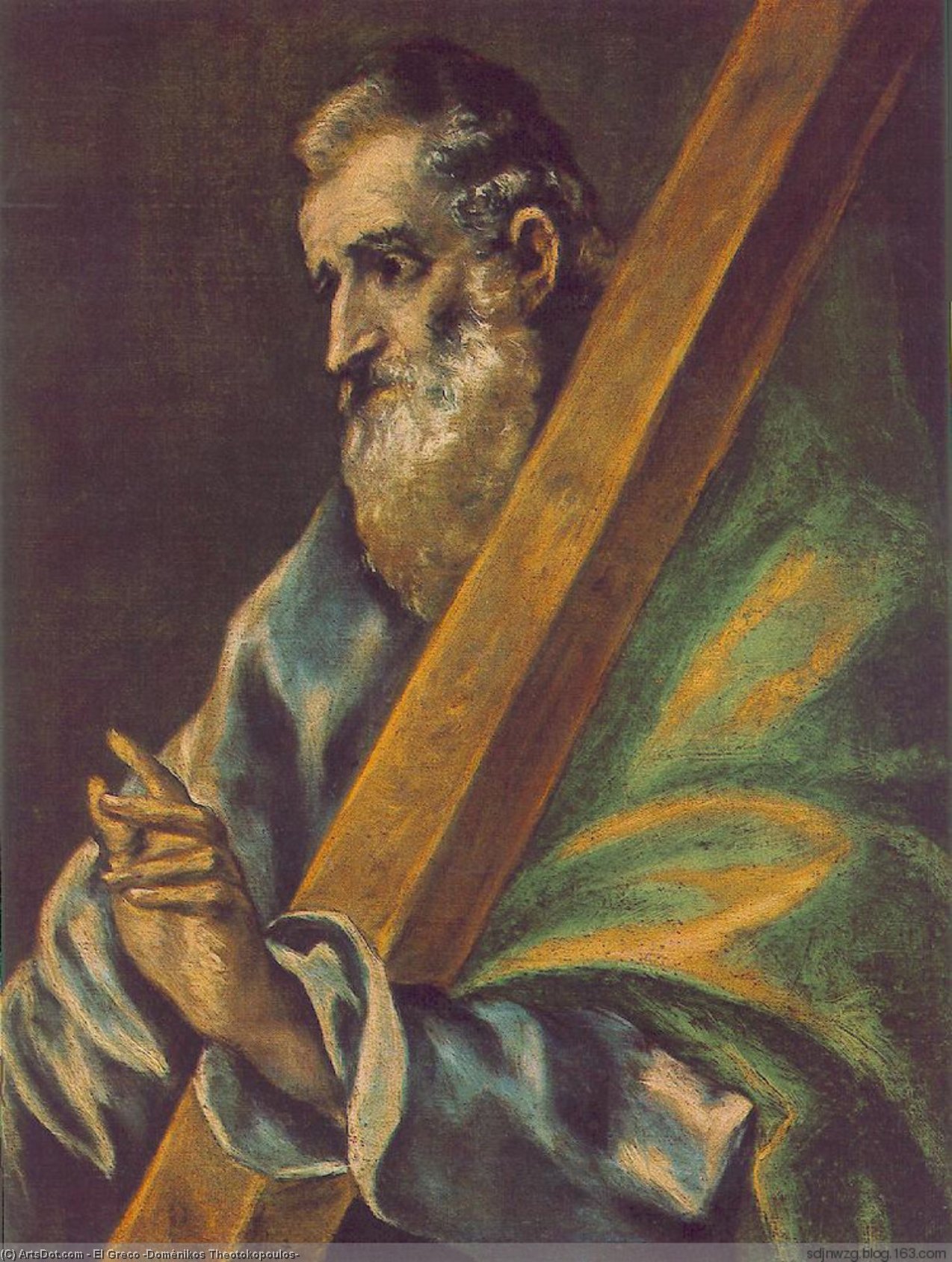
Apostle St Andrew

- 70.0 x 53.0 cm


 Читать далее
Жикле и арт-принты
Печать (жикле) или холст музейного качества с быстрыми сроками изготовления и широким выбором вариантов отделки. ( Купить картину ручной работы Перейти к цифровым изображениям)




P118B $10

P118H $10

P118W $10

P438Z $10

P508JH $12

P508YH $12

P805H $10

P805Z $10

P919BZ $10

P919G $10

P919XJ $10

P959ZH $10

P968JZ $12

W106C $8

W218G $10

W218JH $8

W218Y $10

W307PJ $10

W316G $10

W316PJ $8

W316Y $10

W398PJ $8

W4111J $10

W500HY $15

W500JH $15

W692G $12

W849H $8

W940BG $15

W953PJ $8




Выберите один из наших стандартных размеров, соответствующих оригинальным пропорциям произведения искусства.

Введите необходимую ширину и высоту, чтобы репродукция подошла к вашей раме или стене. При печати изображение можно только уменьшить, но нельзя увеличить больше оригинала, поэтому при выборе другого формата часть изображения может быть обрезана. Перед печатью мы отправим вам цифровой макет на утверждение. Изображение на этой странице не отображает реальную обрезку — ее можно увидеть только на макете.
Доставка по всему миру () за 2 недели вместо стандартных 4–5 недель. (10 Ноябрь)

Бесплатная экспресс-доставка по всему миру

Высококачественный льняной холст

Полное страхование при доставке

Гарантия возмещения таможенных пошлин

Гарантия точного цветового соответствия

100-дневная гарантия возврата (только при обнаружении дефектов)

Гарантия возврата 100% средств

Скидка при оптовом заказе
 Вариант со стеклом доступен только для размеров менее 110 см

Apostle St Andrew
Жикле и арт-принты
Размер репродукции
-


Итоговая стоимость
$ 81
A Deep Dive into El Greco’s “Apostle St Andrew”
Doménikos Theotokópoulos, universally known as El Greco – “the Greek” – stands apart from his contemporaries as a painter whose artistic vision transcended conventional boundaries. Born in Crete in 1541, under Venetian dominion, his journey through Venice and Rome ultimately solidified his indelible mark on the artistic landscape of Spain: Toledo became his spiritual home and the crucible for his revolutionary style. El Greco wasn’t merely absorbing influences; he masterfully synthesized them—Byzantine solemnity blended seamlessly with Western Renaissance dynamism—resulting in an aesthetic that foreshadowed movements like Expressionism and Cubism centuries ahead of their time. His formative years within the Byzantine tradition instilled a meticulous attention to detail and a profound understanding of religious iconography, shaping his approach to portraying sacred subjects. Yet, he refused to be confined by dogma, actively pursuing new artistic horizons. He signed his canvases in Greek – “Krḗs” – proudly asserting his Cretan heritage while simultaneously embracing the stylistic currents circulating throughout Europe. The genesis of El Greco’s distinctive style can be traced back to a pivotal moment: witnessing the devastation wrought by the Lisbon earthquake of 1755, which profoundly impacted him emotionally and spurred him to experiment with innovative compositional strategies.The Artist's Singular Style: Long Lines and Vibrant Color
El Greco’s artistic signature is instantly recognizable—characterized by elongated figures rendered in luminous hues against backgrounds imbued with a palpable sense of mysticism. “Apostle St Andrew” exemplifies this approach perfectly. The artist employs dramatic foreshortening, elongating the saint’s body to convey spiritual intensity and conveying an ethereal quality rarely achieved during his era. His palette explodes with rich blues and golds—a deliberate choice reflecting Venetian artistic traditions but infused with a uniquely El Greco sensibility. These colors aren't merely decorative; they serve as conduits for emotion, amplifying the solemn grandeur of the scene. The artist’s technique is equally noteworthy: he utilizes impasto – thick brushstrokes – to sculpt texture onto the canvas surface, creating palpable depth and enhancing the visual impact of the composition. This textural richness contributes significantly to the painting's expressive power.Symbolism Embodied in Light and Gesture
The central element—the cross held by St. Andrew—is laden with symbolic significance. It represents his martyrdom and underscores his unwavering faith, mirroring the broader Christian narrative of sacrifice and redemption. The saint’s gaze is directed upwards, conveying humility and reverence – a gesture that speaks to the spiritual core of Byzantine art. Furthermore, the drapery surrounding St. Andrew is rendered with meticulous detail, capturing folds and creases that convey movement and dynamism—a stylistic departure from more static depictions prevalent in earlier periods. The subtle interplay of light and shadow further enhances the painting’s dramatic atmosphere, guiding the viewer's eye toward the focal point and amplifying the saint’s solemn presence.Historical Context: Venetian Influence Meets Andalusian Spirit
El Greco’s artistic trajectory was shaped by the cultural currents of his time—particularly the influence of Venice, where he honed his skills during a formative period. However, he wasn't merely imitating Venetian aesthetics; he transformed them into something wholly original, reflecting the spiritual fervor of Andalusia and forging an artistic identity that resonated across Europe. His work stands as testament to the enduring power of tradition blended with innovation—a legacy that continues to inspire artists today. To appreciate El Greco’s genius fully, a visit to The Museum Szépmûvészeti Múzeum (Budapest, Hungary) offers invaluable insight into his oeuvre and its broader artistic context.Вопросы и ответы
Как в «Apostle St Andrew», Эль Греко переплетаются художественное направление и эпоха?
«Apostle St Andrew» относится к направлению Baroque, а его создатель работал в эпоху — Эпоха Возрождения.
Является ли произведение «Apostle St Andrew» свободным от авторских прав?
Произведение «Apostle St Andrew», Эль Греко находится в общественное достояние — срок действия авторского права истёк. Этот статус определяет правила воспроизведения изображения данного произведения.
Для каких целей рекомендуется использовать репродукцию «Apostle St Andrew»?
Рекомендуемый способ использования репродукции «Apostle St Andrew», Эль Греко — Accent. Она также может служить для других целей.
Биография художника
Критские истоки
Доменикос Теотокопулос, вошедший в историю под именем Эль Греко, начал свой жизненный путь в 1541 году на острове Крит. В то время остров был владением Венеции, и этот факт впоследствии позволит художнику навести мост между восточными и западными традициями. Он обучался искусству иконописи в рамках византийской традиции — дисциплины, требовавшей исключительного внимания к деталям и сосредоточенности на духовной сущности предмета, а не на простом физическом сходстве. Это раннее погружение в критскую школу наделило его чувством символической точности, которое оставалось неизменным, даже когда его стиль претерпевал радикальные трансформации.
В возрасте двадцати шести лет он переехал в Венецию, стремясь расширить свое понимание окружающего мира. В Венецианской республике он соприкоснулся с работами Тициана и Тинторетто, впитывая их мастерство владения цветом и использование света для определения формы. Он научился отходить от жестких линий своей юности, принимая более текучую манеру письма и ощущение динамизма. Этот период стал не отказом от своих корней, а их расширением: он начал сочетать строгую иконографию своего греческого наследия с атмосферной чувственностью итальянского Возрождения.
Толедское преображение
После пребывания в Риме, где он открыл для себя удлиненные формы и сложные композиции маньеризма, Эль Греко обосновался в испанском Толедо в 1577 году. Этот переезд стал решающим. Толедо был центром неистового религиозного рвения эпохи Контрреформации, предлагая ландшафт, идеально подходящий для его все более мистического видения. Именно здесь его стиль достиг своей наиболее самобытной фазы, характеризующейся фигурами, которые казались вытянутыми и искаженными, словно подгоняемыми невидимой духовной силой. Он использовал цвет не для подражания реальности, а для усиления эмоционального воздействия, часто применяя неестественные оттенки для изображения божественного.
Его работа в Испании была отмечена напряжением между земным и эфирным. В полотне «Погребение графа Оргаса» (1586–1588) он сопоставил реалистичное изображение современных ему фигур с удлиненными небесными образами, создавая визуальный мост между смертным и божественным. Его способность манипулировать светом и тенью позволяла создавать драматизм, который казался одновременно театральным и глубоко личным. Он не просто писал сцены; он пытался воплотить эмоциональные и духовные реалии, существующие за пределами физического мира.
Наследие формы и света
Поздние годы его жизни ознаменовались движением к еще большей абстракции и мистицизму. Его композиции становились более сложными, а фигуры — более искаженными, отражая растущее отчуждение от традиционных художественных норм. Несмотря на успех и значительные заказы от церквей и монастырей Толедо, его влияние не было немедленно признано широким миром искусства после его смерти в 1614 году. Долгое время его считали эксцентриком, а его работы в значительной степени игнорировались мейнстримом истории искусств.
Лишь в XX веке его значимость была полностью признана. Модернисты увидели в его работах предвестника экспрессивных и фрагментированных стилей будущего. Его способность искажать пропорции и использовать смелый, эмоциональный цвет нашла отклик у тех, кто стремился передать внутренние психологические состояния. Сегодня его картины рассматриваются как окна в человеческую душу, прославленные за свою уникальную способность запечатлеть интенсивность веры и борьбу за трансцендентность.
Значимые работы включают:
- «Погребение графа Оргаса” (1586–1588)
- «Вид Толедо” (1596–1600)
- «Открытие пятой печати” (1608–1614)
- «Святой Себастьян” (1600)
- «Эль Эсполио” (1577–1579)

Эль Греко
1541 - 1614 , Греция
Об авторе
- Artistic Movement Or Style: Маньеризм, Барокко
- Artists Or Movements Influenced By This Artist:
- Экспрессионизм
- Кубизм
- Artists Who Influenced This Artist:
- Тициан
- Тинторетто
- Date Of Birth: 1541 г.
- Date Of Death: 1614 г.
- Full Name: Доминикс Феотокóпулос
- Nationality: Греко-Испанский
- Notable Artworks:
- Положение Графа Оргаза
- Вид Толедо
- Одевание Христа
- Place Of Birth: Крета, Греция
Похожие статьи

The Dramatic Flourish: Exploring the Baroque Movement's Enduring Legacy in Art History
Explore the dramatic world of Baroque art! Discover iconic artists like Caravaggio & Rubens, defining techniques, and its lasting impact on art history. Expert insights for collectors & enthusiasts at OriginalUniqueArt.
El Greco: Spirituality, Style & Innovation – A Renaissance Master's Legacy
Explore the captivating world of El Greco! Discover his unique style, spiritual intensity, and lasting impact on art history. Learn about this Renaissance master's life, iconic paintings & legacy.
The Golden Age Reforged: Dramatic Realism & Religious Zeal in Spanish Baroque Art
Explore the dramatic world of Spanish Baroque art! Discover masters like Zurbarán & the powerful influence of religious zeal on painting techniques – a guide for collectors and enthusiasts.

Эль Греко: 25 шедевров гения. Купить картины онлайн | OriginalUniqueArt
Погрузитесь в мир Эль Греко! 25 величайших шедевров испанского маньеризма. Узнайте историю создания культовых картин, технику и символизм. Купите репродукции высокого качества для вашего интерьера на OriginalUniqueArt.com.

10 Шедевров Барокко: Искусство, изменившее мир | OriginalUniqueArt.com
Погрузитесь в мир барокко! 10 шедевров Караваджо, Рембрандта и других великих художников. Узнайте историю создания культовых картин и найдите идеальную репродукцию для вашего интерьера на OriginalUniqueArt.com


