Pictorialism · 1920
Sunflower (Эдуард Стеиген, 1920)
Эдуард Стеиген (1900–1973) создал(а) Sunflower. Создано в 1920. Относится к направлению Pictorialism. Выполнено в технике Acrylic On Canvas. Хранится в Музей Джорджа Востона в Рочестер, Соединенные Штаты Америки. Размер: 19 × 24 cm
- 1920
- Acrylic On Canvas
- 19 × 24 cm
- Музей Джорджа Востона, Рочестер

 Предпросмотр

 Картина маслом ручной работы
 Поделиться
 Поделиться
 Информационный лист


 Скачать
 Похожие предметы
 Рентгенография
 Слайд-шоу
 Вопросы и ответы

 Статистика просмотров
Sunflower вкратце
- Название
- Sunflower
- Автор
- Эдуард Стеиген (1900–1973)
- Дата рождения художника
- Биванж, Люксембург
- Дата
- 1920
- Техника
- Acrylic On Canvas
- Размеры
- 19 × 24 cm
- Где посмотреть
- Музей Джорджа Востона, Рочестер, Соединенные Штаты Америки
- Движение
- Pictorialism
- Период
- 19th Century
- Сюжет
- sunflower, edward steichen, photography, art, landscape, composition
Что изображено на Sunflower?
A Luxembourgian Seed Takes Root: The Genesis of “Sunflower”
Edward Steichen’s 1920 painting, "Sunflower," isn’t merely a depiction of a flower; it's a poignant distillation of memory, displacement, and the enduring search for belonging. Born in the small, unassuming village of Bivange, Luxembourg, in 1879 – a region steeped in history and shadowed by the shifting borders of Europe – Steichen’s early life was marked by an emigration to America at just eighteen months old. This relocation, a common experience for Luxembourgers facing economic hardship, instilled within him a profound sense of rootlessness, a feeling that would subtly permeate his artistic vision throughout his career. The painting itself emerges from this context; it's not simply a botanical study but a visual echo of a past left behind, a yearning for stability amidst constant change.
Steichen’s journey to America was fueled by the hope of opportunity and a desire to escape the limitations imposed by his birthplace. He quickly immersed himself in the vibrant artistic scene of Milwaukee, Wisconsin, where he honed his skills as a lithographer and began experimenting with photography – a medium that would ultimately become his defining voice. This early exposure to both visual arts laid the groundwork for his later ability to capture light, texture, and emotion with remarkable precision.
The Pictorialist’s Palette: Technique and Style
“Sunflower” exemplifies Steichen's mastery of the pictorialist style – a movement that sought to elevate photography to the level of fine art. The painting is rendered in tempera and oil on canvas, utilizing a muted palette dominated by earthy browns, ochres, and subtle greens. These colors evoke the rich soil from which the sunflower springs, grounding the image in a sense of naturalism while simultaneously lending it an air of quiet contemplation. Steichen’s brushwork is deliberately soft and blended, creating a hazy, dreamlike quality that obscures sharp details and invites the viewer to lose themselves within the scene.
The composition itself is carefully constructed. The sunflower dominates the center of the frame, its broad petals radiating outwards in an explosion of color and form. Steichen employs a technique known as *sfumato*, borrowed from Renaissance painting, to soften edges and create a sense of atmospheric perspective. This blurring effect not only adds depth but also contributes to the painting’s overall mood of melancholy and nostalgia. The lighting is particularly noteworthy – a diffused, almost ethereal glow that seems to emanate from within the flower itself, suggesting an inner life and vitality.
Symbolism in Bloom: Memory, Displacement, and Resilience
The sunflower, as a symbol, carries layers of meaning. Historically, it has represented adoration, loyalty, and longevity – qualities that resonate deeply with Steichen’s own experiences. The flower's tendency to follow the sun is often interpreted as a metaphor for seeking guidance and direction in life, a theme particularly relevant to an artist grappling with displacement and uncertainty. The painting can be seen as a visual representation of Steichen’s own journey – his departure from Luxembourg, his struggles to find acceptance in America, and his ongoing quest for artistic fulfillment.
Furthermore, the sunflower's association with remembrance is significant. It’s often used as a symbol of mourning and remembrance, connecting to the broader context of Steichen’s life – marked by personal loss and the challenges of adapting to a new culture. Despite these hardships, however, “Sunflower” ultimately conveys a sense of resilience and hope. The flower's vibrant colors and upward-reaching form suggest an enduring spirit, a testament to the human capacity for growth and renewal.
A Legacy in Light: Steichen’s Enduring Influence
Edward Steichen’s “Sunflower” stands as a powerful example of his artistic vision – a synthesis of technique, symbolism, and personal experience. His pioneering work in photography and painting profoundly influenced generations of artists, shaping the course of modern visual culture. Today, reproductions of this evocative image continue to captivate viewers with their quiet beauty and poignant message. It serves as a reminder that even amidst displacement and hardship, there is always room for growth, remembrance, and the enduring pursuit of light.
В каком музее находится Sunflower?
Музей Джорджа Востона
Рочестер, Соединенные Штаты Америки
Наследие, запечатленное в свете Расположенный среди безмятежных, утопающих в зелени пейзажей Рочестера, штат Нью-Йорк, этот музей возвышается как памятник не просто искусству, но самому изобретению визуального повествования. Музей Джорджа Истмена — это гораздо больше, чем хранилище фотографий и фильмов; это живое свидетельство безграничного человеческого стремления запечатлеть мимолетные мгновения, сохранить эфемерную память и разделить глубокие видения. Основанное дальновидным предпринимателем Джорджем Истменом — человеком, который демократизировал фотографию с помощью своих революционных камер Kodak — это учреждение воплощает в себе необычайное слияние технологических инноваций, художественного самовысказывания и архитектурного величия.


Изображения в высоком разрешении: Sunflower

Protected by copyright: these files are for personal reference, not a licence to republish.
Эдуард Стеиген, Sunflower (1920), Музей Джорджа Востона.
Ответы на вопросы о Sunflower
Где сегодня можно увидеть «Sunflower», Эдуард Стеиген?
Вы можете увидеть оригинал произведения «Sunflower» в Музей Джорджа Востона, Рочестер, Соединенные Штаты Америки.
В каком году было создано произведение «Sunflower», Эдуард Стеиген?
«Sunflower», Эдуард Стеиген был создан в 1920 году.
В какой технике выполнено произведение «Sunflower»?
«Sunflower» выполнено в технике Acrylic On Canvas.
Каковы реальные размеры произведения «Sunflower», Эдуард Стеиген?
Размер оригинала «Sunflower», Эдуард Стеиген составляет 24 x 19 cm.
Что изображено на картине «Sunflower», Эдуард Стеиген?
Темы, представленные в «Sunflower», Эдуард Стеиген, включают sunflower, edward steichen, photography, art, landscape, composition, color, 1920. Вместе они раскрывают основной сюжет произведения.
Находится ли изображение «Sunflower», Эдуард Стеиген в общественном достоянии?
Произведение «Sunflower», Эдуард Стеиген находится в находится под защитой авторского права. Этот статус определяет правила воспроизведения изображения данного произведения.
Кто является автором работы «Sunflower»?
Автор произведения «Sunflower» — Эдуард Стеиген. Работа внесена в каталог под именем Эдуард Стеиген.
К какому стилю относится «Sunflower»?
«Sunflower» — это произведение в стиле Pictorialism. Данное направление указывает на художественную традицию, к которой относится эта работа.
К какому периоду творчества Эдуард Стеиген относится работа «Sunflower»?
В творческом наследии Эдуард Стеиген работа «Sunflower» относится к периоду Early Period. Этот этап позволяет сопоставить её с другими произведениями художника.
Об авторе, Эдуард Стеиген

1900–1973, Люксембург
Эдуард Стеиген
Жизнь на стыке миров: Художественная одиссея Эдварда Стеичена Эдуард Жан Стеичен, позже известный как Эдвард Стеичен, был личностью, не поддающейся простым определениям. Рожденный в 1879 году в маленькой люксембургской деревушке Биванж, он прошел необыкновенный путь от своих европейских корней до статуса одного из самых влиятельных художников Америки — и не только как фотограф, но и как живописес, куратор и визионер, изменивший наше восприятие визуальной культуры. Ранние годы его жизни были отмечены значительным переездом: в 1881 году семья Стеичен эмигрировала в Ханкок, штат Мичиган, в поисках новых возможностей. Это перемещение привило юному Эдварду чувство неприкаянности и, возможно, обострило его наблюдательность — качества, которые впоследствии глубоко сформируют его художественное видение.
Другие работы Эдуард Стеиген
 Le Tournesol (The Sunflower)1920
 Behind-the-scenes photograph, Paying the Piper1921
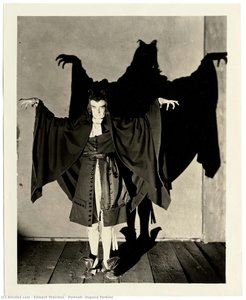 Portrait, Osgood Perkins1923
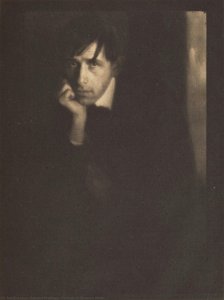 Portrait of Clarence White1905
Эссе к произведению Sunflower
 Pictorialism Unveiled: How the Aesthetic Revolution Transformed Photography into Fine ArtExplore the revolution of Pictorialism. Discover how visionary photographers moved beyond documentation to transform the lens into a fine a…
 Топ-10 шедевров XIX века: искусство, история и декор от OriginalUniqueArt.comПогрузитесь в мир искусства XIX века! От реализма до импрессионизма – 10 величайших картин, истории художников и вдохновение для вашего инт…
 Sunlight on Canvas: The Radiant Symbolism of Yellow Flowers in Impressionist ArtExplore the profound symbolism of yellow flowers in Impressionist art through expert analysis. Discover the light of the masters today.