

 Примерить в интерьере
 Отправить
 Поделиться
 Подробнее
 Руководство

 Скачать
 Похожие объекты
 Рентгенография
 Слайд-шоу
 Статистика
Preview slide, The Kid


 Развернуть текст
Произведение искусства, представленное на этой странице, защищено законом об авторском праве, что исключает возможность законного создания или продажи его точной репродукции. Данная защита обеспечивается международными соглашениями, такими как Бернская конвенция и национальным законодательством, включая положения, изложенные в Закон США об авторском праве — Раздел 17.
Этот метод полностью соответствует нормам авторского права, так как он не предполагает копирования или дублирования защищенного произведения. Напротив, это творческая реинтерпретация — создание новой картины, которая вдохновлена оригиналом, но не является его точной копией.
Жикле / Арт-принты
Печать (жикле) или холст музейного качества с быстрыми сроками изготовления и широким выбором вариантов отделки. ( Заказать репродукцию ручной работы Перейти к цифровым изображениям)




P118B $10

P118H $10

P118W $10

P438Z $10

P508JH $12

P508YH $12

P805H $10

P805Z $10

P919BZ $10

P919G $10

P919XJ $10

P959ZH $10

P968JZ $12

W106C $8

W218G $10

W218JH $8

W218Y $10

W307PJ $10

W316G $10

W316PJ $8

W316Y $10

W398PJ $8

W4111J $10

W500HY $15

W500JH $15

W692G $12

W849H $8

W940BG $15

W953PJ $8




Выберите один из наших стандартных размеров, соответствующих оригинальным пропорциям произведения искусства.

Введите необходимую ширину и высоту, чтобы репродукция подошла к вашей раме или стене. При печати изображение можно только уменьшить, но нельзя увеличить больше оригинала, поэтому при выборе другого формата часть изображения может быть обрезана. Перед печатью мы отправим вам цифровой макет на утверждение. Изображение на этой странице не отображает реальную обрезку — ее можно увидеть только на макете.
Доставка по всему миру () за 2 недели вместо стандартных 4–5 недель. (20 Октябрь)

Бесплатная экспресс-доставка по всему миру

Высококачественный льняной холст

Полное страхование при транспортировке

Гарантия возврата таможенных пошлин

Гарантия точного цветового соответствия

100-дневный период возврата (только при обнаружении дефектов)

Гарантия возврата 100% средств

Скидка при заказе нескольких работ
 Вариант со стеклом доступен только для размеров менее 110 см

Preview slide, The Kid
Жикле / Арт-принты
Размер репродукции
-


Итоговая стоимость
$ 80
Edward Steichen’s “The Kid” (1921): A Snapshot of Silent Cinema Charm
Edward Steichen's "The Kid," produced in 1921 for the film starring Charles Chaplin and Jackie Coogan, stands as a quintessential example of Art Deco poster design—a bold declaration of cinematic excitement frozen in time. More than just an advertisement, it’s a meticulously crafted visual narrative that captures the spirit of its era.
Composition & Visual Elements: Geometric Precision Meets Rustic Texture
The image centers around Chaplin and Coogan against a monumental black background—a deliberate choice reflecting the theatrical grandeur of silent films. White text dominates, punctuated by stylized decorative elements reminiscent of Art Deco’s geometric obsession. A brick wall serves as an understated yet crucial backdrop, introducing textural contrast that grounds the scene in tangible reality.
- Lines: Typography and architectural details—the bricks—employ linear precision, emphasizing structure and order.
- Shapes: Rectangles define the poster’s frame and delineate the figures' poses; circles appear as decorative accents, adding visual harmony.
- Textures: The brick wall provides a rough surface that contrasts with the relatively flat printing style, enhancing depth and realism.
Lighting & Perspective: Capturing Movement Through Static Imagery
Artificial lighting—likely studio-based—highlights Chaplin’s attire and text, simulating the illumination of a film set. Perspective is simplified, prioritizing a frontal view of the subjects to maximize impact and convey immediacy. Despite its stillness, Steichen skillfully uses visual cues to evoke the dynamism inherent in cinematic storytelling.
Symbolism & Artistic Influences: Chaplin's Dignity Versus Innocence
"The Kid" embodies several symbolic layers. Chaplin represents artistic dedication—the tireless pursuit of creative expression—while Coogan embodies youthful innocence and vulnerability. Steichen’s stylistic choices draw heavily from Pictorialism, a movement that championed photographic artistry as an equivalent to painting, influenced by artists like Alfred Stieglitz who explored tonal richness and atmospheric depth.
Technique & Reproduction: Preserving the Essence of Vintage Cinema
The artwork utilizes photographic printing on paper—a technique common in the 1920s—resulting in a slightly flattened appearance. However, high-quality reproductions faithfully recreate Steichen’s masterful composition and textural nuances. OriginalUniqueArt.com offers exceptional prints that allow you to experience this iconic piece of cinematic history firsthand.
Вопросы и ответы
Как сюжет произведения «Preview slide, The Kid» соотносится с привычными темами Эдуард Стеиген?
Среди зафиксированных тем Эдуард Стеиген — steichen's photographic vision, american modernism influence, film industry promotion, social commentary subtle, family & innocence theme, early 20th century ads, showcase of chaplin's star — в работе "Preview slide, The Kid" особый акцент сделан на silent film era, chaplin poster art, vintage advertising, art deco design, film promotion, 1920s cinema, character illustration.
Можно ли увидеть «Preview slide, The Kid», Эдуард Стеиген на своей стене перед покупкой?
Страница Предпросмотр в AR для работы «Preview slide, The Kid», Эдуард Стеиген использует дополненную реальность, чтобы показать произведение в вашем интерьере на совместимом устройстве.
Какое чувство передает «Preview slide, The Kid», Эдуард Стеиген?
В работе «Preview slide, The Kid» Elegant настроение сочетается с Romantic эмоцией.
Биография художника
Жизнь на стыке миров: Художественная одиссея Эдварда Стеичена
Эдуард Жан Стеичен, позже известный как Эдвард Стеичен, был личностью, не поддающейся простым определениям. Рожденный в 1879 году в маленькой люксембургской деревушке Биванж, он прошел необыкновенный путь от своих европейских корней до статуса одного из самых влиятельных художников Америки — и не только как фотограф, но и как живописес, куратор и визионер, изменивший наше восприятие визуальной культуры. Ранние годы его жизни были отмечены значительным переездом: в 1881 году семья Стеичен эмигрировала в Ханкок, штат Мичиган, в поисках новых возможностей. Это перемещение привило юному Эдварду чувство неприкаянности и, возможно, обострило его наблюдательность — качества, которые впоследствии глубоко сформируют его художественное видение. Еще в детстве у него проявился врожденный талант к рисованию, который поддерживали любящие родители, поощрявшие его творческие наклонности. Переломный момент наступил в шестнадцать лет, когда он получил свою первую камеру, что положило начало периоду почти самостоятельного обучения через неустанные эксперименты. Это не было просто освоением техники; это было открытие нового языка, способа запечатлеть мир с непосредственностью и интимностью, которые ранее были недостижимы. Последующий переезд в Милуоки позволил ему стать учеником литографа, что дало ему ценные технические навыки и одновременно позволило его художественным поискам расцвести.От пикториализма к современному видению: Художественная эволюция Стеичена
Появление Стеичена совпало с расцветом пикториализма — движения, стремившегося возвысить фотографию до статуса изящного искусства. Он быстро стал центральной фигурой этого направления, используя мягкий фокус и живописные эффекты для создания образов, которые вызывали настроение и атмосферу, а не просто документировали реальность. Этот поиск привел его к Альфреду Стиглицу, единомышленнику, разглядевшему исключительный талант Стеичена. Вместе они в 1902 году основали «Фото-сецессион» — группу, посвятившую себя продвижению фотографии как легитимного вида искусства. Выход журнала *Camera Work*, оказавшего огромное влияние на индустрию, стал их платформой для распространения идей и демонстрации новаторских работ. Создание галереи «291» в Нью-Йорке еще больше укрепило их авторитет, предоставив пространство, где авангардное европейское искусство — Пикассо, Матисс, Сезанн — выставлялось бок о бок с фотографией, способствуя межкультурному диалогу и бросая вызов традиционным художественным границам. Однако творческий путь Стеичена не был статичным следованием одному стилю. потрясения Первой мировой войны стали катализатором перемен. Он оставил эфирную эфемерность пикториализма, приняв эстетику «прямой фотографии», характеризующуюся резким фокусом, точной детализацией и неприкрашенным представлением реальности. Этот сдвиг отражал более широкий культурный переход к модернизму и отказ от сентиментальности в пользу ясности и прямоты.Мастер многих медиа: Мода, кино и человеческое состояние
Универсальность Стеичена была поразительной. Он не ограничивал себя одной художественной областью; он плавно переходил от фотографии к живописи и даже к кинематогралографии. Его экскурс в мир модной фотографии в 1920-х и 30-х годах произвел революцию в индустрии. Работая для *Vogue* и *Vanity Fair*, он вышел за рамки простого документирования одежды, создавая образы утонченные, гламурные и наполненные повествовательным смыслом. Он понимал, как использовать свет, позу и композицию, чтобы передать не только стиль, но также характер и эмоцию. Этот период утвердил его в роли пионера, установившего стандарты для будущих поколений модных фотографов. Во время Второй мировой войны Стеичен служил своей новой родине, сняв фильм «Боевая леди» (1944) — признанный документальный шедевр ВМС США, предложивший зрителям пронзительное изображение воздушных боев. Но, пожалуй, его самое непреходящее наследие связано с выставкой «Человеческая семья», организованной в Музее современного искусства (MoMA) в 1955 году. Эта монументальная экспозиция, объединившая фотографии из шестидесяти восьми стран, стала мощным манифестом универсального человеческого опыта — любви, рождения, смерти, радости и печали, — преодолевающим культурные и географические границы. Признанная Реестром памяти мира ЮНЕСКО, она остается свидетельством веры Стеичена в объединяющую силу фотографии.Наследие и влияние: Неизгладимый след в визуальной культуре
Эдвард Стеичен ушел из жизни в 1973 году, оставив после себя экстраординарное творческое наследие, которое продолжает вдохновлять и будоражить умы. Его влияние многогранно. Он коренным образом изменил восприятие фотографии, возвысив ее из чисто технического процесса до признанного вида искусства. Его новаторская работа в модной фотографии не только определила эстетику эпохи, но и установила новые стандарты визуального повествования в индустрии. Галерея «291», выступая защитником европейского модернизма, сыграла решающую роль в знакомстве американской публики с прорывными художественными движениями. А выставка «Человеческая семья» с ее посланием о единстве человечества остается глубоко актуальной в нашем все более фрагментированном мире. Его способность бесшовно перемещаться между коммерческими и художественными поисками доказала, что творчество может процветать в самых разных контекстах. Карьера Стеичена стала свидетельством силы эксперимента, инноваций и неустанного стремления к художественному видению. Он не просто документировал мир; он интерпретировал его, придавал ему форму и, в конечном счете, менял то, как мы на него смотрим.Знаковые работы
- Пруд — Лунный свет (1904): Знаковая фотография в стиле пикториализма, прославленная своей атмосферной глубиной и тональным богатством; рекордная цена на аукционе лишь подтверждает ее непреходящую ценность.
- Флэтайрон (1904): Еще одна значимая ранняя работа, демонстрирующая его мастерство в технике и композиции, также достигшая впечатляющей цены на аукционе.
- <Портреты знаменитостей: Огромная коллекция, улавливающая суть выдающихся деятелей искусства, литературы и кино с проницательной чуткостью.
- <Боевая леди (1944): Признанный документальный фильм о Второй мировой войне, предлагающий захватывающее погружение в мир воздушных сражений.
- <Человеческая семья (1955): Революционная выставка в MoMA, представившая фотографии со всего мира, исследующие универсальный человеческий опыт и получившие признание ЮНЕСКО.

Эдуард Стеиген
1900 - 1973 , Люксембург
Краткая справка
- Artistic Movement Or Style: Фотореализм; Пикториализм
- Artists Or Movements Influenced By This Artist: ['Пикториализм']
- Artists Who Influenced This Artist: ['Альфред Stieglitz']
- Date Of Birth: 27 марта 1879 г.
- Full Name: Эдуард Жан Стеиген
- Nationality: Американский
- Notable Artworks:
- Лунный пруд
- Фиатрон
- Портреты знаменитых
- Place Of Death: Вест Ридинг, Коннектикут
Похожие статьи
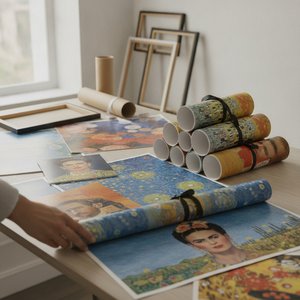
OriginalUniqueArt.com F.A.Q.: Premium Art Poster Prints – Vivid Colors & Versatile Sizing
Discover OriginalUniqueArt.com's premium art poster prints. Featuring 12-color archival pigments for vivid color fidelity and versatile sizing for bespoke decor. Expertly crafted museum-quality reproductions designed for discerning collectors and professional decorators.


