American Realism
Excursion into Philosophy (Эдвард Хоппер)
Эдвард Хоппер (1882–1967) создал(а) Excursion into Philosophy. Относится к направлению American Realism. Выполнено в технике Oil On Canvas.
- Oil On Canvas

 Предпросмотр

 Картина маслом ручной работы
 Поделиться
 Поделиться
 Руководство


 Скачать
 Похожие предметы
 Рентгенография
 Слайд-шоу
 Вопросы и ответы

 Статистика просмотров
Excursion into Philosophy: основные сведения
- Название
- Excursion into Philosophy
- Автор
- Эдвард Хоппер (1882–1967)
- Дата рождения художника
- Аппер-Ньяк, Соединенные Штаты Америки
- Техника
- Oil On Canvas
- Движение
- American Realism
- Период
- Modern
- Сюжет
- solitude, isolation, reflection, urban scene, interior, light & shadow
Что изображено на Excursion into Philosophy?
A Quiet Drama: Unveiling Edward Hopper’s “Excursion into Philosophy”
Edward Hopper's "Excursion into Philosophy" is a profoundly evocative work that encapsulates the core tenets of American Realism, offering a glimpse into the introspective lives of ordinary individuals. Painted during a period of rapid social and cultural change in America, this piece transcends mere representation to become a meditation on solitude, contemplation, and the passage of time. Hopper masterfully captures a moment suspended between action and reflection, inviting viewers to project their own narratives onto the scene.Decoding the Scene: Subject & Composition
The painting depicts an intimate interior – a sparsely furnished room dominated by a bed and a window allowing soft, natural light to flood the space. A man sits on the edge of the bed, his gaze directed towards a woman lying prone on the floor nearby. A small table between them holds a book, suggesting intellectual engagement or perhaps a shared moment of quiet study. The composition is deliberately restrained; Hopper eschews dramatic gestures in favor of subtle positioning and nuanced body language. Two figures are partially visible in the background, adding to the sense of enclosure and hinting at lives unfolding beyond the immediate frame. The overall impression is one of stillness and psychological tension.Technique & Style: A Masterclass in Realism
Hopper’s technical prowess shines through in his meticulous rendering of light and shadow. Executed in oil, the painting boasts a rich texture and depth, achieved through careful layering and blending of pigments. His use of color is equally deliberate – a muted palette of blues, browns, and grays creates a somber yet serene atmosphere. The flattened perspective contributes to the sense of theatricality, almost as if we are observing a scene unfolding on a stage. This stylistic choice emphasizes the emotional weight of the moment rather than strict adherence to realistic spatial representation. Hopper’s dedication to realism wasn't about photographic accuracy; it was about capturing the essence of modern American life with honesty and psychological insight.Symbolism & Interpretation: Layers of Meaning
Several symbolic elements enrich the painting’s narrative complexity. The clock prominently displayed above the man serves as a potent reminder of time's relentless march, adding a philosophical dimension to the scene. Is it a symbol of lost opportunities, impending change, or simply the inevitable flow of existence? The book on the table suggests intellectual pursuit, but its closed position could imply stagnation or unresolved questions. The figures themselves are imbued with symbolic weight – their postures and expressions hinting at unspoken emotions and complex relationships. The expansive view visible through the window offers a contrasting sense of freedom and possibility, perhaps representing a longing for escape from the confines of the room—and potentially, from the constraints of life itself.Historical Context & Hopper’s Legacy
“Excursion into Philosophy” reflects the anxieties and uncertainties of post-World War I America. The painting emerged during a period marked by rapid urbanization, social upheaval, and a growing sense of alienation. Hopper's work resonated with audiences because it captured these feelings with unflinching honesty. He became one of the most important chroniclers of 20th-century American life, influencing generations of artists with his distinctive style and thematic concerns. His paintings continue to be celebrated for their emotional depth, technical brilliance, and enduring relevance.Emotional Resonance & Collecting Considerations
“Excursion into Philosophy” evokes a range of emotions – melancholy, introspection, quiet desperation, and perhaps even a glimmer of hope. It’s a painting that stays with the viewer long after they've turned away, prompting contemplation on the human condition. For collectors and interior designers, a reproduction of this work offers a sophisticated touch of American Realism, adding depth and intellectual weight to any space.- The muted color palette complements a variety of décor styles.
- The painting’s introspective mood creates a calming and contemplative atmosphere.
- Its iconic status ensures lasting artistic value.
Excursion into Philosophy в высоком разрешении

Авторское право защищено: изображение представлено только для ознакомления.
Другие размеры, фрагменты и цитирование →Эдвард Хоппер, Excursion into Philosophy.
Вопросы о Excursion into Philosophy
В какой технике выполнено произведение «Excursion into Philosophy», Эдвард Хоппер?
Для создания «Excursion into Philosophy» Эдвард Хоппер использовал(а) технику Oil On Canvas. Эта техника определяет материальную природу оригинального произведения.
Что изображено на картине «Excursion into Philosophy», Эдвард Хоппер?
Темы, представленные в «Excursion into Philosophy», Эдвард Хоппер, включают solitude, isolation, reflection, urban scene, interior, light & shadow, american life, philosophical. Вместе они раскрывают основной сюжет произведения.
Является ли произведение «Excursion into Philosophy» свободным от авторских прав?
Статус авторского права для «Excursion into Philosophy», Эдвард Хоппер: произведение находится в находится под защитой авторского права. Это определяет, допускается ли свободное воспроизведение изображения.
Кто является автором работы «Excursion into Philosophy»?
Автор произведения «Excursion into Philosophy» — Эдвард Хоппер. Работа внесена в каталог под именем Эдвард Хоппер.
К какому художественному направлению относится «Excursion into Philosophy», Эдвард Хоппер?
Художественное направление, к которому относится «Excursion into Philosophy», Эдвард Хоппер, — это American Realism. Такая классификация позволяет соотнести данную работу с другими произведениями и мастерами того же периода.
К какому периоду творчества Эдвард Хоппер относится произведение «Excursion into Philosophy»?
«Excursion into Philosophy» относится к Mature Period в творчестве Эдвард Хоппер. Данная классификация позволяет проследить развитие мастера.
Каков правовой статус произведения «Excursion into Philosophy», Эдвард Хоппер с точки зрения авторского права?
Произведение «Excursion into Philosophy» за авторством Эдвард Хоппер находится в находится под защитой авторского права. Срок действия авторского права исчисляется со дня смерти автора; Эдвард Хоппер скончался(а) в 1967 году.
Как работа «Excursion into Philosophy» соотносится с общим творчеством Эдвард Хоппер?
В творческом наследии Эдвард Хоппер работа «Excursion into Philosophy» относится к стилю American Realism и созвучна темам captures quiet, introspective moments.
Как «Excursion into Philosophy» соотносится с привычными темами творчества Эдвард Хоппер?
Среди зафиксированных тем Эдвард Хоппер — captures quiet, introspective moments — в работе "Excursion into Philosophy" особый акцент сделан на solitude, isolation, reflection, urban scene, interior, light & shadow, american life, philosophical.
Об авторе, Эдвард Хоппер
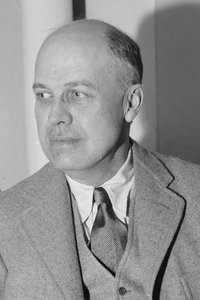
1882–1967, Соединенные Штаты Америки
Эдвард Хоппер
Тишина американского пейзажа Эдвард Хоппер родился в Аппер-Ньяке, Соединенные Штаты Америки. Его ранние годы прошли в созерцании мира пристальным, не отрываящимся взглядом — эта привычка зародилась еще в детстве, когда он создавал тщательно датированные и подписанные наброски. Хотя родители прочили ему практичный путь в коммерческой иллюстрации, его сердце принадлежало чистому искусству. Он обучался в Нью-Йоркской школе искусств под руководством Уильяма Мерритта Чеза и Роберта Генри.
Другие работы Эдвард Хоппер
 Эдвард Хоппер1942
 Автомат (маленький)
 Дом у железной дороги1925
 Нью-Йоркский фильм1939
Эссе к произведению Excursion into Philosophy
 Mastering Solitude: The Top 25 Iconic Artworks by Edward HopperStep into the quiet world of American Realism with our curated guide to the top 25 Edward Hopper artworks. Explore the light, shadow, and s…
 American contemporary realist paintersAmerican contemporary realist painters like Edward Hopper define modern life. Explore the full collection online at OriginalUniqueArt.com.
 Time's Relentless March: Decoding the Symbolism of Clocks and Hourglasses in Vanitas ArtExplore the profound symbolism of clocks and hourglasses in Dutch Vanitas art. Decode these Baroque masterpieces with our expert guide.