Expressionism · 1893
Storm (Эдвард Мунк, 1893)
Эдвард Мунк (1863–1944) создал(а) Storm. Создано в 1893. Относится к направлению Expressionism. Выполнено в технике Oil On Canvas.
- 1893
- Oil On Canvas

 Предпросмотр

 Картина маслом ручной работы
 Поделиться
 Поделиться
 Информационный лист


 Скачать
 Похожие предметы
 Рентгенография
 Слайд-шоу
 Вопросы и ответы

 Статистика просмотров
Storm вкратце
- Название
- Storm
- Автор
- Эдвард Мунк (1863–1944)
- Дата рождения художника
- Одальсбрук, Норвегия
- Дата
- 1893
- Техника
- Oil On Canvas
- Движение
- Expressionism
- Сюжет
- storm, anxiety, darkness, landscape, emotion, turmoil
Что изображено на Storm?
A Tempestuous Soul: Edvard Munch’s “The Storm”
Edvard Munch's "The Storm," painted in 1893, isn’t merely a depiction of a raging tempest; it’s a visceral embodiment of inner turmoil—a profound exploration of anxiety and the fragility of human existence. This iconic work, currently residing within the esteemed collection of the Museum of Modern Art (MoMA) in New York City, stands as a cornerstone of Expressionism, a movement that sought to capture not just external reality but the raw, unfiltered emotions simmering beneath the surface. Munch, already grappling with personal tragedies including the early deaths of his mother and sister, channeled these profound experiences into a visual language characterized by bold color, distorted forms, and an unsettling sense of unease—elements powerfully realized in “The Storm.” The painting’s power resides not just in its dramatic subject matter but in its ability to evoke a deeply felt emotional response within the viewer, mirroring the artist's own turbulent inner world.
Visualizing Inner Chaos: Style and Technique
Munch’s technique is deliberately unsettling. The composition immediately plunges the viewer into a scene of chaotic energy. Thick, swirling brushstrokes dominate the canvas, conveying the relentless force of the wind and rain. These aren't delicate lines; they are aggressive marks, imbued with an almost frantic quality. The color palette contributes significantly to this sense of unease. Muted tones—primarily deep blues, grays, and ochres—create a somber atmosphere, punctuated by jarring flashes of intense yellow in the clouds and the distant light. This contrast isn’t merely aesthetic; it represents the struggle between darkness and hope, despair and perhaps a fleeting glimpse of resilience. The figure in the foreground, rendered with simplified forms and a slightly elongated face, seems to be caught within this maelstrom, her posture suggesting both vulnerability and a desperate attempt to maintain composure. Note how Munch uses perspective—the receding road and distant house create a sense of isolation and emphasize the overwhelming power of nature.
Symbolism and Psychological Depth
“The Storm” is rich in symbolic meaning, deeply rooted in Munch’s personal experiences and his exploration of psychological themes. The storm itself represents not just meteorological conditions but also the internal storms raging within the human psyche—fear, grief, anxiety, and a sense of impending doom. The woman standing on the road has been interpreted as representing humanity confronting these forces, perhaps even succumbing to them. Some scholars connect her posture and gaze to depictions of women awaiting news from loved ones lost at sea – a poignant reflection of Munch’s own anxieties about loss and mortality. The distant house, barely visible through the storm clouds, symbolizes a fragile sense of security, threatened by the overwhelming power of nature. The overall composition can be viewed as an allegory for the human condition—a constant struggle against forces beyond our control.
A Legacy of Emotional Intensity
Edvard Munch’s “The Storm” remains a profoundly moving and influential work of art, solidifying his place as a pioneer of Expressionism. Its enduring appeal lies in its ability to tap into universal emotions—fear, anxiety, and the awareness of our own mortality. Reproductions of this masterpiece offer an opportunity to experience the raw emotional power of Munch’s vision firsthand. Whether displayed in a grand salon or a more intimate setting, “The Storm” continues to resonate with viewers, reminding us of the complexities of the human spirit and the enduring beauty—and terror—of the natural world. For those seeking a high-quality reproduction, OriginalUniqueArt.com offers meticulously crafted hand-painted versions that faithfully capture the essence of this iconic artwork. Further exploration into Munch’s life and artistic journey can be found on platforms like Edvard Munch on OriginalUniqueArt.com and through resources such as Smarthistory and the Metropolitan Museum of Art.
Изображения в высоком разрешении: Storm

Общественное достояние: художник умер в 1944.
Другие размеры, фрагменты и цитирование →Эдвард Мунк, Storm (1893). Общественное достояние
Цвета подобраны цифровым экспертом в соответствии с оригиналом, файл прошел тщательную ретушь и полностью передает манеру письма художника.
Приобрести файл в высоком разрешенииОтветы на вопросы о Storm
В каком году было создано произведение «Storm», Эдвард Мунк?
Создание «Storm», Эдвард Мунк датируется 1893 годом.
В какой технике выполнено произведение «Storm»?
Для создания «Storm» Эдвард Мунк использовал(а) технику Oil On Canvas. Эта техника определяет материальную природу оригинального произведения.
Что изображено на картине «Storm», Эдвард Мунк?
Сюжеты произведения «Storm» — это storm, anxiety, darkness, landscape, emotion, turmoil, night.
Является ли произведение «Storm» свободным от авторских прав?
Произведение «Storm», Эдвард Мунк находится в общественное достояние — срок действия авторского права истёк. Этот статус определяет правила воспроизведения изображения данного произведения.
Кто создал "Storm"?
Автор произведения «Storm» — Эдвард Мунк. Работа внесена в каталог под именем Эдвард Мунк.
К какому художественному направлению относится «Storm», Эдвард Мунк?
Художественное направление, к которому относится «Storm», Эдвард Мунк, — это Expressionism. Такая классификация позволяет соотнести данную работу с другими произведениями и мастерами того же периода.
К какому периоду творчества Эдвард Мунк относится произведение «Storm»?
В творческом наследии Эдвард Мунк работа «Storm» относится к периоду Late Period. Этот этап позволяет сопоставить её с другими произведениями художника.
В каком возрасте Эдвард Мунк создал(а) «Storm»?
Эдвард Мунк создал(а) «Storm» в возрасте 30 лет. Художник родился в 1863, а датировка работы относится к 1893 году.
Почему произведение «Storm» имеет именно такой статус авторского права?
«Storm», Эдвард Мунк находится в общественное достояние — срок действия авторского права истёк. Срок действия авторского права исчисляется со смерти художника, наступившей в 1944.
Об авторе, Эдвард Мунк

1863–1944, Норвегия
Эдвард Мунк
Жизнь и сущность Эдварда Мунка Эдвард Мунк был норвежским художником, чья жизнь была неразрывно связана с суровыми ландшафтами и тяжелой атмосферой его родины. Рожденный 12 декабря 1863 года, он провел большую часть своего существования, исследуя лабиринты человеческой психики с помощью кисти и инструментов для гравюры. Его творчество часто казалось прямым продолжением его собственных внутренних потрясений, превращая сокровенные эмоции во что-то зримое и общедоступное. Он оставался значимой фигурой в мире искусства вплоть до своей смерти 23 января 1944 года.
Другие работы Эдвард Мунк
 Крик1893
 Вампир
 Пубертат1914
 Тревога 21894

Эссе к произведению Storm
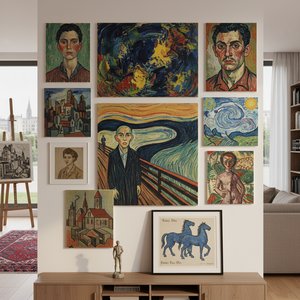 Топ-10 шедевров экспрессионизма: искусство, изменившее мир | OriginalUniqueArtПогрузитесь в мир экспрессионизма! Откройте топ-10 шедевров Мунка, Кирхнера и других гениев XX века. Узнайте истории создания культовых кар…
 Echoes of Anxiety: The 25 Most Iconic Masterpieces by Edvard MunchJourney through the raw emotion of Expressionism with our curated guide to Edvard Munch's top 25 masterpieces. Explore the stories behind h…
 Unveiling the Masterpieces: Top 25 Must-See Artworks at the Munch Museum in OsloExplore 25 iconic Edvard Munch masterpieces from Oslo's Munch Museum. Discover timeless Expressionist art on OriginalUniqueArt.com.