- Главная

- Цифровое изображение
- eduard ole
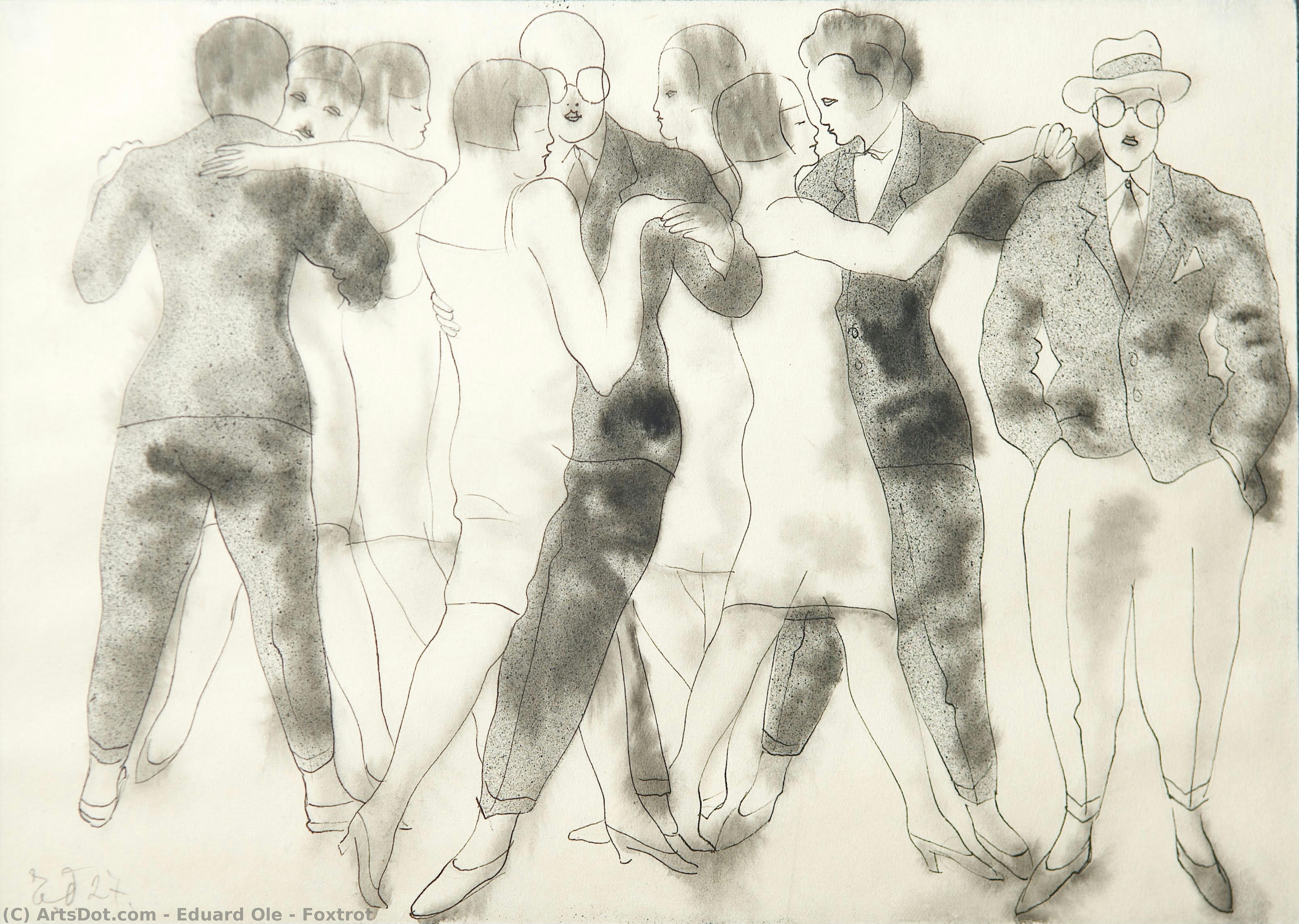
- Foxtrot
 Заказать принт Заказать репродукцию
 Поделиться
 Поделиться
 Детали произведения
 Добавить в избранное

 Скачать
 Похожие работы
 Рентгенография
 Слайд-шоу
Foxtrot


 Читать далее
Приобретите цифровое изображение высокого разрешения в улучшенном качестве, которое значительно превосходит онлайн-превью.
Каждый файл тщательно подготавливается нашими специалистами с использованием передовых инструментов и экспертной ручной ретуши. Мы гарантируем исключительную четкость, точную цветопередачу и детальную проработку каждого изображения.
Финальный файл доставляется по электронной почте в течение 72 часов и оптимизирован для немедленного использования в профессиональной среде, при верстке и печати. Это тот же уровень качества, которому доверяют ведущие дизайнерские студии, издательства и галереи.
Цифровое изображение
Скачайте файл высокого разрешения для личного использования, печати и творческих проектов.
Включено в каждый заказ цифровых изображений
Гарантия экспертной цифровой доставки
Выбирая OriginalUniqueArt.com, вы получаете не просто изображение — вы приобретаете профессионально обработанное цифровое произведение искусства, созданное с безупречной точностью и под защитой гарантии качества. Вот всё, что автоматически входит в ваш заказ:

Мгновенная доставка по e-mail
Ваш цифровой файл в высоком разрешении будет отправлен вам по электронной почте в течение 72 часов после оформления заказа — и сразу станет доступен для использования.

Цифровой файл с ИИ-улучшением
Ваше произведение искусства проходит профессиональную оптимизацию с использованием передовых инструментов ИИ и ручной обработки, что гарантирует максимальную детализацию, четкость и точность цветопередачи.

Бессрочная бесплатная повторная доставка
Случайно удалили или потеряли файл? Не беспокойтесь — мы отправим его вам повторно в любое время и совершенно бесплатно.

Без импортных пошлин — навсегда
Наслаждайтесь вашим произведением искусства мгновенно без таможенных пошлин, сборов или затрат на доставку — цифровые загрузки всегда не облагаются налогом.

Гарантия точности цветопередачи
Мы гарантируем, что ваше цифровое изображение максимально точно передает оригинальные цвета благодаря использованию профессиональных инструментов и систем управления цветом.

Гарантия удовлетворения в течение 60 дней
Если вы останетесь не удовлетворены покупкой цифрового изображения, мы внесем в него правки или вернем 100% стоимости в течение 60 дней — без лишних вопросов.

100% Гарантия возврата средств
Не удовлетворены покупкой? Мы гарантируем полный возврат средств в течение 60 дней после получения вашего цифрового файла — без лишних вопросов.

Скидки на оптовые заказы
Купите 3 изображения, сэкономьте 10% — Купите 5, сэкономьте 15% — Купите 10+, сэкономьте 20%. Отличное решение для творческих проектов, галерей и агентств.
Биография художника
A Life Bridging Worlds: The Evocative Art of Eduard Ole
Eduard Ole, born on May 20th, 1898, in the rural Estonian parish of Kaagjärve, emerged as a pivotal figure in 20th-century Estonian art. His journey was one of constant adaptation and exploration, shaped by the tumultuous political landscape of his time and a deep engagement with European artistic currents. Ole’s early life unfolded within a modest farming family—the seventh of eight children—instilling in him a connection to the land that would resonate throughout his oeuvre. Even as a young boy, he demonstrated an innate curiosity for art, fueled by reproductions encountered in school libraries and visits to galleries and museums in Saint Petersburg and Moscow. These early exposures ignited a passion that led him to enroll at the prestigious Imperial Academy of Arts in St. Petersburg between 1914 and 1918, where he first encountered the expressive power of German Expressionism.From Expressionist Beginnings to Cubist Experimentation
Ole’s formative years at the Academy were profoundly influenced by the burgeoning Expressionist movement. This early exposure instilled in him a desire to convey emotion and inner experience through bold, often distorted forms and vibrant color palettes. However, upon his return to Estonia in 1918—a nation newly independent—Ole found himself drawn into a more experimental phase. He quickly became an integral part of the Estonian art scene, working as a theatre designer and drawing teacher while simultaneously pursuing his own artistic vision. In 1923, alongside Friedrich Hist and Felix Randel, he co-founded the Group of Estonian Artists in Tartu, a collective dedicated to exploring the radical possibilities of Cubism. This group served as a vital platform for introducing modernist ideas to Estonia, organizing exhibitions that showcased their geometric abstractions and decorative colorism—a distinctly Synthetic Cubist approach characterized by modest forms rather than explorations of simultaneity or collage. Works like *Still Life with a Guitar* (1925) exemplify this period, revealing Ole’s ability to balance experimentation with a continued connection to the material world.A Parisian Interlude and the Rise of Realism
The year 1927 marked a turning point in Ole's artistic development. A study trip to Paris exposed him to new influences, prompting a shift away from the rigid structures of Cubism towards a more figurative style. Inspired by Art Deco and the vibrant energy of metropolitan life, he began creating large-scale compositions characterized by soft planes, nuanced pastel tones, and dramatic staging. This transition is evident in paintings like *Passengers* (1929), which captures the dynamism of modern urban existence. Simultaneously, Ole embarked on a series of portraits depicting prominent Estonian cultural figures, showcasing his growing mastery of realism and psychological insight. His watercolours from this period also reveal a delicate sensibility and a refined use of color, reflecting the fresh impulses gained during his time in Paris.Exile and Enduring Legacy
The outbreak of World War II dramatically altered Ole’s life trajectory. Forced to flee Estonia in 1944 under Soviet occupation, he sought refuge first in Finland and then in Sweden, where he settled in Stockholm. Despite the challenges of exile, Ole continued to paint prolifically, focusing primarily on landscapes while supplementing his income as an illustrator. His later works reflect a quiet resilience and a deep connection to nature, imbued with a romantic sensibility and precise observation. In 1973, he published his two-volume illustrated memoirs, *Suurel maanteel* (“On the Big Highway”), offering a poignant account of his life and artistic journey. A new edition of these memoirs was released in Estonia in 2010, further solidifying his place in Estonian cultural memory. Eduard Ole passed away on November 24th, 1995, leaving behind a rich and diverse body of work that continues to captivate audiences today. His paintings are prominently featured at the Kumu Art Museum in Tallinn and the Tartu Art Museum, serving as a testament to his enduring contributions to Estonian art—a bridge between modernist innovation and traditional realism, forged amidst personal upheaval and political change.
eduard ole
1898 - 1995

