Жизнь и ранние годы Дэвида Хокни
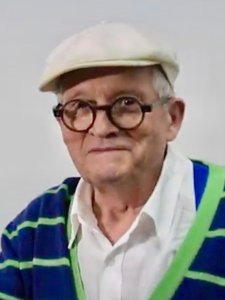
Дэвид Хокни родился 9 июля 1937 года в Брэдфорде, графство Западный Йоркшир, Англия. Он рос в семье, где было пятеро детей, и занимал четвертое место в этом списке. Его отец, Кеннет Хокни, работал счетоводом и был убежденным сторонником отказа от участия в службе по соображениям совести во время Второй мировой войны. Мать, Лора, была методисткой и строгой вегетарианкой. Эти ранние годы прошли на фоне индустриального пейзажа Йоркшира — края кирпичных заводов и оживленных рынков.
Его путь в мир знаний начался в начальной школе Веллингтон и продолжился в грамматической школе Брэдфорда. Именно в это время окружение Брэдфорда начало формировать его уникальный взгляд на мир. Суровость индустриального центра и особый свет этого региона стали фоном для его становления как личности. Он вырос в семье, где ценилось независимое мышление, на которое сильно повлияли убеждения его отца в военные годы.
Художественное образование и становление в Британии
Фундамент его творческого метода закладывался годами пристального, почти медитативного созерцания окружающего мира. С 1953 по 1957 год он обучался в Художественной школе Брэдфорда, и этот период стал временем глубокого изучения самой механики зрения. Он посвятил себя практике рисования с натуры и портрету, оттачивая традиционные навыки наблюдения, которые на десятилетия станут стержнем его творчества. В то время особое внимание уделялось точности линии и тому, как объект располагается в пространстве, обретая свою форму и объем.
Переезд из индустриальных пейзажей Йоркшира в Лондон открыл ему двери Королевского колледжа искусств. Это было время интенсивного технического поиска и профессионального расцвета. Проходя через учебную программу, он фокусировался на основах формы и тончайших нюансах света. К 1962 году он окончил Королевский колледж искусств, удостоившись почетной золотой медали. Это признание ознаменовало завершение его формального образования в Британии и начало карьеры, движимой неутолимым, беспокойным любопытством: как именно можно воплотить на холсте то, что он видит своими глазами.
Движение поп-арта и Лос-Анджелес
Шестидесятые годы стали временем, когда Дэвид Хокни превратился в ключевую фигуру движения поп-арта. В то время как другие представители этого направления устремлялись к коммерческой эстетике американской массовой культуры, его подход оставался глубоко личным. Переезд из Лондона в Лос-Анджелес в 1964 году стал тем переломным моментом, который навсегда изменил его восприятие цвета и света. Интенсивное калифорнийское сияние стало постоянным спутником его творчества, вытесняя приглушенные тона ранних лет. Он начал документировать очарование города с позиции аутсайдера, фокусируясь на том, как свет падает на поверхности, и на специфических, насыщенных синих оттенках воды в плавательном бассейне.
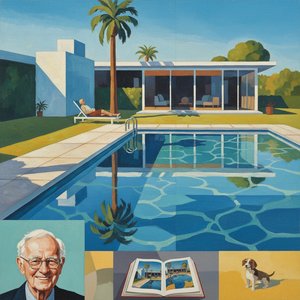
Этот период характеризуется его увлечением темой досуга и геометрией пригородной жизни. Большую часть времени он посвящал изучению движения и отражения воды — вызов, с которым он блестяще справился в своей знаменитой серии картин с бассейнами. Эти полотна запечатлели гедонистическое спокойствие жизни у кромки воды с помощью четких, выверенных линий. Он сознательно отошел от абстрактных трендов того времени, предпочтя изображать людей и узнаваемые объекты. Его работы этой эпохи часто исследуют тихую интимность человеческих отношений и то, как пространство воспринимается сквозь призму яркого, прямого света.
Техника и эволюция визуального языка
Творческий метод Дэвида Хокни представляет собой непрерывное движение между различными способами восприятия мира. Он никогда не ограничивал себя рамками одного лишь средства выражения, свободно переходя от живописи и рисунка к эстампной графике и фотографии. Его подход зачастую берет начало в непосредственном наблюдении и рисовании с натуры. Используя портрет как инструмент, он изучает, как лицо сохраняет сходство, но в то же время он экспериментирует со структурой пространства. Применяя обратную перспективу, он разрушает традиционный способ нашего взгляда на сцену, создавая ощущение глубины, которое ощущается иначе, чем на стандартной фотографии. Зачастую он использует фотографию как подготовительный этап, запечатлевая камерой мгновение, чтобы затем перенести его на холст.
То, как он работает с цветом и светом, менялось вместе с эволюцией его инструментов. В ранние годы он работал с акрилом, чтобы достичь насыщенных оттенков, особенно когда изображал движение воды в бассейнах. Позже он обратился к цифровым медиа. Используя iPad, он начал переосмыслявать пейзажи, находя новые способы запечатления изменчивого света и красок природного мира. Этот переход от физической краски к цифровым экранам демонстрирует его неизменный интерес к тому, как технологии могут изменить наше восприятие места. Его работы — это летопись этих технических сдвигов: от точной линии рисунка до многослойных композиций цифрового ландшафта.
Ключевые работы и знаковые полотна
То, как свет падает на поверхность, часто диктует само направление живописного высказывания. В 1961 году работа We Two Boys Together Clinging исследовала интимность человеческой связи через призму символизма и текста. Это раннее произведение демонстрирует сосредоточенность художника на отношениях между людьми и тех следах, которые оставляет их присутствие. Позже переход к ярким, насыщенным цветам Калифорнии навсегда изменил подход к изображению воды на холсте. Картина A Bigger Splash, созданная в 1967 году, запечатлела мгновение движения в бассейне, используя четкие линии, чтобы определить, как взаимодействуют свет и жидкость.
Взгляд художника постоянно перемещается между ландшафтом и людьми, находящимися внутри него. В 1971 году полотно Mr and Mrs Clark and Percy объединило в себе чувство товарищества и глубину характера. Этот подход к портрету продолжился в 1972 году в работе Portrait of an Artist (Pool with Two Figures), где использование фотографии в качестве подготовительного материала помогло определить пространственную композицию. Эти работы свидетельствуют о неустанном интересе Дэвида Хокни к тому, как мы воспринимаем пространство и как люди занимают его собой.
- We Two Boys Together Clinging (1961)
- A Bigger Splash (1967)
- Mr and Mrs Clark and Percy (1971)
- Portrait of an Artist (Pool with Two Figures) (1972)
Сценография и оперные постановки
Визуальный язык, который Дэвид Хокни оттачивал на холсте, в театральных залах обретал совершенно иной, пульсирующий ритм. Его работа над сценографией требовала колоссальной концентрации внимания, порой растягиваясь более чем на год ради одной единственной постановки. Переходя от плоскости живописного полотна к трехмерному пространству сцены, он создавал декорации к «Волшебной флейте» Моцарта. Этот переход потребовал от художника переосмысления работы со светом и движением, превращая его исследовательский интерес к перспективе в живые пространства, способные вместить в себя динамику театрального действия.
Его творческий путь в мире оперы был отмечен постановкой «Прогресса негодяя» Игоря Стравинского в 1975 году, а позже, в 1990 году, он работал над визуальным воплощением «Турандот» Джакомо Пуччини. Эти масштабные проекты заставляли его размышлять о том, как персонаж перемещается в пространстве и как декорации могут трансформироваться вслед за сменой музыкальных тем. Свое исключительное чувство композиции Дэвид Хокни применил и в мире высокой моды, создавая оформление обложки и страниц декабрьского номера французского издания Vogue за 1985 год. В этих работах, как и в живописи, центральное место по-прежнему занимали вопросы кадрирования объекта и того, как цвет вступает в тонкий диалог со взглядом зрителя.
Наследие и мировое признание
Вес многолетней карьеры часто измеряется почестями, которыми награждают мастера великие институты. В 2000 году Дэвид Хокни стал лауреатом премии Praemium Imperiale в области живописи. Позже, в 2003 году, он был избран членом Королевского общества. Эти признания пришли на фоне его неизменного присутствия в общественном пространстве: пройдя путь от ранних дней поп-арта, он занял исключительное положение одного из самых влиятельных британских художников XX и XXI веков.
Его значимость в культурном ландшафте была дополнительно подтверждена в 2018 году, когда он был удостоен звания Компаньона ордена Почета. Это признание стало итогом десятилетий творчества, охватившего путь от суровой эстетики Йоркшира до ослепительного света Калифорнии и, в конечном итоге, до цифрового измерения рисунков на iPad. Его влияние ощущается не только в залах галерей, но и в том, как он переосмыслил наше восприятие пространства и перспективы через свои разнообразные художественные медиа.
Где сегодня можно увидеть его работы
Чтобы соприкоснуться с его искусством воочию, можно отправиться в галерею 1853 года в Salts Mill в Солтере. Это пространство хранит множество его полотен, поддерживая незримую связь с индустриальным ландшафтом его юности. Кроме того, Фонд Дэвида Хокни владеет обширной коллекцией его произведений, сохраняя значительную часть его творческого наследия для глубокого изучения и созерцания.
Его живопись и рисунки разбросаны по крупнейшим институциям на разных континентах. В Соединенном Королевстве его работы представлены в коллекции Тейт. По другую сторону Атлантики его присутствие ощущается в Метрополитен-музее и Музее современного искусства. Эти коллекции охватывают различные этапы его карьеры: от ранних фигуративных работ до поздних экспериментов со светом и цветом.
- A bigger splash
- American Collectors (Fred and Marcia Weisman)
- Portrait of an artist pool with two figures
- A bigger grand canyon
- Place furstenberg, paris

 Перейти к печатным копиям
 Читать далее







































 Для произведений искусства или репродукций, размер которых превышает 105 см (приблизительно 41 дюйм) по любой из сторон, рама будет доставлена в разобранном виде (в виде комплекта). Этот метод обеспечивает безопасную доставку и предотвращает повреждения при транспортировке.


 Предпросмотр
 Поделиться
 Поделиться
 Детали произведения
 Руководство

 Скачать
 Похожие предметы
 Рентгенография
 Слайд-шоу
 Вопросы и ответы
 Статистика просмотров