
 Примерить в интерьере
 Отправить
 Поделиться
 Подробнее
 Руководство

 Скачать
 Похожие объекты
 Рентгенография
 Слайд-шоу
 Q&A
Q&A Статистика
Johannes Hevelius, Astronomer


 Развернуть текст
Получите файл, готовый к печати, качество которого значительно превосходит веб-превью. Каждое цифровое изображение в нашем каталоге создано на основе мастер-файла высокого разрешения — обычно шириной от 5 000 до 15 000 пикселей, — что позволяет вам уверенно печатать работы большого формата, использовать кадрирование или воспроизводить мельчайшие детали.
Ни один файл не покидает нашу студию без обработки. Эксперт по цифровой ретуши сверяет цвета с оригинальной картиной и при необходимости корректирует их, после чего повышает четкость и детализацию с помощью профессиональных инструментов — неизменно сохраняя верность мазкам кисти и стилю автора. В результате получается изображение, которое выглядит как подлинная живопись, а не как отсканированный снимок с наложенными фильтрами.
Вы одобряете результат до завершения заказа: наш эксперт отправит изображение по электронной почте в течение 72 часов для вашего ознакомления. Не удовлетворены результатом? Попросите внести правки или исправления, либо запросите возврат средств, если качество не соответствует ожиданиям.
Именно на это качество полагаются издательства, дизайн-студии, галереи и типографии.
Цифровое изображение
Скачайте файл высокого разрешения для личного использования, печати и творческих проектов. ( Переключиться на печать Заказать репродукцию ручной работы)
Включено в каждый заказ цифровых изображений
Гарантия профессиональной цифровой доставки
Выбирая OriginalUniqueArt.com, вы получаете не просто изображение — вы приобретаете профессионально обработанное цифровое произведение искусства, созданное с безупречной точностью и под защитой гарантии качества. Вот всё, что автоматически входит в ваш заказ:

Быстрая доставка по e-mail
Ваш цифровой файл в высоком разрешении будет отправлен по электронной почте в течение 72 часов после оформления заказа и сразу станет доступен для использования.

Цифровой файл с ИИ-обработкой
Ваше произведение искусства проходит профессиональную оптимизацию с использованием передовых инструментов ИИ и ручной обработки, что гарантирует максимальную детализацию, четкость и точность цветопередачи.

Бессрочная бесплатная повторная отправка
Случайно удалили или потеряли файл? Не беспокойтесь — мы отправим его вам повторно в любое время и совершенно бесплатно.

Без импортных пошлин — навсегда
Наслаждайтесь вашим произведением искусства мгновенно без таможенных пошлин, сборов или затрат на доставку — цифровые загрузки всегда не облагаются налогом.

Гарантия точности цветопередачи
Мы гарантируем максимально точное соответствие цифрового изображения оригиналу благодаря использованию профессиональных инструментов и систем управления цветом.

Гарантия удовлетворенности 100 дней
Если вы не будете удовлетворены своим цифровым изображением, мы внесем правки или вернем 100% стоимости в течение 100 дней — без лишних вопросов.

100% Гарантия возврата средств
Не удовлетворены покупкой? Мы вернем вам полную стоимость в течение 100 дней после получения цифрового файла — без лишних вопросов.

Скидки на оптовые заказы
Купите 3 изображения — скидка 10%; купите 5 — скидка 15%; от 10 изображений — скидка 20%. Отличное решение для творческих проектов, галерей и агентств.
Introduction
Daniel II Schultz was a German painter who lived in the 17th century. He is known for his portraits and historical paintings, which often depict important figures from Polish history. One of his most famous works is the painting 'Johannes Hevelius, Astronomer', which is part of the collection of the National Museum in Warsaw, Poland.The Artist
Daniel II Schultz was born in Elbląg, Poland, in 1615. He received his artistic education in Danzig (now Gdańsk) and later traveled to Italy, where he studied the works of Italian masters. In 1648, he returned to Poland and settled in Warsaw, where he became a court painter for King John II Casimir Vasa. Schultz's style is characterized by his use of bright colors and his ability to capture the personality of his subjects.The Painting
Johannes Hevelius, Astronomer is a portrait of Johannes Hevelius, a Polish astronomer who lived in the 17th century. The painting depicts Hevelius holding a celestial globe and looking up at the stars. It is a testament to Hevelius's contributions to astronomy and his passion for the night sky. The painting is an oil on canvas and measures 125 x 97 cm. It is part of the collection of the National Museum in Warsaw, Poland, which has over 800,000 works of art, including paintings, sculptures, and decorative arts. The museum's collection includes works by many famous artists, such as Rembrandt, Leonardo da Vinci, and Raphael.The Significance of the Painting
Johannes Hevelius, Astronomer is an important work of art because it highlights the contributions of Johannes Hevelius to astronomy. Hevelius was a pioneer in the field of observational astronomy and made many important discoveries, including the discovery of several galaxies and the observation of the phases of Venus. The painting is also significant because it shows the importance of science and learning in 17th-century Poland. During this time, Poland was a center of scientific and cultural activity, and many Polish scientists and scholars made important contributions to their fields.Conclusion
Johannes Hevelius, Astronomer is a beautiful and significant work of art that highlights the contributions of Johannes Hevelius to astronomy and the importance of science and learning in 17th-century Poland. The painting is part of the collection of the National Museum in Warsaw, Poland, which has over 800,000 works of art, including paintings, sculptures, and decorative arts. If you are interested in purchasing a hand-made oil painting reproduction of Johannes Hevelius, Astronomer, please visit our website at- Sources:
- Painting by 'Daniel Ii Schultz' | Daniel Ii Schultz:Johannes Hevelius, Astronomer (Muzeum Narodowe (Warsaw, Poland),Oil On Canvas,)
- Painting by 'Daniel Ii Schultz' | Daniel Ii Schultz:King John Casimir II in Polish Costume (Muzeum Narodowe (Warsaw, Poland),Oil On Canvas,)
- Daniel Schultz - Wikipedia
- Painting by 'Olga Bozna Ska' | Olga Bozna Ska:Girl in the Garden (Muzeum Narodowe w Warszawie (Warsaw, Poland),Oil On Panel,)
- Painting by 'Olga Bozna Ska' | Olga Bozna Ska:The Interior (Muzeum Narodowe w Warszawie (Warsaw, Poland),Oil On Panel,)
- Jerzy Gelbard |
- Art Movements 2/2
Вопросы и ответы
Где я могу посмотреть превью для «Johannes Hevelius, Astronomer»?
Страница предварительного просмотра Предпросмотр произведения «Johannes Hevelius, Astronomer» позволяет ознакомиться с работой перед оформлением заказа.
Как контраст и гармония сочетаются в работе «Johannes Hevelius, Astronomer»?
Цветовая композиция «Johannes Hevelius, Astronomer», Daniel II Schultz сочетает в себе Bold контраст с Softly Mixed Palette гармонией.
Произведение «Johannes Hevelius, Astronomer» в целом скорее светлое или темное?
Общая яркость произведения «Johannes Hevelius, Astronomer» составляет deep_shadow, а его светлота — Dark.
Биография художника
A Life Immersed in Baroque Splendor
Daniel II Schultz, a name resonating through the annals of Polish Baroque art, was born around 1615 in Gdańsk, a vibrant port city then part of Polish Prussia. Though known by several variations – Jerzy Daniel Schultz, Georg Daniel Schultz, and simply as Daniel Schultz the Younger – his artistic legacy remains unified by an exceptional talent for portraiture and a keen eye for capturing the grandeur of his era. His journey began within the workshop of his uncle, Daniel Schultz the Elder, where he honed foundational skills for approximately five years. This familial apprenticeship provided a crucial springboard, but young Daniel’s ambition extended beyond local boundaries. Following his uncle's passing, he embarked on an enriching period of study in France and the Netherlands from 1646 to 1649, immersing himself in the diverse artistic currents shaping Western Europe. These travels were transformative, exposing him to techniques and styles that would later infuse his own distinctive approach.At the Heart of Royal Patronage
Schultz’s ascent was swift and assured. By 1649, he had secured a coveted position as a private painter to King John II Casimir Vasa, marking the beginning of a long and fruitful relationship with the Polish court. This patronage continued under subsequent monarchs Michael Wiśniowiecki and John III Sobieski, solidifying Schultz’s role as *the* leading artist within Warsaw's royal circles. Around 1660, he returned to Gdańsk, yet maintained strong ties to the court, frequently undertaking commissions in Warsaw, particularly at the magnificent Wilanów Palace. This duality – a rootedness in his hometown combined with consistent engagement with royal projects – defined much of his career. He wasn’t merely a painter *of* the nobility; he was intimately woven into the fabric of their lives and power. His work became inextricably linked to the visual representation of Polish royalty and aristocracy during a pivotal period in the nation's history.A Master of Baroque Expression
Schultz’s artistic style is deeply rooted in the Baroque aesthetic, characterized by rich color palettes, dramatic compositions, and an emphasis on portraying emotion and grandeur. He wasn’t simply replicating likenesses; he was crafting narratives through paint, imbuing his subjects with personality and psychological depth. The influence of masters like Rembrandt is readily apparent, particularly in Schultz's masterful use of light and shadow – a technique known as chiaroscuro – to create dramatic effects and highlight the inner lives of his sitters. The king’s own passion for Dutch paintings also played a significant role in shaping Schultz’s artistic sensibilities. His oeuvre primarily consisted of portraits—of Polish nobility, members of the royal family, prominent Patricians like astronomer Johannes Hevelius—but also included depictions of animals and lively scenes of hunts. Among his most celebrated works are Crimean Falconer of King John II Casimir with his Family (c. 1664), a captivating depiction of Crimean Agha Dedesh and his family, commemorating a diplomatic exchange during wartime; the powerful propaganda portraits of King John II Casimir, showcasing him as a military leader; and the evocative Bielany Portrait, with Kraków burning dramatically in the background. Other notable pieces include the sadly missing *Saint Casimir*, originally intended for the abdicating king and displayed in Paris, and the poignant coffin portrait of John II Casimir, now residing at the Royal Castle in Warsaw as part of a collection honoring Polish monarchs.Legacy and Enduring Influence
Daniel II Schultz stands as one of the most important Baroque painters in Poland, celebrated for his exceptional skill in portraiture and his ability to capture the essence of an era. His portraits offer invaluable insights into the appearance, status, and personalities of Polish royalty and nobility during a time of significant political and social change. His works are now preserved in prestigious institutions worldwide – from the Wawel Castle State Art Collections and the National Museum in Warsaw to the Stockholm National Museum, the Hermitage Museum, and the Gdańsk National Museum—testifying to his enduring artistic merit. Furthermore, Schultz’s influence extended beyond his own brushstrokes; he collaborated with engraver Jeremias Falck, who created numerous prints based on Schultz's paintings, effectively disseminating his artistic vision to a wider audience. He left behind not just a body of stunning artwork but also a legacy that continues to inspire and inform our understanding of 17th-century Polish art and culture. His name remains synonymous with the Baroque splendor of the Polish–Lithuanian Commonwealth.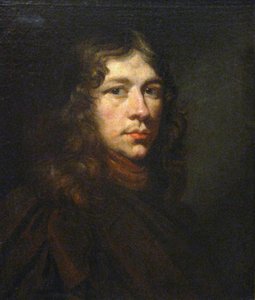
Daniel II Schultz
1615 - 1683 , Poland
Краткая справка
- Full Name: Daniel II Schultz
- Nationality: Polish-Lithuanian
- Date Of Birth: 1615
- Date Of Death: 1683
- Place Of Birth: Danice, Poland
- Notable Artworks:
- Crimean Falconer
- Bielany Portrait
- Saint Casimir
- Coffin Portrait
- Artistic Movement Or Style: Baroque
- Artists Who Influenced This Artist:
- Rembrandt
- Philippe de Champaigne