
 Предпросмотр
 Поделиться
 Поделиться
 Детали произведения

 Скачать
 Похожие работы
 Рентгенография
 Слайд-шоу
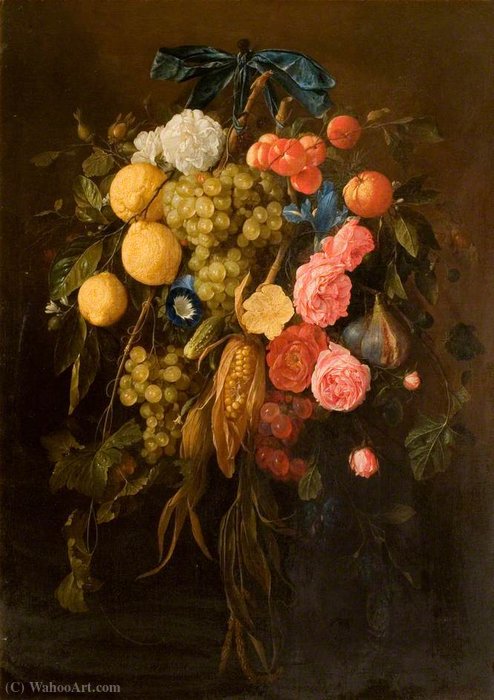
Fruit and Flowers

 Читать далее
Приобретите цифровое изображение высокого разрешения в улучшенном качестве, которое значительно превосходит онлайн-превью.
Каждый файл тщательно подготавливается нашими специалистами с использованием передовых инструментов и экспертной ручной ретуши. Мы гарантируем исключительную четкость, точную цветопередачу и детальную проработку каждого изображения.
Финальный файл доставляется по электронной почте в течение 72 часов и оптимизирован для немедленного использования в профессиональной среде, при верстке и печати. Это тот же уровень качества, которому доверяют ведущие дизайнерские студии, издательства и галереи.
Цифровое изображение
Скачайте файл высокого разрешения для личного использования, печати и творческих проектов. ( Купить принт Купить картину ручной работы)
Включено в каждый заказ цифровых изображений
Гарантия экспертной цифровой доставки
Выбирая OriginalUniqueArt.com, вы получаете не просто изображение — вы приобретаете профессионально обработанное цифровое произведение искусства, созданное с безупречной точностью и под защитой гарантии качества. Вот всё, что автоматически входит в ваш заказ:

Мгновенная доставка по e-mail
Ваш цифровой файл в высоком разрешении будет отправлен вам по электронной почте в течение 72 часов после оформления заказа — и сразу станет доступен для использования.

Цифровой файл с ИИ-улучшением
Ваше произведение искусства проходит профессиональную оптимизацию с использованием передовых инструментов ИИ и ручной обработки, что гарантирует максимальную детализацию, четкость и точность цветопередачи.

Бессрочная бесплатная повторная доставка
Случайно удалили или потеряли файл? Не беспокойтесь — мы отправим его вам повторно в любое время и совершенно бесплатно.

Без импортных пошлин — навсегда
Наслаждайтесь вашим произведением искусства мгновенно без таможенных пошлин, сборов или затрат на доставку — цифровые загрузки всегда не облагаются налогом.

Гарантия точности цветопередачи
Мы гарантируем, что ваше цифровое изображение максимально точно передает оригинальные цвета благодаря использованию профессиональных инструментов и систем управления цветом.

Гарантия удовлетворения в течение 60 дней
Если вы останетесь не удовлетворены покупкой цифрового изображения, мы внесем в него правки или вернем 100% стоимости в течение 60 дней — без лишних вопросов.

100% Гарантия возврата средств
Не удовлетворены покупкой? Мы гарантируем полный возврат средств в течение 60 дней после получения вашего цифрового файла — без лишних вопросов.

Скидки на оптовые заказы
Купите 3 изображения, сэкономьте 10% — Купите 5, сэкономьте 15% — Купите 10+, сэкономьте 20%. Отличное решение для творческих проектов, галерей и агентств.
Биография художника
The Master of Luminous Still Life
Cornelis Jansz de Heem stands as one of the most celebrated figures within the Dutch Golden Age artistic landscape, a painter whose brush possessed the rare ability to breathe life into the inanimate. Born in Leiden, Netherlands, in 1631, he emerged from a family deeply rooted in the artistic traditions of his era. His father, Jan Gerritsz de Heem, was a painter himself, providing Cornelis with an early immersion in the nuances of light and form. This foundational upbringing allowed him to develop a profound sensitivity to the natural world, a trait that would eventually define his legacy as a master of the still life genre.
The trajectory of De Heem’s career was shaped by the vibrant intellectual and artistic currents of the 17th century. His formative years were marked by exposure to the monumental techniques of masters like Rembrandt and Rubens. From the Dutch tradition, he absorbed the dramatic mastery of chiaroscuro—the powerful interplay between deep shadow and brilliant light—which lent his compositions a sense of theatrical depth. Simultaneously, the influence of the Flemish master Rubens infused his work with a certain fleshy vitality and an exuberant approach to color. By the mid-1650s, his relocation to Amsterdam placed him at the heart of a thriving artistic community, where he refined his craft alongside luminaries such as Jacob van Ruysdael and Willem van Delft.
Symbolism and the Vanitas Tradition
De Heem’s artistic output is characterized by an obsessive dedication to detail and a breathtaking sensitivity to color. Unlike many of his contemporaries who sought fame through grand historical narratives or aristocratic portraits, De Heem found profound meaning in the quiet arrangement of objects. His canvases often feature meticulously rendered flowers, succulent fruits, delicate shells, and intricate musical instruments. However, these were far more than mere decorative exercises; they were deeply imbued with the symbolic language of his time.
Many of his works serve as meditations on the vanitas theme—a genre designed to remind the viewer of the transience of life and the inevitability of death. Through the subtle depiction of a wilting petal, a bruised piece of fruit, or an empty glass, De Heem explored the concept of "emptiness" and the fleeting nature of earthly beauty. In masterpieces such as his Vanitas Still-Life with Musical Instruments, he weaves together symbols of human achievement and sensory pleasure with poignant reminders of mortality, creating a captivating exploration of the human condition that resonates far beyond the 17th century.
Technique and Lasting Legacy
The technical brilliance of Cornelis de Heem lies in his ability to manipulate oil paint to achieve unparalleled textures and luminosity. His method involved the painstaking layering of thin glazes upon thinly applied paint, a process that allowed light to penetrate the surface and reflect back, creating a glowing, internal radiance. This technique enabled him to capture the specific tactile qualities of his subjects: the wet sheen on a ripe grape, the hard exoskeleton of a lobster, or the velvety softness of a rose petal.
His compositions are marvels of balance and drama, often utilizing a Baroque sensibility to guide the viewer's eye through a complex arrangement of objects. Whether presenting an opulent display in Still Life with Grapes, Peaches and a Bohemian Glass Goblet or focusing on the striking contrast of a single creature in Still Life with Lobster, De Heem maintained a rigorous control over light and shadow. His historical significance remains undiminished; he did not merely document the abundance of the Dutch Golden Age, but elevated the still life to a high art form capable of expressing the most profound philosophical truths through the simple beauty of the natural world.

cornelis de heem
1631 - 1695 , Netherlands
Основные сведения
- Artistic Movement Or Style: Flemish Baroque
- Artists Who Influenced This Artist:
- Rembrandt van Rijn
- Lucas van Leyden
- Date Of Birth: April 8, 1631
- Date Of Death: May 17, 1695
- Full Name: Cornelis Jansz de Heem
- Nationality: Dutch
- Notable Artworks:
- Fruit & Flowers
- Nature morte aux fleurs...
- Vanitas Still-Life
- Place Of Birth: Leiden, Netherlands

