
 Примерить в интерьере
 Отправить
 Поделиться
 Подробнее
 Руководство

 Скачать
 Похожие объекты
 Рентгенография
 Слайд-шоу
 Статистика
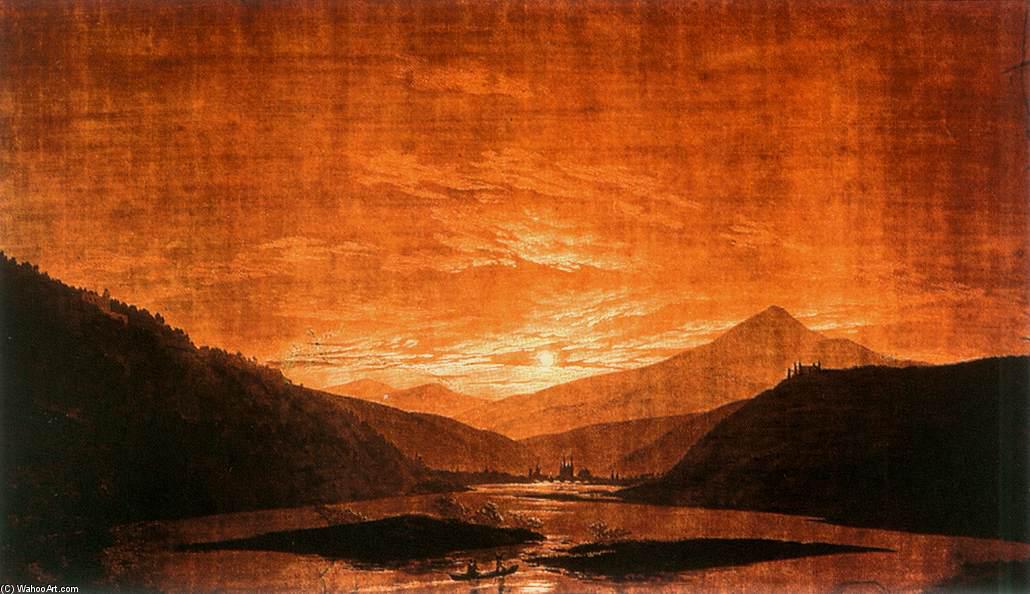
Mountainous River Landscape (Night Version)
 Acrylic On Canvas
- WallArt
- Romantic Landscape
 1830
1830 77.0 x 127.0 cm
 Государственные музеи Касселя
 Развернуть текст
Жикле / Арт-принты
Печать (жикле) или холст музейного качества с быстрыми сроками изготовления и широким выбором вариантов отделки. ( Заказать репродукцию ручной работы Перейти к цифровым изображениям)




P118B $10

P118H $10

P118W $10

P438Z $10

P508JH $12

P508YH $12

P805H $10

P805Z $10

P919BZ $10

P919G $10

P919XJ $10

P959ZH $10

P968JZ $12

W106C $8

W218G $10

W218JH $8

W218Y $10

W307PJ $10

W316G $10

W316PJ $8

W316Y $10

W398PJ $8

W4111J $10

W500HY $15

W500JH $15

W692G $12

W849H $8

W940BG $15

W953PJ $8




Выберите один из наших стандартных размеров, соответствующих оригинальным пропорциям произведения искусства.

Введите необходимую ширину и высоту, чтобы репродукция подошла к вашей раме или стене. При печати изображение можно только уменьшить, но нельзя увеличить больше оригинала, поэтому при выборе другого формата часть изображения может быть обрезана. Перед печатью мы отправим вам цифровой макет на утверждение. Изображение на этой странице не отображает реальную обрезку — ее можно увидеть только на макете.
Доставка по всему миру () за 2 недели вместо стандартных 4–5 недель. (26 Октябрь)

Бесплатная экспресс-доставка по всему миру

Высококачественный льняной холст

Полное страхование при транспортировке

Гарантия возврата таможенных пошлин

Гарантия точного цветового соответствия

100-дневный период возврата (только при обнаружении дефектов)

Гарантия возврата 100% средств

Скидка при заказе нескольких работ
 Вариант со стеклом доступен только для размеров менее 110 см

Mountainous River Landscape (Night Version)
Жикле / Арт-принты
Размер репродукции
-


Итоговая стоимость
$ 80
A Meditation on Sublime Beauty: Exploring Caspar David Friedrich’s Mountainous River Landscape (Night Version)
Caspar David Friedrich's *Mountainous River Landscape (Night Version)* transcends mere depiction; it embodies a profound philosophical statement about humanity’s relationship with the natural world and the sublime. Painted in 1830, this monumental canvas—measuring 77 x 127 cm—holds its place within the Staatliche Museen in Kassel as a cornerstone of Romantic landscape painting, cementing Friedrich's legacy as one of Germany’s most influential artists.Composition and Atmosphere: Capturing Twilight’s Embrace
The artwork immediately draws the viewer into a scene bathed in the ethereal glow of twilight. Friedrich meticulously crafted a panorama dominated by towering mountains silhouetted against a bruised orange sky—the fading embers of sunset casting long shadows across the tranquil river below. Two boats, positioned strategically on the water's surface, punctuate the expanse, offering glimpses of human presence amidst the grandeur of nature. Scattered figures – indistinct yet palpable – suggest contemplation and appreciation for the sublime vista. This deliberate arrangement isn’t simply aesthetically pleasing; it’s designed to evoke a feeling of awe and solitude—a core characteristic of Romantic artistic ideals.Technique: Mastering Light and Shadow - Friedrich's Signature Style
Friedrich’s mastery lies in his masterful manipulation of light and shadow, techniques honed through extensive study and experimentation. He employed a sophisticated chiaroscuro method – dramatic contrasts between illuminated areas and deep darkness – to heighten the sense of depth and volume. The sfumato technique—characterized by subtle gradations of tone—further softens edges and creates an atmospheric haze, blurring distinctions between mountains and sky, fostering an illusion of infinite space. Furthermore, Friedrich skillfully utilized tenebrism, a darker form of chiaroscuro where intense darkness dominates, emphasizing the spiritual significance of the scene. These techniques weren’t merely technical exercises; they served as conduits for conveying Friedrich's deeply held belief in nature’s capacity to inspire contemplation and elevate the human spirit.Symbolism: Echoes of Spirituality and Transcendence
Beyond its visual splendor, *Mountainous River Landscape (Night Version)* resonates with profound symbolic meaning. The mountains represent permanence and stability—a counterpoint to the fleeting nature of earthly existence. The river symbolizes life’s journey, flowing onward towards an unknown destination, mirroring humanity's quest for spiritual understanding. The twilight sky embodies both beauty and melancholy – a reminder of mortality but also hinting at divine grace. Friedrich deliberately positioned the boats as symbols of human endeavor amidst this overwhelming landscape, suggesting that even in confronting the sublime, individuals retain a connection to something greater than themselves.Legacy and Emotional Impact: An Enduring Vision
Friedrich’s *Mountainous River Landscape (Night Version)* continues to inspire artists and viewers alike. It exemplifies the Romantic movement's preoccupation with emotion and imagination—a reaction against Enlightenment rationalism—and solidified Friedrich’s position as a prophet of the sublime, a concept championed by Edmund Burke that posits beauty can simultaneously provoke terror and awe. The painting’s quiet grandeur invites contemplation on themes of spirituality, solitude, and the interconnectedness between humanity and nature. Reproductions offer an opportunity to experience this timeless masterpiece, transporting viewers into Friedrich's visionary world and fostering a deeper appreciation for the profound power of landscape art.Вопросы и ответы
Каковы размеры оригинала «Mountainous River Landscape (Night Version)»?
Зафиксированные размеры работы «Mountainous River Landscape (Night Version)», Каспар Давид Фридрих составляют 77 x 127 cm. Вы можете заказать репродукции в других размерах с сохранением тех же пропорций.
Какой размер «Mountainous River Landscape (Night Version)» рекомендуется для Living Room?
Для комнаты типа Living Room рекомендуемый размер печати работы «Mountainous River Landscape (Night Version)», Каспар Давид Фридрих составляет Large.
Существует ли путеводитель по «Mountainous River Landscape (Night Version)», Каспар Давид Фридрих?
Для произведения «Mountainous River Landscape (Night Version)», Каспар Давид Фридрих доступна страница Справка для студентов: печатный информационный лист о произведении искусства, предназначенный для студентов и использования в учебном процессе.
Биография художника
A Solitary Vision: The Life and Art of Caspar David Friedrich
Born in the Baltic port city of Greifswald in 1774, Caspar David Friedrich’s life was steeped in a melancholic atmosphere that would profoundly shape his artistic vision. His early years were marked by loss – the deaths of his mother and siblings fostered a sensitivity to mortality and transience that became central themes in his work. Initially educated by his older brother Christian in drawing, Friedrich’s formal training began at the University of Leipzig, where he pursued both art and theology, though neither degree was completed. This dual interest—a fascination with the visual world alongside a deep spiritual questioning—would prove crucial to his development as an artist. Further studies in Copenhagen honed his technical skills, exposing him to landscape painting traditions that would serve as a foundation for his unique style, yet it was not imitation he sought but rather expression—a means of conveying inner emotional states through the language of nature.The Birth of Romantic Landscape
Friedrich’s artistic journey wasn't merely about depicting scenery; it was about imbuing landscapes with profound symbolic meaning. He moved away from the meticulous detail favored by earlier artists, embracing a more personal and expressive approach. His paintings are characterized by an emphasis on the sublime—evoking feelings of awe, terror, and spiritual connection in the face of nature’s grandeur. The use of *Rückenfiguren*, figures seen from behind, became a signature element, inviting viewers to step into the scene and share in the contemplative experience. Natural elements like ancient trees, towering mountains, swirling fog, and crumbling ruins weren't simply picturesque details; they were potent symbols representing life’s cycles, spiritual longing, and the weight of history. His palette, often muted with blues, grays, and browns, further enhanced the mood of introspection He pioneered a way to depict landscapes not as mere views but as reflections of the human soul—a revolutionary concept for its time.Iconic Works and Enduring Themes
Several paintings stand out as defining examples of Friedrich’s artistic achievement. “Abbey in the Oakwood” (1809-1810), a haunting image of a ruined churchyard enveloped by bare trees, speaks powerfully to themes of mortality and spiritual decay. It exemplifies his masterful use of light and shadow to convey emotion and symbolism. Perhaps his most famous work, “Wanderer Above the Sea of Fog” (c. 1818), encapsulates the Romantic ideal of the individual confronting the vastness and mystery of existence. The figure, silhouetted against a swirling sea of mist, embodies both human aspiration and insignificance—a poignant reminder of our vulnerability in the face of nature’s immensity. “Chalk Cliffs on Rügen” (1818) demonstrates his mastery of atmospheric effects and subtly conveys a sense of national identity—a growing concern in the fragmented political landscape of early 19th-century Germany. The composition draws inspiration from Dutch Masters like Jacob van Ruisdael, reflecting Friedrich’s admiration for classical artistic traditions. Even more dramatic is “The Sea of Ice” (1824), a chilling depiction of an Arctic wasteland, representing nature’s immense power and indifference to human fate—a testament to the sublime and Friedrich's ability to capture the psychological impact of confronting overwhelming natural forces. Recurring throughout his oeuvre are themes of nature as a manifestation of the divine, the fragility of humanity in the face of cosmic forces, melancholy, solitude, spiritual yearning, and a burgeoning sense of German nationalism.Influences and Artistic Development
Friedrich’s artistic development was shaped by several key influences. He studied under Johann Christian Dahl, whose landscapes instilled in him a fascination with dramatic atmospheric conditions and expressive brushwork. Furthermore, he absorbed the philosophical ideas of Immanuel Kant, particularly Kant's concept of transcendental idealism—the notion that our experience is fundamentally shaped by mental categories rather than objective reality. This intellectual engagement informed Friedrich’s artistic vision, prompting him to explore the relationship between perception and consciousness. He skillfully blended elements of Dutch Golden Age landscape painting with his own distinctive style, creating images that are both aesthetically beautiful and emotionally resonant.Legacy and Rediscovery
Friedrich’s art resonated deeply with audiences during his lifetime, though it wasn't universally appreciated. Nevertheless, he experienced a significant revival in the late 20th century, becoming widely recognized as one of the most important figures in German Romanticism—a movement that championed emotion, imagination, and individualism. His pioneering approach to landscape painting influenced subsequent generations of artists who sought to express inner feelings through visual means. He remains a pivotal figure whose work continues to inspire contemplation and spiritual awakening, reminding us of the profound connection between humanity and the natural world, and the enduring power of art to convey complex ideas about existence and morality. His contribution to artistic history is undeniable.
Каспар Давид Фридрих
1774 - 1840 , Германия
Краткая справка
- Artistic Movement Or Style: Романтизм
- Artists Or Movements Influenced By This Artist:
- Символисты
- Сюрреалисты
- Artists Who Influenced This Artist:
- Нидерландские мастера
- Дж.К. Даль
- Date Of Birth: 5 сентября 1774 г.
- Date Of Death: 7 мая 1840 г.
- Full Name: Каспер Давид Фридрих
- Nationality: Немецкий
- Notable Artworks:
- Абатство в дубовом лесу
- Бродяга над морем тумана
- Морские скалы Ругенсберга
- Place Of Birth: Грейфсвальд, Германия


