
 Предпросмотр
 Поделиться
 Поделиться
 Детали произведения

 Скачать
 Похожие работы
 Рентгенография
 Слайд-шоу
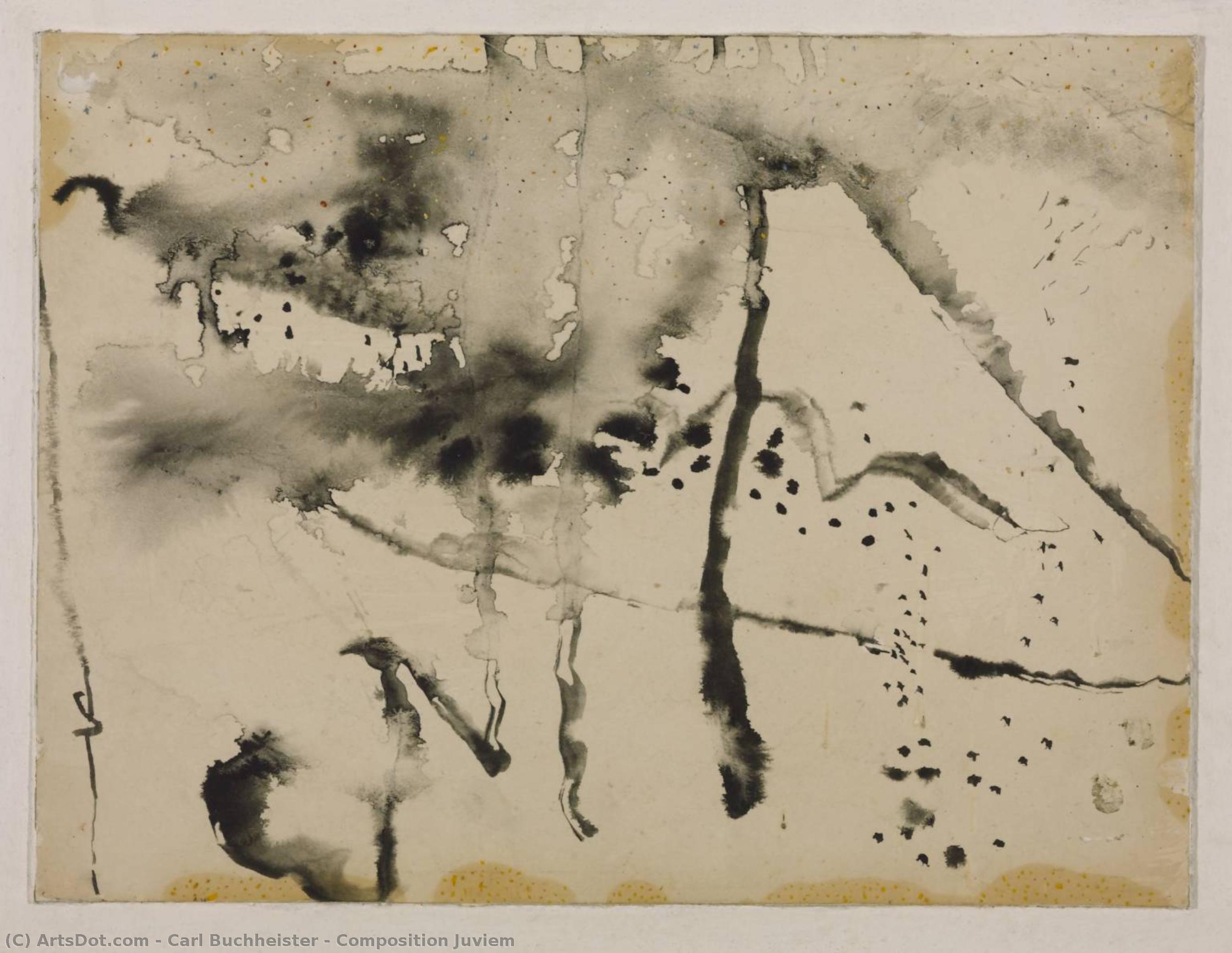
Composition Juviem


 Читать далее
Жикле / Арт-принт
Печать (жикле) или холст музейного качества с быстрыми сроками изготовления и широким выбором вариантов отделки. ( Купить картину ручной работы Купить изображение)




P118B $10

P118H $10

P118W $10

P438Z $10

P508JH $12

P508YH $12

P805H $10

P805Z $10

P919BZ $10

P919G $10

P919XJ $10

P959ZH $10

P968JZ $12

W106C $8

W218G $10

W218JH $8

W218Y $10

W307PJ $10

W316G $10

W316PJ $8

W316Y $10

W398PJ $8

W4111J $10

W500HY $15

W500JH $15

W692G $12

W849H $8

W940BG $15

W953PJ $8




Выберите один из наших стандартных размеров, соответствующих оригинальным пропорциям произведения искусства.

Вы можете указать свои собственные размеры, чтобы репродукция идеально подошла под конкретную раму или пространство. Если выбранный вами размер не будет соответствовать пропорциям оригинала, мы либо обрежем произведение, либо дополним изображение зеркальным отражением краев или однотонной заливкой. Перед началом производства вам будет отправлен цифровой макет для утверждения.
Пожалуйста, обратите внимание, что предварительный просмотр на экране не отображает фактическую обрезку или расширение изображения. Только макет точно покажет финальную композицию.
Несмотря на возможность заказа индивидуальных размеров, мы рекомендуем выбирать размер из предопределенного списка, чтобы сохранить оригинальные пропорции.
Доставка по всему миру () за 2 недели вместо стандартных 4/5 недель. (15 Август)

Бесплатная экспресс-доставка по всему миру

Высококачественный льняной холст

Полное страхование доставки

Гарантия возмещения таможенных пошлин

Гарантия точного соответствия цветов

Политика возврата в течение 60 дней (только при наличии дефектов)

Гарантия возврата 100% средств

Предложение оптовых скидок
 Вариант со стеклом доступен только для размеров менее 110 см

Composition Juviem
Жикле / Арт-принт
Размер репродукции
-


Итоговая стоимость
$ 80
Описание предмета коллекционирования
The Echoes of Energy: Exploring Composition Juviem
To stand before Composition Juviem is to encounter not merely pigment on paper, but a captured moment of pure, visceral energy. Created in 1959 by Carl Buchheister, this monochrome abstract composition immediately pulls the viewer into its swirling depths. It is a field of action, where dark, fluid marks—rendered primarily in blacks and grays—dance across a pale, creamy ground. The overall impression is one of controlled chaos; the lines are dynamic, suggesting both immense force and an underlying instability. Buchheister eschews recognizable form entirely, presenting instead a dialogue between gesture and surface, inviting contemplation rather than simple observation.
A Dialogue with Abstraction and Expressionism
Buchheister’s artistic journey is deeply rooted in the revolutionary currents of early 20th-century German art. While his biography speaks to his foundational work within Constructivism—a movement dedicated to liberating painting from mere representation—Composition Juviem leans into a more immediate, expressive vocabulary. The technique employed suggests an affinity with action painting, allowing the spontaneity of the gesture to dictate the final outcome. One can almost hear the sound accompanying these strokes: the whisper of ink meeting absorbent paper, the sweep of a brush loaded with pigment. This loose, gestural quality is key; it bypasses narrative and speaks directly to feeling.
Technique and Materiality: The Flow of Ink
The mastery displayed here lies in the handling of the medium itself. Judging by the fluidity and subtle staining effects visible across the surface, the work likely utilizes watercolor or highly diluted ink washes. These materials allow for a breathtaking interaction between pigment and support. Notice how some areas accumulate layers, creating pockets of deep shadow, while others remain translucent, allowing the pale ground to breathe through the marks. The composition is structured by powerful vertical and diagonal vectors—lines that seem pulled taut across the plane—giving the piece an undeniable sense of upward or downward momentum.
Symbolism and Emotional Resonance
What does this confluence of black washes mean? In the abstract realm, such intensity often mirrors internal landscapes. Composition Juviem can be interpreted as a visual manifestation of emotional turbulence, the exhilarating strain of thought, or perhaps even the overwhelming sensation of sound given physical form. It possesses an intellectual weight; it asks the viewer to confront their own state of being. For the collector or designer, this piece offers more than mere decoration; it is a potent focal point, an anchor of sophisticated, restless energy for any space.
Bringing Abstract Power Home
For those seeking art that stimulates conversation and depth, Buchheister’s work provides unparalleled sophistication. A high-quality reproduction allows this raw, powerful dialogue to permeate your environment. It is a piece that does not whisper its meaning but rather resonates with it—a testament to the enduring power of pure artistic gesture.
Биография художника
Carl Buchheister: A Pioneer of Constructivist Landscape Painting
Carl Buchheister (October 17, 1890 – February 2, 1964) emerged as a significant figure in German art during the turbulent years following World War I, establishing himself as one of the foremost practitioners of Constructivism—a revolutionary artistic movement that sought to liberate painting from representational illusionism and embrace geometric abstraction. Born in Hanover, Germany, Buchheister’s formative years coincided with the burgeoning intellectual ferment of Expressionism and Dada, shaping his artistic sensibilities and propelling him toward a distinctive visual language rooted in elemental forms and bold color palettes.- Early Influences: Like many artists of his time, Buchheister absorbed considerable inspiration from the landscapes of Edvard Munch and Friedrich Nietzsche, whose philosophical explorations mirrored the anxieties and uncertainties surrounding the postwar era. These influences instilled a preoccupation with psychological depth and emotional intensity—characteristics that would permeate his oeuvre throughout his career.
- Constructivist Principles: Embracing the tenets of Constructivism championed by artists like Wassily Kandinsky and Aleksandr Rodchenko, Buchheister rejected traditional perspective and tonal shading in favor of simplified geometric shapes arranged according to principles of balance and rhythm. He aimed to distill visual experience into its purest essence, prioritizing formal structure over detailed depiction.
- Notable Works: Buchheister’s artistic output comprises a series of striking landscape paintings—most notably “Composition Gowa,” “Composition Ursiem,” and “Composition Har”—that exemplify his Constructivist aesthetic. These canvases showcase monumental expanses of color punctuated by angular forms, conveying a sense of grandeur and immediacy that transcends mere visual observation.
Formal Innovation & Color Theory
Buchheister’s compositional strategies were meticulously crafted to evoke profound emotional responses in the viewer. He utilized techniques borrowed from photography—specifically the concept of “photographic illusion”—to create images that appeared to capture fleeting moments of atmospheric grandeur. His masterful manipulation of color—particularly hues derived from mineral pigments—further amplified the expressive power of his paintings. Analyzing geological formations and utilizing a palette informed by scientific observation, Buchheister sought to translate natural phenomena into visual metaphors for psychological states.- Geometric Abstraction: The artist’s canvases are dominated by large-scale geometric shapes—rectangles, triangles, and circles—arranged in harmonious configurations that prioritize spatial relationships over realistic representation.
- Mineral Pigments & Color Harmony: Buchheister meticulously selected mineral pigments—such as ultramarine blue and ochre—to achieve precise color matches and create visual compositions characterized by striking chromatic contrasts.
Legacy & Historical Significance
Carl Buchheister’s contribution to German art extends beyond his individual paintings; he served as a pivotal voice in advocating for Constructivism's role in shaping the artistic landscape of the Weimar Republic. His unwavering commitment to abstraction—coupled with his profound engagement with geological observation and psychological exploration—established him as a pioneer of a movement that anticipated many developments in postwar abstract expressionism. Buchheister’s work continues to resonate today, reminding us of the transformative potential of art to grapple with existential questions and convey visceral experiences.Further Exploration
For deeper insights into Carl Buchheister's artistic vision and his influence on subsequent generations of artists, consult resources such as Wikipedia (
carl buchheister
1890 - 1964 , Germany
Основные сведения
- Artistic Movement Or Style: Constructivism
- Date Of Birth: October 17, 1890
- Date Of Death: February 2, 1964
- Full Name: Carl Buchheister
- Nationality: German
- Notable Artworks:
- Composition Gowa
- Composition Ursiem
- Composition Har
- Place Of Birth: Hanover, Germany
Похожие статьи

Топ-10 шедевров абстрактного экспрессионизма: искусство для вашего интерьера от OriginalUniqueArt.com
Погрузитесь в мир абстрактного экспрессионизма! Откройте для себя 10 шедевров Поллока, Ротко и других гениев. История искусства, техники живописи и вдохновение для вашего интерьера от OriginalUniqueArt.com. Explore the full collection online!

10 Шедевров Немецкого Экспрессионизма: Искусство Эмоций и Вдохновения | OriginalUniqueArt
Погрузитесь в мир немецкого экспрессионизма! Узнайте истории создания шедевров Мунка, Кирхнера, Кандинского и других великих художников. Репродукции картин высокого качества для вашего интерьера на OriginalUniqueArt.com. Откройте всю коллекцию онлайн!

Ephemeral Expressions: Exploring the Nuances of Ink on Paper Through History & Contemporary Art
Explore the captivating world of ink wash painting – from its ancient origins to contemporary masters. Discover techniques, symbolism & conservation insights with OriginalUniqueArt.com.
Pure Chaos & Color: The High-Voltage World of Abstract Expressionism
Dive into the high-voltage world of Abstract Expressionism. Explore the raw energy of Action Painting and the legendary masters of the New York School through a visual journey of pure chaos and color. Discover how to bring bold, high-impact abstract art into your modern space.

Beyond Representation: Exploring the Emotional Landscape of Abstract Expressionism
Explore the profound emotional world of Abstract Expressionism with OriginalUniqueArt. Discover key artists like Pollock & Rothko, learn about collecting, and find museum-quality reproductions to inspire your space.

