Romantic Industrialization · 1823
Self-Portrait (Карл Блехен, 1823)
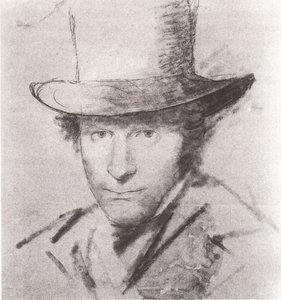
Карл Блехен (1798–1840) создал(а) Self-Portrait. Создано в 1823. Относится к направлению Romantic Industrialization. Выполнено в технике Acrylic. Хранится в Национальная галерея в Берлин, Германия. Размер: 26 × 20 cm
- 1823
- Acrylic
- 26 × 20 cm
- Национальная галерея, Берлин

 Предпросмотр

 Картина маслом ручной работы
 Поделиться
 Поделиться
 Информационный лист


 Скачать
 Похожие предметы
 Рентгенография
 Слайд-шоу
 Вопросы и ответы

 Статистика просмотров
Self-Portrait вкратце
- Название
- Self-Portrait
- Автор
- Карл Блехен (1798–1840)
- Дата рождения художника
- Котбус, Германия
- Дата
- 1823
- Техника
- Acrylic
- Размеры
- 26 × 20 cm
- Где посмотреть
- Национальная галерея, Берлин, Германия
- Движение
- Romantic Industrialization
- Сюжет
- self-portrait, landscape painting, romanticism, german art, baroque style, artist’s vision
Что изображено на Self-Portrait?
A Visionary Encounter with Industry’s Dawn
- Subject Matter: This striking self-portrait by Carl Blechen captures a contemplative gaze directed downwards, presenting an image of intellectual introspection amidst the burgeoning industrial landscape. The artist's posture exudes seriousness and thoughtfulness—a deliberate contrast to the prevailing Romantic preoccupation with sublime landscapes.
- Style: Blechen’s work exemplifies the Romantic Industrialization movement, marking a pivotal shift away from traditional artistic conventions. While rooted in Romantic ideals of emotion and imagination, he simultaneously confronts the realities of industrial progress with unflinching honesty. The portrait eschews idealized beauty for a psychologically nuanced depiction.
- Technique: Executed in black and white lithograph printing, Blechen skillfully employs tonal gradation to convey depth and texture. Lithography, a relatively new technique at the time, allowed for precise reproductions of detail—a testament to Blechen’s artistic vision and his willingness to experiment with innovative methods.
- Historical Context: Created in 1823, this portrait emerged during a period of intense social and intellectual ferment. The Industrial Revolution was reshaping Europe, prompting artists like Blechen to grapple with questions of modernity, alienation, and the human condition. It reflects a broader artistic dialogue concerning how nature and humanity coexist within an evolving world.
- Symbolism: Beyond its formal representation, the self-portrait carries symbolic weight. The downward gaze suggests introspection and contemplation—a desire to reconcile Romantic idealism with the tangible pressures of industrial society. Furthermore, the suit symbolizes professionalism and social responsibility, mirroring Blechen’s own aspirations as he navigated his artistic career.
Lithograph Printing: A Revolutionary Medium
The choice of lithograph printing was particularly significant for Blechen's time. Unlike oil paints or watercolor—the dominant mediums of the Romantic era—lithography offered unparalleled precision and tonal control. Developed in France during the preceding decade, it allowed artists to achieve photographic realism without resorting to camera obscura techniques. This method ensured that Blechen’s portrait would retain its intricate detail and expressive atmosphere for generations to come.Romantic Industrialization: Bridging Imagination and Reality
Blechen's artistic trajectory represents a fascinating intersection between Romantic idealism and the burgeoning realities of industrialization. While acknowledging the sublime beauty of nature—a hallmark of Romantic art—he simultaneously recognized its vulnerability to encroachment by technological advancements. This duality is powerfully conveyed in his self-portrait, prompting viewers to consider the complexities inherent in reconciling aesthetic ideals with societal transformations.Emotional Resonance: A Portrait of Quiet Contemplation
Ultimately, Blechen’s self-portrait transcends mere visual representation; it communicates a profound emotional resonance. The artist's gaze—directed downwards—suggests a preoccupation with internal reflection and a yearning for understanding amidst the turbulent currents of his era. It invites contemplation on themes of identity, purpose, and the enduring human spirit—a timeless message that continues to captivate audiences today.В каком музее находится Self-Portrait?
Национальная галерея
Берлин, Германия
История Национальной галереи в Берлине Национальная галерея является неотъемлемой частью Музейного комплекса Берлина. Ее истоки уходят корнями в коллекцию, изначально известную как «Wagenersche und Nationalgalerie». Именно этот фундамент заложил основу для создания сокровищницы, посвященной искусству XIX, XX и XXI веков.


Изображения в высоком разрешении: Self-Portrait

Общественное достояние: художник умер в 1840.
Другие размеры, фрагменты и цитирование →Карл Блехен, Self-Portrait (1823), Национальная галерея. Общественное достояние
Ответы на вопросы о Self-Portrait
Где сегодня можно увидеть «Self-Portrait», Карл Блехен?
Оригинал произведения «Self-Portrait», Карл Блехен хранится в Национальная галерея, Берлин, Германия. Репродукция позволяет украсить этим шедевром ваш дом.
В каком году было создано произведение «Self-Portrait», Карл Блехен?
«Self-Portrait» датируется 1823 годом. Эта дата позволяет определить место произведения в творчестве Карл Блехен и в контексте его эпохи.
В какой технике выполнено произведение «Self-Portrait»?
Техника исполнения работы «Self-Portrait», Карл Блехен — Acrylic. Репродукции стремятся максимально точно передать особенности этой техники.
Каковы реальные размеры произведения «Self-Portrait», Карл Блехен?
Размер оригинала «Self-Portrait», Карл Блехен составляет 26 x 20 cm.
Что изображено на картине «Self-Portrait»?
Сюжеты произведения «Self-Portrait» — это self-portrait, landscape painting, romanticism, german art, baroque style, artist’s vision, psychological depth.
Находится ли изображение «Self-Portrait», Карл Блехен в общественном достоянии?
Что касается авторских прав, произведение «Self-Portrait» находится в общественное достояние — срок действия авторского права истёк.
Кто является автором работы «Self-Portrait»?
Автор произведения «Self-Portrait» — Карл Блехен. Работа внесена в каталог под именем Карл Блехен.
К какому художественному направлению относится «Self-Portrait», Карл Блехен?
«Self-Portrait» — это произведение в стиле Romantic Industrialization. Данное направление указывает на художественную традицию, к которой относится эта работа.
К какому периоду творчества Карл Блехен относится произведение «Self-Portrait»?
В творческом наследии Карл Блехен работа «Self-Portrait» относится к периоду Early Romanticism. Этот этап позволяет сопоставить её с другими произведениями художника.
Об авторе, Карл Блехен
1798–1840, Германия
Карл Блехен
Пионер романтической индустриализации: жизнь и искусство Карла Блехена Карл Эдуард Фердинанд Блехен, родившийся в 1798 году в немецком Котбусе, занимает уникальное и зачастую недооцененное место в традиции пейзажной живописи. Его жизнь была отмечена одновременно художественным блеском и личными потрясениями — дуализм, который глубоко сформировал его экспрессивные и новаторские работы. Изначально, из-за финансовых трудностей семьи, Блехен был обречен на прагматичную карьеру банкира, однако врожденная художественная склонность в конечном итоге взяла верх. В 1822 году он начал обучение в Берлинской академии искусств, вступив на путь, который сделал его одним из первых художников, попытавшихся осмыслить эстетические вызовы — и возможности — ранней индустриализации.
Другие работы Карл Блехен
 Sanssouci Palace1830
 The Interior of the Palm House on the Pfaueninsel Near Potsdam1834
 Tarantella1830
 Afternoon on Capri1829
Эссе к произведению Self-Portrait
 The Echo of Self: Reflectivity as a Core Theme in Art History & Contemporary PracticeExplore the rich history of self-representation in art, from Renaissance masters to modern innovators. Discover how artists use portraiture…
 The Inner Landscape: Exploring Themes of Introspection in Visual Art Across Movements & ErasExplore the captivating world of introspective art! Discover how artists across eras – from Rembrandt to Kahlo – used self-portraiture to r…
 Romantic Realism's Finest: 10 Masterpieces for Your Home | OriginalUniqueArtExplore 10 defining masterpieces of Romantic Realism! Discover Courbet, Millet & Daumier's powerful paintings—capturing emotion and social …