Примерить в интерьере
 Отправить
 Поделиться
 Подробнее
 Руководство

 Скачать
 Похожие объекты
 Рентгенография
 Слайд-шоу
 Статистика
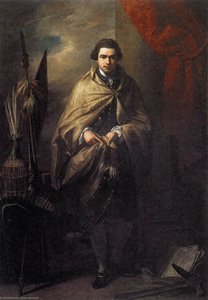
The Three Sisters


 Развернуть текст
Жикле / Арт-принты
Печать (жикле) или холст музейного качества с быстрыми сроками изготовления и широким выбором вариантов отделки. ( Заказать репродукцию ручной работы Перейти к цифровым изображениям)




P118B $10

P118H $10

P118W $10

P438Z $10

P508JH $12

P508YH $12

P805H $10

P805Z $10

P919BZ $10

P919G $10

P919XJ $10

P959ZH $10

P968JZ $12

W106C $8

W218G $10

W218JH $8

W218Y $10

W307PJ $10

W316G $10

W316PJ $8

W316Y $10

W398PJ $8

W4111J $10

W500HY $15

W500JH $15

W692G $12

W849H $8

W940BG $15

W953PJ $8




Выберите один из наших стандартных размеров, соответствующих оригинальным пропорциям произведения искусства.

Введите необходимую ширину и высоту, чтобы репродукция подошла к вашей раме или стене. При печати изображение можно только уменьшить, но нельзя увеличить больше оригинала, поэтому при выборе другого формата часть изображения может быть обрезана. Перед печатью мы отправим вам цифровой макет на утверждение. Изображение на этой странице не отображает реальную обрезку — ее можно увидеть только на макете.
Доставка по всему миру () за 2 недели вместо стандартных 4–5 недель. (21 Октябрь)

Бесплатная экспресс-доставка по всему миру

Высококачественный льняной холст

Полное страхование при транспортировке

Гарантия возврата таможенных пошлин

Гарантия точного цветового соответствия

100-дневный период возврата (только при обнаружении дефектов)

Гарантия возврата 100% средств

Скидка при заказе нескольких работ
 Вариант со стеклом доступен только для размеров менее 110 см

The Three Sisters
Жикле / Арт-принты
Размер репродукции
-


Итоговая стоимость
$ 80
Benjamin West’s “The Three Sisters”: A Portrait of Grace and Myth
Benjamin West's "The Three Sisters," painted in 1783, is more than just a charming depiction of three women enjoying a pastoral afternoon; it’s a carefully constructed tableau brimming with classical allusion, subtle symbolism, and the burgeoning spirit of American artistic identity. This drawing, remarkably preserved despite its relatively informal nature for West's oeuvre, offers a fascinating glimpse into the artist’s evolving style and his engagement with both European traditions and nascent notions of national art.
The scene unfolds within a lush, verdant garden – a deliberate choice that immediately evokes the idealized landscapes favored by artists of the Neoclassical period. The women themselves are rendered with an exquisite sense of elegance and composure. Their postures suggest relaxed conversation, yet there’s a palpable grace in their movements, mirroring the mythological Three Graces—symbols of beauty, charm, and joy. West masterfully captures this ethereal quality through loose, flowing lines and a delicate handling of charcoal, creating a sense of movement and vitality that belies the drawing's static composition. The arrangement of the figures – one seated on a bench, another gathering flowers, and the third reaching for a basket – establishes a harmonious balance, reflecting West’s deep understanding of classical principles of proportion and perspective.
A Dialogue with Leonardo and Antiquity
Close examination reveals intriguing connections to earlier artistic traditions. The figure on the right, holding a sweet expression, bears a striking resemblance to a portrait attributed to Leonardo da Vinci—a detail that speaks volumes about West’s admiration for the Renaissance master. This deliberate homage underscores West's commitment to studying and mastering the techniques of his predecessors, while simultaneously asserting his own artistic voice. The drawing’s overall composition also echoes classical Roman frescoes, particularly those depicting scenes from mythology or pastoral life. West was deeply influenced by the study of ancient ruins during his travels in Italy, and this influence is evident in the careful attention to detail, the balanced arrangement of elements, and the idealized portrayal of the figures.
Furthermore, the inclusion of a woven basket filled with flowers hints at themes of fertility and abundance—a common motif in classical art. The women’s attire, though simple, suggests a connection to nature and a celebration of rural life. West's choice of subject matter reflects the prevailing artistic trends of the late 18th century, which favored scenes of idyllic beauty and moral virtue. However, unlike many of his contemporaries, West infused this genre with a distinctly American sensibility—a quiet dignity and an understated elegance that set him apart from the more overtly theatrical works produced in Europe.
The Artist’s Process and a Hint of Surprise
Interestingly, the drawing's creation presents a slight anomaly within West’s established practice. Typically, artists of his generation meticulously prepared detailed sketches to serve as blueprints for larger paintings. The fact that this drawing lacks such preparatory studies is somewhat perplexing—suggesting perhaps an experiment in capturing a fleeting moment or a spontaneous impression. This informality contrasts sharply with the more rigorously planned and executed works that characterized much of West’s career, adding another layer of intrigue to its interpretation.
The loose manner in which he handled his pen here contrasts sharply with the more highly finished quality of his paintings. The drawing's lack of a direct connection to any known work by the artist is also noteworthy—a detail that has fueled speculation about its origins and purpose. Despite these uncertainties, “The Three Sisters” remains a testament to West’s artistic versatility and his enduring legacy as one of America’s first major painters.
A Timeless Appeal for Art & Design
“The Three Sisters” possesses an undeniable appeal that transcends its historical context. Its serene beauty, graceful figures, and subtle symbolism continue to resonate with viewers today. The drawing's delicate charcoal lines evoke a sense of intimacy and warmth, while the lush garden setting creates a feeling of tranquility and escape. Its composition—a harmonious blend of classical ideals and American sensibility—makes it an ideal subject for reproduction in interior design settings, bringing a touch of timeless elegance to any space. Collectors appreciate its historical significance and artistic merit, recognizing it as a pivotal work in the development of American art.
Вопросы и ответы
Какое эмоциональное настроение передает стиль Neoclassical в произведении «The Three Sisters»?
Romantic эмоциональность произведения «The Three Sisters» дополняет его стиль Neoclassical.
К какому этапу карьеры Бенджамин Вест относится произведение «The Three Sisters» (1783)?
«The Three Sisters», созданное в 1783 году, относится к Transatlantic Ambition творчества Бенджамин Вест.
В какой технике выполнено произведение «The Three Sisters», Бенджамин Вест?
Для создания «The Three Sisters» Бенджамин Вест использовал(а) технику Acrylic On Canvas. Эта техника определяет материальную природу оригинального произведения.
Биография художника
A Pioneer Bridging Worlds: The Life and Legacy of Benjamin West
Born in 1738 amidst the burgeoning landscape of colonial Pennsylvania, Benjamin West emerged as a pivotal figure in the transatlantic art world, a painter who skillfully navigated the currents of Neoclassicism and Romanticism while forging a uniquely American artistic identity. His story is one of remarkable self-education, unwavering ambition, and an extraordinary ability to connect with both aristocratic patrons and revolutionary ideals. From humble beginnings—his father an innkeeper in Springfield—West’s innate talent was nurtured by early exposure to the arts, reportedly learning rudimentary techniques from Native Americans before receiving any formal training. This unconventional start instilled within him a spirit of innovation that would characterize his entire career. He quickly established himself as a sought-after portraitist in Philadelphia and New York, but a thirst for deeper artistic knowledge propelled him towards Europe in 1760, embarking on a journey that would irrevocably alter the course of American art.From Italy to London: Forging a Path to Recognition
West’s arrival in Italy marked a turning point. Immersing himself in the artistic heartland of Europe, he studied the masters—Titian, Raphael—and engaged with contemporary Neoclassical thinkers like Anton Rafael Mengs and Angelica Kauffman. This period was crucial in shaping his aesthetic sensibilities, instilling within him an appreciation for classical form and historical narrative. He spent years meticulously copying works by these giants, absorbing their techniques and developing a profound understanding of composition, color theory, and the idealized beauty championed by Neoclassicism. However, it was London that ultimately became his adopted home and artistic center. Arriving in 1763, West swiftly ascended the ranks of the British art scene, captivating audiences with his ambitious canvases and securing the patronage of King George III. This royal endorsement not only provided financial stability but also cemented his position as a leading figure within the establishment. A defining moment came with his election to the Royal Academy in 1769, an institution he would later preside over as President from 1792 until his death. His influence extended beyond his own artistic production; West became a champion for American artists seeking training in Europe, offering guidance and support to generations of aspiring painters like Allston, Copley, and Morse.Revolutionizing Historical Painting: Technique and Controversy
West’s impact on the art world wasn't merely about achieving technical mastery; it was about challenging conventions. He dared to reimagine historical painting, moving away from rigid adherence to classical precedent and embracing a more contemporary sensibility. The Death of General Wolfe (1770), arguably his most famous work, exemplifies this revolutionary approach. By depicting the fallen general surrounded by figures in *contemporary* military attire rather than traditional Roman garb, West sparked considerable debate. Critics questioned the historical accuracy, but audiences were captivated by the immediacy and emotional resonance of the scene. It was a bold move, reflecting a shift towards greater realism and narrative power in history painting—a departure from the idealized, often distant depictions favored by earlier artists. This work demonstrated his willingness to experiment with modern dress within a classical framework, setting a precedent for future generations of historical painters. His style evolved over time, incorporating elements of Romanticism into his later works, yet always retaining a commitment to ambitious composition and detailed execution. Other notable pieces like Thetis Bringing the Armor to Achilles, The Three Sisters, The Fright of Astyanax, and The Cave of Despair demonstrate his versatility and mastery across a range of mythological and historical themes.A Lasting Legacy: Shaping Artistic Identity
Benjamin West’s legacy extends far beyond the canvases he created. He fundamentally altered the landscape of American art, establishing history painting as a viable genre for American artists and fostering a sense of national artistic identity. His presidency of the Royal Academy solidified his influence on British art, promoting innovation and supporting emerging talent.- He championed a more accessible and emotionally engaging style of historical representation.
- His studio became a haven for American artists seeking training in Europe.
- He bridged the gap between Neoclassicism and the burgeoning Romantic movement.

Бенджамин Вест
1738 - 1820 , Соединенные Штаты Америки
Краткая справка
- Artistic Movement Or Style: Неоклассицизм, Романтизм
- Artists Or Movements Influenced By This Artist:
- Аллстон
- Копли
- Морс
- Artists Who Influenced This Artist:
- Титян
- Рафаэль
- Менгс
- Гамвитт
- Кауффман
- Date Of Birth: 1738-10-10
- Date Of Death: 1820-03-11
- Full Name: Benjamin West
- Nationality: Американский
- Notable Artworks:
- Смерть генерала Вулф
- Тетис с доспехами для Ахиллеса
- Три сестры
- Испуг Астанакса
- Place Of Birth: Springfield, США
Похожие статьи

Benjamin West: Transatlantic Ambition & Shaping American Art
Explore the life & legacy of Benjamin West, pioneering American artist and Royal Academy president. Discover his Neoclassical masterpieces, transatlantic influence, and lasting impact on art history. Learn more at OriginalUniqueArt.

The Enduring Muse: Women as Subject & Symbol in Art History
Explore the rich history of women in art – from iconic muses to groundbreaking artists. Discover feminist movements, global perspectives & reclaim female narratives with OriginalUniqueArt.
The Enduring Muse: Women as Subject & Symbol in Art History
Explore the rich history of women in art – from archetypal representations to contemporary voices challenging norms. Discover iconic artists & movements, and learn about reclaiming female narratives through painting and beyond.

Neoclassical Portraiture: The Timeless Elegance of Order, Grace, and Academic Mastery
Explore the refined world of Neoclassical portraiture. Discover the mastery of line, light, and order through an expert exploration of academic art history, from Jacques-Louis David to Jean-Antoine Houdon. Immerse yourself in the timeless elegance of classical realism.
Portrayals of Power & Perception: A Historical Survey of Women in Art
Explore the rich history of women in art – from iconic muses to groundbreaking artists. Discover feminist movements & reclaim female narratives with OriginalUniqueArt. Expert insights for discerning collectors.