Примерить в интерьере
 Отправить
 Поделиться
 Подробнее
 Руководство

 Скачать
 Похожие объекты
 Рентгенография
 Слайд-шоу
 Статистика
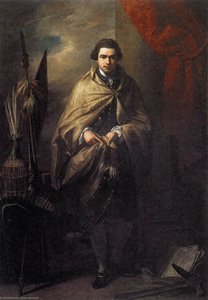
Self-Portrait


 Развернуть текст
Масляная репродукция ручной работы
Картина маслом на холсте в выбранном вами размере и раме, написанная на заказ нашими художниками. ( Переключиться на печать Перейти к цифровым изображениям)




P118B $10

P118H $10

P118W $10

P438Z $10

P508JH $12

P508YH $12

P805H $10

P805Z $10

P919BZ $10

P919G $10

P919XJ $10

P959ZH $10

P968JZ $12

W106C $8

W218G $10

W218JH $8

W218Y $10

W307PJ $10

W316G $10

W316PJ $8

W316Y $10

W398PJ $8

W4111J $10

W500HY $15

W500JH $15

W692G $12

W849H $8

W940BG $15

W953PJ $8




Выберите один из наших стандартных размеров, соответствующих оригинальным пропорциям произведения искусства.

Введите необходимую ширину и высоту, чтобы репродукция подошла к вашей раме или стене. Поскольку работа выполняется вручную, при изменении пропорций художник может немного увеличить область вокруг картины или, наоборот, обрезать края — выбор за вами. Перед началом работы мы пришлем вам цифровой макет на утверждение. Изображение на этой странице не является точным результатом — увидеть реальный вид можно только на макете.
После оформления заказа команда OriginalUniqueArt.com свяжется с клиентом по электронной почте для уточнения деталей и предоставит предварительный макет
Доставка по всему миру () за 3–4 недели вместо стандартных 5 недель. (21 Октябрь). Без компромиссов в качестве.

Бесплатная экспресс-доставка по всему миру

Высококачественный льняной холст

Полное страхование при транспортировке

Гарантия возврата таможенных пошлин

Гарантия точного цветового соответствия

100-дневный период возврата (только при обнаружении дефектов)

Гарантия возврата 100% средств

Скидка при заказе нескольких работ
 Вариант со стеклом доступен только для размеров менее 110 см

Self-Portrait
Материал репродукции
Размер репродукции
-


Итоговая стоимость
$ 300
A Portrait of Reflection: Benjamin West's Self-Portrait
- The Weight of History
- Neo-Classical Dignity
- Technique and Texture
- Symbolism of the Self
Neo-Classical Dignity: Style and Form
West’s approach firmly aligns with the tenets of Neoclassicism, a movement that sought to revive the artistic principles of ancient Greece and Rome. This is evident in every aspect of the composition – the formal arrangement of the figure, the emphasis on idealized beauty, and the restrained palette. The subject's pose, reminiscent of classical sculptures, conveys an air of dignified composure and intellectual seriousness. His attire—a dark coat with a high collar and a crisp white cravat—is characteristic of late 18th-century fashion, subtly signaling his status as a respected artist within Philadelphia society. The careful attention to detail in the rendering of his clothing – the subtle folds, the texture of the fabric – speaks to West’s commitment to realism, a key element of the Neoclassical style. The dark background serves not as a distraction but rather as a deliberate device, intensifying the focus on the figure and reinforcing the sense of solemnity.Technique and Texture: A Master's Hand
West’s technical skill is immediately apparent in the meticulous rendering of facial features and textures. He employs a glazing technique – applying thin layers of translucent paint over dried underlayers – to achieve remarkable depth and luminosity. The subtle play of light and shadow across his face draws attention to his expressive eyes, conveying a sense of self-assuredness and intellectual curiosity. The brushwork is controlled yet confident, demonstrating West’s mastery of oil paints. Note the delicate rendering of the hair, powdered and meticulously styled, a hallmark of the period's fashion. The texture of the fabric – the heavy wool of the coat, the smooth silk of the cravat – is rendered with remarkable accuracy, adding to the painting’s overall sense of realism and tactile quality. This level of detail was not merely decorative; it served to elevate the portrait beyond a simple likeness, transforming it into a symbol of West's artistic prowess and dedication.Symbolism of the Self: Identity and Ambition
The act of self-portraiture itself held significant symbolic weight in the 18th century. It was a demonstration of an artist’s skill, a declaration of their identity, and often, a meditation on mortality. In West's case, this particular self-portrait is particularly revealing. Painted just as he was establishing himself as a leading portraitist, it represents not only his artistic abilities but also his ambition to achieve recognition within the European art world. The serious expression on his face suggests a man deeply engaged with his craft and aware of its potential impact. The gaze directly at the viewer creates an intimate connection, inviting us into his thoughts and reflecting upon our own relationship with art and self-representation. This portrait is a testament to West’s confidence and determination – qualities that would ultimately define his remarkable career.Вопросы и ответы
Проявляет ли «Self-Portrait» выраженный светотеневой контраст?
В работе «Self-Portrait», Бенджамин Вест наблюдается Gentle контраст между светлыми и темными участками.
Какую палитру и какое настроение сочетает в себе «Self-Portrait»?
Палитра Earthy в работе «Self-Portrait», Бенджамин Вест гармонирует с её Reflective эмоциональным настроем. Цвет — это один из способов, с помощью которых произведение передает чувства.
Насколько известна работа «Self-Portrait» автора Бенджамин Вест?
«Self-Portrait» классифицируется как Recognized.
Биография художника
A Pioneer Bridging Worlds: The Life and Legacy of Benjamin West
Born in 1738 amidst the burgeoning landscape of colonial Pennsylvania, Benjamin West emerged as a pivotal figure in the transatlantic art world, a painter who skillfully navigated the currents of Neoclassicism and Romanticism while forging a uniquely American artistic identity. His story is one of remarkable self-education, unwavering ambition, and an extraordinary ability to connect with both aristocratic patrons and revolutionary ideals. From humble beginnings—his father an innkeeper in Springfield—West’s innate talent was nurtured by early exposure to the arts, reportedly learning rudimentary techniques from Native Americans before receiving any formal training. This unconventional start instilled within him a spirit of innovation that would characterize his entire career. He quickly established himself as a sought-after portraitist in Philadelphia and New York, but a thirst for deeper artistic knowledge propelled him towards Europe in 1760, embarking on a journey that would irrevocably alter the course of American art.From Italy to London: Forging a Path to Recognition
West’s arrival in Italy marked a turning point. Immersing himself in the artistic heartland of Europe, he studied the masters—Titian, Raphael—and engaged with contemporary Neoclassical thinkers like Anton Rafael Mengs and Angelica Kauffman. This period was crucial in shaping his aesthetic sensibilities, instilling within him an appreciation for classical form and historical narrative. He spent years meticulously copying works by these giants, absorbing their techniques and developing a profound understanding of composition, color theory, and the idealized beauty championed by Neoclassicism. However, it was London that ultimately became his adopted home and artistic center. Arriving in 1763, West swiftly ascended the ranks of the British art scene, captivating audiences with his ambitious canvases and securing the patronage of King George III. This royal endorsement not only provided financial stability but also cemented his position as a leading figure within the establishment. A defining moment came with his election to the Royal Academy in 1769, an institution he would later preside over as President from 1792 until his death. His influence extended beyond his own artistic production; West became a champion for American artists seeking training in Europe, offering guidance and support to generations of aspiring painters like Allston, Copley, and Morse.Revolutionizing Historical Painting: Technique and Controversy
West’s impact on the art world wasn't merely about achieving technical mastery; it was about challenging conventions. He dared to reimagine historical painting, moving away from rigid adherence to classical precedent and embracing a more contemporary sensibility. The Death of General Wolfe (1770), arguably his most famous work, exemplifies this revolutionary approach. By depicting the fallen general surrounded by figures in *contemporary* military attire rather than traditional Roman garb, West sparked considerable debate. Critics questioned the historical accuracy, but audiences were captivated by the immediacy and emotional resonance of the scene. It was a bold move, reflecting a shift towards greater realism and narrative power in history painting—a departure from the idealized, often distant depictions favored by earlier artists. This work demonstrated his willingness to experiment with modern dress within a classical framework, setting a precedent for future generations of historical painters. His style evolved over time, incorporating elements of Romanticism into his later works, yet always retaining a commitment to ambitious composition and detailed execution. Other notable pieces like Thetis Bringing the Armor to Achilles, The Three Sisters, The Fright of Astyanax, and The Cave of Despair demonstrate his versatility and mastery across a range of mythological and historical themes.A Lasting Legacy: Shaping Artistic Identity
Benjamin West’s legacy extends far beyond the canvases he created. He fundamentally altered the landscape of American art, establishing history painting as a viable genre for American artists and fostering a sense of national artistic identity. His presidency of the Royal Academy solidified his influence on British art, promoting innovation and supporting emerging talent.- He championed a more accessible and emotionally engaging style of historical representation.
- His studio became a haven for American artists seeking training in Europe.
- He bridged the gap between Neoclassicism and the burgeoning Romantic movement.

Бенджамин Вест
1738 - 1820 , Соединенные Штаты Америки
Краткая справка
- Artistic Movement Or Style: Неоклассицизм, Романтизм
- Artists Or Movements Influenced By This Artist:
- Аллстон
- Копли
- Морс
- Artists Who Influenced This Artist:
- Титян
- Рафаэль
- Менгс
- Гамвитт
- Кауффман
- Date Of Birth: 1738-10-10
- Date Of Death: 1820-03-11
- Full Name: Benjamin West
- Nationality: Американский
- Notable Artworks:
- Смерть генерала Вулф
- Тетис с доспехами для Ахиллеса
- Три сестры
- Испуг Астанакса
- Place Of Birth: Springfield, США
Похожие статьи
Топ-10 знаменитых картин в "грибных" тонах: искусство для вашего интерьера
Погрузитесь в мир искусства с нашей коллекцией из 10 знаменитых картин в "грибных" тонах! Узнайте истории Моне, Ван Гога и других великих мастеров. Репродукции высокого качества для вашего интерьера на OriginalUniqueArt.com.

Benjamin West: Transatlantic Ambition & Shaping American Art
Explore the life & legacy of Benjamin West, pioneering American artist and Royal Academy president. Discover his Neoclassical masterpieces, transatlantic influence, and lasting impact on art history. Learn more at OriginalUniqueArt.
Топ-10 шедевров в песочных тонах: искусство, вдохновляющее интерьер
Погрузитесь в мир искусства с нашей коллекцией из 10 шедевров в песочных тонах! Узнайте истории Моне, Ван Гога и других великих художников. Репродукции картин для вдохновения интерьера – на OriginalUniqueArt.com
Топ-10 знаменитых картин в земляных тонах: искусство, история и декор от OriginalUniqueArt
Погрузитесь в мир знаменитых картин в земляных тонах! От Ван Гога до Моне – узнайте истории, техники и вдохновение великих мастеров. Купите репродукции высокого качества для вашего интерьера на OriginalUniqueArt.com

Топ-10 знаменитых картин в черных тонах: шедевры искусства для вашего интерьера
Погрузитесь в мир темных шедевров! Топ-10 знаменитых картин в черных тонах от Гойи, Рембрандта и Мунка. История искусства, техники живописи и вдохновение для вашего интерьера. Купите репродукции высокого качества на OriginalUniqueArt.com