

 Предпросмотр
 Поделиться
 Поделиться
 Детали произведения

 Скачать
 Похожие работы
 Рентгенография
 Слайд-шоу
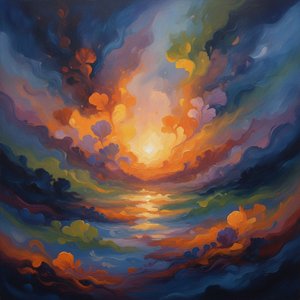
Night Clouds and Star Dust
 Acrylic On Canvas
- WallArt
- Abstract Expressionism
 163.0 x 83.0 cm
 Музей Метрополитен
 Читать далее
Жикле / Арт-принт
Печать (жикле) или холст музейного качества с быстрыми сроками изготовления и широким выбором вариантов отделки. ( Купить картину ручной работы Купить изображение)




P118B $10

P118H $10

P118W $10

P438Z $10

P508JH $12

P508YH $12

P805H $10

P805Z $10

P919BZ $10

P919G $10

P919XJ $10

P959ZH $10

P968JZ $12

W106C $8

W218G $10

W218JH $8

W218Y $10

W307PJ $10

W316G $10

W316PJ $8

W316Y $10

W398PJ $8

W4111J $10

W500HY $15

W500JH $15

W692G $12

W849H $8

W940BG $15

W953PJ $8




Выберите один из наших стандартных размеров, соответствующих оригинальным пропорциям произведения искусства.

Вы можете указать свои собственные размеры, чтобы репродукция идеально подошла под конкретную раму или пространство. Если выбранный вами размер не будет соответствовать пропорциям оригинала, мы либо обрежем произведение, либо дополним изображение зеркальным отражением краев или однотонной заливкой. Перед началом производства вам будет отправлен цифровой макет для утверждения.
Пожалуйста, обратите внимание, что предварительный просмотр на экране не отображает фактическую обрезку или расширение изображения. Только макет точно покажет финальную композицию.
Несмотря на возможность заказа индивидуальных размеров, мы рекомендуем выбирать размер из предопределенного списка, чтобы сохранить оригинальные пропорции.
Доставка по всему миру () за 2 недели вместо стандартных 4/5 недель. (25 Август)

Бесплатная экспресс-доставка по всему миру

Высококачественный льняной холст

Полное страхование доставки

Гарантия возмещения таможенных пошлин

Гарантия точного соответствия цветов

Политика возврата в течение 60 дней (только при наличии дефектов)

Гарантия возврата 100% средств

Предложение оптовых скидок
 Вариант со стеклом доступен только для размеров менее 110 см

Night Clouds and Star Dust
Жикле / Арт-принт
Размер репродукции
-


Итоговая стоимость
$ 80
Описание предмета коллекционирования
Augustus Vincent Tack: A Pioneer of Spiritual Landscape
Augustus Vincent Tack (1870 – 1949) stands as a singular figure in American art history, recognized primarily for his distinctive blend of realism and abstraction—a stylistic approach that foreshadowed the burgeoning movement of Abstract Expressionism. Born in Pittsburgh, Pennsylvania, Tack’s artistic journey began with formal training at St. Francis Xavier College before he honed his skills at the Art Students League of New York, absorbing influences from luminaries like John La Farge whose studio he frequented. This formative period established a foundation for his subsequent explorations into landscape painting and, crucially, into deeply symbolic representations of nature—a preoccupation that would define much of his oeuvre. He wasn’t merely depicting what he saw; he was striving to convey something far more profound – the spirit of place itself.Early Career & Influences: Kraushaar Galleries and Artistic Foundations
Tack's debut exhibition at Kraushaar Galleries in 1896 marked the commencement of a prolific artistic career characterized by consistent engagement with prominent institutions. This initial foray into the art world solidified his commitment to capturing the essence of the natural environment, a pursuit that would continue throughout his life and profoundly impact his stylistic evolution. Observing artists like La Farge, Tack internalized techniques emphasizing tonal gradation and atmospheric perspective—elements he skillfully integrated into his own compositions. These influences underscored his belief that art could transcend mere visual representation, communicating intangible emotions and spiritual truths.The Style of Spiritual Landscape: Texture, Tone, and Symbolic Resonance
Tack’s artistic hallmark was undoubtedly his distinctive style – what critics termed “spiritual landscape.” Unlike Impressionists who sought to capture fleeting moments of light and color, Tack focused on conveying the enduring character of a location. He achieved this remarkable feat through meticulous layering of paint—often applying thick impasto—creating surfaces brimming with textural complexity. Shades of grey dominated his palette, punctuated by subtle whites that evoked distant horizons and illuminated interior recesses. This tonal scheme wasn’t arbitrary; it mirrored geological formations and atmospheric conditions, reflecting Tack's fascination with the forces shaping our planet. More importantly, these landscapes functioned as conduits for contemplation—inviting viewers to consider themes of solitude, resilience, and the sublime beauty inherent in untamed wilderness.Technique & Material Considerations: Impasto and Composition Panels
The execution of Tack’s paintings demanded considerable technical skill. He favored oil paints applied thickly onto composition panels – a method that maximized textural contrast and ensured durability. The scraping technique—removing excess paint to reveal underlying layers—was particularly prominent, emphasizing the artist's deliberate manipulation of material to achieve expressive effect. This process wasn’t simply about replicating visual appearance; it was about embodying the geological processes he sought to depict—erosion, sedimentation, and weathering—transforming canvas into a tangible representation of time and transformation. Tack’s meticulous attention to detail underscored his conviction that art could communicate not only what is seen but also how it feels – the palpable presence of nature's enduring power.Legacy & Influence: A Precursor to Abstract Expressionism
Augustus Vincent Tack’s artistic vision anticipated the seismic shift toward Abstract Expressionism, cementing his place as a pivotal figure in American art history. His pioneering exploration of textural abstraction paved the way for artists like Jackson Pollock and Willem de Kooning—who embraced spontaneity and gesture as expressive tools—further propelling the movement's ascendancy. Tack’s unwavering dedication to conveying spiritual depth through landscape painting continues to inspire contemporary artists and collectors alike, demonstrating the enduring relevance of his artistic legacy. His work resides in major collections worldwide, serving as a testament to its profound beauty and intellectual rigor.Биография художника
Augustus Vincent Tack: Pioneer of Spiritual Landscape
Augustus Vincent Tack (1870 – 1949) stands as a singular figure in American art history, recognized primarily for his distinctive blend of realism and abstraction—a stylistic approach that foreshadowed the burgeoning movement of Abstract Expressionism. Born in Pittsburgh, Pennsylvania, Tack’s artistic journey began with formal training at St. Francis Xavier College before he honed his skills at the Art Students League of New York, absorbing influences from luminaries like John La Farge whose studio he frequented. This formative period established a foundation for his subsequent explorations into landscape painting and, crucially, into deeply symbolic representations of nature—a preoccupation that would define much of his oeuvre.- Early Career & Influences: Tack’s debut exhibition at Kraushaar Galleries in 1896 marked the commencement of a prolific artistic career characterized by consistent engagement with prominent institutions such as Worcester Art Museum, Carnegie International Exhibitions, and Pennsylvania Academy of Fine Arts. His collaborations with Duncan Phillips—particularly their involvement in the Allied War Salon of 1918—demonstrated not only his social connections but also his commitment to addressing pressing societal concerns through artistic expression.
- Deerfield Colony & Marriage: Seeking inspiration and camaraderie, Tack relocated to Deerfield, Massachusetts, where he established an artist’s colony and married Agnes Gordon Fuller, daughter of renowned painter George Fuller. This union fostered a supportive environment conducive to creative pursuits and solidified his position within the artistic community.
- Teaching & Yale University: Tack’s pedagogical role extended beyond Deerfield; he lectured at the Art Students League of New York between 1906 and 1910 and subsequently taught at Yale University from 1910 to 1913, imparting his artistic vision to a new generation of artists.
A Distinctive Style: Realism Infused with Mysticism
Tack’s artistic style distinguished itself through a careful balance between traditional realism and evocative abstraction. While his portraits adhered to academic conventions—capturing likenesses with meticulous detail and dramatic lighting—his landscapes transcended mere depiction, delving into realms of spiritual contemplation. Paintings like “Time and Timelessness” exemplify this approach, juxtaposing geometric forms with figurative elements to convey a sense of enduring beauty and profound symbolism. Critics noted that Tack’s work "was a contemporary reworking of nineteenth-century heroic idealism," highlighting its ambition to elevate the viewer beyond the mundane.- Notable Works: Among his most celebrated pieces are “The High Command Right Panel” (1949), portraying naval officers with masterful realism and compositional complexity; portraits of Harry S. Truman and Elihu Root—executed in 1948 and 1922 respectively—demonstrating Tack’s ability to convey character and emotion through nuanced brushwork; and “Time and Timelessness,” a landscape masterpiece reflecting his fascination with spiritual themes.
Legacy & Recognition
Despite commercial setbacks, Tack's artistic legacy persists as a precursor to Abstract Expressionism—a movement that would reshape the landscape of American art in the decades following his death. His paintings remain housed in major collections and continue to inspire artists and scholars alike. Augustus Vincent Tack’s contribution to American art lies not merely in his stylistic innovations but also in his unwavering pursuit of artistic truth—a testament to the enduring power of imagination and vision.
Augustus Vincent Tack
1870 - 1949 , United States of America
Основные сведения
- Artistic Movement Or Style: Abstract Expressionism
- Artists Or Movements Influenced By This Artist: ['Nineteenth-century heroic idealism']
- Artists Who Influenced This Artist: ['John La Farge']
- Date Of Birth: 1870
- Date Of Death: 1949
- Full Name: Augustus Vincent Tack
- Nationality: American
- Notable Artworks:
- Time and Timelessness
- The High Command Right Panel
- Elihu Root
- Harry S. Truman
- Place Of Birth: Pittsburgh, United States
Похожие статьи

Топ-10 шедевров абстрактного экспрессионизма: искусство для вашего интерьера от OriginalUniqueArt.com
Погрузитесь в мир абстрактного экспрессионизма! Откройте для себя 10 шедевров Поллока, Ротко и других гениев. История искусства, техники живописи и вдохновение для вашего интерьера от OriginalUniqueArt.com. Explore the full collection online!
The Soul of Color: A Journey into the Emotional Resonance of Lyrical Abstraction
Embark on a cultural journey through Lyrical Abstraction. Explore how masters like Kandinsky used color and motion to translate emotion into visual poetry. Discover the profound beauty of abstract expressionism and learn to curate emotional resonance in your own art collection.

Романтический пейзаж: 10 шедевров, изменивших искусство | OriginalUniqueArt.com
Погрузитесь в мир романтического пейзажа! 10 шедевров Фридриха, Тёрнера и других гениев. Узнайте историю создания культовых картин и вдохновитесь для декора интерьера. Репродукции высокого качества на OriginalUniqueArt.com.

Топ-25 шедевров Василия Кандинского: Абстрактное искусство для вашего интерьера
Погрузитесь в мир абстрактного искусства с Василием Кандинским! 25 шедевров экспрессионизма, баухауса и русского авангарда. Репродукции картин Кандинского для вдохновения и декора вашего интерьера. Откройте всю коллекцию на OriginalUniqueArt.com

Геометрическая абстракция: 10 шедевров, изменивших искусство | OriginalUniqueArt.com
Погрузитесь в мир геометрической абстракции! От Кандинского до Малевича – 10 шедевров, изменивших искусство. Узнайте историю создания и значение культовых картин. Репродукции музейного качества на OriginalUniqueArt.com. Вдохновение для вашего интерьера!

