Fauvism · 1911
Vegetable fields (Август Маке, 1911)
Август Маке (1887–1914) создал(а) Vegetable fields. Создано в 1911. Относится к направлению Fauvism. Выполнено в технике Oil On Canvas. Хранится в Kunstmuseum Bonn в Бонн, Германия. Размер: 47 × 64 cm
- 1911
- Oil On Canvas
- 47 × 64 cm
- Kunstmuseum Bonn, Бонн

 Предпросмотр

 Картина маслом ручной работы
 Поделиться
 Поделиться
 Информационный лист


 Скачать
 Похожие предметы
 Рентгенография
 Слайд-шоу
 Вопросы и ответы

 Статистика просмотров
Vegetable fields вкратце
- Название
- Vegetable fields
- Автор
- Август Маке (1887–1914)
- Дата рождения художника
- Мешеде, Германия
- Дата
- 1911
- Техника
- Oil On Canvas
- Размеры
- 47 × 64 cm
- Где посмотреть
- Kunstmuseum Bonn, Бонн, Германия
- Движение
- Fauvism
- Сюжет
- rural landscape, haystacks, blue flowers, path, roads, color field
Что изображено на Vegetable fields?
August Macke’s ‘Vegetable Fields’: A Fauvist Echo of Rural Melancholy
This captivating oil painting, “Vegetable Fields,” created in 1911 by August Macke, offers a potent glimpse into the burgeoning world of German Expressionism. Measuring 47 x 64 cm, this work transcends a simple depiction of a rural landscape; it’s an intensely felt experience rendered through bold color and simplified forms – hallmarks of the Fauvist movement. Macke, tragically cut short by the First World War at just 27, was already producing art that resonated with a raw emotionality, anticipating the full force of Expressionism while still retaining traces of Impressionist influence.
- Subject Matter: The scene unfolds in a stylized countryside, dominated by haystacks, fields ablaze with blue flowers, and a prominent pathway leading the viewer’s eye into the distance. This isn't a meticulous rendering of reality; rather, it’s an interpretation filtered through Macke’s emotional lens.
- Style & Technique: The painting firmly embraces Fauvist principles – prioritizing color over precise representation. Thick impasto brushstrokes build texture and physicality onto the canvas, creating a vibrant, almost tactile surface. Lines are deliberately expressive, guiding the viewer's gaze and contributing to the overall sense of movement.
Decoding the Emotional Landscape
Macke’s use of color is particularly striking. The dominant blues and greens evoke a feeling of tranquility, yet they’re punctuated by jarring yellows and reds, creating an underlying tension. This deliberate dissonance reflects the anxieties and uncertainties of the era – a world on the cusp of profound change. The flattened perspective, prioritizing emotional impact over realistic spatial illusion, further intensifies this effect. It's as if Macke is inviting us to step into his subjective experience, rather than simply observing a landscape.
- Symbolism: The diverging paths in the distance are rich with symbolic potential, representing choices, journeys, or perhaps the fragmented nature of modern life. The isolated setting contributes to a sense of melancholy, hinting at themes of loneliness and contemplation.
- Historical Context: Created in 1911, “Vegetable Fields” sits squarely within the period of experimentation that preceded the full flowering of German Expressionism. Macke’s work foreshadowed the movement's emphasis on subjective emotion and distorted form, while still retaining a connection to earlier artistic traditions.
A Masterclass in Texture and Light
The painting’s technical brilliance lies not just in its color palette but also in Macke’s masterful manipulation of light and texture. The diffuse lighting suggests an overcast day, eliminating harsh shadows and contributing to the overall mood of quiet contemplation. The thick impasto technique – applying paint thickly to create a textured surface – is particularly evident in the haystacks and fields, adding a remarkable physicality to the composition. This deliberate roughness further emphasizes the emotional intensity of the work.
Collecting this Powerful Image
A hand-painted reproduction of “Vegetable Fields” offers an exceptional opportunity to bring this evocative artwork into your home or office. OriginalUniqueArt’s meticulous reproductions capture the essence of Macke's vision, faithfully recreating the painting’s vibrant colors and expressive brushwork. This piece is more than just a decoration; it’s a window into the soul of a brilliant artist and a poignant reflection on the human condition.
В каком музее находится Vegetable fields?
Kunstmuseum Bonn
Бонн, Германия
Обитель экспрессии: душа Кунстмузеума Бонна Расположенный в историческом сердце Бонна — города, где в самом воздухе замерло эхо композиций Бетховена, — находится Кунстмузеум Бонна , становясь глубоким святилищем для тех, кто ищет первозданную, эмоциональную силу модернизма. Ступить под своды этого института — значит отправиться в путешествие сквозь турбулентную, но прекрасную психику двадцатого века. Рожденный из необходимости восстановить не просто стены, а культурную идентичность в трансформационную эпоху послевоенного строительства, музей с тех пор превратился в мировой маяк рейнского экспрессионизма .

Изображения в высоком разрешении: Vegetable fields

Общественное достояние: художник умер в 1914.
Другие размеры, фрагменты и цитирование →Август Маке, Vegetable fields (1911), Kunstmuseum Bonn. Общественное достояние
Ответы на вопросы о Vegetable fields
Где сегодня можно увидеть «Vegetable fields», Август Маке?
Вы можете увидеть оригинал произведения «Vegetable fields» в Kunstmuseum Bonn, Бонн, Германия.
В каком году было создано произведение «Vegetable fields», Август Маке?
«Vegetable fields» датируется 1911 годом. Эта дата позволяет определить место произведения в творчестве Август Маке и в контексте его эпохи.
В какой технике выполнено произведение «Vegetable fields», Август Маке?
Техника исполнения работы «Vegetable fields», Август Маке — Oil On Canvas. Репродукции стремятся максимально точно передать особенности этой техники.
Каковы реальные размеры произведения «Vegetable fields», Август Маке?
Размер оригинала «Vegetable fields», Август Маке составляет 47 x 64 cm.
Что изображено на картине «Vegetable fields», Август Маке?
На полотне «Vegetable fields», Август Маке изображены: rural landscape, haystacks, blue flowers, path, roads, color field, expressionism, geometric forms.
Является ли произведение «Vegetable fields» свободным от авторских прав?
Что касается авторских прав, произведение «Vegetable fields» находится в общественное достояние — срок действия авторского права истёк.
Какому художнику приписывают работу «Vegetable fields»?
Автор произведения «Vegetable fields» — Август Маке. Работа внесена в каталог под именем Август Маке.
К какому художественному направлению относится «Vegetable fields», Август Маке?
«Vegetable fields» — это произведение в стиле Fauvism. Данное направление указывает на художественную традицию, к которой относится эта работа.
К какому периоду творчества Август Маке относится произведение «Vegetable fields»?
«Vegetable fields» относится к Mature Period художника Август Маке.
Об авторе, Август Маке
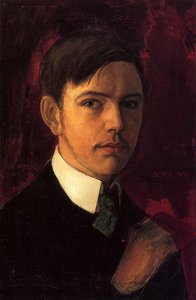
1887–1914, Германия
Август Маке
Ранние годы, семья и обучение История Августа Маке берет свое начало в немецком городке Мешеде, где 3 января 1887 года он увидел свет. Он был единственным сыном в семье Августа Фридриха Германа Макке, подрядчика и художника-любителя, и Марии Флорентины. Детство мальчика было неразрывно связано с переменчивой судьбой отцовской компании, из-за которой семья была вынуждена переезжать из Кёльна в Бонн. Уже в раннем возрасте в нем проявилась непреодолимая тяга к визуальному самовыражению: еще до поступления в официальную академию он проводил время, делая наброски и создавая декорации для школьных постановок, находя способ переносить окружающий мир на бумагу.
Другие работы Август Маке
 Женщина в зеленом пальто1913
 Батающие девушки на фоне города1913
 Художественная мастерская1913
 Portrait of the Artist's Wife with Hat1909

Эссе к произведению Vegetable fields
 August Macke: Expressionist Visions of Harmony & Modern LifeExplore the vibrant Expressionist paintings of August Macke (1887-1914). Discover his key role in Der Blaue Reiter, Fauvist influences, and…
 Топ-10 шедевров экспрессионизма: искусство, изменившее мир | OriginalUniqueArtПогрузитесь в мир экспрессионизма! Откройте топ-10 шедевров Мунка, Кирхнера и других гениев XX века. Узнайте истории создания культовых кар…
 Brushes of Anguish: The Psychological Landscape of Emotional Distress in Post-Impressionist ArtExplore the profound psychological depth of Post-Impressionist masters. Discover how color and form mirror human emotion.