

 Примерить в интерьере
 Отправить
 Поделиться
 Подробнее
 Руководство

 Скачать
 Похожие объекты
 Рентгенография
 Слайд-шоу
 Статистика
Bathsheba
 Baroque Realism
 258.0 x 218.0 cm
 Новый дворец (Neues Palais)
 Развернуть текст
Масляная репродукция ручной работы
Картина маслом на холсте в выбранном вами размере и раме, написанная на заказ нашими художниками. ( Переключиться на печать Перейти к цифровым изображениям)




P118B $10

P118H $10

P118W $10

P438Z $10

P508JH $12

P508YH $12

P805H $10

P805Z $10

P919BZ $10

P919G $10

P919XJ $10

P959ZH $10

P968JZ $12

W106C $8

W218G $10

W218JH $8

W218Y $10

W307PJ $10

W316G $10

W316PJ $8

W316Y $10

W398PJ $8

W4111J $10

W500HY $15

W500JH $15

W692G $12

W849H $8

W940BG $15

W953PJ $8




Выберите один из наших стандартных размеров, соответствующих оригинальным пропорциям произведения искусства.

Введите необходимую ширину и высоту, чтобы репродукция подошла к вашей раме или стене. Поскольку работа выполняется вручную, при изменении пропорций художник может немного увеличить область вокруг картины или, наоборот, обрезать края — выбор за вами. Перед началом работы мы пришлем вам цифровой макет на утверждение. Изображение на этой странице не является точным результатом — увидеть реальный вид можно только на макете.
После оформления заказа команда OriginalUniqueArt.com свяжется с клиентом по электронной почте для уточнения деталей и предоставит предварительный макет
Доставка по всему миру () за 3–4 недели вместо стандартных 5 недель. (24 Октябрь). Без компромиссов в качестве.

Бесплатная экспресс-доставка по всему миру

Высококачественный льняной холст

Полное страхование при транспортировке

Гарантия возврата таможенных пошлин

Гарантия точного цветового соответствия

100-дневный период возврата (только при обнаружении дефектов)

Гарантия возврата 100% средств

Скидка при заказе нескольких работ
 Вариант со стеклом доступен только для размеров менее 110 см

Bathsheba
Материал репродукции
Размер репродукции
-


Итоговая стоимость
$ 300
Artemisia Gentileschi’s “Bathsheba”: A Portrait of Resilience and Caravaggio’s Shadow
OriginalUniqueArt.com presents a breathtaking hand-painted reproduction of Artemisia Gentileschi's enigmatic "Bathsheba," a work steeped in the drama and emotional intensity that defined the artist’s extraordinary career. Dating from an unknown period, this painting offers a compelling glimpse into a pivotal biblical narrative – the story of Bathsheba, David’s loyal wife after his adulterous affair – filtered through Gentileschi's masterful lens. The scene unfolds with a palpable sense of quiet contemplation and underlying tension, immediately drawing the viewer into its complex emotional landscape.
Caravaggism at its Finest: Light, Shadow, and Human Drama
Born in Rome in 1593, Artemisia Gentileschi was a product of her father, Orazio Gentileschi’s, artistic tutelage. Heavily influenced by the revolutionary realism championed by Caravaggio, Artemisia inherited his signature style – a dramatic use of tenebrism, where stark contrasts between light and dark sculpt the forms and heighten the emotional impact. Observe how Gentileschi expertly manipulates light to focus attention on Bathsheba herself, subtly illuminating her face and gestures while casting the surrounding figures in deeper shadow. This technique isn’t merely stylistic; it serves to underscore the vulnerability and quiet strength of the central figure, a hallmark of Caravaggio's approach to portraying biblical subjects.
- Tenebrism: The dramatic use of light and dark creates a powerful sense of drama.
- Realism: Gentileschi’s commitment to realistic depiction – evident in the textures of clothing, the expressions on faces – grounds the biblical story in a tangible human experience.
- Composition: The carefully arranged figures contribute to the overall narrative tension and invite contemplation about Bathsheba's internal struggle.
Symbolism and Narrative Depth: A Complex Scene
The painting’s composition is rich with symbolic detail, reflecting the complexities of the biblical story. The presence of multiple women – standing close together, engaged in conversation – suggests a network of relationships and potential alliances. The carefully placed objects—the bowls, cups, and vases—are not merely decorative; they evoke a sense of domesticity and perhaps hint at the social rituals surrounding Bathsheba’s position. While the exact narrative context remains open to interpretation, it is widely believed that this scene depicts the aftermath of David's sin, a moment of reflection and potential judgment. The painting powerfully conveys the emotional weight of guilt, loyalty, and the consequences of transgression.
A Masterpiece of Emotional Resonance – Perfect for Your Space
This hand-painted reproduction captures not just an image but the very soul of Artemisia Gentileschi’s artistic vision. Measuring 258 x 218 cm, this artwork commands attention and adds a touch of historical gravitas to any interior space. Its dramatic composition, masterful use of light and shadow, and profound emotional depth make it a truly exceptional piece for art collectors, design enthusiasts, and anyone seeking to infuse their surroundings with the power and beauty of Baroque artistry. OriginalUniqueArt.com offers this stunning reproduction as a testament to Artemisia’s legacy – a legacy of courage, talent, and enduring artistic impact.
Вопросы и ответы
Можно ли приобрести «Bathsheba» в виде художественной репродукции?
Принт работы «Bathsheba», Джентилески можно заказать прямо на её странице Художественная печать: художественная печать на хлопковом холсте или архивной холст-бумаге.
В каком музее хранится оригинал «Bathsheba»?
Оригинал произведения «Bathsheba», Джентилески хранится в Новый дворец (Neues Palais), Потсдам, Германия. Репродукция позволяет украсить этим шедевром ваш дом.
Кто создал "Bathsheba"?
Авторство работы «Bathsheba» приписывается Джентилески.
Биография художника
A Daughter of Rome: The Life and Art of Artemisia Gentileschi
Artemisia Gentileschi’s name echoes through the halls of art history, resonating not simply as that of a painter, but as an emblem of resilience, defiance, and extraordinary artistic talent in a world determined to silence female voices. Born in Rome in 1593, she entered a milieu steeped in artistry—her father, Orazio Gentileschi, was a respected painter deeply influenced by the revolutionary realism of Caravaggio. From her earliest years, Artemisia’s gift was undeniable, nurtured within her father's workshop where she absorbed techniques of composition and the dramatic use of light and shadow that would become hallmarks of her distinctive style. This formative training wasn’t merely about mastering brushstrokes; it was an immersion into a world of artistic ambition, one typically closed to women. Recognizing his daughter’s exceptional talent, Orazio provided opportunities unavailable to most females of the era, allowing her to study from life models—a crucial step in developing anatomical accuracy and expressive power.Shadows and Strength: Artistic Development
Gentileschi's artistic development was profoundly shaped by Caravaggio’s tenebrism—the stark contrast between light and darkness that imbued his paintings with an intense emotionality. Yet, she didn’t simply mimic her father or Caravaggio; she forged her own unique voice, characterized by a raw psychological depth and a compelling focus on female subjects often depicted with unprecedented agency and strength. Even in her early works, like *Susanna and the Elders* (1610), a biblical scene depicting Susanna being spied upon by two lecherous old men, Artemisia’s interpretation diverges from traditional portrayals. Here, Susanna isn't passively vulnerable; she displays a quiet dignity and resistance, foreshadowing the powerful female figures that would dominate her later oeuvre. The painting is not merely a depiction of seduction but an assertion of moral fortitude against predatory behavior. But it is *Judith Slaying Holofernes* (existing in multiple versions between 1614-1620) that cemented her reputation as a master of dramatic narrative and psychological realism. This monumental work, often considered her masterpiece, depicts Judith’s decisive act with brutal honesty—a visceral portrayal of violence tempered by the woman's unwavering determination. The composition is dynamic, filled with movement and tension, capturing both the horror of the scene and the righteous fury driving Judith’s actions. Her use of color is particularly striking: deep reds and blacks dominate, creating a sense of drama and foreboding, while subtle highlights draw attention to key details—Judith's focused gaze, Holofernes’s vulnerable posture.A Trial by Fire: Trauma and Triumph
Artemisia’s life was irrevocably altered by a horrific event: her rape at the hands of Agostino Tassi, a fellow painter and colleague of her father. The ensuing trial (1611-1612) became a public spectacle, subjecting Artemisia to grueling questioning and societal scrutiny. The details of the assault were revealed in excruciating detail, fueled by accusations of fabrication and attempts to undermine her credibility. Despite this ordeal, Artemisia bravely testified against Tassi, presenting compelling evidence of his guilt. While she was ultimately acquitted, the trial left an indelible mark on her psyche and her art. The experience fostered a deep-seated distrust of men and a profound understanding of the vulnerability of women in a patriarchal society. Many scholars believe that this trauma is directly reflected in her later works, particularly those depicting female figures facing adversity or asserting their power. It’s important to note that while the trial was a significant event, it's crucial to approach the historical record with sensitivity and acknowledge the complexities surrounding the case. The legal proceedings were deeply flawed, reflecting the biases of the time, but Artemisia’s courage in speaking out against injustice remains an inspiring testament to her resilience.A Pioneer in Florence and Beyond
Following the trial, Artemisia married a little-known Florentine artist named Pietro Antonio di Vicenzo Stiattesi. With her new husband, she relocated to Florence, where she established herself as an independent artist and gained recognition for her skill and originality. In 1616, she achieved another milestone: becoming the first woman admitted to the Accademia del Disegno in Florence—a testament to her talent and perseverance. This achievement was not merely symbolic; it opened doors for future generations of female artists. Gentileschi’s career extended beyond Florence, encompassing commissions in Genoa, Venice, Naples, and even London. She worked for prominent patrons, including the Medici family, and established a thriving workshop, proving that women could not only excel as artists but also succeed in a traditionally male-dominated profession. Her style evolved over time, incorporating influences from various artistic traditions while retaining her distinctive dramatic realism.Legacy of a Revolutionary Artist
Artemisia Gentileschi’s paintings are celebrated today for their emotional depth, dramatic realism, and powerful depictions of women—not as passive objects but as active agents in their own narratives. Her work continues to resonate with audiences worldwide, challenging conventional representations of female characters and offering a glimpse into the life and struggles of a remarkable artist. She painted not just with her hands, but with her soul, leaving an indelible mark on the world of art. Her story serves as a potent reminder of the importance of recognizing and celebrating the contributions of women throughout history—and of ensuring that their voices are never silenced again.Key Works
- Judith Slaying Holofernes (1614-1620): Perhaps her most famous work, showcasing dramatic realism and female empowerment.
- Susanna and the Elders (1610): An early masterpiece demonstrating her unique interpretation of a classic biblical scene.
- Judith and Her Maidservant (1625): A compelling portrayal of female solidarity and strength after a violent act.
- Danaë (c. 1636-1639): A sensual and psychologically complex depiction of the mythological figure.

Джентилески
1593 - 1656 , Италия
Краткая справка
- Artistic Movement Or Style: Барокко
- Artists Or Movements Influenced By This Artist:
- Феминистское искусство
- Барочные художники
- Artists Who Influenced This Artist:
- Караваджо
- Оrazio Джентилески
- Date Of Birth: 1593
- Date Of Death: 1656
- Full Name: Артемизия Джентилески
- Nationality: Итальянская
- Notable Artworks:
- Юдифь и Олоферн
- Сусанна и старцы
- Даная
- Place Of Birth: Рим, Италия
Похожие статьи

Beyond the Shadows: The Powerful Legacies of Artemisia Gentileschi and Berthe Morisot
Explore the profound legacies of Artemisia Gentileschi and Berthe Morisot. Discover how these female masters redefined the Baroque and Impressionist eras through dramatic chiaroscuro and luminous light in this expert art-history guide for collectors and enthusiasts.

10 Шедевров Барокко: Искусство, изменившее мир | OriginalUniqueArt.com
Погрузитесь в мир барокко! 10 шедевров Караваджо, Рембрандта и других великих художников. Узнайте историю создания культовых картин и найдите идеальную репродукцию для вашего интерьера на OriginalUniqueArt.com
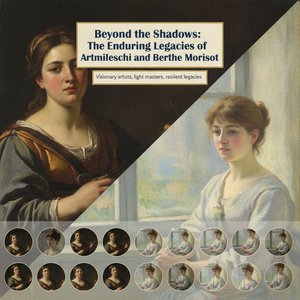
Beyond the Shadows: The Resurgence of Female Masters Artemisia Gentileschi and Berthe Morisot
Explore the profound resurgence of female masters Artemisia Gentileschi and Berthe Morisot. Discover how their revolutionary use of light, shadow, and intimacy redefined art history and continues to inspire sophisticated modern collections.
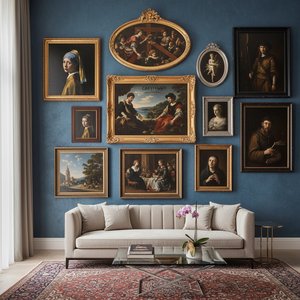
10 Шедевров Барокко: Живопись, изменившая мир искусства | OriginalUniqueArt
Погрузитесь в мир барокко! 10 шедевров Караваджо, Рубенса, Рембрандта и Вермеера. Узнайте историю создания культовых картин и вдохновитесь для оформления интерьера. Репродукции музейного качества на OriginalUniqueArt.com.

Beyond the Shadows: The Powerful Legacies of Artemisia Gentileschi and Berthe Morisot
Explore the profound legacies of Artemisia Gentileschi and Berthe Morisot. Discover how these female masters redefined the Baroque and Impressionist eras through dramatic chiaroscuro and luminous light, leaving an indelible mark on art history and modern aesthetics.


