
 Предпросмотр
 Поделиться
 Поделиться
 Детали произведения

 Скачать
 Похожие работы
 Рентгенография
 Слайд-шоу
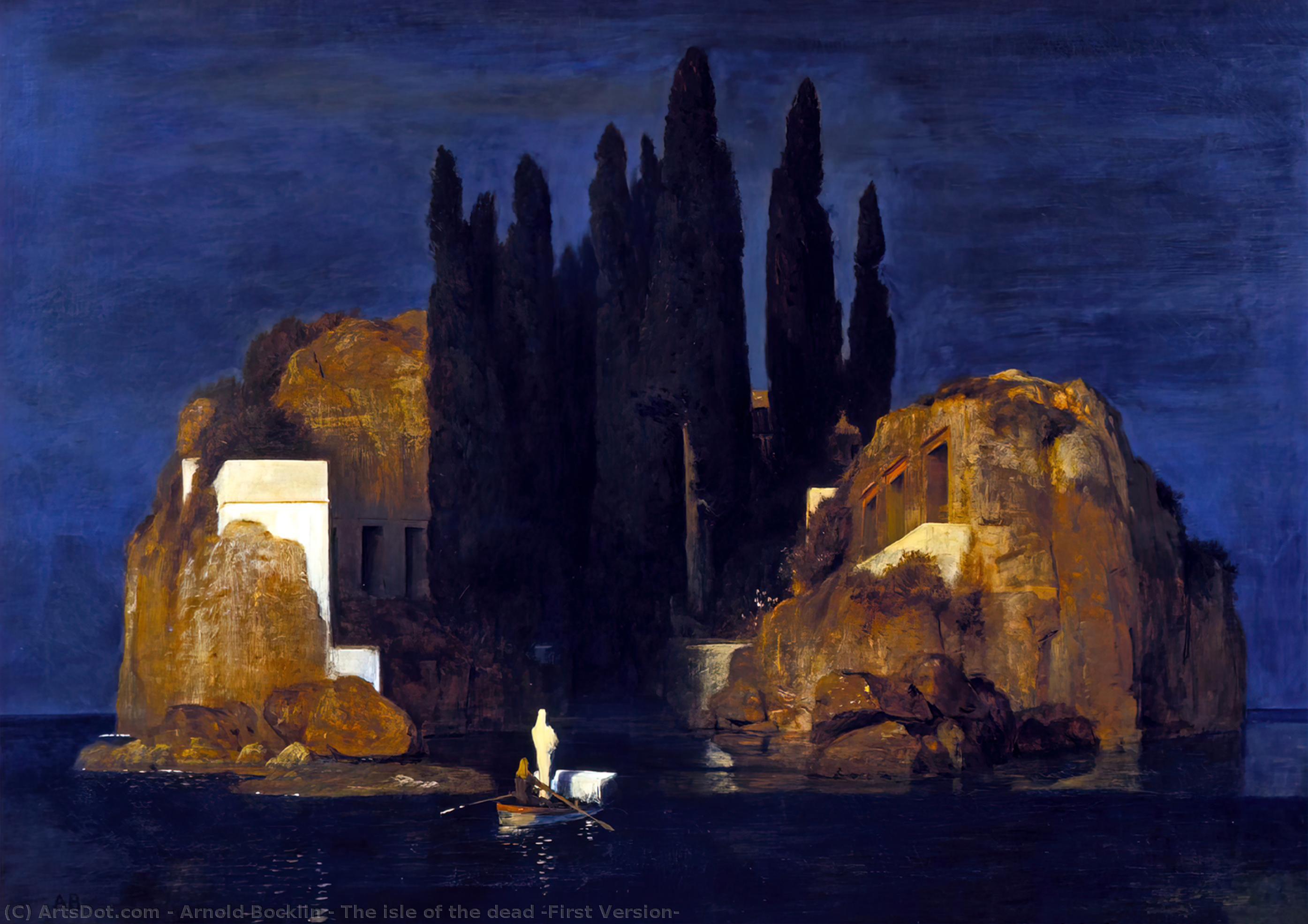
The isle of the dead (First Version)
 Oil On Canvas
- WallArt
- Symbolist Movement
 1880
1880- 19th Century
 111.0 x 155.0 cm
 Öffentliche Kunstsammlung
 Читать далее
Масляная репродукция ручной работы
Картина маслом на холсте в выбранном вами размере и раме, написанная на заказ нашими художниками. ( Купить принт Купить изображение)




P118B $10

P118H $10

P118W $10

P438Z $10

P508JH $12

P508YH $12

P805H $10

P805Z $10

P919BZ $10

P919G $10

P919XJ $10

P959ZH $10

P968JZ $12

W106C $8

W218G $10

W218JH $8

W218Y $10

W307PJ $10

W316G $10

W316PJ $8

W316Y $10

W398PJ $8

W4111J $10

W500HY $15

W500JH $15

W692G $12

W849H $8

W940BG $15

W953PJ $8




Выберите один из наших стандартных размеров, соответствующих оригинальным пропорциям произведения искусства.

Вы можете указать собственные размеры, чтобы картина идеально вписалась в выбранную раму или пространство. Если выбранный вами размер не соответствует пропорциям оригинала, мы либо обрежем полотно, либо расширим его за счет дополнительных элементов, написанных вручную. Цифровой макет будет отправлен вам на утверждение перед началом производства.
Обратите внимание, что предварительный просмотр на экране не отражает фактическую обрезку или расширение. Только макет точно покажет окончательную композицию.
Хотя доступны индивидуальные размеры, мы рекомендуем выбирать вариант из предопределенного списка, чтобы сохранить исходные пропорции.
После оформления заказа команда OriginalUniqueArt.com свяжется с клиентом по электронной почте для уточнения деталей и предоставит предварительный макет
Доставка по всему миру () за 3–4 недели вместо стандартных 5 недель. (22 Август). Без компромиссов в качестве.

Бесплатная экспресс-доставка по всему миру

Высококачественный льняной холст

Полное страхование доставки

Гарантия возмещения таможенных пошлин

Гарантия точного соответствия цветов

Политика возврата в течение 60 дней (только при наличии дефектов)

Гарантия возврата 100% средств

Предложение оптовых скидок
 Вариант со стеклом доступен только для размеров менее 110 см

The isle of the dead (First Version)
Техника репродукции
Размер репродукции
-


Итоговая стоимость
$ 300
Описание произведения
A Journey into the Sublime: The Enigmatic World of Böcklin
In the quiet, shadowed corridors of art history, few images possess the haunting magnetism of Arnold Böcklin’s The Isle of the Dead (First Version). Completed in the early 1880s, this masterpiece serves as a profound gateway into the Symbolist movement, where the artist’s brush seeks not to mirror reality, but to evoke the intangible whispers of the soul. As one gazes upon this monumental canvas, they are immediately transported to a realm of profound stillness and spectral beauty. The scene is dominated by a desolate, rocky islet, rising sharply from dark, turbulent waters like a monument to the eternal. Towering cypress trees, those ancient sentinels of mourning, pierce the heavy atmosphere, their dark silhouettes anchoring the composition in a state of perpetual twilight. It is an immersive experience that invites the viewer to step away from the clamor of the modern world and enter a space of deep, meditative contemplation.
The emotional resonance of the work lies in its masterful use of chiaroscuro—the dramatic interplay between light and shadow. Böcklin employs a meticulous oil painting technique, utilizing smooth gradations of color to create an atmospheric gloom that feels almost tactile. The water, dark and brooding, seems to swallow the light, while the starkness of the rocks provides a sense of unyielding permanence. This technical precision allows for a palpable sense of mystery; every ripple in the water and every shadow cast by the cypress trees contributes to a narrative of solitude and transition. For the collector or interior designer, this painting offers more than mere decoration; it provides a focal point of immense gravity, capable of anchoring a room with its somber elegance and sophisticated depth.
Symbolism and the Voyage of the Soul
Beyond its striking aesthetic, the painting is a rich tapestry of mythological and folkloric references. The lone rowing boat, approaching the shore with a shrouded figure at its helm, serves as a powerful metaphor for the final journey of the deceased. Scholars often draw parallels to the classical myth of Charon, the ferryman of Hades, suggesting that this islet is a destination within the underworld itself. This interpretation imbues the work with a universal weight, touching upon the shared human experience of mortality and the mystery of what lies beyond the veil. The cypress trees, traditionally associated with cemeteries and grief, reinforce this theme of remembrance and the cyclical nature of life and death.
Böcklin himself remained famously elusive regarding his specific intentions, allowing the painting to remain an open vessel for individual interpretation. This ambiguity is precisely what gives the work its enduring power; it is a mirror for the viewer's own emotions, whether they find peace in its stillness or trepidation in its shadows. To possess a high-quality reproduction of this work is to invite a piece of the sublime into one's personal space—a constant reminder of the beauty found in the ephemeral and the profound strength found in silence. It is an ideal acquisition for those who appreciate art that challenges the intellect while deeply stirring the heart.
Биография художника
Arnold Böcklin (1827–1901)
Arnold Böcklin, a Swiss Symbolist painter, was born on October 16, 1827, in Basel, Switzerland. His father, Christian Frederick Böcklin, descended from an old family of Schaffhausen and engaged in the silk trade. Ursula Lippe, Arnold’s mother, was a native of the same city. He studied at Düsseldorf Academy under Schirmer, becoming a friend of Anselm Feuerbach. Böcklin is associated with the Düsseldorf school of painting.Early Life and Training
Arnold Böcklin's artistic journey began early in Basel where he received his initial training from Ludwig Adam Kelterborn. Recognizing his exceptional talent, Schirmer encouraged him to pursue studies at Düsseldorf Academy, fostering a connection with Feuerbach that would profoundly influence his worldview. This formative period instilled in him an appreciation for classical art and landscape painting—particularly the brooding grandeur of Caspar David Friedrich—which would permeate his subsequent works. Böcklin’s fascination with German Romanticism served as a cornerstone for his artistic development.Artistic Career and Symbolism
Böcklin's career unfolded across Europe, encompassing Paris, Antwerp, and Rome, where he absorbed the stylistic innovations of the Impressionists and Renaissance masters alike. He established himself as professor at Weimar Art School, honing his skills and experimenting with new techniques. Böcklin’s distinctive style—characterized by dreamlike landscapes infused with mythological imagery—became synonymous with Symbolism. His magnum opus, *The Isle of the Dead* (1880–1886), captivated audiences and inspired composers like Rachmaninoff, cementing his place as a pivotal figure in late Romantic art. Böcklin’s exploration of mortality and subconsciousness resonated deeply with artists of his time and continues to inspire contemplation today.Notable Works
Böcklin's oeuvre is marked by iconic paintings such as *Nymph and Satyr* (1858), *Sappho* (1859), *Self-Portrait with Death Playing the Violin* (1872), and of course, *The Isle of the Dead*, which exists in five versions. These works exemplify Böcklin’s masterful command of composition and color—often employing muted palettes to evoke a sense of melancholy and mystery. His meticulous attention to detail captured the ethereal beauty of nature and conveyed profound psychological themes.Legacy and Influence
Böcklin's influence extended beyond his immediate contemporaries, shaping the artistic sensibilities of subsequent generations. Clement Greenberg hailed Böcklin’s work as “one of the most consummate expressions” of its time, recognizing its pioneering role in bridging Romanticism and Symbolism. His distinctive vision anticipated the surrealist aesthetic of the 20th century, demonstrating an uncanny ability to tap into universal anxieties about death and existence. Böcklin's enduring legacy resides not only in his artistic achievements but also in his contribution to the intellectual discourse surrounding art and symbolism—a testament to his profound understanding of human psychology and the power of imagery. ## Museums and Collections Böcklin’s artworks are housed in prestigious institutions worldwide, including Öffentliche Kunstsammlung Basel (Basel, Switzerland), Kunstmuseum Basel (Switzerland), and Museum Kunsthaus Zürich (Zürich, Switzerland). Visiting these museums offers a valuable opportunity to immerse oneself in the artist's artistic universe and appreciate the enduring fascination with his haunting landscapes and symbolic narratives.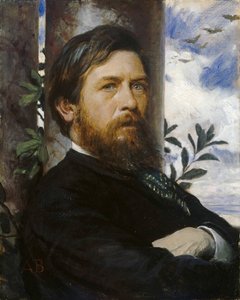
Арнольд Бёклин
1827 - 1901 , Швейцария
Основные сведения
- Artistic Movement Or Style: Символизм
- Artists Or Movements Influenced By This Artist:
- Ганс Фома
- Прерафаэлиты
- Artists Who Influenced This Artist:
- Ширмер
- Фейербах
- Date Of Birth: 16 октября 1827 г.
- Date Of Death: 16 января 1901 г.
- Full Name: Арнольд Бёклин
- Nationality: Швейцарский
- Notable Artworks:
- Остров мёртвых
- Нимфа и сатир
- Сапфо
- Портрет самого себя
- Place Of Birth: Базель, Швейцария
Похожие статьи

Echoes of Absence: Loss & Grief in Visual Art Through the Ages
Explore the profound history of grief in art, from Renaissance masterpieces to contemporary expressions. Discover how artists have captured loss, mourning, and mortality through powerful imagery & symbolism. OriginalUniqueArt offers expert insights.
Символизм в живописи: 10 шедевров, изменивших искусство | OriginalUniqueArt
Погрузитесь в мир символизма! 10 шедевров Мунка, Моро, Климта и других великих художников. Узнайте историю создания культовых картин и найдите идеальную репродукцию для вашего интерьера на OriginalUniqueArt.com.
Иероним Босх: Топ-25 шедевров гения нидерландской живописи | OriginalUniqueArt
Погрузитесь в мир гения Иеронима Босха! 25 культовых картин нидерландского Ренессанса, полных символизма и фантастических образов. Узнайте историю создания шедевров и найдите идеальную репродукцию для вашего интерьера на OriginalUniqueArt.com.
Iconic Art of the 18th & 19th Centuries: Masterpieces for Your Home | OriginalUniqueArt
Journey through 18th & 19th century art! Explore iconic masterpieces by Monet, Van Gogh & more. Discover the stories behind these timeless paintings and find museum-quality reproductions for your home at OriginalUniqueArt.com.
Thomas Barker of Bath: Landscape Painting & Societal Reflection in Early 19th-Century England
Explore the life & work of Thomas Barker of Bath, a key figure in 19th-century English Romanticism. Discover his Parisian success, iconic paintings like 'The Bride of Death', and lasting artistic legacy. Learn more at OriginalUniqueArt.


