

 Примерить в интерьере
 Отправить
 Поделиться
 Подробнее
 Руководство

 Скачать
 Похожие объекты
 Рентгенография
 Слайд-шоу
 Статистика
Centaur at the Village Blacksmith's Shop
 Oil On Canvas
- WallArt
- Symbolist Painting
 1888
1888- 19th Century
 100.0 x 80.0 cm
 Музей искусств Будапешта
 Развернуть текст
Жикле / Арт-принты
Печать (жикле) или холст музейного качества с быстрыми сроками изготовления и широким выбором вариантов отделки. ( Заказать репродукцию ручной работы Перейти к цифровым изображениям)




P118B $10

P118H $10

P118W $10

P438Z $10

P508JH $12

P508YH $12

P805H $10

P805Z $10

P919BZ $10

P919G $10

P919XJ $10

P959ZH $10

P968JZ $12

W106C $8

W218G $10

W218JH $8

W218Y $10

W307PJ $10

W316G $10

W316PJ $8

W316Y $10

W398PJ $8

W4111J $10

W500HY $15

W500JH $15

W692G $12

W849H $8

W940BG $15

W953PJ $8




Выберите один из наших стандартных размеров, соответствующих оригинальным пропорциям произведения искусства.

Вы можете указать свои собственные размеры, чтобы репродукция идеально подошла под конкретную раму или пространство. Если выбранный вами размер не будет соответствовать пропорциям оригинала, мы либо обрежем произведение, либо дополним изображение зеркальным отражением краев или однотонной заливкой. Перед началом производства вам будет отправлен цифровой макет для утверждения.
Пожалуйста, обратите внимание, что предварительный просмотр на экране не отображает фактическую обрезку или расширение изображения. Только макет точно покажет финальную композицию.
Несмотря на возможность заказа индивидуальных размеров, мы рекомендуем выбирать размер из предопределенного списка, чтобы сохранить оригинальные пропорции.
Доставка по всему миру () за 2 недели вместо стандартных 4–5 недель. (25 Сентябрь)

Бесплатная экспресс-доставка по всему миру

Высококачественный льняной холст

Полное страхование при транспортировке

Гарантия возврата таможенных пошлин

Гарантия точного цветового соответствия

100-дневный период возврата (только при обнаружении дефектов)

Гарантия возврата 100% средств

Скидка при заказе нескольких работ
 Вариант со стеклом доступен только для размеров менее 110 см

Centaur at the Village Blacksmith's Shop
Жикле / Арт-принты
Размер репродукции
-


Итоговая стоимость
$ 80
A Moment Frozen in Mythic Time
In the quietude of Arnold Böcklin’s 1888 masterpiece, “Centaur at the Village Blacksmith's Shop,” the boundaries between the mundane and the miraculous dissolve into a single, haunting tableau. As a cornerstone of the Symbolist movement, this work transcends mere representation to explore the profound psychological depths of the human condition. The scene presents a striking juxtaposition: the rhythmic, grounded labor of a village blacksmith’s forge set against the presence of a solitary centaur. This half-man, half-horse figure, engaged in the seemingly ordinary task of shoeing a horse, introduces an unsettling tension into the rural tranquility. Böcklin masterfully uses a palette of muted browns, greys, and earthy tones to create an atmosphere of palpable stillness, inviting the viewer to step into a world where the echoes of classical antiquity still resonate within the heart of modern civilization.
The technical brilliance of the piece lies in Böcklin’s command of chiaroscuro, the dramatic interplay between light and shadow that breathes life into the textures of the blacksmith's shop. Every detail—from the solidity of the forge to the heavy, weathered tools—is rendered with a meticulousness that emphasizes the permanence of human industry. Yet, this stability is interrupted by the centaur’s gaze, which pierces through the canvas to meet the viewer directly. This connection is laden with melancholy, hinting at a hidden narrative of lost innocence and the struggle between primal instinct and civilized intellect. For the discerning collector or interior designer, the painting offers more than just visual beauty; it provides a window into the duality of existence, making it a profound focal point for any space dedicated to contemplation and intellectual depth.
Symbolism and the Echoes of Antiquity
To gaze upon this artwork is to engage in a dialogue with the very essence of myth. Böcklin draws heavily from classical mythology to weave a complex tapestry of meaning, utilizing the centaur as a potent symbol of untamed nature and raw, instinctual knowledge. In the context of the blacksmith's shop—a symbol of human reason, artistry, and the established order—the centaur represents the enduring power of our primal origins that refuses to be fully tamed by progress. This tension between the wild and the civilized is what gives the painting its enduring emotional resonance.
For those seeking to infuse their homes with art that tells a story, this reproduction serves as an evocative piece of decor. It captures a sense of nostalgia for a perceived era of simplicity while simultaneously challenging the viewer with its mythological complexity. Whether placed in a grand library or a quiet study, the painting’s ability to evoke both peace and profound inquiry makes it an incomparable addition to a curated collection. It is not merely a depiction of a scene, but an invitation to explore the complexities of our own nature through the lens of a master who understood the silent language of symbols.
Биография художника
Arnold Böcklin (1827–1901)
Arnold Böcklin, a Swiss Symbolist painter, was born on October 16, 1827, in Basel, Switzerland. His father, Christian Frederick Böcklin, descended from an old family of Schaffhausen and engaged in the silk trade. Ursula Lippe, Arnold’s mother, was a native of the same city. He studied at Düsseldorf Academy under Schirmer, becoming a friend of Anselm Feuerbach. Böcklin is associated with the Düsseldorf school of painting.Early Life and Training
Arnold Böcklin's artistic journey began early in Basel where he received his initial training from Ludwig Adam Kelterborn. Recognizing his exceptional talent, Schirmer encouraged him to pursue studies at Düsseldorf Academy, fostering a connection with Feuerbach that would profoundly influence his worldview. This formative period instilled in him an appreciation for classical art and landscape painting—particularly the brooding grandeur of Caspar David Friedrich—which would permeate his subsequent works. Böcklin’s fascination with German Romanticism served as a cornerstone for his artistic development.Artistic Career and Symbolism
Böcklin's career unfolded across Europe, encompassing Paris, Antwerp, and Rome, where he absorbed the stylistic innovations of the Impressionists and Renaissance masters alike. He established himself as professor at Weimar Art School, honing his skills and experimenting with new techniques. Böcklin’s distinctive style—characterized by dreamlike landscapes infused with mythological imagery—became synonymous with Symbolism. His magnum opus, *The Isle of the Dead* (1880–1886), captivated audiences and inspired composers like Rachmaninoff, cementing his place as a pivotal figure in late Romantic art. Böcklin’s exploration of mortality and subconsciousness resonated deeply with artists of his time and continues to inspire contemplation today.Notable Works
Böcklin's oeuvre is marked by iconic paintings such as *Nymph and Satyr* (1858), *Sappho* (1859), *Self-Portrait with Death Playing the Violin* (1872), and of course, *The Isle of the Dead*, which exists in five versions. These works exemplify Böcklin’s masterful command of composition and color—often employing muted palettes to evoke a sense of melancholy and mystery. His meticulous attention to detail captured the ethereal beauty of nature and conveyed profound psychological themes.Legacy and Influence
Böcklin's influence extended beyond his immediate contemporaries, shaping the artistic sensibilities of subsequent generations. Clement Greenberg hailed Böcklin’s work as “one of the most consummate expressions” of its time, recognizing its pioneering role in bridging Romanticism and Symbolism. His distinctive vision anticipated the surrealist aesthetic of the 20th century, demonstrating an uncanny ability to tap into universal anxieties about death and existence. Böcklin's enduring legacy resides not only in his artistic achievements but also in his contribution to the intellectual discourse surrounding art and symbolism—a testament to his profound understanding of human psychology and the power of imagery. ## Museums and Collections Böcklin’s artworks are housed in prestigious institutions worldwide, including Öffentliche Kunstsammlung Basel (Basel, Switzerland), Kunstmuseum Basel (Switzerland), and Museum Kunsthaus Zürich (Zürich, Switzerland). Visiting these museums offers a valuable opportunity to immerse oneself in the artist's artistic universe and appreciate the enduring fascination with his haunting landscapes and symbolic narratives.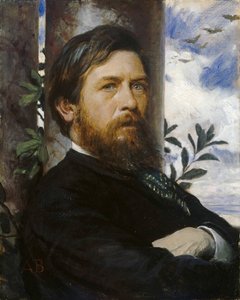
Арнольд Бёклин
1827 - 1901 , Швейцария
Краткая справка
- Artistic Movement Or Style: Символизм
- Artists Or Movements Influenced By This Artist:
- Ганс Фома
- Прерафаэлиты
- Artists Who Influenced This Artist:
- Ширмер
- Фейербах
- Date Of Birth: 16 октября 1827 г.
- Date Of Death: 16 января 1901 г.
- Full Name: Арнольд Бёклин
- Nationality: Швейцарский
- Notable Artworks:
- Остров мёртвых
- Нимфа и сатир
- Сапфо
- Портрет самого себя
- Place Of Birth: Базель, Швейцария
Похожие статьи
Evoking Arcadia: A Historical & Aesthetic Exploration of Rural Landscape Art
Explore the rich history of pastoral landscape art, from classical Arcadia to Impressionism & beyond. Discover key artists, movements, and how to collect serene rural scenes for your home. Expert insights at OriginalUniqueArt.

Cultivating Visions: A Historical Journey Through Rural Landscapes in Art
Explore the rich history of rural landscape painting with OriginalUniqueArt. Discover Impressionist masterpieces, key artists & movements. Find your perfect serene artwork and bring nature's beauty home.

Evocations of Place: A Historical Journey Through Landscape Art
Explore the rich history of landscape art with OriginalUniqueArt. Discover renowned artists, movements like Impressionism & Romanticism, and expert guidance for collecting timeless pieces. Find your perfect serene escape today!

Джон Констебль: 25 шедевров английского пейзажа для вашего интерьера
Погрузитесь в мир английского пейзажа с Джоном Констеблом! 25 шедевров романтизма, история создания картин и вдохновение для вашего интерьера. Репродукции высокого качества на OriginalUniqueArt.com – искусство для ценителей.

Романтический пейзаж: 10 шедевров, изменивших искусство | OriginalUniqueArt.com
Погрузитесь в мир романтического пейзажа! 10 шедевров Фридриха, Тёрнера и других гениев. Узнайте историю создания культовых картин и вдохновитесь для декора интерьера. Репродукции высокого качества на OriginalUniqueArt.com.
