- Главная

- Цифровое изображение
- arcangelo ianelli
- Untitled
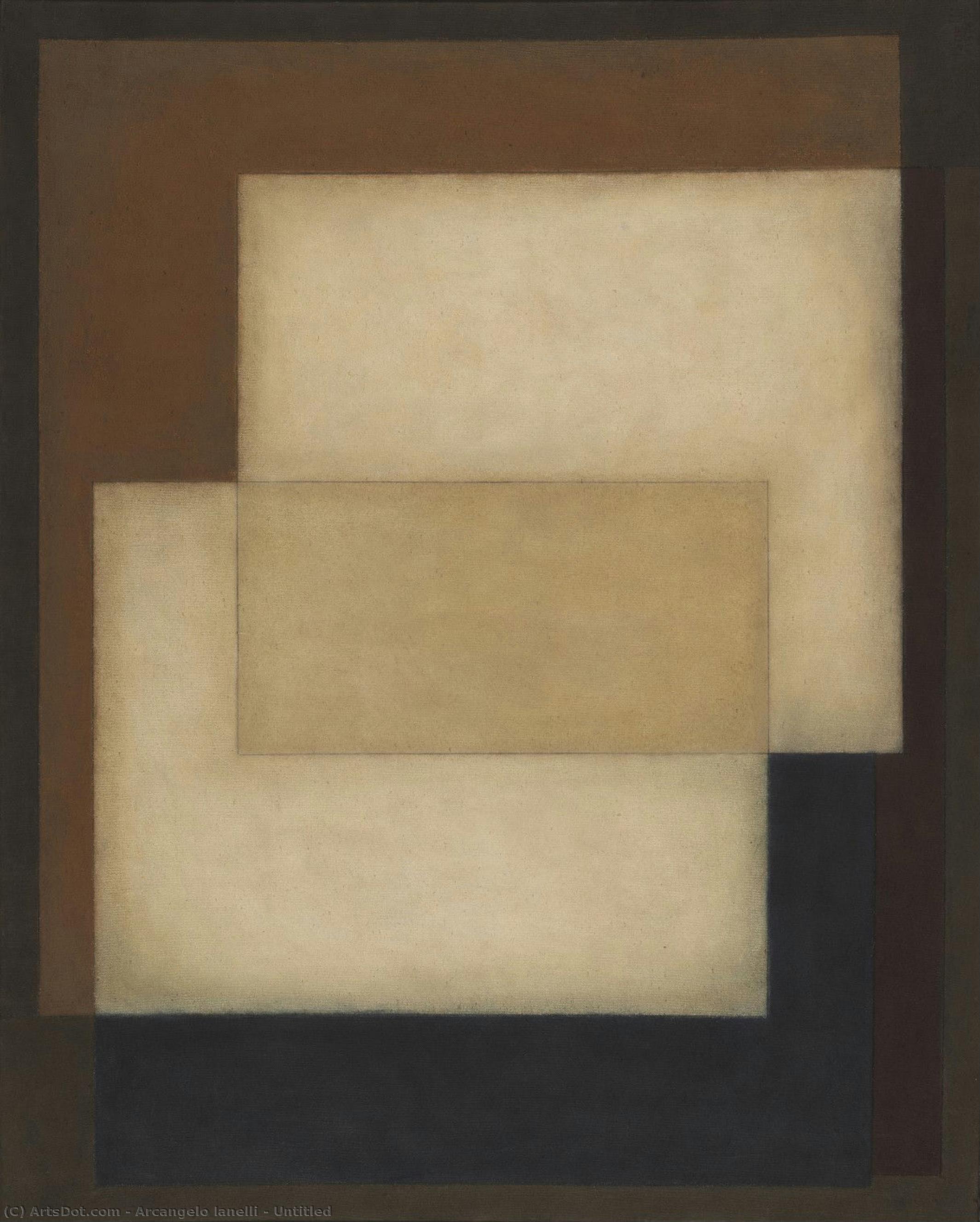
 Preview
 Поделиться
 Поделиться
 Детали произведения

 Скачать
 Похожие работы
 Рентгенография
 Слайд-шоу
Untitled


 Читать далее
Приобретите цифровое изображение высокого разрешения в улучшенном качестве, которое значительно превосходит онлайн-превью.
Каждый файл тщательно подготавливается нашими специалистами с использованием передовых инструментов и экспертной ручной ретуши. Мы гарантируем исключительную четкость, точную цветопередачу и детальную проработку каждого изображения.
Финальный файл доставляется по электронной почте в течение 72 часов и оптимизирован для немедленного использования в профессиональной среде, при верстке и печати. Это тот же уровень качества, которому доверяют ведущие дизайнерские студии, издательства и галереи.
Цифровое изображение
Скачайте файл высокого разрешения для личного использования, печати и творческих проектов. ( Switch to Print Switch to hand made Painting)
Включено в каждый заказ цифровых изображений
Гарантия экспертной цифровой доставки
Выбирая OriginalUniqueArt.com, вы получаете не просто изображение — вы приобретаете профессионально обработанное цифровое произведение искусства, созданное с безупречной точностью и под защитой гарантии качества. Вот всё, что автоматически входит в ваш заказ:

Мгновенная доставка по e-mail
Ваш цифровой файл в высоком разрешении будет отправлен вам по электронной почте в течение 72 часов после оформления заказа — и сразу станет доступен для использования.

Цифровой файл с ИИ-улучшением
Ваше произведение искусства проходит профессиональную оптимизацию с использованием передовых инструментов ИИ и ручной обработки, что гарантирует максимальную детализацию, четкость и точность цветопередачи.

Бессрочная бесплатная повторная доставка
Случайно удалили или потеряли файл? Не беспокойтесь — мы отправим его вам повторно в любое время и совершенно бесплатно.

Без импортных пошлин — навсегда
Наслаждайтесь вашим произведением искусства мгновенно без таможенных пошлин, сборов или затрат на доставку — цифровые загрузки всегда не облагаются налогом.

Гарантия точности цветопередачи
Мы гарантируем, что ваше цифровое изображение максимально точно передает оригинальные цвета благодаря использованию профессиональных инструментов и систем управления цветом.

Гарантия удовлетворения в течение 60 дней
Если вы останетесь не удовлетворены покупкой цифрового изображения, мы внесем в него правки или вернем 100% стоимости в течение 60 дней — без лишних вопросов.

100% Гарантия возврата средств
Не удовлетворены покупкой? Мы гарантируем полный возврат средств в течение 60 дней после получения вашего цифрового файла — без лишних вопросов.

Скидки на оптовые заказы
Купите 3 изображения, сэкономьте 10% — Купите 5, сэкономьте 15% — Купите 10+, сэкономьте 20%. Отличное решение для творческих проектов, галерей и агентств.
Биография художника
Early Life and Artistic Beginnings
Arcangelo Ianelli, born in São Paulo, Brazil, in 1922, embarked on a lifelong journey of artistic exploration that would firmly establish him as a significant figure within the Brazilian abstract art scene. Though largely self-taught, his early dedication to drawing was nurtured by foundational studies in perspective at the São Paulo Association of Fine Arts in 1940 and brief guidance from Colette Pujol in private painting lessons during 1942. However, it was a six-month period spent in Waldemar da Costa’s studio around 1944 that proved particularly formative, introducing him to artists like Lothar Charoux, Hermelindo Fiaminghi, and Maria Leontina—a network of peers who would shape his early artistic development. From the outset, Ianelli demonstrated a commitment to technique, even as he forged an independent path, prioritizing self-discovery over rigid academic constraints.
The Grupo Guanabara Years and Transition to Abstraction
The 1950s marked a pivotal period in Ianelli’s career with his involvement in the Grupo Guanabara. This collective of 34 artists—many of whom were Italian or Japanese immigrants, or their descendants—provided a crucial platform for emerging talents and fostered an environment of shared experimentation. Alongside Manabu Mabe, Yoshiya Takaoka, and Tikashi Fukushima, Ianelli began to move away from figurative representation towards the possibilities of abstraction. His early works from this period often depicted everyday scenes, urban landscapes, and seascapes, but even within these representational forms, a tendency toward formal synthesis and a restrained chromatic palette hinted at his evolving aesthetic sensibilities. The transition wasn’t abrupt; paintings like “Arvoredo” and “Casas,” both created in 1960, reveal figures undergoing geometric simplification—a first step towards the non-objective explorations that would define much of his later work.
Exploring the Essence of Form and Color
Ianelli’s artistic pursuit was characterized by a relentless search for what he termed “the indispensable.” As he delved deeper into abstraction, his canvases became fields for investigating the fundamental properties of form and color. The 1960s saw the emergence of works like “Três Forms” (1963), where irregular rectangles in muted tones were painted onto dark backgrounds, emphasizing the materiality of paint itself. This exploration intensified throughout the decade with the “Grafismos” series, where Ianelli thickened canvases with incised lines, creating tactile surfaces reminiscent of rock formations—a testament to his interest in natural textures and their interplay with abstract composition. He wasn’t merely abandoning representation; he was seeking a deeper, more essential language through pure visual means.
Geometry, Light, and the Pursuit of Emotional Space
The 1970s witnessed Ianelli's increasing engagement with geometric abstraction, drawing parallels to concretism. Compositions became structured around repeating shapes and regular alternations, generating optical effects that imbued his paintings with a sense of movement. Simultaneously, he experimented with “Transparencies,” employing tempera to create diaphanous layers of color—subtle overlaps of squares and rectangles that evoked luminosity. This period marked a shift towards prioritizing light as a central element in his work. By the 1980s, Ianelli began to relinquish defined contours altogether, allowing fields of color to expand toward the edges of the canvas, creating an immersive experience for the viewer. As curator Denise Mattar eloquently observes, his large canvases became “fields of vibration of light where color is expanded…creating an emotional space, an atmosphere that involves the spectator with a poetic emotion.”
Legacy and Historical Significance
Arcangelo Ianelli’s work stands as a testament to the power of sustained artistic inquiry. His dedication to abstraction wasn't merely stylistic; it was a philosophical pursuit—a quest for essential forms and colors that transcended the limitations of representation. His involvement with Grupo Guanabara helped shape the landscape of Brazilian modernism, fostering dialogue and experimentation among a diverse group of artists. The preservation of his legacy by his children, Katia and Rubens Ianelli, has ensured that future generations can appreciate the depth and nuance of his work. Ianelli’s paintings continue to resonate with viewers today, offering a compelling vision of abstraction as a means of evoking profound emotional responses and exploring the very essence of visual experience. His influence extends beyond painting, impacting sculpture and illustration, solidifying his position as an “essential artist” within the rich tapestry of Brazilian art history.

arcangelo ianelli
1922 - 2009 , Brazil
Основные сведения
- Artistic Movement Or Style: Abstract painting
- Date Of Birth: July 18, 1922
- Date Of Death: May 26, 2009
- Full Name: Arcangelo Ianelli
- Nationality: Brazilian
- Place Of Birth: São Paulo, Brazil

