Примерить в интерьере
 Отправить
 Поделиться
 Подробнее
 Руководство

 Скачать
 Похожие объекты
 Рентгенография
 Слайд-шоу
 Статистика
Self-Portrait
 Oil On Canvas
- WallArt
- Neoclassical Style
 1775
1775 102.0 x 77.0 cm
 Эрмитаж
 Развернуть текст
Жикле / Арт-принты
Печать (жикле) или холст музейного качества с быстрыми сроками изготовления и широким выбором вариантов отделки. ( Заказать репродукцию ручной работы Перейти к цифровым изображениям)




P118B $10

P118H $10

P118W $10

P438Z $10

P508JH $12

P508YH $12

P805H $10

P805Z $10

P919BZ $10

P919G $10

P919XJ $10

P959ZH $10

P968JZ $12

W106C $8

W218G $10

W218JH $8

W218Y $10

W307PJ $10

W316G $10

W316PJ $8

W316Y $10

W398PJ $8

W4111J $10

W500HY $15

W500JH $15

W692G $12

W849H $8

W940BG $15

W953PJ $8




Выберите один из наших стандартных размеров, соответствующих оригинальным пропорциям произведения искусства.

Введите необходимую ширину и высоту, чтобы репродукция подошла к вашей раме или стене. При печати изображение можно только уменьшить, но нельзя увеличить больше оригинала, поэтому при выборе другого формата часть изображения может быть обрезана. Перед печатью мы отправим вам цифровой макет на утверждение. Изображение на этой странице не отображает реальную обрезку — ее можно увидеть только на макете.
Доставка по всему миру () за 2 недели вместо стандартных 4–5 недель. (28 Октябрь)

Бесплатная экспресс-доставка по всему миру

Высококачественный льняной холст

Полное страхование при транспортировке

Гарантия возврата таможенных пошлин

Гарантия точного цветового соответствия

100-дневный период возврата (только при обнаружении дефектов)

Гарантия возврата 100% средств

Скидка при заказе нескольких работ
 Вариант со стеклом доступен только для размеров менее 110 см

Self-Portrait
Жикле / Арт-принты
Размер репродукции
-


Итоговая стоимость
$ 80
A Window into Baroque Reflection: Examining Mengs’ “Self Portrait”
Anton Raphael Mengs' "Self Portrait," completed in 1775, stands as a pivotal emblem of the burgeoning Neoclassical movement while simultaneously retaining the dramatic chiaroscuro characteristic of Baroque artistry. Executed during a period marked by intellectual ferment – the Enlightenment – this painting transcends mere likeness; it embodies a profound meditation on artistic identity and the pursuit of classical ideals amidst stylistic upheaval. The artwork resides within the esteemed Hermitage Museum in St. Petersburg, Russia, ensuring its preservation for generations to come.- Subject Matter: The portrait depicts Mengs himself seated three-quarters to right on a chair draped with opulent damask fabric—a deliberate choice reflecting the grandeur of aristocratic patronage prevalent at the time. His gaze is directed intently outwards, suggesting contemplation or perhaps focused engagement in scholarly pursuits.
- Style & Technique: Mengs skillfully employs Baroque techniques blended with Neoclassical principles. The dramatic lighting – a hallmark of chiaroscuro – sculpts the figure’s form and emphasizes his facial features, creating an atmosphere of solemn seriousness. Brushstrokes are visible, demonstrating meticulous attention to detail and conveying textural richness.
- Historical Context: Mengs' oeuvre emerged during a crucial juncture in European art history. The Baroque era was waning, superseded by the ascendance of Neoclassicism championed by figures like Jacques-Louis David. This painting represents a conscious effort to reconcile stylistic traditions—the expressive dynamism of Baroque with the rational clarity and idealized beauty associated with antiquity.
- Symbolism: Beyond its visual representation, “Self Portrait” carries symbolic weight. The chair symbolizes stability and authority, mirroring Mengs’ position as a respected artist within European intellectual circles. The portfolio held by Mengs signifies his dedication to artistic scholarship and the dissemination of classical knowledge—a core tenet of Enlightenment thought.
- Emotional Impact: The painting evokes a sense of introspection and quiet dignity. Mengs' gaze conveys both confidence and vulnerability, inviting viewers to contemplate themes of self-awareness and artistic ambition. Its subdued palette contributes to an overall feeling of contemplative solemnity.
Further Exploration & Artistic Inspiration
Mengs’ “Self Portrait” serves as a compelling reminder that artistic innovation often arises from honoring the legacies of past masters. Consider how artists today can draw inspiration from classical ideals—particularly the emphasis on proportion, balance, and harmonious composition—while simultaneously experimenting with contemporary techniques to achieve expressive depth. The Hermitage Museum's masterful reproduction offers an unparalleled opportunity to experience this iconic artwork firsthand.Resources for Collectors & Interior Designers
Interested in acquiring a high-quality replica of Mengs’ “Self Portrait”? Explore OriginalUniqueArt.com for exceptional prints and canvases crafted with archival pigments—guaranteeing enduring beauty and authenticity. Furthermore, consider incorporating elements reminiscent of the painting's palette and textural qualities into interior design schemes to create spaces imbued with serenity and intellectual curiosity.Вопросы и ответы
Цвета в работе "Self-Portrait" кажутся насыщенными или приглушенными?
Насыщенность цветов в работе «Self-Portrait» составляет Balanced. Насыщенность описывает, насколько выраженными кажутся цвета.
Какое чувство передает «Self-Portrait», Антон Рафаэль Мэнс?
Передаваемое настроение работы «Self-Portrait», Антон Рафаэль Мэнс — Classic, а её эмоциональный тон — Reflective.
Как я могу посмотреть «Self-Portrait», Антон Рафаэль Мэнс в режиме слайд-шоу?
Слайд-шоу к произведению «Self-Portrait» можно посмотреть на странице Слайд-шоу этого произведения.
Биография художника
Мост между мирами: Жизнь и искусство Антона Рафаэля Мэнса
Антон Рафаэль Мэнс явился миру в удивительную эпоху европейского искусства — в то время, когда пышные изыски рококо начали уступать место обновленному стремлению к классическим идеалам. Рожденный в 1728 году в Усти-над-Лабем, Богемия (регион, ныне входящий в состав Чехии), он прошел творческий путь, глубоко сформированный как его происхождением, так и интеллектуальными течениями Просвещения. Его отец, Исмаил Мэнс, датский живопирец, нашедший покровительство при дворе Дрездена, рано разглядел исключительный талант юного Антона. Это признание привело к решающему событию в 1741 году: переезду в Рим, где начинающий художник погрузился в изучение античных шедевров и работ мастеров Ренессанса, таких как Рафаэль. Именно этот опыт навсело запечатлел его эстетические чувства, привив ему глубокое почтение к классической форме, ясности и композиции — качествам, которые стали визитными карточками его зрелого стиля. Первые годы были посвящены кропотливому копированию, которое было не просто упражнением в технике, но глубоким актом художественного паломничества, впитывающим саму суть гения Рафаэля.От Дрездена до Мадрида: Карьера при великих дворах
Карьера Мэнса разворачивалась на нескольких выдающихся европейских дворах, каждый из которых оставил свой уникальный отпечаток на его творческом развитии. В 1749 году он занял престижную должность придворного живописца Фридриха Августа, курфюрста Саксонии — роль, обеспечившая ему как финансовую стабильность, так и свободу сохранять свою базу в Риме, эпицентре его художественного вдохновения. Однако именно фрески по-настоящему утвердили его репутацию. «Парнас» в Вилле Альбани в Риме, завершенный около 1761 года, мгновенно стал сенсацией, получив признание за гармоничную композицию, элегантные фигуры и тонкое, но мощное воплощение классической мифологии. Эта работа не была просто декоративным украшением; она стала манифестом — осознанной попыткой синтезировать барочное величие с зарождающимися принципами неоклассицизма. За этим последовали новые заказы, включая великолепную фреску, украшающую купол церкви Сант-Эусебио в Риме, демонстрирующую его мастерство в монументальной декорации и пространственной иллюзии. Пожалуй, самым амбициозным его начинанием стало приглашение испанского двора в 1761 году. Он отправился в Мадрид, где перед ним была поставлена задача украсить несколько королевских дворцов, что увенчалось созданием великолепного потолка Банкетного зала Королевского дворца — работы, считающейся одним из его величайших достижений, демонстрирующей поразительную способность сочетать итальянскую элегантность с испанским чувством прекрасного.Связь с Винкельманом: Формирование неоклассической мысли
Творческая эволюция Мэнса не была продиктована лишь визуальными исследованиями; она была тесно переплетена с интеллектуальным дискурсом. Решающим поворотным моментом стало его близкое дружеское общение и сотрудничество с Иоганном Иоахимом Винкельманом, первопроходцем в области истории искусств, чьи труды стали фундаментом неоклассического движения. Винкельман выступал за возвращение к воспринимаемой чистоте и простоте древнегреческого искусства, проповедуя эстетику, основанную на разуме, порядке и идеализированных формах. Мэнс не просто иллюстрировал теории Винкельмана; он активно участвовал в их формировании, переводя абстрактные концепции в осязаемые художественные выражения. Вместе они верили, что истинная красота заключается не в поверхностном орнаменте, а в основополагающих принцилярах гармонии и пропорции, найденных в античности. Это партнерство вышло за рамки теоретических дискуссий; оно проявилось в самих полотнах Мэнса, которые все чаще отражали акцент Винкельмана на благородной простоте и сдержанности эмоций. Влияние было взаимным: труды Винкельмана предоставили философскую основу для художественных поисков Мэнса, в то время как искусство Мэнса служило визуальным доказательством жизнеспособности — и красоты — неоклассических идеалов.Наследие и влияние: Пионер своей эпохи
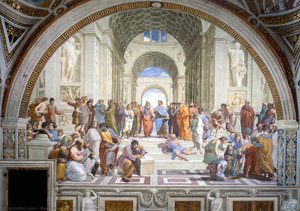
Антон Рафаэль Мэнс скончался в Риме в 1779 году, оставив после себя наследие, выходящее далеко за пределы его впечатляющего творческого наследия. Он был больше чем просто живописцем; он был ключевой фигурой перехода от одной художественной эры к другой. Несмотря на укорененность в барочной традиции — что заметно в его драматичном использовании света и тени и мастерстве иллюзорных техдей — Мэнс смело принял зарождающиеся принципы неоклассицизма, проложив путь таким художникам, как Жак-Луи Давид и Антонио Канова. Его акцент на классических идеалах в сочетании с техническим виртуозством утвердил его как ведущую силу в формировании искусства XVIII века. «Афинская школа», написанная для герцога Нортумберлендского, служит свидетельством его способности синтезировать исторический прецедент с современными художественными чувствами. Помимо живописи и фресок, влияние Мэнса распространялось на образование; он занимал пост директора Ватиканской школы живописи, взращивая новое поколение художников, пропитанных классическими принципами. Он был сложной фигурой — набожным католиком, который при этом был вовлечен в идеи Просвещения, художником, балансирующим между традицией и новаторством. Его жизнь и творчество представляют собой захватывающее пересечение художественного мастерства, интеллектуального любопытства и исторических обстоятельств, закрепляя за ним место истинного первопроходца неоклассического искусства. Его влияние резонирует и сегодня, напоминая нам о непреходящей силе классических идеалов вдохновлять и преображать художественное выражение.
Антон Рафаэль Мэнс
1728 - 1779 , Чехия
Краткая справка
- Artistic Movement Or Style: Неоклассицизм
- Artists Or Movements Influenced By This Artist: ['Жан Жозеф Виньельман']
- Artists Who Influenced This Artist: ['Рафаэль']
- Date Of Birth: 12 марта 1728 г.
- Date Of Death: 29 июня 1779 г.
- Full Name: Антон Рафаэль Мэнс
- Nationality: Немецкий
- Notable Artworks: ['Студия Афин']
- Place Of Birth: Усть-надельба
Похожие статьи

The Enduring Legacy of Fine Art Prints: Technique, History & Aesthetic Impact
Explore the rich history & techniques of fine art prints. Discover investment potential, assess authenticity, and learn how to preserve your collection with expert guidance. Trusted insights for discerning collectors.

Giclée Prints: Archival Quality & Aesthetic Nuances for the Discerning Collector
Explore the world of giclée prints with OriginalUniqueArt. Learn about archival quality, aesthetic nuances & investment potential. Expert guidance for discerning art collectors seeking museum-quality reproductions and lasting value.

The Dramatic Flourish: Exploring the Baroque Movement's Enduring Legacy in Art History
Explore the dramatic world of Baroque art! Discover iconic artists like Caravaggio & Rubens, defining techniques, and its lasting impact on art history. Expert insights for collectors & enthusiasts at OriginalUniqueArt.

10 Шедевров Барокко: Искусство, изменившее мир | OriginalUniqueArt.com
Погрузитесь в мир барокко! 10 шедевров Караваджо, Рембрандта и других великих художников. Узнайте историю создания культовых картин и найдите идеальную репродукцию для вашего интерьера на OriginalUniqueArt.com

The Visceral Stage: Exploring Dramatic Narratives & Emotional Intensity in Baroque Art
Explore the dramatic world of Baroque art! Discover iconic masters like Caravaggio & Rembrandt, their techniques, and the movement's lasting impact. Expert insights for collectors & enthusiasts at OriginalUniqueArt.