

 Примерить в интерьере
 Отправить
 Поделиться
 Подробнее
 Руководство

 Скачать
 Похожие объекты
 Рентгенография
 Слайд-шоу
 Статистика
Adrian divov

 Развернуть текст
Жикле / Арт-принты
Печать (жикле) или холст музейного качества с быстрыми сроками изготовления и широким выбором вариантов отделки. ( Заказать репродукцию ручной работы Перейти к цифровым изображениям)




































Выберите один из наших стандартных размеров, соответствующих оригинальным пропорциям произведения искусства.

Введите необходимую ширину и высоту, чтобы репродукция подошла к вашей раме или стене. При печати изображение можно только уменьшить, но нельзя увеличить больше оригинала, поэтому при выборе другого формата часть изображения может быть обрезана. Перед печатью мы отправим вам цифровой макет на утверждение. Изображение на этой странице не отображает реальную обрезку — ее можно увидеть только на макете.
Доставка по всему миру () за 2 недели вместо стандартных 4–5 недель. (27 Октябрь)

Бесплатная экспресс-доставка по всему миру

Высококачественный льняной холст

Полное страхование при транспортировке

Гарантия возврата таможенных пошлин

Гарантия точного цветового соответствия

100-дневный период возврата (только при обнаружении дефектов)

Гарантия возврата 100% средств

Скидка при заказе нескольких работ
 Вариант со стеклом доступен только для размеров менее 110 см

Adrian divov
Жикле / Арт-принты
Размер репродукции
-


Итоговая стоимость
$ 80
Биография художника
Жизнь, запечатленная в портретах: мир Антона Граффа
Антон Графф, родившийся в 1736 году в швейцарском Винтертуре, стал одним из самых прославленных портретистов своей эпохи — периода, отмеченного интеллектуальным подъемом Просвещения и зарождением эстетики неоклассицизма. Его история — это не просто хроника художественного мастерства, но захватывающее путешествие скворезь социальные и культурные ландшафты Европы XVIII и начала XIX веков, тесно переплетенное с судьбами величайших умов того времени. Путь Граффа начинался скромно: первые уроки он получил в Винтертуре под руководством Иоганна Ульриха Шелленберга, прежде чем отправиться в Аугсбург, где его талант быстро превзошел возможности местных мастеров. Вынужденный искать новые горизонты из-за зависти менее одаренных современников, он нашел наставничество у Иоганна Якоба Хайда, а позже — у Леонарда Шнайдера в Ансбахе, оттачивая свое мастерство и впитывая разнообразные художественные влияния. Этот ранний опыт привил ему не только техническую точность, но и стойкость, ставшую отличительной чертой его карьеры. Частые поездки в Мюнхен позволили ему изучить шедевры прошлого, заложив фундамент его самобытного стиля — уникального сочетания тщательной детализации, психологической проницательности и зарождающегося неоклассического чувства.От придворного живописца Дрездена до летописца эпохи
Переломный момент в карьере Граффа наступил в 1766 году, когда он был назначен придворным художником саксонского курфюрста в Дрездене. Этот пост принес ему не только финансовую стабильность, но и доступ к яркому интеллектуальному кругу и постоянному потоку выдающихся заказчиков. Он быстро стал главным портретистом ключевых фигур немецкого Просвещения, запечатлев на холсте таких личностей, как Фридрило Шиллер, Кристоф Виллибальд Глюк, Готтхольд Эфраим Лессинг, Мозес Мендельсон и Иоганн Готфрид Гердер. Это не были просто портретные сходства; Графф обладал поразительной способностью уловить внутренний мир своих героев — их интеллект, страсти и уязвимости. Он не просто писал лица; он документировал интеллектуальную революцию. Его работы стали визуальным воплощением философских и художественных течений эпохи. Приглашение от Кристиана Людвига фон Хагедорна, директора Дрезденской художественной академии, поначалу было встречено самим Граффом с долей сомнения, что говорит о его скромности вопреки неоспоримому таланту. В конечном итоге именно автопортрет помог ему утвердиться в должности, продемонстрировав уверенность и мастерство, которые нашли глубокий отклик при дворе.Мастер света, тени и социальных нюансов
Художественная техника Граффа отличалась виртуозным владением светом и тенью, на что значительное влияние оказали работы Яна Купецкого, чьи полотна он усердно изучал. Этим навыком он пользовался, чтобы акцентировать внимание на лицах своих моделей, наделяя их глубиной и психологической сложностью. Однако Графф не был слеп к социальным условностям своего времени: фокусируясь на лицах мужчин, он часто деликатно подчеркивал декольте женщин, следуя эстетическим ожиданиям той поры. Его внимание к деталям выходило за пределы человеческой фигуры, охватывая текстуру тканей и драпировок с точностью, напоминающей французских придворных живописцев, таких как Иакинф Риго. Если поначанию он предпочитал монохромные фоны, то позже обратился к пейзажным фонам, что отражало растущую моду на английский портрет. Стоимость его работ зависела не только от времени, затраченного на картину, но и от сложности облачения заказчика — свидетельство важности социального статуса и материального достатка в тот период. Будучи тонким наблюдателем человеческой природы, он оставил после себя очаровательные анекдоты, например, о том, как трудно Шиллеру было сохранять неподвижность во время позирования, что раскрывает как его терпение, так и проницательный взгляд.Наследие и историческое значение
Влияние Антона Граффа распространялось далеко за пределы портретного жанра. Будучи преподавателем в Дрезденской художественной академии, он взрастил таланты будущих поколений художников, включая Эмму Кёрнер, Филиппа Отто Рунге и Карла Людвига Кааза. Его творчество представляет собой важнейший мост между стилями рококо и неоклассицизма, воплощая в себе одновременно элегантность и орнаментальность первого с ясностью и сдержанностью второго. За свою жизнь он написал почти 1000 портретов, создав бесценную визуальную летопись немецкого Просвещения. Пожалуй, его самым прославленным творением является портрет Фридриха Великого — шедевр, созданный без единого прямого позирования короля. Графф искусно наблюдал за монархом во время военных парадов, с поразительной точностью передав его властную манеру и стальной взгляд. Эта картина, хранящаяся в замке Шарлоттенбург, остается культовым образом прусской мощи и лидерства. Наследие Антона Граффа живет не только в его потрясающих портретах, но и как свидетельство способности искусства запечатлеть дух целой эпохи. Он был больше чем просто живописцем; он был летописцем, социальным комментатором и мастером человеческого воплощения, чьи работы продолжают находить отклик в сердцах зрителей и сегодня.Неизгладимое впечатление
Несмотря на заманчивые предложения от других академий, включая берлинскую, Графф остался верен Дрездену, укрепив свое положение ведущего портретиста Германии на протяжении конца XVIII и начала XIX веков. Его круг клиентов выходил за пределы немецкого дворянства, охватывая российскую, польскую и балтийскую аристократию, что еще больше упрочило его международную репутацию. Он был любимцем поэтов, музыкантов, дипломатов и ученых — людей, которые ценили его умение передать их суть на холсте. Портреты Граффа служат уникальным окном в поворотный период европейской истории, давая бесценное представление о жизни, мыслях и стремлениях тех, кто сформировал эпоху Просвещения и заложил основы романтизма. Его творчество является вечным памятником способности портрета выйти за рамки простого изображения и стать глубоким выражением человеческого опыта.
Антон Графф
1736 - 1813 , Швейцария
Краткая справка
- Artistic Movement Or Style: Неоклассицизм
- Artists Or Movements Influenced By This Artist: ['Гиацинт Ригау']
- Artists Who Influenced This Artist:
- Йохан Юлий Шеленберг
- Йохан Якоб Хайд
- Date Of Birth: 1736 г.
- Full Name: Антон Графф
- Nationality: Швейцарец
- Notable Artworks:
- Портрет Фридриха Великого
- Портреты Шиллера и Глюка
- Place Of Birth: Зимтурхен, Швейцария
Похожие статьи

The Rococo Aesthetic: Opulence, Rebellion & the Pursuit of Pleasure in 18th-Century Art
Explore the opulent world of Rococo art! Discover its origins, key artists like Watteau & Boucher, and lasting influence on design. Expert insights for collectors & enthusiasts.

Illuminating the Enlightenment: A Comprehensive Exploration of 18th-Century Painting
Explore the captivating world of 18th-century painting! Discover Rococo's playful elegance & Neoclassicism’s Enlightenment ideals with expert insights into Fragonard, David, and more. A comprehensive guide for art enthusiasts.

Топ-10 шедевров рококо: искусство, изменившее интерьеры | OriginalUniqueArt.com
Погрузитесь в мир рококо! Откройте для себя 10 шедевров искусства от Watteau, Boucher и Fragonard. Узнайте историю создания культовых картин и вдохновитесь для декора интерьера. Репродукции высокого качества на OriginalUniqueArt.com.
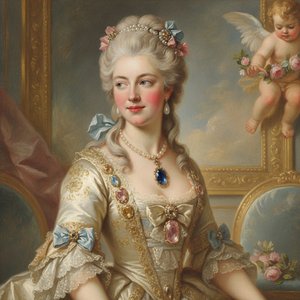
Rococo Portraits: The Ultimate Guide to Pastel Luxury, Opulence, and High-Impact Aesthetic Glamour
Discover the breathtaking elegance of Rococo portraits. Explore a world of pastel luxury, luminous textures, and aristocratic grace through expert analysis of 18th-century masterpieces. Elevate your space with the timeless opulence of high-impact, hand-painted fine art.
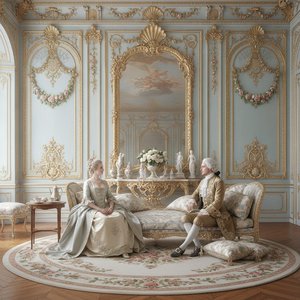
Rococo Art Guide: Elegance, Ornamentation, and the Era of Luxury
Explore the elegance of Rococo art. From Watteau to Fragonard, discover the history, aesthetics, and masters of 18th-century luxury in this expert guide for art lovers and collectors.
