Baroque Art · 1604
Triptych (Аннибале Карраччи, 1604)
Аннибале Карраччи (1560–1609) создал(а) Triptych. Создано в 1604. Относится к направлению Baroque Art. Хранится в Галерея Национальной античной живописи в Рим, Италия. Размер: 37 × 24 cm
- 1604
- 37 × 24 cm
- Галерея Национальной античной живописи, Рим

 Предпросмотр

 Картина маслом ручной работы
 Поделиться
 Поделиться
 Информационный лист


 Скачать
 Похожие предметы
 Рентгенография
 Слайд-шоу
 Вопросы и ответы

 Статистика просмотров
Triptych вкратце
- Название
- Triptych
- Автор
- Аннибале Карраччи (1560–1609)
- Дата рождения художника
- Болонья, Италия
- Дата
- 1604
- Размеры
- 37 × 24 cm
- Где посмотреть
- Галерея Национальной античной живописи, Рим, Италия
- Движение
- Baroque Art
- Сюжет
- triptych, annibale carracci, baroque, angels, allegory, copper
Что изображено на Triptych?
Annibale Carracci’s Triptych: A Baroque Masterpiece of Light, Faith, and Divine Order
Annibale Carracci's 1604 Triptych, currently housed within the Galleria Nazionale d'Arte Antica in Rome, stands as a pivotal example of the burgeoning Baroque style. More than simply a religious depiction, it’s a carefully orchestrated symphony of light, color, and symbolism—a testament to the artist’s mastery of composition and his deep understanding of both classical ideals and emerging emotional expression. This oil-on-copper painting, measuring 37 x 24 cm, invites viewers into a world where earthly beauty intertwines with divine grace, offering a profound meditation on faith, knowledge, and the very nature of existence.
Composition and Symbolism: A Dance of Allegory and Divine Presence
The triptych format itself is deeply rooted in religious tradition, allowing for a layered narrative to unfold. The central panel immediately draws the eye to an angelic figure, radiating serenity and holding aloft a book—a potent symbol of both Holy Scripture and the pursuit of divine knowledge. Surrounding this central emblem are cherubs, their youthful innocence adding a touch of ethereal joy to the scene. The left and right panels introduce allegorical figures engaged in distinct activities: one grasping a scroll or document, representing wisdom and law, while the other holds an object suggestive of power and authority. These flanking scenes aren’t merely decorative; they serve as crucial contextual elements, enriching the central theme with layers of meaning and inviting contemplation on the foundations of faith and governance.
Technique and Artistic Innovation: A Synthesis of Renaissance and Baroque
Carracci's skill is evident in every meticulously rendered detail. The use of light and shadow—a hallmark of Baroque art—is particularly striking, creating a dynamic sense of movement and emotion within the painted space. Notice how the light seems to emanate from an unseen source, illuminating the figures with a radiant glow while simultaneously casting deep shadows that heighten their three-dimensionality. The artist’s mastery extends beyond mere technique; he seamlessly blends elements of Florentine linear draftsmanship—inherited from his artistic lineage—with Venetian color and atmospheric effects, creating a unique style that revitalized Italian painting. The copper panel itself contributes to the work's luminosity, reflecting light in subtle ways that enhance its visual impact. The intricate details – the folds of the garments, the texture of hair, the play of light on skin – demonstrate an extraordinary level of observation and artistic control.
Historical Context and Artistic Legacy: A Bridge Between Eras
Annibale Carracci emerged from a vibrant artistic community in Bologna during the late 16th century, a period marked by a desire to move beyond the constraints of Mannerism. Alongside his brother Agostino and cousin Ludovico, he spearheaded the Accademia degli Incamminati, an institution dedicated to reviving High Renaissance ideals while embracing a more naturalistic approach. This ambitious project aimed to re-establish Italy as a leading force in European art. Carracci’s Triptych exemplifies this spirit of innovation, bridging the gap between the classical past and the emerging Baroque style. His work profoundly influenced subsequent generations of artists, shaping the course of Italian painting for decades to come, and continues to inspire awe and admiration today. As a masterpiece of Italian art, it stands as a powerful reminder of the enduring beauty and spiritual depth that can be achieved through masterful artistic skill.
Further Information: Explore more works by Annibale Carracci on OriginalUniqueArt.com, delve into the history of the Galleria Nazionale d'Arte Antica at OriginalUniqueArt.com, and discover other Baroque masterpieces such as Caravaggio’s *Crucifixion of Saint Peter* on WGA.hu.
В каком музее находится Triptych?
Галерея Национальной античной живописи
Рим, Италия
История Галереи Национальной античной живописи Галерея Национальной античной живописи была основана в 1893 году в самом сердце Италии — в Риме. Это величественное учреждение воплощено в двух самобытных пространствах: Палаццо Барберини и Палаццо Корсини. В этих стенах оживает история искусства, охватывающая путь от расцвета итальянского Возрождения до пышной и драматичной эпохи барокко.


Изображения в высоком разрешении: Triptych

Общественное достояние: художник умер в 1609.
Другие размеры, фрагменты и цитирование →Аннибале Карраччи, Triptych (1604), Галерея Национальной античной живописи. Общественное достояние
Ответы на вопросы о Triptych
Где можно увидеть оригинал «Triptych», Аннибале Карраччи?
Вы можете увидеть оригинал произведения «Triptych» в Галерея Национальной античной живописи, Рим, Италия.
В каком году было создано произведение «Triptych», Аннибале Карраччи?
«Triptych» датируется 1604 годом. Эта дата позволяет определить место произведения в творчестве Аннибале Карраччи и в контексте его эпохи.
Каковы реальные размеры произведения «Triptych», Аннибале Карраччи?
Размеры оригинала «Triptych», Аннибале Карраччи составляют 37 x 24 cm. Вы можете заказать репродукции в других размерах с сохранением тех же пропорций.
Что изображено на картине «Triptych»?
На полотне «Triptych», Аннибале Карраччи изображены: triptych, annibale carracci, baroque, angels, allegory, copper, renaissance, rome.
Является ли произведение «Triptych», Аннибале Карраччи общественным достоянием?
Произведение «Triptych», Аннибале Карраччи находится в общественное достояние — срок действия авторского права истёк. Этот статус определяет правила воспроизведения изображения данного произведения.
Какому художнику приписывают работу «Triptych»?
Автор произведения «Triptych» — Аннибале Карраччи. Работа внесена в каталог под именем Аннибале Карраччи.
К какому стилю относится «Triptych»?
«Triptych», Аннибале Карраччи относится к направлению Baroque Art. Это направление определяет стилистический контекст произведения.
К какому периоду творчества Аннибале Карраччи относится произведение «Triptych»?
«Triptych» относится к Baroque Maturity в творчестве Аннибале Карраччи. Данная классификация позволяет проследить развитие мастера.
В каком возрасте Аннибале Карраччи создал(а) «Triptych»?
Когда в 1604 году было создано произведение «Triptych», художнику Аннибале Карраччи (родившемуся в 1560) было 44 лет.
Об авторе, Аннибале Карраччи
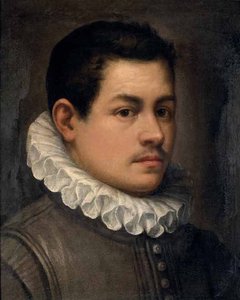
1560–1609, Италия
Аннибале Карраччи
Early Life and the Bolognese Roots Анна́биле Ка́рраччи, родившийся в Болонье 3 ноября 1560 года, вошел в историю как один из самых ярких и уважаемых художников Италии позднего XVI века. Его ранние годы прошли в семье, глубоко укоренившейся в художественной традиции. Вероятно, его первые уроки искусства он получил в семейной мастерской, заложив фундамент для карьеры, которая кардинально изменила облик итальянской живописи. Болонья того времени была оживленным центром интеллектуальной и художественной жизни, но при этом ощущалась как провинциальный город, отдалившийся от доминирующих течений, исходящих из Рима и Венеции.
Другие работы Аннибале Карраччи
 Едок бобов Солнце
 Выбор Геракла
 Речная Панорама1589
 Насмешение над Христом1596
Эссе к произведению Triptych
 The Architecture of Divinity: Tracing the Evolution of Angelic Iconography in Renaissance ArtExplore the evolution of angelic iconography from early Christian art to the Baroque. Trace the divine history with our expert analysis.
 25 Masterpieces by Sir Anthony van Dyck: The King of Baroque PortraitureStep into the elegance of the Baroque era with our curated guide to Sir Anthony van Dyck's top 25 masterpieces. Explore royal portraits and…
 Caravaggism and Bolognese Classicism: Two Paths of the BaroqueMaster the differences between Caravaggism and Bolognese Classicism. Explore the dramatic tension of the Baroque era now.