Baroque · 1592
Pan (Аннибале Карраччи, 1592)
Аннибале Карраччи (1560–1609) создал(а) Pan. Создано в 1592. Относится к направлению Baroque. Выполнено в технике Oil On Canvas. Хранится в Национальная галерея Виктории в Мельбурн, Австралия. Размер: 109 × 135 cm
- 1592
- Oil On Canvas
- 109 × 135 cm
- Национальная галерея Виктории, Мельбурн

 Предпросмотр

 Картина маслом ручной работы
 Поделиться
 Поделиться
 Информационный лист


 Скачать
 Похожие предметы
 Рентгенография
 Слайд-шоу
 Вопросы и ответы

 Статистика просмотров
Pan вкратце
- Название
- Pan
- Автор
- Аннибале Карраччи (1560–1609)
- Дата рождения художника
- Болонья, Италия
- Дата
- 1592
- Техника
- Oil On Canvas
- Размеры
- 109 × 135 cm
- Где посмотреть
- Национальная галерея Виктории, Мельбурн, Австралия
- Движение
- Baroque
- Сюжет
- pan, greek god, mythology, carracci, foreshortening, renaissance
Что изображено на Pan?
A Vision of Rustic Divinity: Annibale Carracci’s Pan
Annibale Carracci's "Pan," painted circa 1592, is not merely a depiction of the Greek god; it’s an embodiment of primal nature, a vibrant assertion of earthly delight rendered with breathtaking technical skill and imbued with the burgeoning spirit of the Bolognese school. This painting transcends simple portraiture, offering instead a glimpse into a world teeming with instinct, fertility, and the intoxicating allure of the wild. Commissioned by Cesare d'Este for his opulent Palazzo dei Diamanti in Ferrara – a palace itself reflecting the lavish tastes of the Renaissance court – “Pan” was intended to be part of a larger decorative scheme, a carefully orchestrated symphony of classical mythology designed to evoke grandeur and celebrate the power of the Este family.
Carracci’s genius lies in his masterful manipulation of perspective and color. The scene unfolds with a dramatic *di sotto in sù* foreshortening – a technique borrowed from earlier Renaissance masters but perfected by Carracci – that draws the viewer into the god's immediate presence. Pan, seated atop a ram or goat (the animal’s identity deliberately ambiguous), is presented not as an imposing deity, but as a youthful, almost mischievous figure. His pose is relaxed, his expression playful, and his limbs are rendered with a remarkable sense of naturalism that distinguishes this work from the more idealized depictions prevalent at the time. The rich palette – dominated by earthy reds, ochres, and greens – creates a tactile quality, inviting the viewer to almost feel the warmth of the Italian sun on Pan’s skin and the rough texture of his attire.
The Language of Symbolism
Pan, in Greek mythology, is the god of shepherds, flocks, wild animals, music, and revelry. He embodies the untamed spirit of nature, a force both alluring and potentially dangerous. Carracci’s portrayal captures this duality perfectly. The ram or goat beneath Pan isn't simply an animal; it represents fertility, abundance, and the cyclical rhythms of life and death – essential themes within the context of the Renaissance fascination with classical antiquity. The inclusion of the pipe, a traditional instrument associated with Pan, further reinforces his role as the patron of music and dance, suggesting a celebration of earthly pleasures.
Notably, the presence of the book or scroll in Pan’s hand hints at a deeper layer of meaning. While often depicted as a wild god, Pan was also associated with prophecy and knowledge – a connection that aligns with the intellectual climate of Renaissance Italy. The object could represent his ability to interpret the signs of nature, offering a glimpse into the mysteries of the world.
A Bridge Between Eras
“Pan” stands as a pivotal work in the transition from the High Renaissance to the Baroque period. Carracci’s embrace of naturalism and dramatic perspective – hallmarks of the Bolognese school – paved the way for the heightened emotional intensity and dynamic compositions that would characterize the Baroque style. His meticulous attention to detail, combined with his innovative use of *di sotto in sù* foreshortening, demonstrates a profound understanding of both classical principles and contemporary artistic trends. The painting’s placement within a larger decorative scheme further highlights its significance as a key element in the revival of classical art during the late 16th century.
A Timeless Appeal
More than four centuries after its creation, “Pan” continues to captivate viewers with its vibrant energy and evocative imagery. It’s a painting that speaks to our enduring fascination with nature, mythology, and the primal instincts that lie at the heart of human experience. Reproductions of this masterpiece offer an opportunity to bring this extraordinary vision into any setting, adding a touch of rustic divinity and timeless beauty to your home or office.
В каком музее находится Pan?
Национальная галерея Виктории
Мельбурн, Австралия
Истоки и история Национальной галереи Виктории Национальная галерея Виктории была основана в 1861 году. Ее рождение пришлось на эпоху золотой лихорадки — период стремительного расцвета и бурного роста колонии. В самом начале это было скромное хранилище гипсовых слепков, призванное создать связь с устоявшимися художественными традициями Европы.


Изображения в высоком разрешении: Pan

Общественное достояние: художник умер в 1609.
Другие размеры, фрагменты и цитирование →Аннибале Карраччи, Pan (1592), Национальная галерея Виктории. Общественное достояние
Ответы на вопросы о Pan
Где сегодня можно увидеть «Pan», Аннибале Карраччи?
Оригинал произведения «Pan», Аннибале Карраччи хранится в Национальная галерея Виктории, Мельбурн, Австралия. Репродукция позволяет украсить этим шедевром ваш дом.
В каком году было создано произведение «Pan»?
«Pan», Аннибале Карраччи был создан в 1592 году.
В какой технике выполнено произведение «Pan», Аннибале Карраччи?
Техника исполнения работы «Pan», Аннибале Карраччи — Oil On Canvas. Репродукции стремятся максимально точно передать особенности этой техники.
Каковы размеры оригинала «Pan», Аннибале Карраччи?
Размер оригинала «Pan», Аннибале Карраччи составляет 109 x 135 cm.
Что изображено на картине «Pan»?
Сюжеты произведения «Pan» — это pan, greek god, mythology, carracci, foreshortening, renaissance, baroque, deity.
Находится ли изображение «Pan», Аннибале Карраччи в общественном достоянии?
Статус авторского права для «Pan», Аннибале Карраччи: произведение находится в общественное достояние — срок действия авторского права истёк. Это определяет, допускается ли свободное воспроизведение изображения.
Какому художнику приписывают работу «Pan»?
«Pan» был создан Аннибале Карраччи. Информация на этой странице описывает оригинальную работу Аннибале Карраччи.
К какому стилю относится «Pan»?
«Pan» — это произведение в стиле Baroque. Данное направление указывает на художественную традицию, к которой относится эта работа.
К какому периоду творчества Аннибале Карраччи относится произведение «Pan»?
«Pan» относится к Mature Period в творчестве Аннибале Карраччи. Данная классификация позволяет проследить развитие мастера.
Об авторе, Аннибале Карраччи
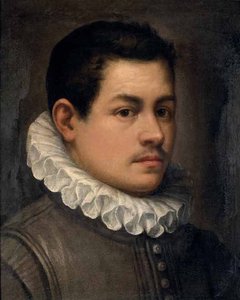
1560–1609, Италия
Аннибале Карраччи
Early Life and the Bolognese Roots Анна́биле Ка́рраччи, родившийся в Болонье 3 ноября 1560 года, вошел в историю как один из самых ярких и уважаемых художников Италии позднего XVI века. Его ранние годы прошли в семье, глубоко укоренившейся в художественной традиции. Вероятно, его первые уроки искусства он получил в семейной мастерской, заложив фундамент для карьеры, которая кардинально изменила облик итальянской живописи. Болонья того времени была оживленным центром интеллектуальной и художественной жизни, но при этом ощущалась как провинциальный город, отдалившийся от доминирующих течений, исходящих из Рима и Венеции.
Другие работы Аннибале Карраччи
 Едок бобов Солнце
 Выбор Геракла
 Речная Панорама1589
 Насмешение над Христом1596

Эссе к произведению Pan
 The Language of Animals in Art: From Ancient Egypt to the RenaissanceExplore the profound history of animal symbolism from Egypt to the Renaissance. Trace these ancient motifs through art history now.
 Annibale Carracci: Bridging Renaissance Ideals & Baroque InnovationExplore the life & art of Annibale Carracci, a pivotal figure bridging Renaissance ideals with Baroque innovation. Discover his masterpiece…
 Divine Beauty: The 25 Most Iconic Masterpieces by Fra AngelicoJourney through the divine beauty of Fra Angelico's finest works. Explore 25 iconic Renaissance masterpieces, from ethereal frescoes to sac…